Hand emoji meanings explain actions, responses, and intentions shown through hand gestures in digital messages. These emojis visually represent approval, refusal, greeting, direction, or respect without using spoken language. Learning how hand emojis communicate meaning helps readers correctly understand short replies, reactions, and messages where hand gestures replace words.
Hand emojis often reflect real hand movements used in daily communication. Understanding these meanings helps readers recognize tone and intent in chats, comments, and quick responses where hand symbols carry clear messages.
In This Page
Common Hand Emojis
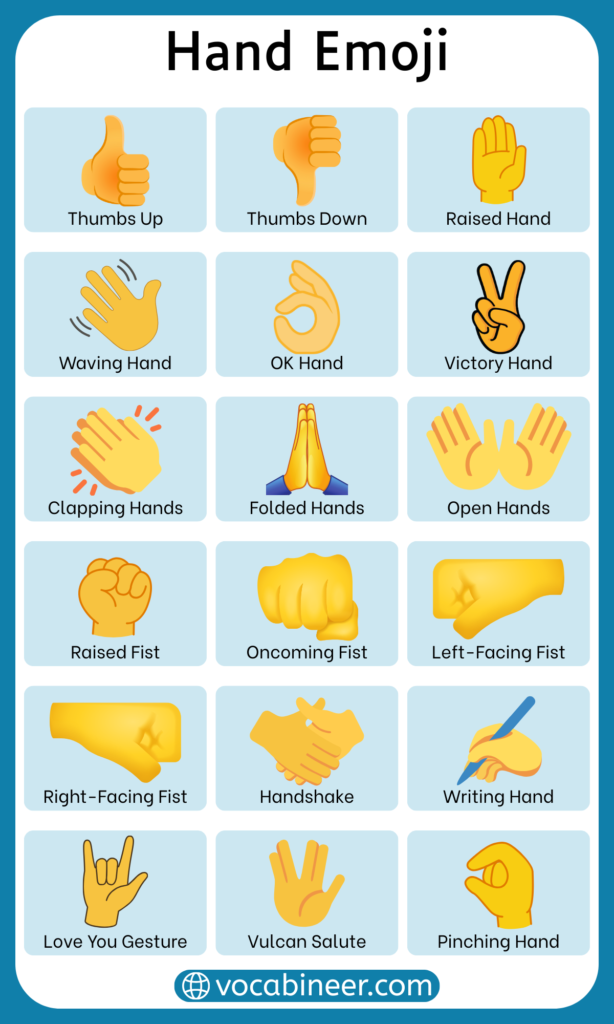
Common hand emojis are used frequently to express basic reactions like approval, disagreement, or confirmation. These gestures appear often in short messages because they communicate intent quickly. Below is a list of common hand emojis and how their meanings are generally understood in everyday digital communication.
- Thumbs Up: This hand emoji indicates approval, agreement, or acceptance. It is often used to confirm information, respond positively, or acknowledge a message without adding words.
- Thumbs Down: This emoji expresses disapproval or rejection. It signals that something is not accepted or supported and is commonly used when giving a negative response.
- OK Hand: This hand gesture shows confirmation or that something is correct. It often appears when a task is completed or when reassurance is needed.
- Raised Hand: This emoji represents attention, willingness, or a request to speak. It is used to signal pause or participation in conversations.
- Open Hands: This symbol shows openness or offering. It is often used to express welcome or readiness to receive something.
- Victory Hand: This emoji represents success, agreement, or positive outcome. It is commonly used to signal winning or satisfaction.
- Clapping Hands: This hand emoji shows praise or appreciation. It is often used to react positively to achievements or statements.
- Folded Hands: This gesture represents respect, gratitude, or a polite request. It appears frequently in thankful or respectful messages.
- Raised Back of Hand: This emoji signals stop, pause, or refusal. It is used when someone wants to block or interrupt politely.
- Pinched Fingers: This hand gesture represents emphasis or questioning tone. It is often used to show precision or ask for clarification.
Hand Emojis Used for Greeting
Hand emojis used for greeting represent social gestures that people commonly use when meeting, acknowledging, or responding to others. These emojis replace simple greeting words and help convey politeness or friendliness in short messages. Understanding greeting hand emoji meanings helps readers recognize how conversations begin, pause, or close in digital communication.
- Waving Hand: This hand emoji is used to greet someone or say goodbye. It often appears at the start or end of a message to signal acknowledgment.
- Raised Hand: This gesture shows willingness to speak or get attention. It is commonly used to signal a polite interruption or participation.
- Open Hands: This emoji represents welcoming or openness. It is often used to express friendliness or readiness to receive information.
- Handshake: This hand symbol shows agreement, greeting, or cooperation. It is used when confirming mutual understanding or starting a formal exchange.
- Raised Back of Hand: This emoji can indicate pause or polite refusal. In greeting contexts, it signals stopping briefly before responding.
- Victory Hand: This gesture is sometimes used casually as a friendly greeting. It can signal positivity or relaxed acknowledgment.
- Clapping Hands: In greeting situations, this emoji can show warm welcome or appreciation when someone joins a conversation.
Hand Emojis Showing Approval or Praise
Hand emojis showing approval or praise are used to express positive reactions without writing full sentences. These gestures communicate agreement, encouragement, or appreciation in a direct visual way. Learning these hand emoji meanings helps readers understand supportive responses in chats, comments, and short replies where tone matters.
- Thumbs Up: This emoji represents approval, agreement, or acceptance. It is often used to confirm understanding or show support.
- Clapping Hands: This hand emoji expresses praise or appreciation. It is commonly used to react to achievements or positive statements.
- Raised Hands: This gesture shows celebration, excitement, or shared success. It appears when people respond enthusiastically to good news.
- Victory Hand: This emoji represents success or positive outcome. It is often used to signal confidence or approval.
- OK Hand: This hand symbol confirms that something is correct or acceptable. It reassures others that everything is fine.
- Open Hands: In approval contexts, this emoji shows acceptance or encouragement. It suggests openness to ideas or actions.
- Handshake: This symbol represents agreement or mutual approval. It is used when both sides accept or support a decision.
Pointing Hand Emoji Meanings
Pointing hand emoji meanings focus on direction, attention, or emphasis in digital messages. These hand gestures help guide readers toward information, highlight instructions, or signal focus without using extra words. Understanding pointing hand emoji meanings helps readers follow conversations where direction or emphasis is communicated visually.
- Pointing Right: This hand emoji directs attention forward or toward something next. It is often used to guide readers to information or actions.
- Pointing Left: This gesture signals reference to something previously mentioned. It helps indicate backward direction or earlier content in a conversation.
- Pointing Up: This emoji highlights importance or draws attention upward. It is commonly used to emphasize a key point or reminder.
- Pointing Down: This hand symbol directs focus below the message. It is used to guide readers toward additional details or links.
- Backhand Index Pointing Right: This emoji emphasizes direction more softly. It often appears in friendly instructions or casual guidance.
- Backhand Index Pointing Left: This gesture signals attention in a relaxed tone. It helps guide without sounding strict or forceful.
- Backhand Index Pointing Up: This hand emoji draws attention upward with subtle emphasis. It is used when highlighting a detail politely.
Hand Emojis Used for Requests or Respect
Hand emojis used for requests or respect represent polite actions such as asking, thanking, or showing agreement in a calm way. These gestures soften messages and help express courtesy without extra words. Understanding these hand emoji meanings helps readers recognize respectful tone in conversations where manners and intent matter.
- Folded Hands: This emoji represents respect, gratitude, or a polite request. It is often used when thanking someone or asking sincerely.
- Handshake: This hand symbol shows mutual agreement or cooperation. It is commonly used to confirm understanding or show respect between people.
- Raised Hand: In request situations, this emoji signals a desire to speak or ask permission. It helps communicate politeness.
- Open Hands: This gesture expresses offering or acceptance. It is used to show openness when requesting or receiving something.
- Pinched Fingers: This emoji represents emphasis or careful asking. It is often used to request clarification or highlight a small detail.
- Raised Back of Hand: In respectful contexts, this symbol signals pause or polite refusal. It helps stop a conversation gently.
- Person with Folded Hands: This variation reinforces respect or thanks. It is used to add warmth to polite requests.
Hand Emojis Showing Stop or Caution
Hand emojis used for stop or caution communicate pause, refusal, or warning in digital messages. Instead of sounding harsh, these gestures set limits or express concern in a calm visual way. By understanding these hand emoji meanings, readers can recognize when a message signals slowing down, stopping, or paying closer attention.
- Stop Hand: This emoji clearly signals stop or do not proceed. It is used to block an action or pause a conversation.
- Raised Back of Hand: This hand gesture represents refusal or interruption. It politely communicates that something should stop or wait.
- Crossed Arms Gesture: This symbol shows strong refusal or firm boundary. It is used when someone wants to clearly say no.
- Prohibited Hand Sign: This emoji indicates restriction or not allowed. It appears in warning or rule-related messages.
- Hand with Fingers Spread: This gesture can signal caution or attention. It is used to slow down or warn gently.
- Pointing Hand with Stop Context: When combined with stop language, this emoji reinforces warning or instruction.
- Raised Palm Forward: This hand symbol emphasizes caution. It helps communicate a clear pause signal.
Hand Emojis That Can Feel Rude
Hand emojis that can feel rude are not always negative by design, but their tone can change based on context. In short replies or serious conversations, some gestures may appear harsh, dismissive, or unfriendly. Understanding these hand emoji meanings helps readers recognize when a symbol might be interpreted negatively, even if that was not the intention.
- Thumbs Down: This emoji can feel blunt or rejecting. In conversations, it may come across as dismissive rather than neutral disagreement.
- Raised Back of Hand: This gesture often signals refusal or interruption. It can feel rude when used without explanation or softening words.
- Stop Hand: This emoji clearly communicates stopping or blocking. In casual messages, it may feel abrupt or commanding.
- Pointing Finger: Pointing emojis can feel accusatory or demanding. When directed at a person, they may sound like giving orders.
- Crossed Arms Gesture: This symbol suggests firm refusal or resistance. It can appear defensive or unapproachable in messages.
- Pinched Fingers: In some contexts, this emoji may feel impatient or critical. It can suggest questioning or frustration if used sharply.
- OK Hand: While often positive, this emoji may feel sarcastic in certain replies. Tone depends heavily on surrounding words.
Hand Emojis People Often Confuse
Hand emojis people often confuse look similar but carry different meanings based on gesture and context. Small visual differences can change how a message is understood, so knowing these hand emoji meanings helps prevent confusion in short replies or reactions.
Thumbs Up vs OK Hand
Thumbs Up and OK Hand are often confused because both express positivity, but their intent differs. Thumbs Up usually signals agreement, approval, or acknowledgment of a message. OK Hand focuses more on correctness, completion, or that something meets a standard. Mixing them can slightly change how confident or final a response feels.
Raised Hand vs Stop Hand
Raised Hand and Stop Hand look similar but communicate different intentions. Raised Hand is commonly used to request attention, ask permission, or signal participation. Stop Hand clearly asks someone to pause or not continue. Confusing these can turn a polite request into an unintended command.
Folded Hands vs Clapping Hands
Folded Hands and Clapping Hands are frequently misunderstood because both involve hands together. Folded Hands represent respect, thanks, or a polite request, often carrying a calm tone. Clapping Hands express praise or appreciation, usually reacting to something achieved. The emotional direction changes from humility to recognition.
Open Hands vs Raised Hands
Open Hands and Raised Hands may appear similar, but their meanings differ. Open Hands suggest offering, acceptance, or openness toward an idea. Raised Hands express celebration, excitement, or shared success. Using one instead of the other can shift a message from welcoming to celebratory.
Handshake vs Open Hands
Handshake and Open Hands both relate to interaction, yet they serve different purposes. Handshake represents agreement, cooperation, or mutual understanding between people. Open Hands communicate willingness or openness without confirming agreement. Confusing them may affect how commitment is perceived in a message.
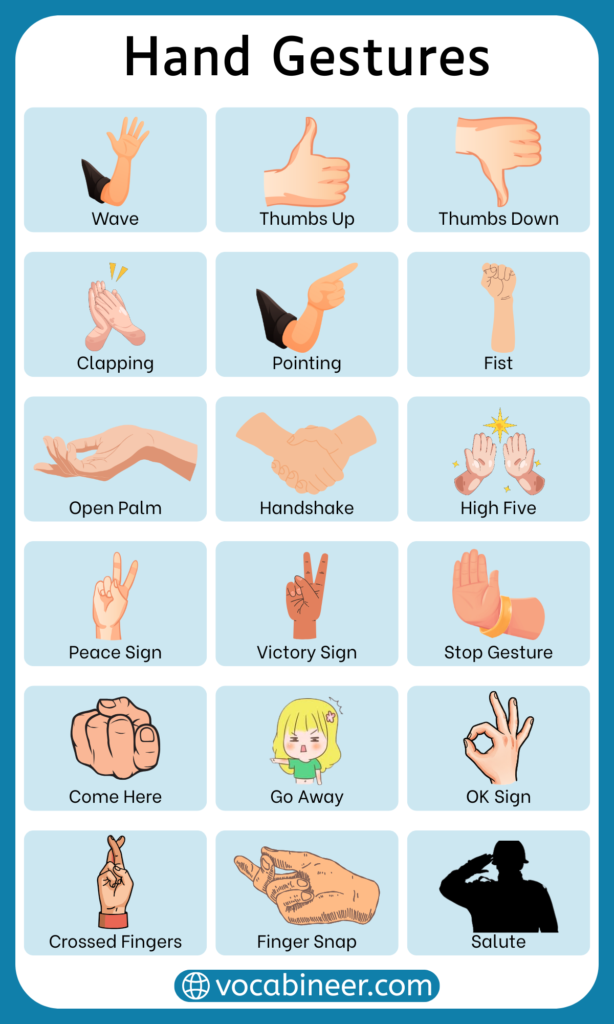
What Hand Emojis Mean in Different Messages
Hand emoji meanings can change based on message length, tone, or situation. The same gesture may communicate agreement in one message and hesitation in another. Understanding how context affects hand emoji meanings helps readers interpret intent accurately when words are limited or emotions are implied.
- Hand Emojis in Short Replies: In brief responses, hand emojis often replace words. A thumbs up may confirm receipt, while a raised hand may signal pause.
- Hand Emojis in Emotional Messages: When emotions are involved, hand gestures add tone. Clapping hands can feel encouraging, and folded hands can feel sincere.
- Hand Emojis in Polite Requests: In polite exchanges, open hands or folded hands soften requests. They signal respect and consideration without sounding demanding.
- Hand Emojis with Instructions: Pointing hands guide attention. Pointing down or right often directs readers toward information or next steps.
- Hand Emojis in Group Conversations: Raised hands and handshakes help manage turn-taking or agreement in group discussions.
- Hand Emojis with Warnings: Stop hands or raised palms clearly indicate caution. They help prevent misunderstanding when urgency is needed.
- Hand Emojis with Appreciation: Clapping hands or raised hands add warmth to positive feedback and acknowledgments.
Hand Emojis Used as Reactions
Hand emojis used as reactions help people respond quickly without writing full sentences. These gestures communicate agreement, disagreement, encouragement, or acknowledgment in a single symbol. Understanding these hand emoji meanings helps readers interpret fast replies in chats, comments, and message threads where reactions replace words.
- Thumbs Up: This reaction shows agreement or approval. It is commonly used to acknowledge a message positively.
- Clapping Hands: This emoji reacts to success or effort. It expresses praise or appreciation in response to an update.
- Raised Hands: This reaction shows excitement or shared celebration. It is used to respond enthusiastically to good news.
- Open Hands: This emoji reacts with acceptance or openness. It can signal welcome or readiness to engage.
- Folded Hands: This reaction expresses thanks or respect. It often appears after receiving help or information.
- Handshake: This symbol reacts with agreement or cooperation. It confirms shared understanding.
- Victory Hand: This reaction expresses positive outcome or success. It signals confidence and approval.
Hand Emoji Meanings Table
This section brings hand emoji meanings together in one place so readers can review common gestures quickly. A table format helps connect each hand emoji with its name and meaning at a glance, making it easier to understand how these gestures are used across messages and reactions.
| Emoji | Hand Emoji Name | Meaning |
|---|---|---|
| 👍 | Thumbs Up | Approval, agreement, or positive response |
| 👎 | Thumbs Down | Disapproval, rejection, or negative response |
| 👌 | OK Hand | Confirmation, correctness, or acceptance |
| ✋ | Stop Hand | Stop, pause, or do not continue |
| 🤚 | Raised Back of Hand | Refusal, interruption, or polite stop |
| 👋 | Waving Hand | Greeting, farewell, or acknowledgment |
| 🙌 | Raised Hands | Celebration, excitement, or shared success |
| 👏 | Clapping Hands | Praise, appreciation, or approval |
| 🙏 | Folded Hands | Respect, thanks, or polite request |
| 🤝 | Handshake | Agreement, cooperation, or mutual understanding |
| 👉 | Pointing Right | Direction, focus, or next step |
| 👈 | Pointing Left | Reference to previous information |
| 👆 | Pointing Up | Emphasis or important note |
| 👇 | Pointing Down | Attention to details below |
| 🤏 | Pinched Fingers | Precision, emphasis, or careful request |
| ✌️ | Victory Hand | Success, confidence, or positive outcome |
| 🫱 | Open Hand | Offering, openness, or readiness |
| 🫲 | Open Hand Back | Receiving or gentle direction |
| 🤲 | Palms Up Together | Offering help or asking politely |
FAQs About Hand Emoji Meanings
Hand emoji meanings usually represent actions, responses, or intentions that people express through gestures. These emojis replace physical hand movements in digital messages and help communicate agreement, refusal, greeting, direction, or respect when words are limited.
Yes, the same hand emoji can carry different meanings depending on context. For example, a thumbs up may show agreement in one message and simple acknowledgment in another, based on tone and situation.
Some hand emojis look similar in shape but express different intentions. Small visual differences, such as finger position or palm direction, can change meaning, which is why confusion happens in short or fast conversations.
Hand emoji meanings stay generally consistent, but message type matters. In short replies, a hand emoji may replace a full sentence, while in emotional messages it may add tone or emphasis.
Yes, learning hand emoji meanings helps readers correctly understand reactions and responses in chats, comments, and group messages where emojis often replace spoken gestures.
Conclusion
Hand Emoji Meanings help readers understand how hand gestures communicate actions, responses, and intentions in digital messages. By learning how each hand emoji is commonly interpreted, readers can better recognize tone, direction, approval, or caution in conversations where gestures replace words. This understanding supports clearer reading of messages, reactions, and short replies across everyday online communication.
Read More