

Uncountable nouns are an important part of English vocabulary. They are used for things we usually do not count one by one, such as liquids, materials, ideas, feelings, and general concepts. Words like water, sugar, advice, and information are common examples.
In this easy-to-follow guide, you will find 100 common examples of uncountable nouns in English along with sections for food and drink words, materials and substances, abstract nouns, nature and weather words, and everyday vocabulary. So, whether you are a student, teacher, writer, or English learner, this article will help you understand uncountable nouns in a clear and useful way.
In This Page
What Are Uncountable Nouns?
Uncountable nouns are nouns that we do not usually count as separate units. Because of that, they normally do not have a plural form, and they are not usually used with a or an.
For example:
- water is uncountable
- milk is uncountable
- information is uncountable
- furniture is uncountable
We usually use words like some, much, a little, and a piece of with uncountable nouns.
For example:
- some water
- much information
- a little sugar
- a piece of advice
100 Common Examples of Uncountable Nouns
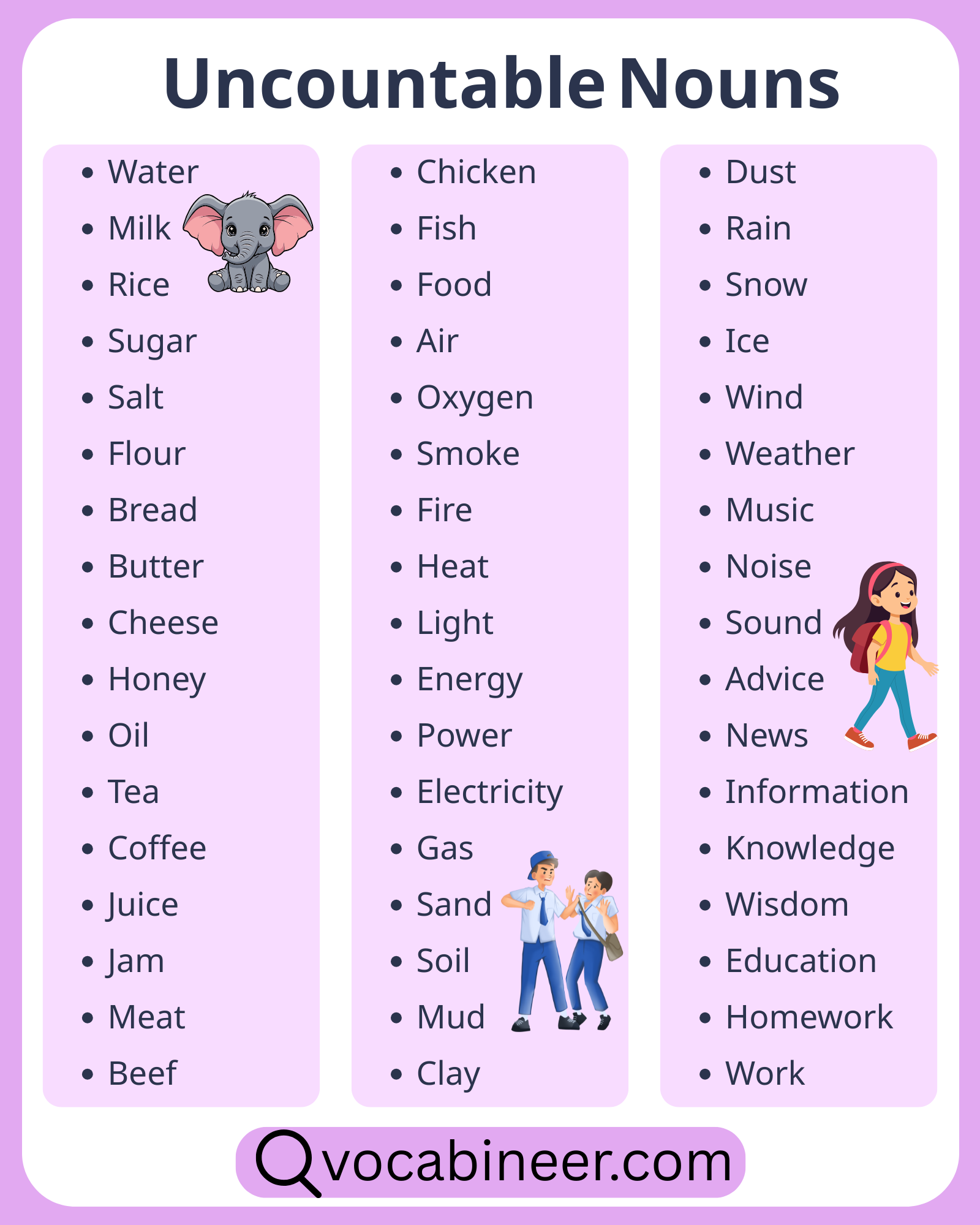
Below is a complete list of 100 common uncountable nouns in English in a simple and easy-to-scan format.
| Love |  |
| Luggage | 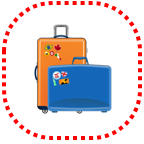 |
| Machinery | 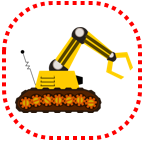 |
| Meat | 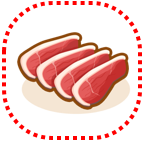 |
| Milk | 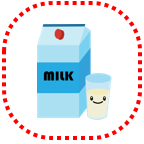 |
| Money |  |
| Motivation |  |
| Nature |  |
| News |  |
| Paper |  |
| Pasta |  |
| Perfume |  |
| Rain | 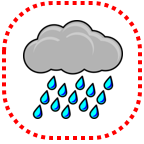 |
| Research |  |
| Rice | 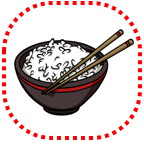 |
| Salt | 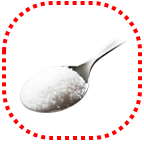 |
| Satisfaction |  |
| Seafood | 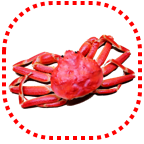 |
| Shopping |  |
| Silence |  |
| Silver |  |
| Smoke | 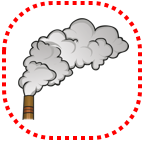 |
| Soup | 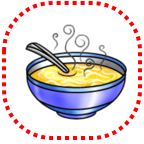 |
| Space | 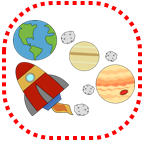 |
| Spaghetti | 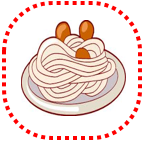 |
| Sugar |  |
| Thunder |  |
| Time |  |
| Traffic |  |
| Transportation |  |
| Travel |  |
| Understanding |  |
| Warmth |  |
| Water |  |
| Wealth |  |
| Weather | 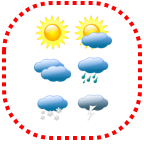 |
| Wisdom |  |
| Wood | 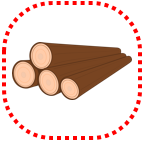 |
| Work |  |
| Yoga |  |
| Youth |  |
| Music |  |
| Love |  |
| Accommodation |  |
| Advice |  |
| Aggression |  |
| Air |  |
| Alcohol |  |
| Art |  |
| Assistance |  |
| Beauty |  |
| Beef | 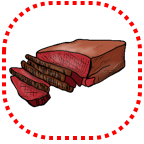 |
| Behavior | 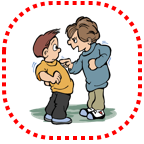 |
| Blood |  |
| Bravery |  |
| Bread | 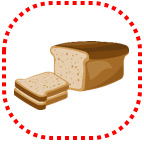 |
| Butter | 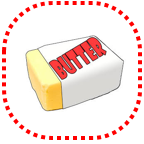 |
| Cake |  |
| Cash | 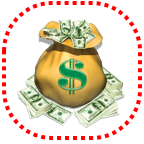 |
| Chaos |  |
| Cheese | 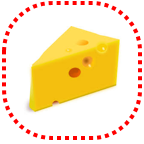 |
| Chewing gum | 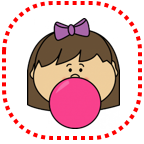 |
| Chocolate | 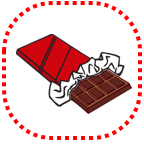 |
| Clothing |  |
| Coffee |  |
| Confidence | 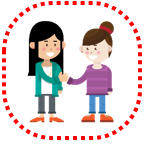 |
| confusion | 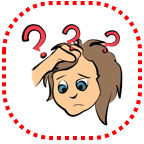 |
| Content |  |
| Cotton | 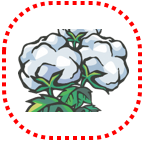 |
| Education |  |
| Electricity |  |
| Entertainment |  |
| Equipment |  |
| Evidence |  |
| Experience |  |
| Failure | 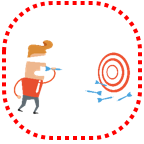 |
| Faith |  |
| Fame | 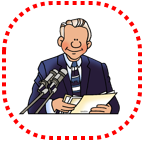 |
| Fiction |  |
| Flour | 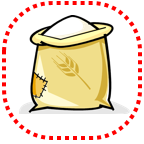 |
| Food | 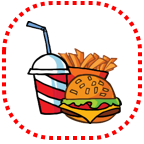 |
| Fresh air |  |
| Fruit |  |
| Fuel |  |
| Fun |  |
| Furniture |  |
| Gasoline | 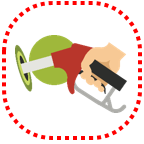 |
| Gold | 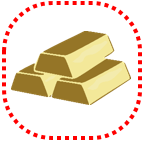 |
| Golf | 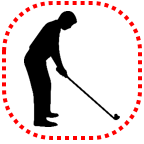 |
| Grass | 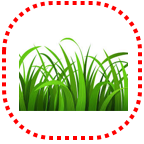 |
| Grief | 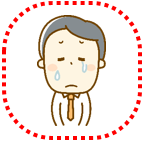 |
| Ground |  |
| Guilt | 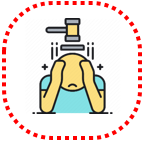 |
| Happiness |  |
| Harm | 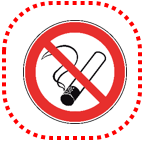 |
| History |  |
| Homework | 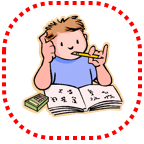 |
| Honey | 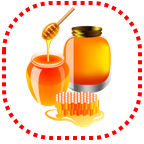 |
| Jewelry | 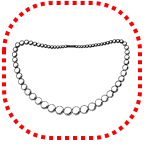 |
| Knowledge |  |
| Laughter |  |
Food and Drink Uncountable Nouns
Many food and drink words in English are uncountable because we usually think of them as a substance or general item rather than separate units.
- Water — a common liquid we drink every day
- Milk — a white drink often used in tea, coffee, and cooking
- Juice — a drink made from fruit or vegetables
- Tea — a popular hot drink
- Coffee — a common drink made from roasted beans
- Soup — a liquid food often served hot
- Rice — a very common food eaten in many countries
- Sugar — a sweet substance added to food and drinks
- Salt — a substance used to add flavor
- Bread — a basic food made from flour
- Butter — a soft dairy product used in cooking and baking
- Cheese — a dairy food with many varieties
- Flour — a powder used in baking
- Meat — animal flesh used as food
- Pasta — a common food made from dough
- Oil — a liquid used in cooking
- Honey — a sweet natural substance made by bees
- Jam — a sweet fruit spread
- Chocolate — a sweet food made from cocoa
- Ice cream — a cold sweet dessert
Material and Substance Uncountable Nouns
These nouns are uncountable because they refer to materials, physical substances, or things we usually measure rather than count.
- Gold — a valuable yellow metal
- Silver — a shiny white metal
- Iron — a strong useful metal
- Wood — material from trees
- Plastic — a common man-made material
- Glass — a hard clear material
- Paper — a material used for writing and printing
- Cotton — a soft natural fiber
- Silk — a smooth expensive fabric
- Wool — a warm material from sheep
- Sand — tiny grains of rock
- Dust — very fine dry particles
- Smoke — the cloudy substance from fire
- Air — the invisible gas around us
- Gas — a form of matter like air or fuel gas
- Fuel — a substance used to produce energy
- Energy — power used for work or movement
Abstract Uncountable Nouns
Abstract nouns are often uncountable because they refer to ideas, feelings, qualities, or states rather than physical objects.
- Knowledge — what someone knows
- Information — facts or details about something
- Advice — suggestions or guidance
- Help — support or assistance
- Homework — schoolwork done at home
- Work — tasks or effort in general
- Research — careful study to learn something
- Education — the process of learning
- Experience — knowledge gained from life or work
- Progress — improvement over time
- News — information about recent events
- Love — a strong feeling of care or affection
- Happiness — the feeling of being happy
- Sadness — the feeling of being sad
- Anger — a strong feeling of being upset
- Peace — a calm and quiet condition
- Freedom — the state of being free
- Beauty — the quality of being beautiful
- Courage — bravery in difficult situations
- Patience — the ability to stay calm while waiting
- Honesty — the quality of telling the truth
- Trust — belief that someone is good or reliable
- Luck — success caused by chance
- Fun — enjoyment or pleasure
- Leisure — free time to relax
Nature and Weather Uncountable Nouns
Many words related to nature and weather are uncountable because they describe conditions, natural forces, or general things.
- Time — the continued flow of moments
- Weather — the general condition of the atmosphere
- Rain — water falling from clouds
- Snow — frozen white flakes that fall in cold weather
- Sunshine — light from the sun
- Thunder — the loud sound during a storm
- Lightning — a bright flash during a storm
- Heat — high temperature
- Cold — low temperature
- Fog — a thick cloud near the ground
- Scenery — the natural view of an area
- Nature — the natural world around us
- Space — the empty area around things
Everyday Uncountable Nouns
These are common uncountable nouns that appear often in daily life, conversation, and writing.
- Traffic — the movement of vehicles on roads
- Luggage — bags and cases used for travel
- Baggage — another word for luggage
- Furniture — things like tables, chairs, and beds
- Equipment — tools or items used for a purpose
- Machinery — machines in general
- Money — coins and notes used to buy things
- Cash — money in note or coin form
- Change — money returned after payment or general alteration
- Music — sounds arranged in a pleasant way
- Art — creative work like painting or drawing
- Poetry — poems in general
- Literature — written works such as stories and poems
- Hair — hair in general on the head or body
- Soap — a substance used for washing
- Toothpaste — a paste used to clean teeth
- Clothing — clothes in general
- Food — things people eat
- Rubbish — waste or things thrown away
- Garbage — another word for rubbish
- Travel — the activity of going from place to place
- Accommodation — a place to stay
- Business — trade or work activity
- Shopping — the activity of buying things
- Room — space inside a building or enough space
- Behavior — the way a person acts
Uncountable Nouns in Sentences
Here are some simple sentence examples that show how uncountable nouns are used in real English.
- We need some water.
- There is a little milk in the fridge.
- She gave me useful advice.
- I need more information about this topic.
- The room has nice furniture.
- He carried heavy luggage at the airport.
- We listened to relaxing music.
- The children made good progress this year.
- They are doing important research.
- We had beautiful weather yesterday.
- There is too much traffic in the city.
- She showed great patience.
- I do not have much money today.
- The mountain village has amazing scenery.
- He brought fresh bread and cheese.
Common Mistakes With Uncountable Nouns
Learners often make mistakes with uncountable nouns because they try to use them like countable nouns.
- Do not use a/an with uncountable nouns
Incorrect: an advice, a furniture, an information
Correct: some advice, some furniture, some information - Do not make uncountable nouns plural
Incorrect: advices, informations, furnitures, homeworks
Correct: advice, information, furniture, homework - Use counting phrases when needed
Correct examples: a piece of advice, a piece of information, a loaf of bread, a bottle of water, a cup of tea, a bar of chocolate - Use much, some, a little, and a lot of instead of many
Incorrect: many furniture, many luggage
Correct: much furniture, a lot of luggage - Do not use numbers directly with most uncountable nouns
Incorrect: two breads, three informations
Correct: two loaves of bread, three pieces of information - Remember that some nouns look countable but are still uncountable
Examples: news, luggage, equipment, homework, furniture, advice
FAQs
Uncountable nouns are nouns that we do not usually count one by one. They often refer to substances, ideas, feelings, or general things like water, sugar, information, and furniture.
Most uncountable nouns do not usually have a plural form. For example, we say information, not informations, and furniture, not furnitures.
Some common examples are water, milk, bread, sugar, advice, information, furniture, money, music, and weather.
We usually use uncountable nouns with words like some, much, a little, and a piece of. For example, some water, much time, a little sugar, and a piece of advice.
Furniture is uncountable because it refers to a group of things like chairs, tables, and beds as one general category, not as separate countable items.
Summary
This article covered 100 common examples of uncountable nouns in English and included sections on food and drink words, materials and substances, abstract nouns, nature and weather words, and everyday vocabulary. It also showed how uncountable nouns are used in sentences and explained common mistakes to avoid.
This kind of guide is useful for students, teachers, writers, and English learners because it makes uncountable nouns easier to understand and remember. It also helps readers use these words more naturally in speaking and writing.
Read More