

Reptile animals names include the animals that are cold-blooded, have scales on their bodies, and usually lay eggs. Reptiles are an important group of animals that live in deserts, forests, grasslands, rivers, and wetlands. Snakes, lizards, crocodiles, turtles, and chameleons are some common examples of reptiles. Many of these animals are known for their unique body features, slow movements, and ability to adapt to different environments.
In this article, you will learn reptile animals names with pictures and simple examples. It also covers the meaning of reptiles and common animals included in this group, so kids, students, and English learners can improve their animal vocabulary in a clear and easy way. This topic is useful for classroom learning, general knowledge, and everyday English practice.
In This Page
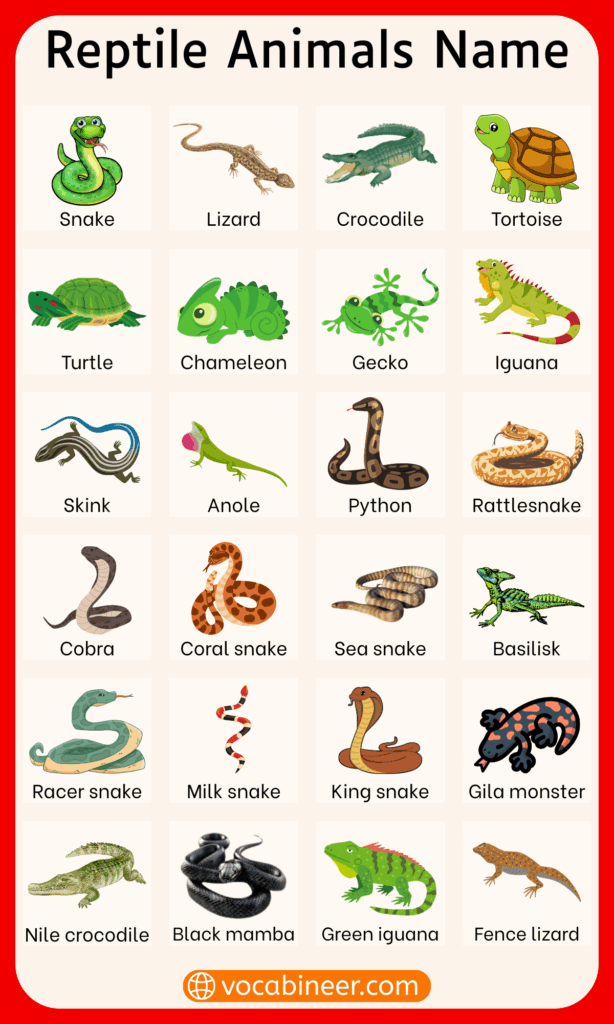
Common Reptile Animals Name with Pictures
Reptiles are cold-blooded animals with scaly skin, found in many different habitats around the world. They include snakes, lizards, turtles, and crocodiles, each with unique features and survival skills. Below is a list of common reptile animals names.
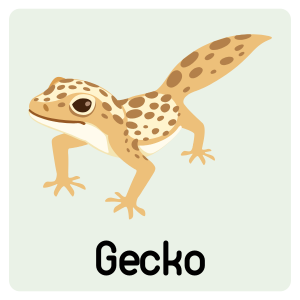
- Gecko – wall-climbing lizard
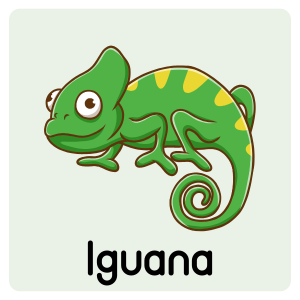
- Iguana – tropical plant-eater
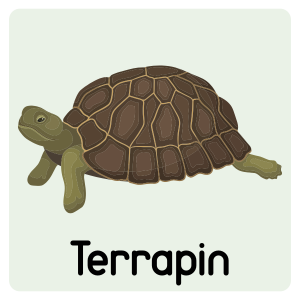
- Terrapin – Small, freshwater turtle.
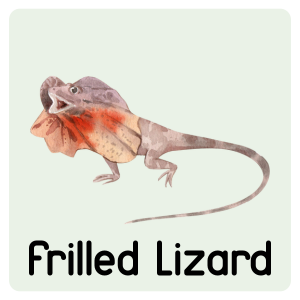
- Frilled Lizard – Neck-frilled, Australian lizard.
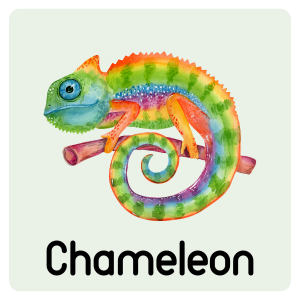
- Chameleon – color-changing lizard
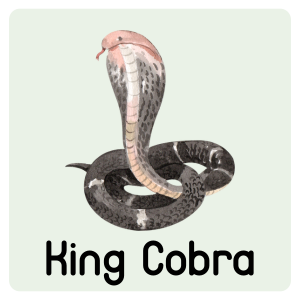
- King Cobra – hooded venomous snake
- Python – large constrictor snake

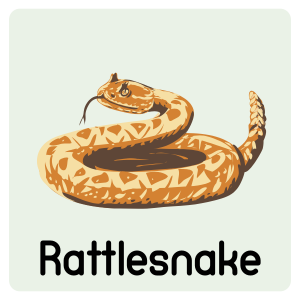
- Rattlesnake – tail-rattling snake
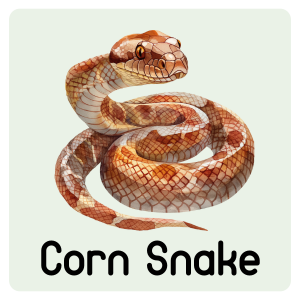
- Corn Snake – Colorful, non-venomous snake.
- Viper – venomous fanged snake

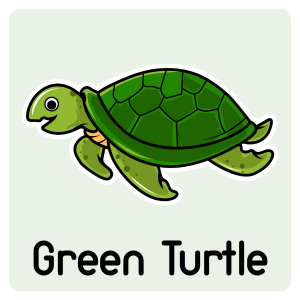
- Green Turtle – ocean-dwelling reptile
- Box Turtle – shell-closing turtle

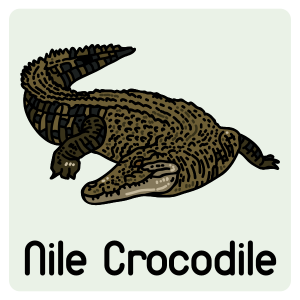
- Nile Crocodile – Large, aggressive African crocodile.
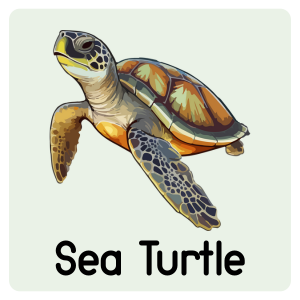
- Sea Turtle – Ocean-dwelling, long-distance swimmer.
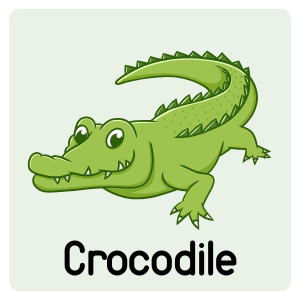
- Crocodile – large aquatic reptile
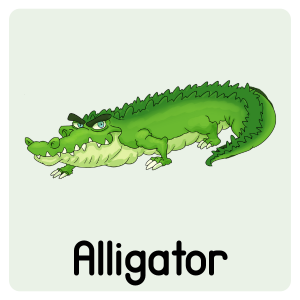
- Alligator – broad-snouted reptile
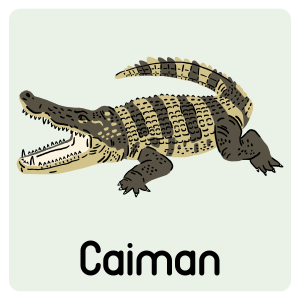
- Caiman – small crocodilian reptile
- Gharial – long-snouted crocodilian
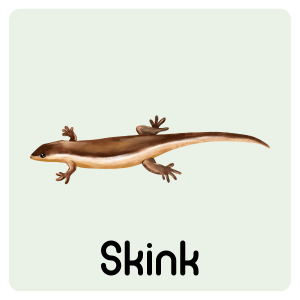
- Skink – smooth-scaled lizard
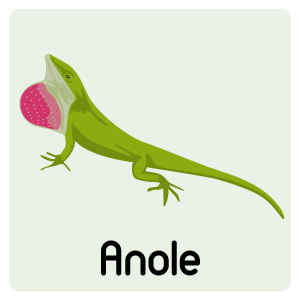
- Anole – Small, color-changing lizard.
Different Types of Reptile Animals
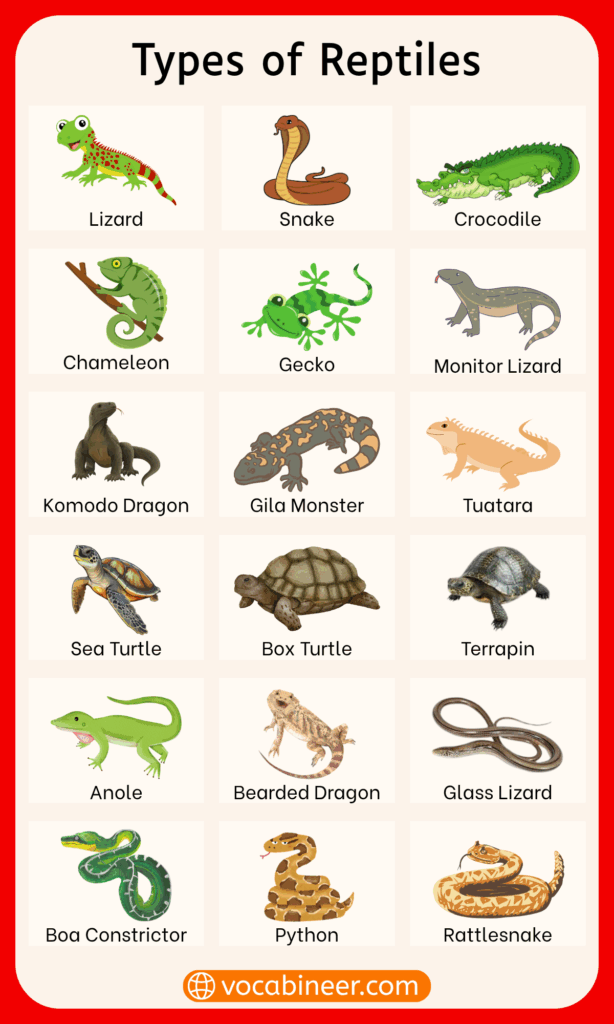
Reptiles come in many shapes and sizes. They live on land, in water, or both. Their dry, scaly skin helps them survive in different climates. Reptiles are divided into four main types based on their body structure and lifestyle.
- Lizards: Reptiles with four legs, eyelids, and tails that can grow back. They live in deserts, forests, and gardens. Examples: Gecko, Iguana, Komodo Dragon, Chameleon.
- Snakes: Long, legless reptiles that move by slithering. Some are venomous, while others are harmless. Examples: Cobra, Python, Boa, Rattlesnake, Viper.
- Turtles and Tortoises: Reptiles with hard shells. Turtles live in water, while tortoises live on land. Examples: Sea Turtle, Box Turtle, Galápagos Tortoise.
- Crocodiles and Alligators: Large, semi-aquatic reptiles with long jaws and strong tails. Examples: Crocodile, Alligator, Gharial, Caiman.
Reptile Animals That Live in Water
Some reptiles live mainly in or near water. These reptile animals that live in water breathe air through lungs but are strong swimmers. They have webbed feet, long tails, or smooth shells that help them move easily in rivers and seas.
- Crocodile: Large reptile that lives in rivers and swamps; hunts fish and small animals.
- Alligator: Freshwater reptile with a wide snout; found in lakes and marshes.
- Sea Turtle: Ocean reptile with flippers; spends most of its life in water and lays eggs on land.
- Sea Snake: Venomous snake that swims in warm seas; feeds on small fish.
- Marine Iguana: Found in the Galápagos Islands; dives underwater to eat seaweed.
- Caiman: Smaller crocodile-like reptile that lives in South American rivers.
- Gharial: Long-snouted reptile from Indian rivers; eats mostly fish.
- Softshell Turtle: Freshwater turtle with a flat shell; hides in riverbeds.
- Water Monitor: Large lizard that swims and hunts near rivers and mangroves.
- Sea Krait: Sea snake that lays eggs on land but lives mostly in water.
Reptile Animals That Live on Land
Some reptiles spend their lives mostly on land. These reptile animals that live on land prefer warm, dry areas such as deserts, forests, and grasslands. They use sunlight to stay warm and rest in shade or burrows to cool off.
- Chameleon: Tree-dwelling reptile that changes color to hide or show mood.
- Komodo Dragon: World’s largest lizard; hunts small animals and lives on Indonesian islands.
- Horned Lizard: Desert reptile with spikes for defense; blends easily with sand.
- Gila Monster: Slow, venomous lizard from deserts of North America.
- Desert Tortoise: Land turtle that stores water in its body and lives in hot regions.
- Iguana: Large herbivorous lizard found in forests and rocky areas.
- Gecko: Small climbing reptile that sticks to walls and hides under rocks.
- Monitor Lizard: Strong land lizard that hunts insects and small mammals.
- Frilled Lizard: Opens a neck frill to scare predators; lives in dry forests.
- Thorny Devil: Australian lizard with spikes that protect it from predators.
Unique and Rare Reptile Animals
Some reptiles are special because of their rare features, colors, or where they live. These unique and rare reptile animals show amazing adaptations that make them stand out in nature.
- Komodo Dragon: The largest living lizard; can grow up to 3 meters long and hunts large prey.
- Frilled Lizard: Opens a wide neck frill when threatened; found in Australia and New Guinea.
- Flying Dragon: Small lizard that glides from tree to tree using skin flaps on its sides.
- Blue Iguana: Bright blue lizard native to the Cayman Islands; now an endangered species.
- Hawksbill Turtle: Beautiful sea turtle with patterned shells; lives in tropical oceans.
- Philippine Crocodile: One of the rarest crocodiles; found only in the Philippines.
- Chinese Alligator: Small freshwater alligator that is critically endangered in China.
- Mary River Turtle: Australian turtle that breathes through its tail and grows green algae on its shell.
- Gharial: Crocodile with a very long, thin snout; lives in rivers of India and Nepal.
- Pangolin Lizard: Rare lizard covered in scales like armor; lives in parts of Africa.
Cold-Blooded Nature of Reptiles
Reptiles are cold-blooded animals, meaning their body temperature changes with the environment. They do not produce heat on their own like mammals or birds. Instead, they depend on the sun to stay warm and become active.
When it is hot, reptiles bask in the sunlight to raise their body temperature. When it is cold, they rest in the shade, burrows, or water to cool down. This helps them save energy and survive in harsh places like deserts or forests.
Examples of cold-blooded reptiles:
- Snake: Warms itself on rocks after sunrise.
- Lizard: Basks in sunlight to become active for hunting.
- Crocodile: Lies partly in water to control body heat.
- Tortoise: Moves slowly and hides in shade during heat.
- Turtle: Swims in cool water but comes to shore to sunbathe.
Differences Between Reptiles and Amphibians
Reptiles and amphibians may seem alike, but they have clear differences in their body features, living habits, and ways of survival. The table below shows these differences side by side.
| Feature | Reptiles | Amphibians |
|---|---|---|
| Skin | Dry, scaly skin that prevents water loss | Smooth, moist skin that needs water |
| Habitat | Mostly live on land | Live both on land and in water |
| Eggs | Lay eggs with hard or leathery shells on land | Lay soft, jelly-like eggs in water |
| Breathing | Use lungs throughout life | Use gills when young and lungs as adults |
| Body Temperature | Cold-blooded, body temperature changes with environment | Cold-blooded, prefer moist and cooler habitats |
| Movement | Crawl, slither, or walk on four legs | Swim in water and hop or crawl on land |
| Examples | Snake, Lizard, Turtle, Crocodile | Frog, Toad, Salamander, Newt |
Reptiles Around the World
Reptiles live on almost every continent except Antarctica. They have adapted to many climates — from hot deserts to tropical forests. Each region has its own unique species that fit its environment. These reptiles around the world show how diverse and widespread reptile life is.
Reptiles of Africa
- Nile Crocodile: Large river reptile known for its power and speed.
- Chameleon: Color-changing lizard found in forests and grasslands.
- African Rock Python: One of the largest snakes; lives near water.
- Agama Lizard: Brightly colored lizard common in warm, rocky areas.
- Leopard Tortoise: Land reptile with spotted shell patterns.
Reptiles of Asia
- King Cobra: The world’s longest venomous snake; found in India and Southeast Asia.
- Komodo Dragon: Giant lizard from Indonesia; hunts deer and wild pigs.
- Indian Star Tortoise: Land tortoise with a star-shaped pattern on its shell.
- Water Monitor: Large lizard that lives near rivers and wetlands.
- Chinese Alligator: Small freshwater alligator now critically endangered.
Reptiles of America
- American Alligator: Found in southern U.S. swamps and rivers.
- Iguana: Common in Central and South America; feeds on plants.
- Rattlesnake: Venomous snake known for its rattling tail sound.
- Gila Monster: Slow, venomous lizard native to North American deserts.
- Box Turtle: Small turtle that can close its shell tightly for protection.
Reptiles of Australia
- Frilled Lizard: Opens a frill around its neck when frightened.
- Thorny Devil: Spiny lizard that lives in the desert and eats ants.
- Blue-Tongued Skink: Ground lizard with a bright blue tongue.
- Sea Turtle: Swims in warm Australian waters and lays eggs on sandy beaches.
- Saltwater Crocodile: The largest living reptile; found in northern coastal areas.
Conclusion
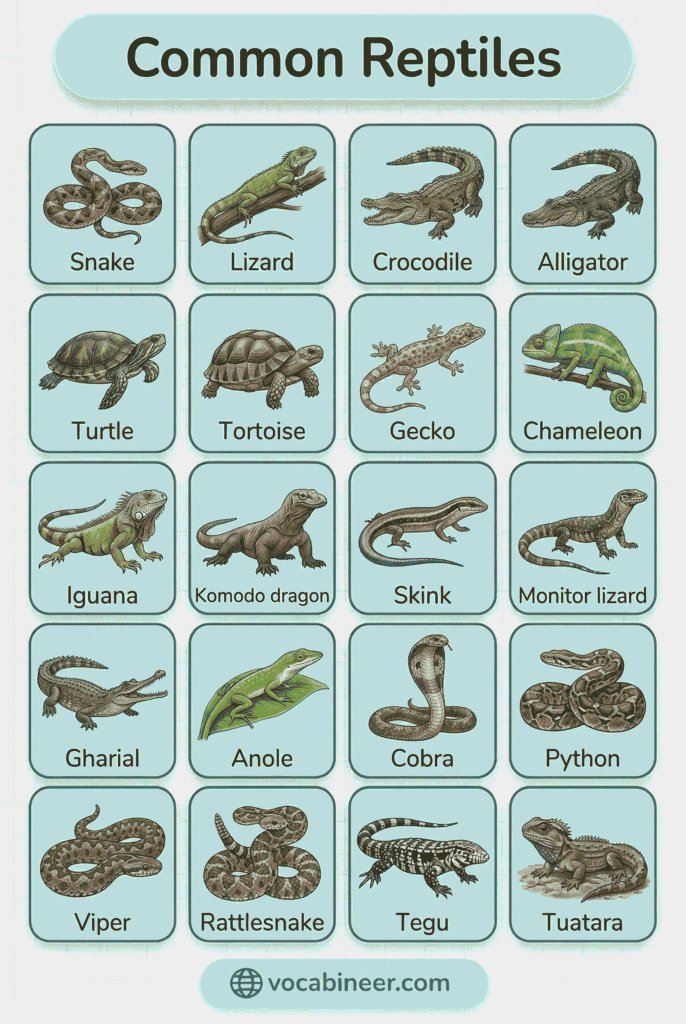
Learning reptile animals name with their pictures helps readers understand a wide range of species. From snakes and lizards to crocodiles and turtles, reptiles show unique features that allow them to survive in many environments. Recognizing their names makes discussions in school, travel, or biology easier and more meaningful.
FAQs about Reptile Animals Name
The four main types of reptiles are snakes, lizards, turtles and tortoises, and crocodilians. Each group has many species adapted to different habitats worldwide.
The Komodo dragon is the largest living lizard, but the saltwater crocodile is the biggest reptile overall, growing up to 23 feet long.
Most reptiles need warm environments, but species like the leatherback turtle can survive in cold oceans thanks to unique adaptations.
The basilisk lizard, also called the “Jesus lizard,” can run across water surfaces for short distances using its speed and wide feet.
Yes, both turtles and tortoises are reptiles. Turtles live mostly in water, while tortoises are land-dwelling with dome-shaped shells.
Read More
