

Science labs use specialized tools and instruments to perform experiments, measure materials, and make observations. Learning lab equipment names in English helps students describe their work clearly and understand science lessons more easily.
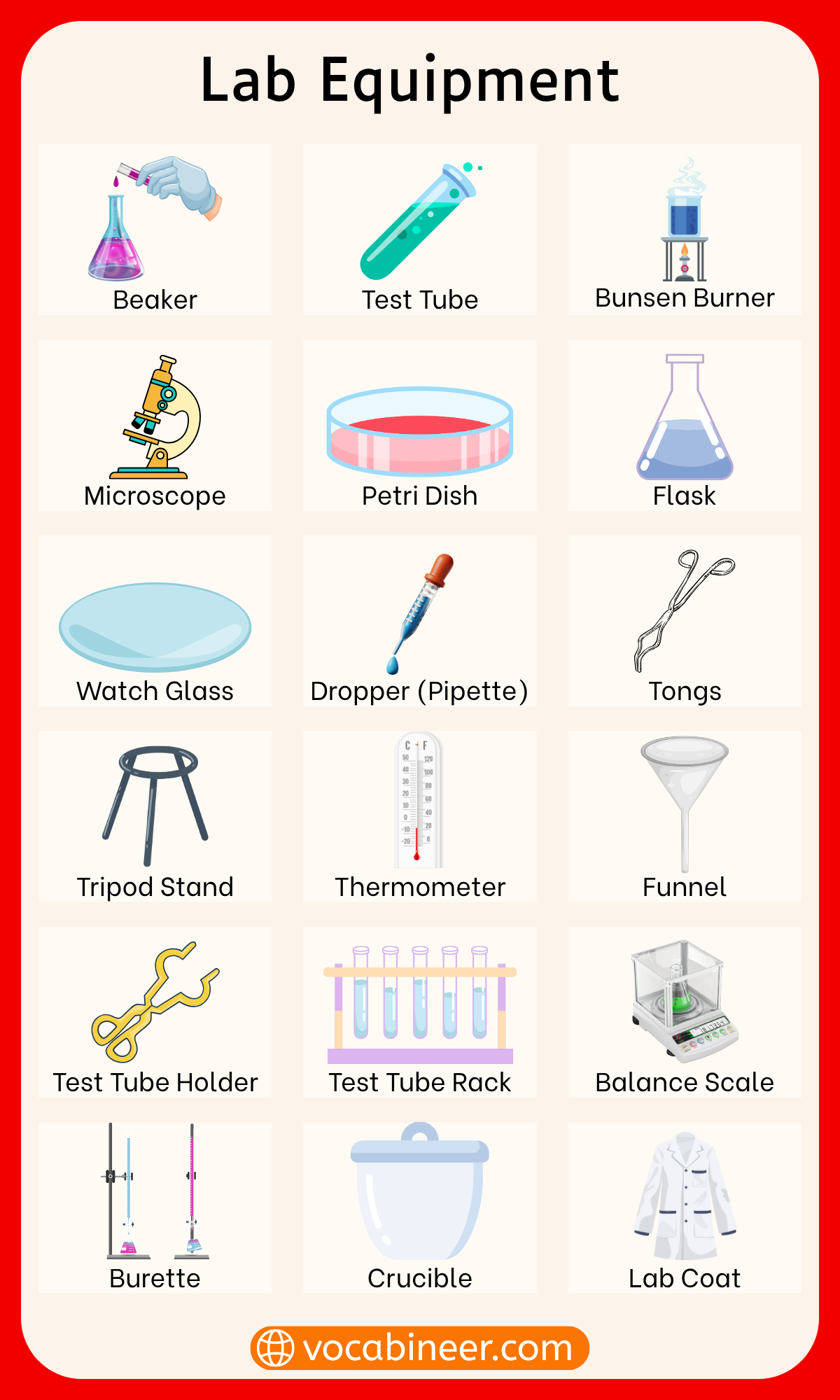
This guide lists 50 lab equipment names with pictures and uses. It includes common laboratory apparatus used in chemistry, biology, physics, microbiology, and school labs, grouped by subject and function to support vocabulary building.
In This Page
What Is Lab Equipment?
Lab equipment includes the tools, instruments, glassware, machines, and safety items that people use in science laboratories. For example, students use beakers to hold liquids, microscopes to observe tiny objects, and thermometers to measure temperature.
Different labs need different tools because each subject has different experiment requirements. Therefore, understanding lab equipment names helps beginners choose the right apparatus, follow instructions correctly, and work more safely during experiments.
List of 50 Lab Equipment Names
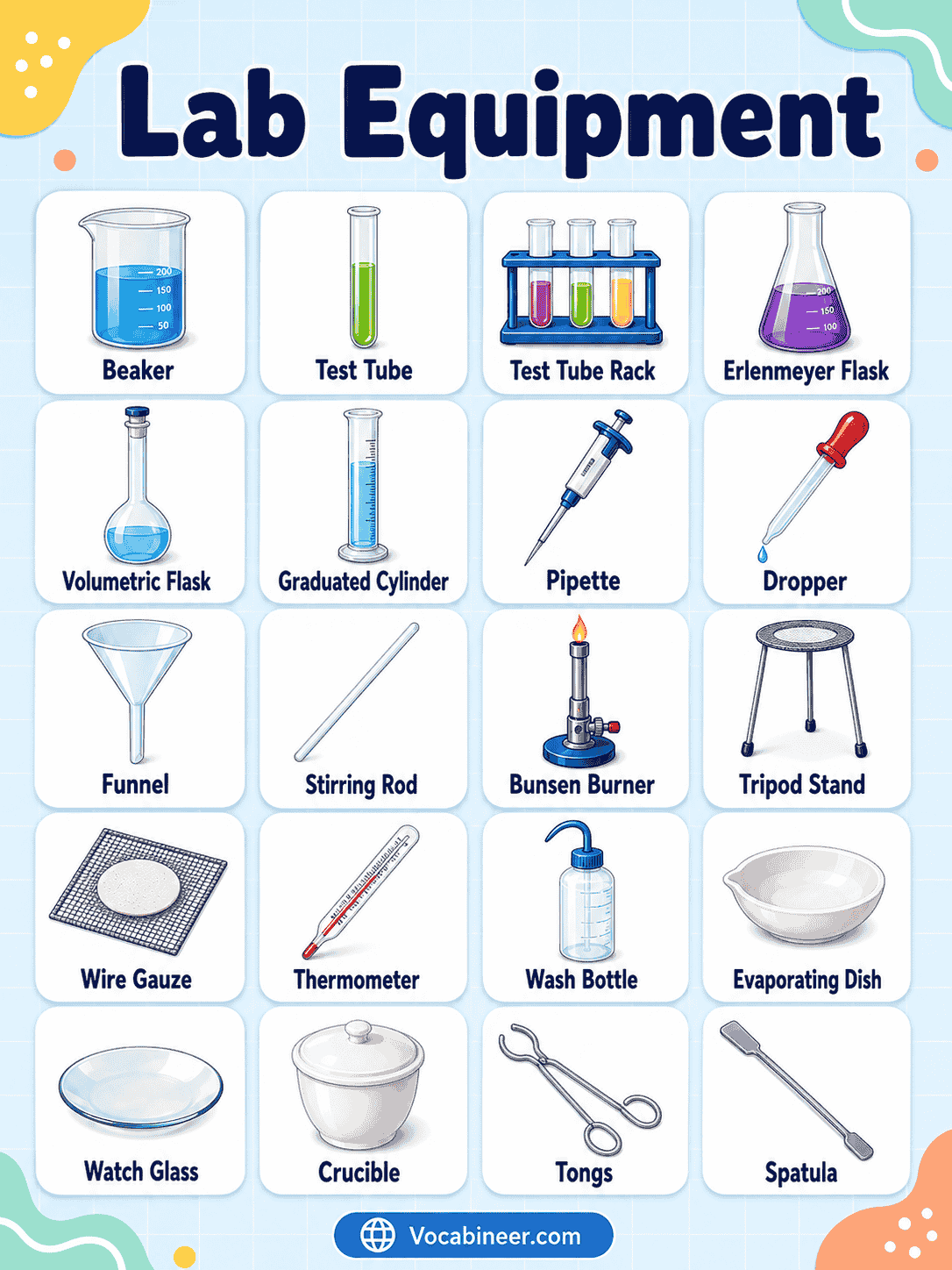
This is a list of 50 common lab equipment names used in science labs. These tools are found in chemistry, biology, and physics experiments and are important for learning scientific work.
- Beaker
- Test tube
- Flask
- Conical flask
- Measuring cylinder
- Bunsen burner
- Tripod stand
- Wire gauze
- Test tube rack
- Test tube holder
- Funnel
- Dropper
- Pipette
- Burette
- Clamp stand
- Crucible
- Evaporating dish
- Watch glass
- Glass rod
- Spatula
- Tongs
- Reagent bottle
- Volumetric flask
- Mortar and pestle
- Balance scale
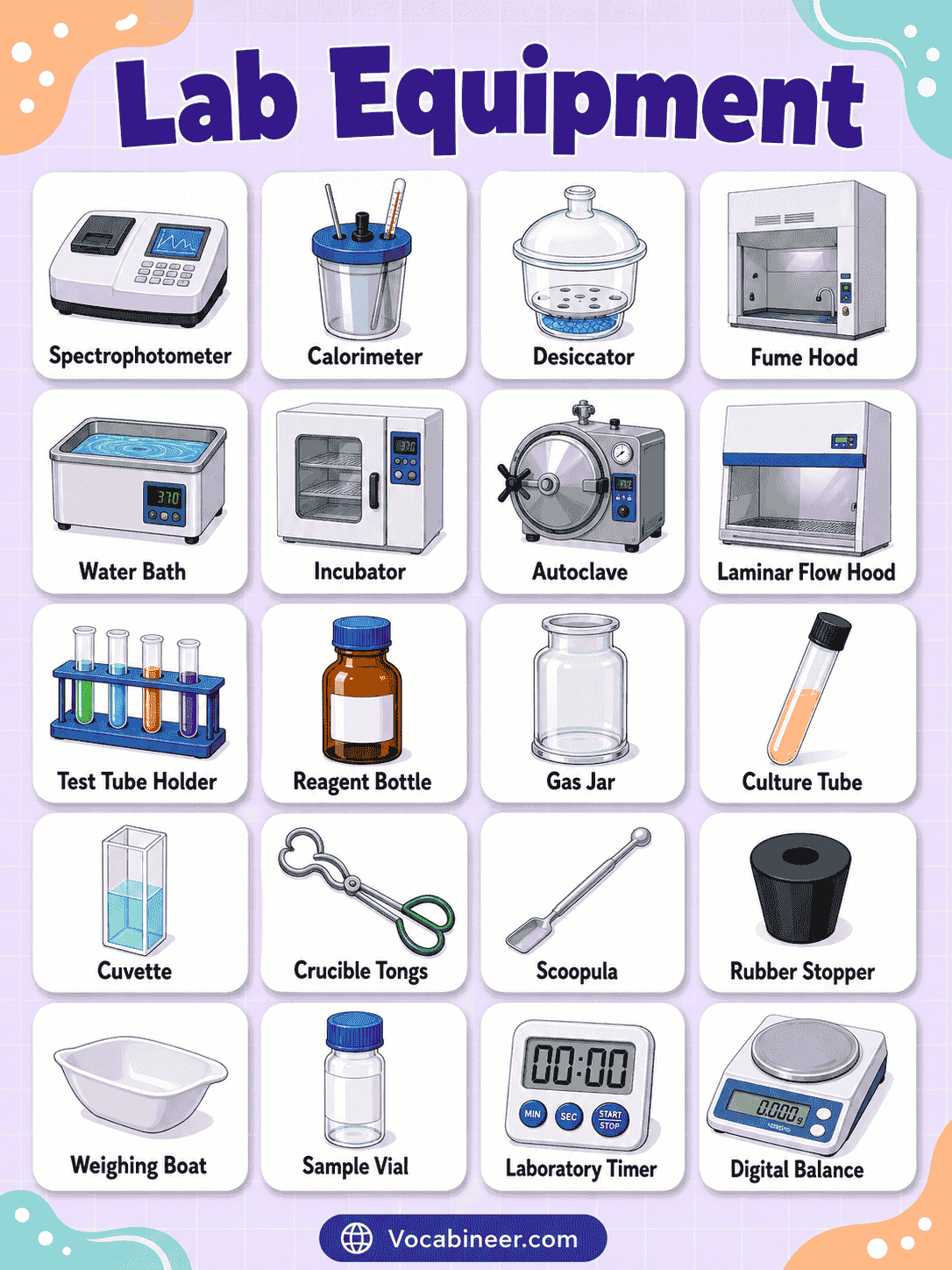
- Digital balance
- Stopwatch
- Thermometer
- Ammeter
- Voltmeter
- Galvanometer
- Spring balance
- Barometer
- Manometer
- Dissecting tray
- Scalpel
- Forceps
- Microscope
- Slide
- Cover slip
- Petri dish
- Staining bottle
- Safety goggles
- Lab coat
- Gloves
- Face shield
- Fume hood
- Eyewash station
- Fire extinguisher
- First aid kit
Common Lab Equipment Names
Common lab equipment includes glassware, measuring tools, heating tools, safety gear, support stands, biology tools, chemistry apparatus, microbiology tools, physics instruments, storage items, and cleaning tools. Also, many of these tools appear in school science labs, college labs, and research laboratories.
- Beaker — Holds, mixes, and heats liquids during basic laboratory experiments.
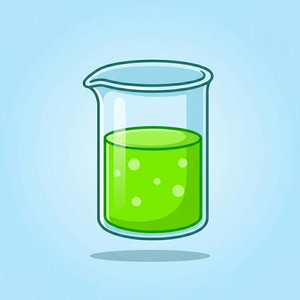
- Test Tube — Holds small samples for heating, mixing, or observation.
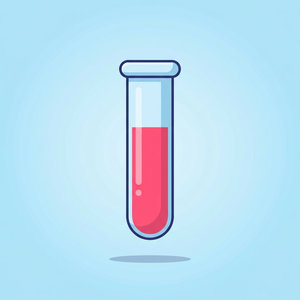
- Conical Flask — Allows safer swirling and mixing because it has a narrow neck.
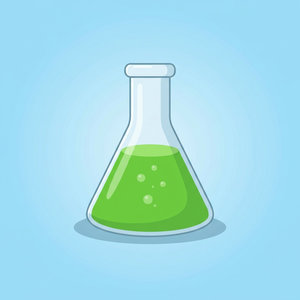
- Volumetric Flask — Prepares a solution at one exact volume.
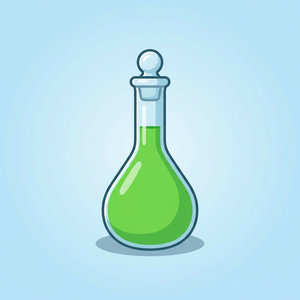
- Burette — Dispenses measured liquid slowly during titration.
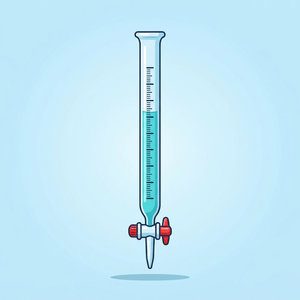
- Pipette — Transfers small liquid volumes with better control.
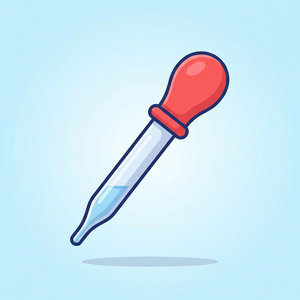
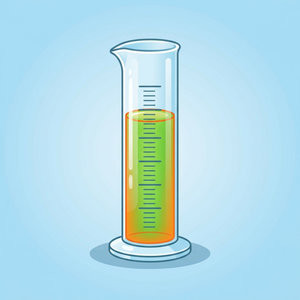
- Graduated Cylinder — Measures liquid volume more accurately than a beaker.
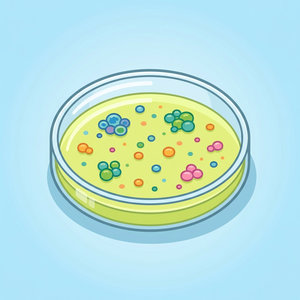
- Petri Dish — Holds culture media for growing microorganisms.
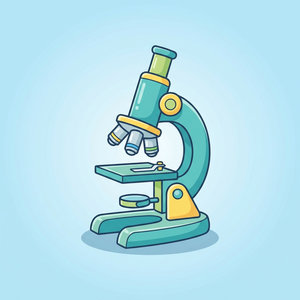
- Microscope — Magnifies tiny objects, cells, and microorganisms.
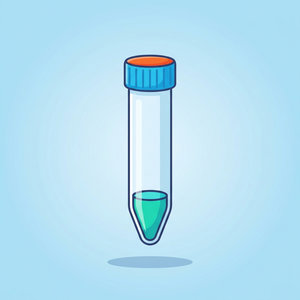
- Centrifuge Tube — Holds samples during centrifugation.
- Funnel — Transfers liquids or powders into containers with narrow openings.
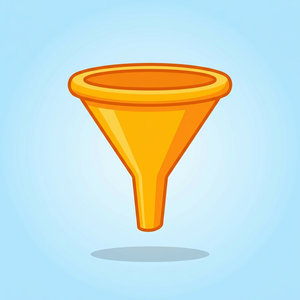
- Separatory Funnel — Separates liquids that do not mix well.
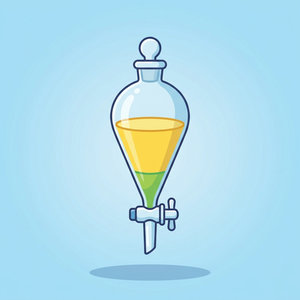
- Mortar and Pestle — Crushes and grinds solid materials into smaller particles.
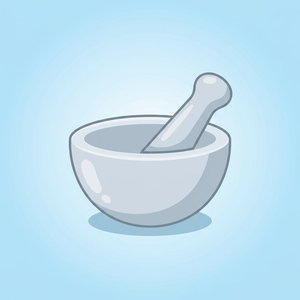
- Thermometer — Measures the temperature of liquids, gases, or laboratory spaces.
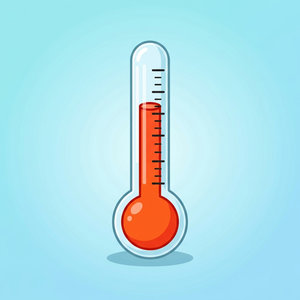
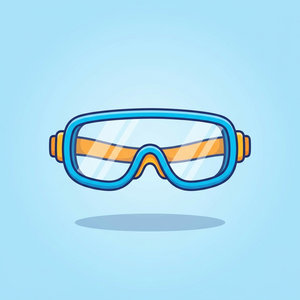
- Safety Goggles — Protect the eyes from splashes, particles, and accidental exposure.
Lab Equipment Names List
This lab equipment names list groups tools by type so learners can understand them quickly. In addition, each item includes a short use for easy study and revision.
Glassware Lab Equipment Names
- Beaker — Holds, mixes, and heats liquids in general experiments.
- Test Tube — Holds small amounts of substances for reactions or observation.
- Boiling Tube — Holds larger samples than a test tube during heating.
- Conical Flask — Mixes liquids safely because its narrow neck reduces splashing.
- Volumetric Flask — Prepares solutions at a fixed and accurate volume.
- Round-Bottom Flask — Supports heating and chemical reactions with even heat distribution.
- Flat-Bottom Flask — Stands on a bench and holds liquids during experiments.
- Florence Flask — Holds and heats liquids in chemistry experiments.
- Erlenmeyer Flask — Another name for a conical flask used for mixing and titration.
- Reagent Bottle — Stores chemicals, liquids, and prepared solutions.
- Dropping Bottle — Dispenses liquids drop by drop during experiments.
- Wash Bottle — Rinses glassware and adds small amounts of distilled water.
- Watch Glass — Holds small samples, covers beakers, or supports evaporation.
- Evaporating Dish — Holds liquids while solvent evaporates.
- Crystallizing Dish — Supports crystallization and evaporation work.
- Petri Dish — Holds agar medium, cultures, or small samples.
- Glass Rod — Stirs liquids and guides pouring.
- Glass Tube — Connects apparatus or carries gases in experiments.
- Capillary Tube — Holds very small liquid samples for special tests.
- Desiccator — Keeps materials dry by storing them with a drying agent.
Measuring Lab Equipment Names
- Graduated Cylinder — Measures liquid volume with marked graduations.
- Measuring Cylinder — Another common name for a graduated cylinder.
- Burette — Measures and dispenses liquid during titration.
- Pipette — Transfers small measured liquid volumes.
- Volumetric Pipette — Transfers one fixed volume accurately.
- Graduated Pipette — Measures different liquid volumes using scale marks.
- Micropipette — Measures and transfers very small liquid amounts.
- Dropper — Transfers liquid in small drops.
- Thermometer — Measures temperature during experiments.
- Digital Thermometer — Displays temperature readings electronically.
- Balance Scale — Measures the mass of materials.
- Electronic Balance — Measures mass with a digital display.
- Triple Beam Balance — Measures mass using sliding weights.
- Spring Balance — Measures force or weight using a spring.
- pH Meter — Measures the acidity or alkalinity of a solution.
- pH Paper — Estimates pH through color change.
- Stopwatch — Measures time during experiments.
- Meter Ruler — Measures length and distance.
- Vernier Caliper — Measures small lengths, diameters, and thicknesses.
- Micrometer Screw Gauge — Measures very small thicknesses and diameters.
Heating Lab Equipment Names
- Bunsen Burner — Produces a flame for heating substances.
- Spirit Lamp — Uses alcohol fuel to create a small flame.
- Hot Plate — Heats containers using an electric surface.
- Heating Mantle — Heats round-bottom flasks evenly.
- Water Bath — Heats samples gently at controlled temperatures.
- Sand Bath — Heats containers using hot sand.
- Oil Bath — Heats samples at higher controlled temperatures.
- Tripod Stand — Supports containers above a flame.
- Wire Gauze — Spreads heat under glassware during heating.
- Crucible — Holds solids during strong heating.
- Crucible Lid — Covers a crucible during heating.
- Tongs — Hold hot crucibles, beakers, or other heated items.
- Test Tube Holder — Holds a test tube safely during heating.
- Clay Triangle — Supports a crucible during heating.
- Evaporating Dish — Holds liquid while heat removes solvent.
- Furnace — Heats materials at very high temperatures.
- Incubator — Maintains a warm controlled environment for cultures.
- Autoclave — Uses steam and pressure to sterilize materials.
- Drying Oven — Dries glassware, samples, or equipment.
- Heat-Resistant Mat — Protects the bench from hot apparatus.
Safety Lab Equipment Names
- Safety Goggles — Protect the eyes during experiments.
- Lab Coat — Protects clothing and skin from spills.
- Gloves — Protect the hands from chemicals, heat, or contamination.
- Face Shield — Protects the full face from splashes or particles.
- Fume Hood — Removes harmful fumes and vapors from the work area.
- Fire Extinguisher — Helps control small laboratory fires.
- Fire Blanket — Helps smother flames during emergencies.
- First Aid Kit — Stores basic items for minor injuries.
- Eyewash Station — Rinses the eyes after accidental exposure.
- Safety Shower — Rinses the body after chemical spills.
- Chemical Spill Kit — Helps clean chemical spills safely.
- Biohazard Bag — Holds biological waste for safe disposal.
- Sharps Container — Stores needles, blades, and sharp waste.
- Waste Container — Collects laboratory waste properly.
- Lab Apron — Adds extra protection during messy work.
- Heat-Resistant Gloves — Protect the hands from hot equipment.
- Respirator Mask — Protects breathing in selected laboratory situations.
- Emergency Signage — Guides users toward safety equipment and exits.
- Safety Cabinet — Stores hazardous chemicals safely.
- Chemical Label — Identifies chemicals, warnings, and handling information.
Support and Holding Lab Equipment Names
- Retort Stand — Holds clamps and apparatus during experiments.
- Ring Stand — Supports rings, clamps, and glassware.
- Iron Ring — Supports funnels, wire gauze, or containers.
- Clamp — Holds glassware or tools in place.
- Boss Head Clamp — Connects clamps to a stand.
- Burette Clamp — Holds a burette during titration.
- Test Tube Rack — Holds test tubes upright.
- Test Tube Stand — Supports test tubes during experiments.
- Tripod Stand — Supports glassware above a burner.
- Clamp Holder — Secures clamps on a stand.
- Utility Clamp — Holds flasks, tubes, or thermometers.
- Funnel Stand — Holds funnels during filtration or transfer.
- Pipette Stand — Stores pipettes safely.
- Micropipette Stand — Holds micropipettes upright.
- Drying Rack — Holds washed glassware while it dries.
- Storage Rack — Organizes tools, bottles, or tubes.
- Specimen Holder — Holds specimens during observation.
- Slide Rack — Stores microscope slides.
- Centrifuge Tube Rack — Holds centrifuge tubes upright.
- Clamp Stand Base — Gives support to rods and clamps.
Cutting and Handling Lab Equipment Names
- Forceps — Pick up small objects safely.
- Tweezers — Handle tiny materials with precision.
- Scalpel — Cuts specimens or soft materials carefully.
- Dissecting Scissors — Cut tissues or specimens during dissection.
- Dissecting Needle — Moves or separates small specimen parts.
- Spatula — Transfers small amounts of solid chemicals.
- Scoopula — Scoops powders or crystals from containers.
- Laboratory Spoon — Transfers dry chemicals in small amounts.
- Tongs — Hold hot or hazardous items safely.
- Crucible Tongs — Hold hot crucibles during heating.
- Beaker Tongs — Hold hot beakers safely.
- Test Tube Holder — Holds test tubes during heating.
- Inoculating Loop — Transfers microorganisms during microbiology work.
- Inoculating Needle — Transfers or picks microbial samples.
- Swab — Collects or spreads samples on surfaces.
- Glass Stirrer — Mixes liquids gently.
- Magnetic Stir Bar — Spins inside liquids during magnetic stirring.
- Laboratory Brush — Cleans tubes, bottles, and glassware.
- Rubber Policeman — Scrapes residues from glassware.
- Pestle — Crushes solids inside a mortar.
Biology Lab Equipment Names
- Microscope — Magnifies cells, tissues, and tiny organisms.
- Microscope Slide — Holds a thin sample for microscope viewing.
- Cover Slip — Covers a sample on a microscope slide.
- Petri Dish — Holds cultures or small biological samples.
- Dissecting Tray — Holds specimens during dissection.
- Dissecting Kit — Contains tools for specimen dissection.
- Forceps — Handle small biological specimens.
- Scalpel — Cuts specimens during biology practical work.
- Hand Lens — Magnifies small objects during simple observations.
- Magnifying Glass — Enlarges objects for closer viewing.
- Specimen Jar — Stores biological specimens.
- Dropper — Adds liquid drops to slides or samples.
- Staining Rack — Holds slides during staining.
- Slide Box — Stores microscope slides safely.
- Prepared Slide — Contains a ready-made sample for observation.
- Coverslip Dispenser — Stores and dispenses cover slips.
- Microtome — Cuts very thin sections for microscope study.
- Model Skeleton — Helps students study bones and body structure.
- Plant Press — Presses plant samples for study or preservation.
- Aquarium Tank — Holds aquatic organisms for observation.
Chemistry Lab Equipment Names
- Beaker — Holds and mixes chemicals during experiments.
- Test Tube — Holds small chemical samples.
- Conical Flask — Mixes chemicals and supports titration work.
- Volumetric Flask — Prepares solutions at exact volumes.
- Burette — Dispenses liquid during titration.
- Pipette — Transfers measured liquid amounts.
- Separatory Funnel — Separates liquids that form layers.
- Funnel — Transfers liquids or supports filtration.
- Filter Paper — Separates solids from liquids during filtration.
- Reagent Bottle — Stores chemical reagents.
- Dropper Bottle — Stores liquids that need drop-by-drop use.
- Wash Bottle — Rinses glassware or adds distilled water.
- Crucible — Heats solids strongly.
- Evaporating Dish — Evaporates liquid from a solution.
- Watch Glass — Holds small samples or covers beakers.
- Glass Rod — Stirs chemical mixtures.
- Litmus Paper — Tests whether a solution acts acidic or basic.
- pH Paper — Estimates the pH of a solution.
- Chemical Spoon — Transfers dry chemicals.
- Desiccator — Keeps chemicals dry.
Microbiology Lab Equipment Names
- Petri Dish — Holds agar for microbial cultures.
- Agar Plate — Provides a growth surface for microorganisms.
- Inoculating Loop — Transfers microbial samples.
- Inoculating Needle — Picks or transfers microorganisms.
- Incubator — Keeps cultures at controlled temperatures.
- Autoclave — Sterilizes tools, media, and waste.
- Micropipette — Measures very small liquid volumes.
- Micropipette Tips — Attach to micropipettes for liquid transfer.
- Culture Tube — Holds microbial cultures.
- Culture Bottle — Holds liquid or solid culture materials.
- Sterile Swab — Collects and transfers microbial samples.
- Spreader — Spreads samples across agar plates.
- Colony Counter — Counts colonies on culture plates.
- Laminar Flow Cabinet — Provides a clean workspace for sensitive work.
- Biosafety Cabinet — Helps protect users, samples, and the environment.
- Sterilizer — Sterilizes tools or materials.
- Parafilm — Seals plates, tubes, or containers.
- Anaerobic Jar — Creates low-oxygen conditions for selected cultures.
- Culture Media Bottle — Stores prepared culture media.
- Microcentrifuge Tube — Holds small samples for spinning or storage.
Physics Lab Equipment Names
- Ammeter — Measures electric current in a circuit.
- Voltmeter — Measures electric potential difference.
- Galvanometer — Detects small electric currents.
- Rheostat — Changes resistance in a circuit.
- Resistor — Controls current flow in circuits.
- Battery Holder — Holds batteries during circuit experiments.
- Switch — Opens or closes an electric circuit.
- Connecting Wires — Connect components in a circuit.
- Crocodile Clips — Grip wires or terminals during experiments.
- Electroscope — Detects electric charge.
- Prism — Splits light into different colors.
- Lens — Bends light for optics experiments.
- Mirror — Reflects light during optical studies.
- Optical Bench — Holds lenses, mirrors, and light sources.
- Ray Box — Produces light rays for optics experiments.
- Pulley — Demonstrates force and motion.
- Spring Balance — Measures force or weight.
- Stopwatch — Measures time intervals.
- Meter Rule — Measures length and distance.
- Pendulum Bob — Supports motion experiments with pendulums.
Storage and Cleaning Lab Equipment Names
- Chemical Storage Cabinet — Stores chemicals in a safe organized way.
- Reagent Bottle — Stores liquid or solid reagents.
- Specimen Jar — Stores preserved specimens.
- Glass Jar — Holds samples, solids, or liquids.
- Sample Vial — Stores small liquid or solid samples.
- Centrifuge Tube Box — Stores centrifuge tubes neatly.
- Slide Box — Protects microscope slides.
- Pipette Box — Stores pipettes or pipette tips.
- Tool Tray — Holds tools during lab work.
- Lab Drawer Organizer — Sorts small instruments and supplies.
- Wash Bottle — Rinses glassware and equipment.
- Test Tube Brush — Cleans test tubes from the inside.
- Bottle Brush — Cleans bottles and flasks.
- Beaker Brush — Cleans beakers and wider glassware.
- Drying Rack — Holds washed equipment while it dries.
- Paper Towel — Wipes benches and cleans small spills.
- Cleaning Cloth — Cleans benches, tools, or glass surfaces.
- Waste Bin — Holds general laboratory waste.
- Sharps Container — Stores broken glass, blades, and other sharp items.
- Biohazard Waste Container — Holds biological waste for proper disposal.
Lab Equipment Names by Subject
Different science subjects use different equipment. For example, chemistry labs use more glassware and titration tools, while biology labs use microscopes, slides, and specimen tools.
| Subject | Common Equipment |
|---|---|
| Chemistry Lab Equipment | Beaker, test tube, burette, pipette, conical flask, volumetric flask, crucible, hot plate |
| Biology Lab Equipment | Microscope, slide, cover slip, petri dish, forceps, scalpel, dissecting tray, specimen jar |
| Physics Lab Equipment | Ammeter, voltmeter, prism, lens, pulley, stopwatch, spring balance, optical bench |
| Microbiology Lab Equipment | Autoclave, incubator, agar plate, inoculating loop, micropipette, culture tube, sterile swab |
| School Science Lab Equipment | Beaker, test tube, thermometer, balance, safety goggles, Bunsen burner, microscope, funnel |
| Medical Lab Equipment | Centrifuge tube, micropipette, microscope slide, sample vial, test tube rack, specimen container |
Difference Between Similar Lab Equipment
Students often confuse lab tools that look similar. Therefore, this table explains the main difference between common equipment pairs.
| Lab Equipment Pair | Main Difference |
|---|---|
| Beaker vs Conical Flask | A beaker has a wide cylindrical shape, while a conical flask has a narrow neck for safer swirling. |
| Beaker vs Measuring Cylinder | A beaker holds and mixes liquids, while a measuring cylinder measures liquid volume more accurately. |
| Volumetric Flask vs Conical Flask | A volumetric flask prepares one exact volume, while a conical flask helps mix liquids. |
| Pipette vs Burette | A pipette transfers measured liquid, while a burette dispenses variable liquid volumes in titration. |
| Pipette vs Micropipette | A pipette handles small volumes, while a micropipette measures very tiny volumes. |
| Dropper vs Pipette | A dropper adds approximate drops, while a pipette measures liquid more accurately. |
| Test Tube vs Centrifuge Tube | A test tube holds samples, while a centrifuge tube holds samples during spinning. |
| Petri Dish vs Watch Glass | A petri dish holds cultures, while a watch glass holds small samples or supports evaporation. |
| Funnel vs Separatory Funnel | A funnel transfers liquids, while a separatory funnel separates liquid layers. |
| Crucible vs Evaporating Dish | A crucible heats solids strongly, while an evaporating dish removes solvent from liquids. |
| Hot Plate vs Bunsen Burner | A hot plate heats with an electric surface, while a Bunsen burner heats with flame. |
| Mortar and Pestle vs Crucible | A mortar and pestle grind solids, while a crucible heats substances at high temperature. |
Lab Equipment Names Chart with Pictures
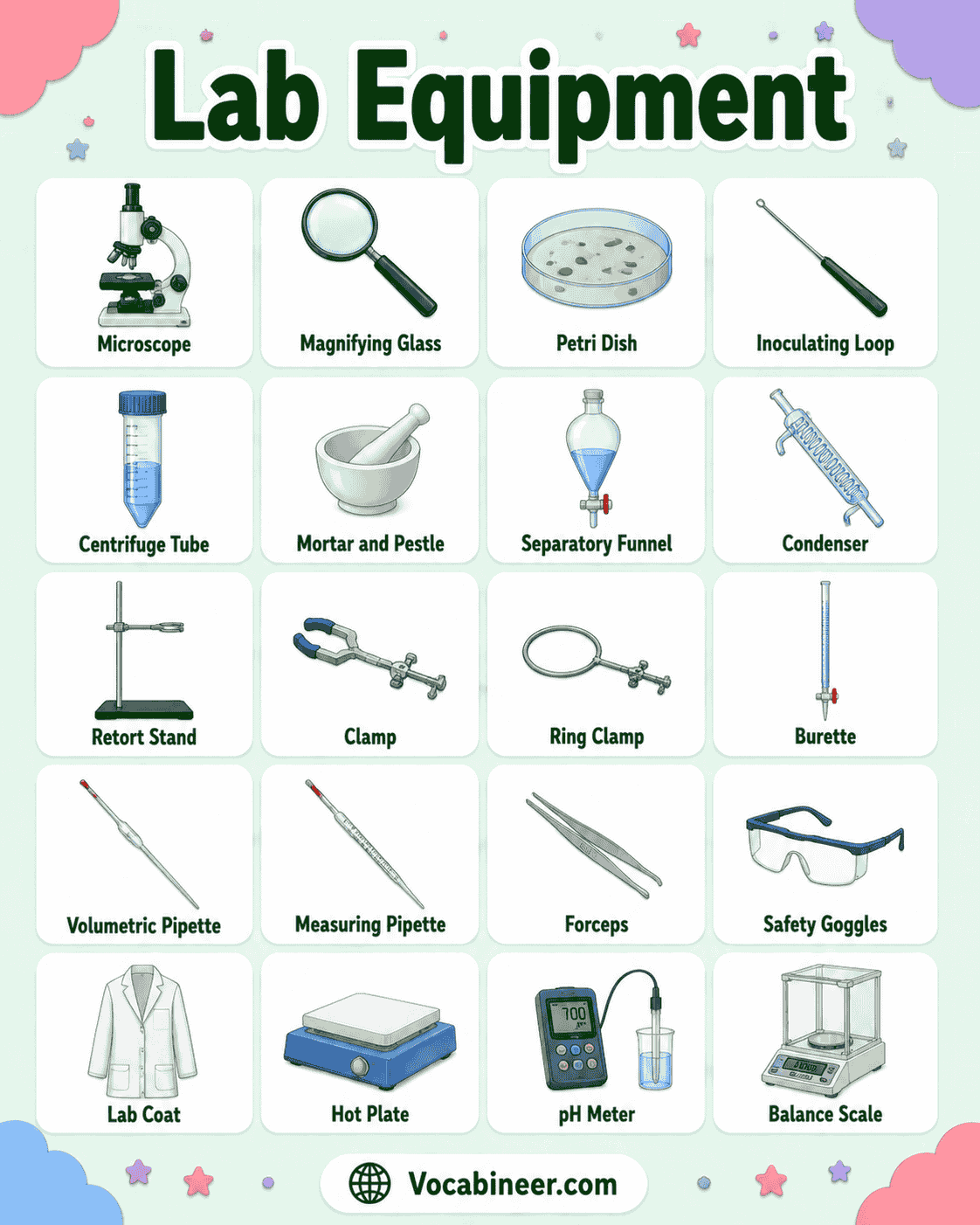
A lab equipment names chart helps learners compare science lab tools quickly. In addition, it gives students a clear overview of equipment groups and examples.
| Lab Equipment Group | Details |
|---|---|
| Glassware | Best for: holding, mixing, heating, and storing liquids Examples: beaker, test tube, conical flask, volumetric flask |
| Measuring Equipment | Best for: measuring volume, mass, time, length, temperature, and pH Examples: graduated cylinder, pipette, balance, thermometer |
| Heating Equipment | Best for: heating liquids, solids, and samples Examples: Bunsen burner, hot plate, water bath, crucible |
| Safety Equipment | Best for: protecting the eyes, hands, body, and workspace Examples: goggles, gloves, lab coat, fume hood |
| Support Equipment | Best for: holding apparatus during experiments Examples: retort stand, clamp, ring stand, test tube rack |
| Handling Equipment | Best for: picking, cutting, transferring, and holding materials Examples: forceps, scalpel, spatula, tongs |
| Biology Equipment | Best for: observing cells, tissues, and specimens Examples: microscope, slide, cover slip, dissecting tray |
| Chemistry Equipment | Best for: mixing chemicals, titration, heating, and separation Examples: burette, pipette, flask, separatory funnel |
| Microbiology Equipment | Best for: culturing, sterilizing, and transferring microorganisms Examples: petri dish, autoclave, incubator, inoculating loop |
| Physics Equipment | Best for: electricity, optics, motion, and measurement experiments Examples: ammeter, voltmeter, prism, pulley |
| Storage and Cleaning Equipment | Best for: organizing, cleaning, drying, and storing lab items Examples: wash bottle, brush, drying rack, storage cabinet |
Lab Safety Tips for Beginners
Lab safety matters because students and scientists handle glassware, heat, chemicals, sharp tools, and electrical equipment. Therefore, every beginner should learn basic safety rules before using laboratory apparatus.
In addition, learners should follow the teacher’s instructions, read labels carefully, and keep the workspace clean. These habits help reduce mistakes during experiments.
- Wear safety goggles — Goggles protect the eyes from splashes and flying particles.
- Use a lab coat — A lab coat helps protect clothing and skin.
- Wear gloves when needed — Gloves protect the hands from selected chemicals or samples.
- Read chemical labels — Labels show names, warnings, and handling details.
- Inspect glassware — Cracked glassware can break and cause injuries.
- Use clamps and stands — Support tools help prevent spills and falling apparatus.
- Handle heat carefully — Hot glassware can look cool, so use tongs or heat-resistant gloves.
- Never taste chemicals — Lab chemicals should never touch the mouth.
- Avoid smelling chemicals directly — Use safe classroom methods only when a teacher instructs you.
- Clean the workspace — A clean bench helps prevent spills and confusion.
- Dispose of waste properly — Waste containers help manage chemical, biological, and sharp waste.
- Report accidents quickly — Students should tell the teacher or supervisor immediately after spills, cuts, or breakage.
FAQs
The most common lab equipment names include beaker, test tube, conical flask, pipette, burette, measuring cylinder, microscope, petri dish, thermometer, and safety goggles.
School science labs commonly use beakers, test tubes, microscopes, funnels, thermometers, balances, safety goggles, lab coats, Bunsen burners, and test tube racks.
Graduated cylinders, pipettes, burettes, volumetric flasks, measuring cylinders, and micropipettes help measure or transfer liquid volumes.
A pipette transfers a measured liquid amount, while a burette releases variable liquid amounts slowly during titration.
Safety goggles, lab coats, gloves, fume hoods, fire extinguishers, eyewash stations, safety showers, spill kits, and first aid kits support lab safety.
Read More
