

Blue flowers are some of the most beautiful and eye-catching flowers in nature. Their cool shades can look soft, bright, deep, sky-blue, violet-blue, or lavender-blue. Since true blue flowers are not very common, they often feel rare, peaceful, and special.
Learning blue flower names in English helps kids, students, English learners, gardeners, and flower lovers recognize flowers more easily. These flowers are useful in gardens, bouquets, weddings, home decoration, flower arrangements, and nature lessons. This guide includes 38 blue flower names with simple descriptions, shades, meanings, identification tips, and common uses.
In This Page
What Are Blue Flowers?
Blue flowers are flowers with blue, blue-purple, violet-blue, lavender-blue, or bluish-purple petals, depending on the variety and growing conditions. Some flowers look clearly blue, while others are called blue because their petals appear close to blue.
True blue pigments are rare in nature, so many “blue” flowers are actually shades of purple-blue or lavender-blue. In flower shops, some bright blue flowers may also be dyed, especially certain blue orchids.
Blue flowers are often linked with:
- peace
- calmness
- trust
- loyalty
- remembrance
- hope
- mystery
- elegance
Because of their cool color, blue flowers can make gardens, bouquets, and decorations look calm, fresh, and meaningful.

Complete List of Blue Flower Names in English
Here is a complete list of 38 blue flower names in English:
- Bluebell
- Forget-Me-Not
- Blue Hydrangea
- Blue Morning Glory
- Himalayan Blue Poppy
- Blue Orchid
- Cornflower
- Blue Passion Flower
- Lobelia
- Delphinium
- Gentian
- Brunnera
- Nigella
- Plumbago
- Blue Daisy
- Blue Salvia
- Blue Iris
- Blue Hyacinth
- Blue Aster
- Blue Veronica
- Blue Scilla
- Blue Clematis
- Blue Flax
- Borage
- Chicory
- Blue Lotus
- Blue Anemone
- Blue Phlox
- Blue Lupine
- Blue Geranium
- Blue Hibiscus
- Blue Tulip
- Blue Lily
- Blue Petunia
- Blue Pansy
- Blue Columbine
- Blue Agapanthus
- Blue Star Flower
Some names, such as Blue Tulip, Blue Lily, Blue Hibiscus, Blue Petunia, and Blue Orchid, should be understood carefully. These flowers may look violet-blue, purple-blue, lavender-blue, or dyed rather than naturally true blue.
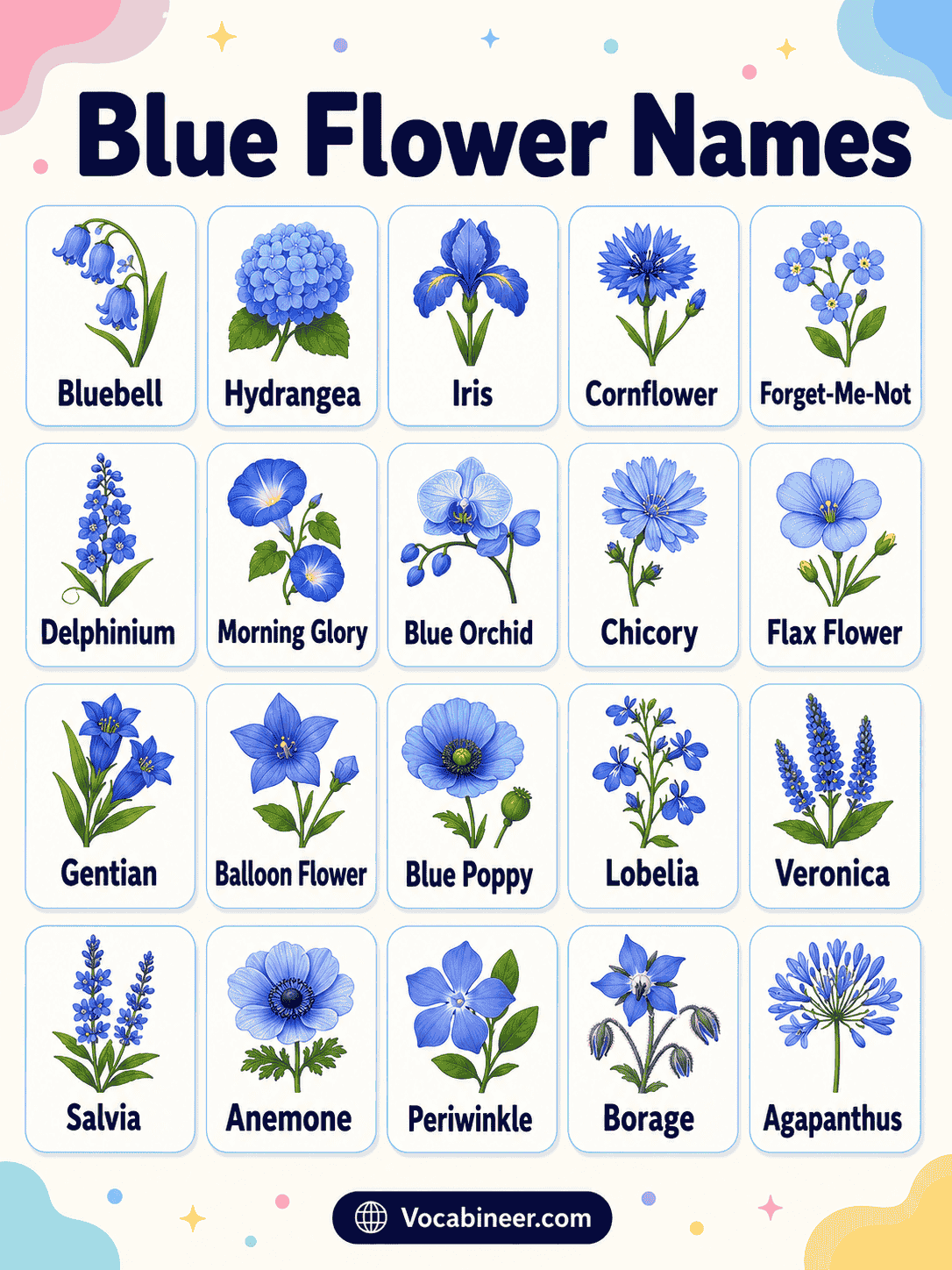
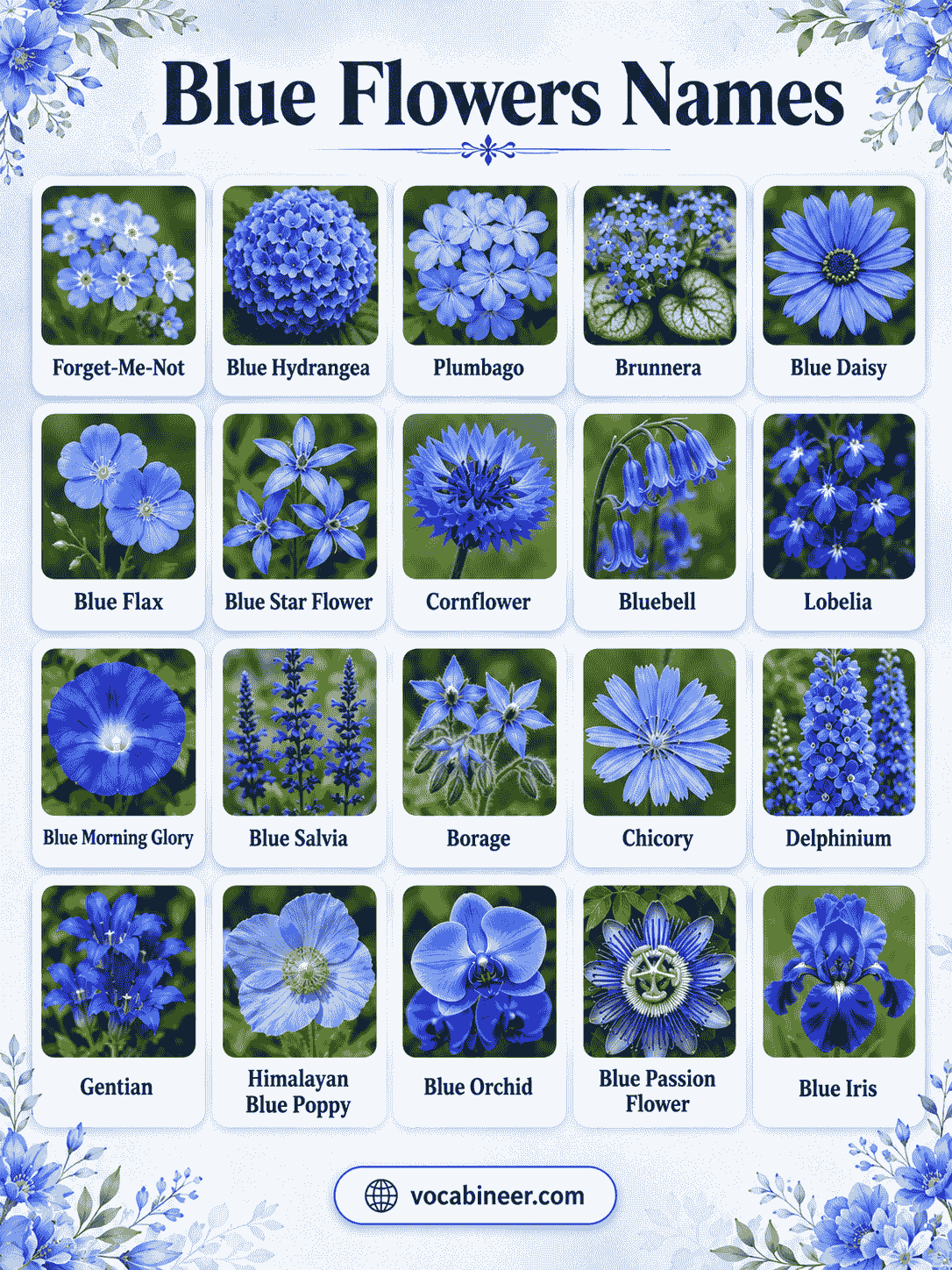
Learning Blue Flower Names with Pictures
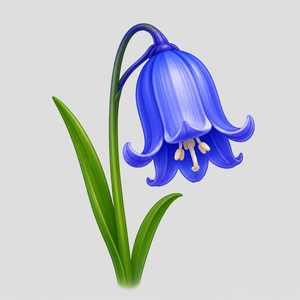
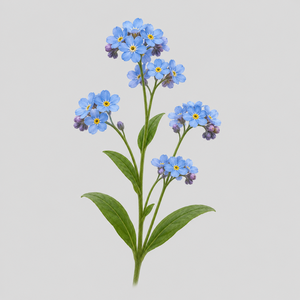
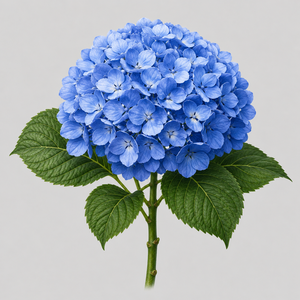
Pictures make blue flower names easier to learn because each flower has a different shape, size, shade, petal style, and bloom pattern. A bluebell has small bell-shaped flowers, while a blue hydrangea has large round flower clusters. Delphinium grows in tall flower spikes, and forget-me-not has tiny blue petals with yellow centers.
Pictures help learners notice:
- flower shape
- petal size
- shade of blue
- leaf pattern
- bloom clusters
- garden style
- wildflower look
- bouquet use
For kids and English learners, seeing the flower and its name together makes vocabulary easier to remember. Gardeners can also use pictures to identify flowers before planting or buying them.
True Blue vs Purple-Blue Flowers
Not every flower called blue is pure blue. Many blue flowers may look purple-blue, violet-blue, or lavender-blue.
| Type | Meaning | Common Look |
|---|---|---|
| True Blue Flowers | Flowers that look clearly blue | Sky-blue or deep blue |
| Purple-Blue Flowers | Flowers that look between blue and purple | Violet-blue or lavender-blue |
| Dyed Blue Flowers | Flowers colored artificially | Very bright or unnatural blue |
| Rare Blue Flowers | Naturally uncommon blue blooms | Soft, deep, or unusual blue shades |
This difference is important because many flower names use the word blue, even when the flower is not purely blue.
Blue Flowers That Are Not Truly Blue
Some flowers are called blue but may not be naturally true blue. They may look purple-blue, lavender-blue, violet-blue, or artificially colored.
| Flower Name | Accuracy Note |
|---|---|
| Blue Tulip | Usually appears purple-blue because true blue tulips are uncommon |
| Blue Lily | Often refers to blue-purple or lily-like flowers, not always true lilies |
| Blue Hibiscus | Often looks lavender-blue or purple-blue |
| Blue Orchid | Many bright blue orchids sold in shops are dyed |
| Blue Petunia | Often appears violet-blue or purple-blue |
This note helps readers choose flower names more accurately for learning, gardening, and decoration.
Blue Flower Quick Facts
This quick table helps compare popular blue flowers by shade, type, and use.
| Flower Name | Shade | Flower Type | Best Use |
|---|---|---|---|
| Bluebell | Violet-blue | Perennial | Woodland gardens |
| Forget-Me-Not | Light blue | Annual/perennial | Spring beds and borders |
| Blue Hydrangea | Light blue to deep blue | Shrub | Gardens, bouquets, weddings |
| Cornflower | Bright blue | Annual | Wildflower gardens and bouquets |
| Delphinium | Deep blue | Perennial | Tall borders and arrangements |
| Lobelia | Bright blue | Annual/perennial | Pots, baskets, and edges |
| Blue Iris | Deep blue or violet-blue | Perennial | Elegant gardens and bouquets |
| Plumbago | Soft blue | Shrub | Warm-climate gardens |
Blue Flower Names with Scientific or Genus Names
Scientific or genus names are useful for gardeners, plant lovers, and learners who want to identify flowers more accurately.
| Common Name | Scientific or Genus Name |
|---|---|
| Bluebell | Hyacinthoides non-scripta |
| Forget-Me-Not | Myosotis |
| Blue Hydrangea | Hydrangea macrophylla |
| Cornflower | Centaurea cyanus |
| Delphinium | Delphinium |
| Lobelia | Lobelia erinus |
| Blue Iris | Iris |
| Brunnera | Brunnera macrophylla |
| Borage | Borago officinalis |
| Chicory | Cichorium intybus |
Common Blue Flowers with Pictures
These common blue flowers are popular in gardens, flower pictures, bouquets, and nature guides.
- Bluebell – A woodland flower with small bell-shaped blue or violet-blue blooms.
- Forget-Me-Not – A tiny sky-blue flower with yellow centers, often linked with remembrance.
- Blue Hydrangea – A large flower with round clusters that may turn blue in acidic soil.
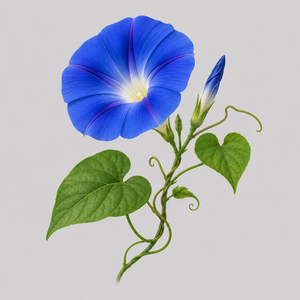
- Blue Morning Glory – A climbing flower with trumpet-shaped blooms that open in the morning.
- Cornflower – A bright blue wildflower often used in summer gardens and bouquets.
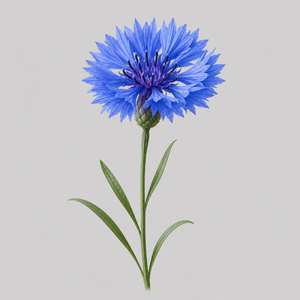
- Delphinium – A tall flower with blue spikes that adds height to garden borders.
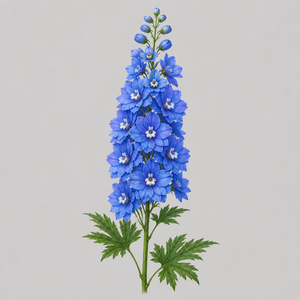
- Lobelia – A small blue flower often used in pots, hanging baskets, and garden edges.
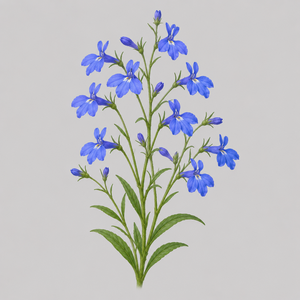
- Nigella – A delicate blue flower surrounded by fine, feathery leaves.
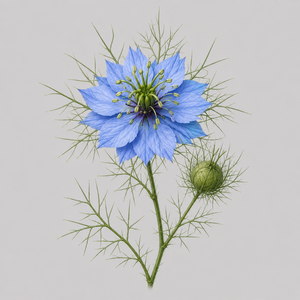
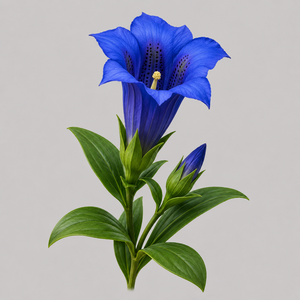
- Gentian – A deep blue flower often found in alpine or cool areas.
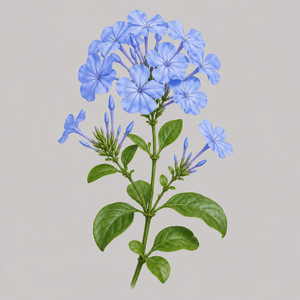
- Plumbago – A spreading plant with soft blue flower clusters.
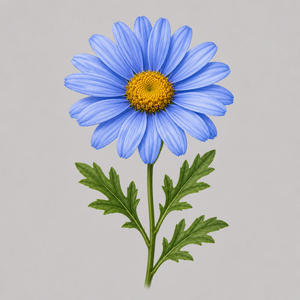
- Blue Daisy – A daisy-like flower with blue petals and a yellow center.
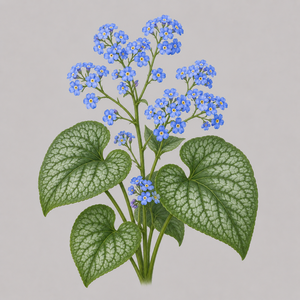
- Brunnera – A shade-loving plant with small blue flowers and heart-shaped leaves.
Blue Flower Identification Guide
You can identify blue flowers by looking at their shape, petals, bloom pattern, and growth style.
| Feature | What It Helps Identify |
|---|---|
| Bell-shaped blooms | Bluebell |
| Tiny blue petals with yellow centers | Forget-Me-Not |
| Large round flower clusters | Blue Hydrangea |
| Tall flower spikes | Delphinium |
| Trumpet-shaped blooms | Blue Morning Glory |
| Feathery leaves around petals | Nigella |
| Deep trumpet-shaped flowers | Gentian |
| Exotic layered petals | Blue Passion Flower |
| Small trailing blooms | Lobelia |
| Soft shrub-like clusters | Plumbago |
This guide is useful when looking at blue flowers in gardens, flower shops, bouquets, parks, or educational pictures.
Commonly Confused Blue Flowers
Some blue flowers look similar or have names that people often confuse.
| Flower Pair | Main Difference |
|---|---|
| Bluebell vs Grape Hyacinth | Bluebell has bell-shaped flowers; Grape Hyacinth has tight grape-like clusters |
| Forget-Me-Not vs Brunnera | Forget-Me-Not is smaller; Brunnera has larger heart-shaped leaves |
| Cornflower vs Bachelor’s Button | These names often refer to the same flower |
| Blue Iris vs Blue Orchid | Iris has sword-like leaves; orchids have exotic layered blooms |
| Lobelia vs Blue Salvia | Lobelia is low and trailing; Blue Salvia grows upright flower spikes |
Blue Flowers by Shade
Blue flowers come in different shades. Some look pale and soft, while others look bright, rich, or deep.
Light Blue Flowers
- Forget-Me-Not
- Blue Hydrangea
- Plumbago
- Brunnera
- Blue Daisy
- Blue Flax
- Blue Star Flower
Light blue flowers create a soft, peaceful, and gentle look. They are good for spring gardens, calm decorations, and delicate bouquets.
Bright Blue Flowers
- Cornflower
- Bluebell
- Lobelia
- Blue Morning Glory
- Blue Salvia
- Borage
- Chicory
Bright blue flowers look fresh and cheerful. They are useful for summer beds, garden borders, and colorful flower arrangements.
Deep Blue Flowers
- Delphinium
- Gentian
- Himalayan Blue Poppy
- Blue Orchid
- Blue Passion Flower
- Blue Iris
- Blue Veronica
Deep blue flowers look bold, rich, and elegant. They work well in formal bouquets, dramatic garden accents, and striking flower displays.
Light Blue vs Bright Blue vs Deep Blue Flowers
Different blue shades create different moods in gardens, bouquets, and decorations.
| Shade Type | Look | Best Use |
|---|---|---|
| Light Blue | Soft, pale, and pastel | Calm gardens, spring designs, gentle bouquets |
| Bright Blue | Clear, vivid, and fresh | Summer beds, colorful borders, cheerful arrangements |
| Deep Blue | Rich, bold, and dramatic | Formal bouquets, accents, and striking garden displays |
Blue Flowers by Shape
Flower shape is one of the easiest ways to identify blue flowers.
| Shape | Examples |
|---|---|
| Bell-shaped flowers | Bluebell, Blue Scilla |
| Clustered flowers | Blue Hydrangea, Plumbago |
| Spike-shaped flowers | Delphinium, Blue Salvia, Blue Veronica |
| Daisy-like flowers | Blue Daisy, Blue Aster |
| Trumpet-shaped flowers | Blue Morning Glory, Gentian |
| Exotic flowers | Blue Orchid, Blue Passion Flower |
Blue Flowers for Beginners
Beginner-friendly blue flowers are easy to recognize, common in gardens, or simple to understand from pictures.
- Forget-Me-Not – Small sky-blue flowers with yellow centers.
- Cornflower – Bright blue wildflower that is easy to identify.
- Lobelia – Small blue flowers used in pots and baskets.
- Blue Daisy – Simple daisy-like flower with blue petals.
- Blue Pansy – Colorful flower that grows well in cool weather.
- Blue Petunia – Popular flower for pots and borders.
- Blue Hydrangea – Large blue clusters that are easy to recognize.
- Blue Salvia – Upright blue spikes often used in gardens.
Blue Flowers for Gardens
Blue flowers can make gardens look calm, colorful, and fresh. They pair well with white, pink, yellow, purple, and green plants.
Good blue flowers for gardens include:
- Delphinium – Tall spikes that add height and deep color.
- Cornflower – Easy-to-grow flower for summer garden beds.
- Lobelia – Low-growing flower for borders, pots, and baskets.
- Plumbago – Soft blue blooms for warm-climate gardens.
- Brunnera – Shade-friendly plant with small blue flowers.
- Forget-Me-Not – Spring flower that spreads naturally in suitable places.
- Gentian – Deep blue flower for cool or rock garden areas.
- Blue Hydrangea – Showy shrub with large blue clusters.
- Himalayan Blue Poppy – Rare flower that prefers cool climates.
- Blue Morning Glory – Climbing vine for fences, walls, and trellises.
Blue Flowers for Pots and Containers
Some blue flowers grow well in pots, balcony containers, patios, and small garden spaces.
Good choices include:
- Lobelia
- Blue Daisy
- Plumbago
- Blue Petunia
- Blue Pansy
- Forget-Me-Not
- Brunnera
- Blue Salvia
- Blue Morning Glory
- Blue Aster
Container tips:
- Use pots with drainage holes.
- Water regularly, but avoid soggy soil.
- Place sun-loving flowers in bright spots.
- Keep shade-loving flowers in cooler corners.
- Remove dry flowers to encourage fresh blooms.
- Choose compact varieties for small containers.
Blue Flowers for Sun and Shade
Different blue flowers need different growing conditions. Some prefer full sun, while others grow better in shade or cool woodland areas.
Full Sun Blue Flowers
- Cornflower
- Blue Salvia
- Blue Morning Glory
- Plumbago
- Blue Daisy
- Blue Flax
- Blue Petunia
Partial Shade Blue Flowers
- Blue Hydrangea
- Brunnera
- Forget-Me-Not
- Blue Aster
- Blue Pansy
Cool or Woodland Blue Flowers
- Bluebell
- Himalayan Blue Poppy
- Gentian
- Blue Scilla
- Blue Anemone
Annual and Perennial Blue Flowers
Blue flowers can also be grouped by how long they live. Some bloom for one season, while others return year after year.
| Type | Meaning |
|---|---|
| Annual Blue Flowers | Grow, bloom, and finish their life cycle in one season |
| Perennial Blue Flowers | Return year after year in suitable conditions |
Annual Blue Flowers
- Cornflower
- Nigella
- Lobelia
- Blue Morning Glory
- Blue Petunia
- Blue Pansy
Perennial Blue Flowers
- Bluebell
- Delphinium
- Gentian
- Brunnera
- Plumbago
- Blue Iris
- Blue Agapanthus
- Blue Phlox
- Blue Columbine
Best Blue Flowers by Use
This table helps you choose blue flowers for gardens, pots, bouquets, weddings, and wildflower spaces.
| Use | Best Blue Flowers |
|---|---|
| Gardens | Delphinium, Cornflower, Lobelia, Plumbago, Blue Hydrangea |
| Pots and Containers | Lobelia, Blue Daisy, Blue Petunia, Blue Pansy, Plumbago |
| Bouquets | Blue Hydrangea, Delphinium, Cornflower, Blue Iris, Nigella |
| Weddings | Blue Hydrangea, Delphinium, Forget-Me-Not, Blue Orchid |
| Wildflower Gardens | Bluebell, Cornflower, Forget-Me-Not, Chicory, Borage |
Blue Flowers for Weddings and Celebrations
Blue flowers are often used in weddings because they can symbolize trust, loyalty, calmness, and peace. They also look beautiful with white, cream, blush pink, silver, and gold decorations.
Popular blue flowers for weddings include:
- Blue Hydrangea – Used in centerpieces and bridal bouquets.
- Delphinium – Adds height and elegance to arrangements.
- Forget-Me-Not – Adds a soft symbol of remembrance and love.
- Blue Orchid – Adds a luxury look, though many bright blue orchids are dyed.
- Cornflower – Gives a rustic and cheerful blue touch.
- Nigella – Adds delicate texture and softness.
- Gentian – Works as a rich blue accent flower.
- Blue Iris – Adds elegance and graceful shape.
Blue Flowers for Bouquets
Blue flowers can make bouquets look fresh, calm, and unique. They can be used alone or mixed with white, yellow, pink, purple, or cream flowers.
Good blue flowers for bouquets include:
- Blue Hydrangea
- Delphinium
- Cornflower
- Forget-Me-Not
- Blue Orchid
- Nigella
- Blue Daisy
- Gentian
- Blue Iris
- Blue Aster
- Blue Veronica
- Blue Agapanthus
Bouquet tips:
- Use Blue Hydrangea for volume.
- Add Delphinium for height.
- Include Forget-Me-Not for softness.
- Choose Cornflower for bright color.
- Use Blue Orchid as a bold accent.
- Add Nigella for delicate texture.
- Mix blue flowers with white flowers for a clean look.
Blue Flowers for Pollinators
Some blue flowers attract bees, butterflies, and other pollinators. These flowers are useful for natural gardens and pollinator-friendly planting.
- Borage – Attracts bees and has star-shaped blue flowers.
- Cornflower – Useful for bees and wildflower gardens.
- Blue Salvia – Attracts bees and butterflies.
- Chicory – Supports pollinators in wild areas.
- Blue Lupine – Attracts bees and supports natural-style gardens.
- Blue Aster – Useful for late-season pollinators.
Rare Blue Flowers with Unique Shapes and Colors
Some blue flowers are rare, unusual, or harder to find than common garden flowers. They stand out because of their striking color, shape, or symbolism.
- Himalayan Blue Poppy – A famous rare flower with soft sky-blue petals.
- Blue Passion Flower – An exotic vine with layered petals and a patterned center.
- Blue Orchid – A rare-looking flower, though many bright blue orchids are dyed.
- Gentian – A rich deep blue flower often found in alpine areas.
- Blue Lotus – A water flower known for beauty and symbolism.
- Blue Hibiscus – Often appears lavender-blue or purple-blue.
- Blue Tulip – Usually appears purple-blue because true blue tulips are uncommon.
- Blue Lily – A common name for blue or blue-purple lily-like flowers.
Blue Wildflowers
Blue wildflowers grow naturally in fields, meadows, woodlands, or mountain areas. They often look simple, fresh, and beautiful.
Common blue wildflowers include:
- Bluebell
- Cornflower
- Forget-Me-Not
- Gentian
- Chicory
- Blue Flax
- Borage
- Blue Scilla
- Blue Aster
- Blue Lupine
Blue wildflowers are useful for:
- natural gardens
- meadow-style planting
- pollinator-friendly spaces
- wildflower vocabulary
- nature study for kids
Seasonal Blue Flowers
Blue flowers bloom in different seasons. Some appear in spring, while others are more common in summer, autumn, warm climates, or indoor displays.
Spring Blue Flowers
- Bluebell
- Blue Hyacinth
- Blue Iris
- Forget-Me-Not
- Blue Scilla
- Blue Anemone
Summer Blue Flowers
- Blue Hydrangea
- Blue Morning Glory
- Blue Salvia
- Delphinium
- Blue Clematis
- Cornflower
- Lobelia
Autumn Blue Flowers
- Blue Aster
- Gentian
- Blue Veronica
- Blue Pansy
- Blue Petunia
Winter and Indoor Blue Flower Options
- Blue Orchid
- Forced Blue Hyacinth
- Blue Iris in mild climates
- Blue Plumbago in warm climates
- Blue Hibiscus in warm climates
Seasonal availability may change by climate, garden zone, indoor growing conditions, and local flower supply.
Blue Flowers by Growing Difficulty
Some blue flowers are easier to grow, while others need special care or specific climates.
| Type | Meaning | Examples |
|---|---|---|
| Easy Blue Flowers | Common flowers easier to grow or find | Cornflower, Lobelia, Forget-Me-Not, Blue Pansy |
| Moderate Blue Flowers | Need more care or specific conditions | Delphinium, Blue Hydrangea, Blue Iris, Blue Salvia |
| Rare Blue Flowers | Harder to find or grow in many areas | Himalayan Blue Poppy, Blue Lotus, Gentian, Blue Orchid |
Blue Flower Care Tips
Blue flowers need the right light, water, and soil to grow well. Care needs may vary by flower type, climate, and growing place.
Helpful care tips:
- Choose flowers that match your climate and sunlight.
- Use well-draining soil for most blue flowers.
- Water regularly, but avoid soggy soil.
- Place sun-loving flowers in bright areas.
- Grow shade-loving flowers in cooler spots.
- Remove dead flowers to encourage new blooms.
- Check whether the flower is annual or perennial.
- For blue hydrangeas, soil acidity can affect flower color.
Blue Flower Meanings and Symbolism
Blue flowers often carry calm and meaningful symbolism. Their cool color makes them feel peaceful, gentle, thoughtful, and elegant.
Common blue flower meanings include:
- Peace – Blue flowers can create a calm and soft feeling.
- Trust – Blue is often linked with honesty and loyalty.
- Loyalty – Many people use blue flowers to show faithful love or friendship.
- Remembrance – Forget-Me-Not is strongly linked with memory and love.
- Mystery – Rare blue flowers can feel unusual and magical.
- Hope – Soft blue flowers can suggest comfort and emotional healing.
- Elegance – Deep blue flowers look formal and graceful in arrangements.
- Calmness – Blue flowers create a peaceful mood in gardens and bouquets.
Popular Blue Flower Meanings
| Flower | Common Meaning |
|---|---|
| Forget-Me-Not | Remembrance and lasting love |
| Blue Hydrangea | Apology, understanding, and gratitude |
| Blue Iris | Faith, hope, and wisdom |
| Cornflower | Simplicity, devotion, and hope |
| Bluebell | Humility, gratitude, and constancy |
| Blue Orchid | Rarity, beauty, and uniqueness |
| Blue Lotus | Wisdom, calmness, and spiritual meaning |
Easy Blue Flower Names for Kids
Kids can learn blue flower names more easily when the names are connected with pictures and simple descriptions.
Easy blue flower names for kids include:
- Bluebell – Looks like a small bell.
- Blue Daisy – Has petals like a daisy.
- Blue Orchid – Looks bright and fancy.
- Blue Lily – Often has a blue-purple look.
- Blue Tulip – Usually appears purple-blue.
- Blue Iris – Has large pretty petals.
- Blue Pansy – A colorful garden flower.
- Blue Hydrangea – Grows in round clusters.
- Forget-Me-Not – Small sky-blue flower.
- Cornflower – Bright blue wildflower.
- Blue Aster – Daisy-like flower.
- Blue Star Flower – Has a star-like shape.
Blue Flower Names in Sentences
Example sentences help English learners understand how flower names are used.
- The bluebell blooms in spring.
- The cornflower has bright blue petals.
- A blue hydrangea looks beautiful in a bouquet.
- Forget-me-not flowers are small and sky-blue.
- The delphinium grows in tall spikes.
- Lobelia looks pretty in hanging baskets.
- Blue iris flowers add elegance to a garden.
- Blue salvia attracts bees and butterflies.
- The blue daisy has a cheerful look.
- Plumbago grows well in warm climates.
Easy Blue Flower Names by Length
Grouping flower names by length can help kids and English learners practice vocabulary more easily.
Short Blue Flower Names
- Iris
- Flax
- Phlox
Medium Blue Flower Names
- Bluebell
- Lobelia
- Gentian
- Borage
- Chicory
Longer Blue Flower Names
- Forget-Me-Not
- Blue Hydrangea
- Blue Morning Glory
- Himalayan Blue Poppy
- Blue Passion Flower
FAQs
Blue flowers are considered rare because true blue pigments are not very common in nature. Many flowers called blue may actually look violet-blue, lavender-blue, or purple-blue.
Some easy blue flowers to grow include Forget-Me-Not, Cornflower, Lobelia, Blue Salvia, and Blue Morning Glory. These flowers are popular in gardens, containers, and borders.
Some orchids may appear blue or blue-purple, but many bright blue orchids sold in shops are dyed. Natural blue orchids are much rarer than purple, pink, or white orchids.
Blue flowers often symbolize peace, calmness, trust, loyalty, remembrance, mystery, hope, and deep emotions. Their soft color makes them popular in meaningful bouquets and decorations.
Yes, some hydrangeas can change color depending on soil conditions. In acidic soil, certain hydrangeas may turn blue, while in other soil types they may become pink, purple, or mixed shades.
Summary
Blue flowers are rare, beautiful, and meaningful. They come in many shades, including light blue, bright blue, deep blue, lavender-blue, and violet-blue. Some of the most common blue flower names include Bluebell, Forget-Me-Not, Blue Hydrangea, Cornflower, Lobelia, Delphinium, Gentian, and Blue Morning Glory.
Learning 38 blue flower names in English helps readers identify flowers by shape, shade, use, and meaning. These flowers are useful for gardens, pots, weddings, bouquets, wildflower spaces, kids’ vocabulary, and nature learning. Whether you want a calm garden, a meaningful bouquet, or a simple flower vocabulary list, blue flowers are a beautiful group to know.
Read More