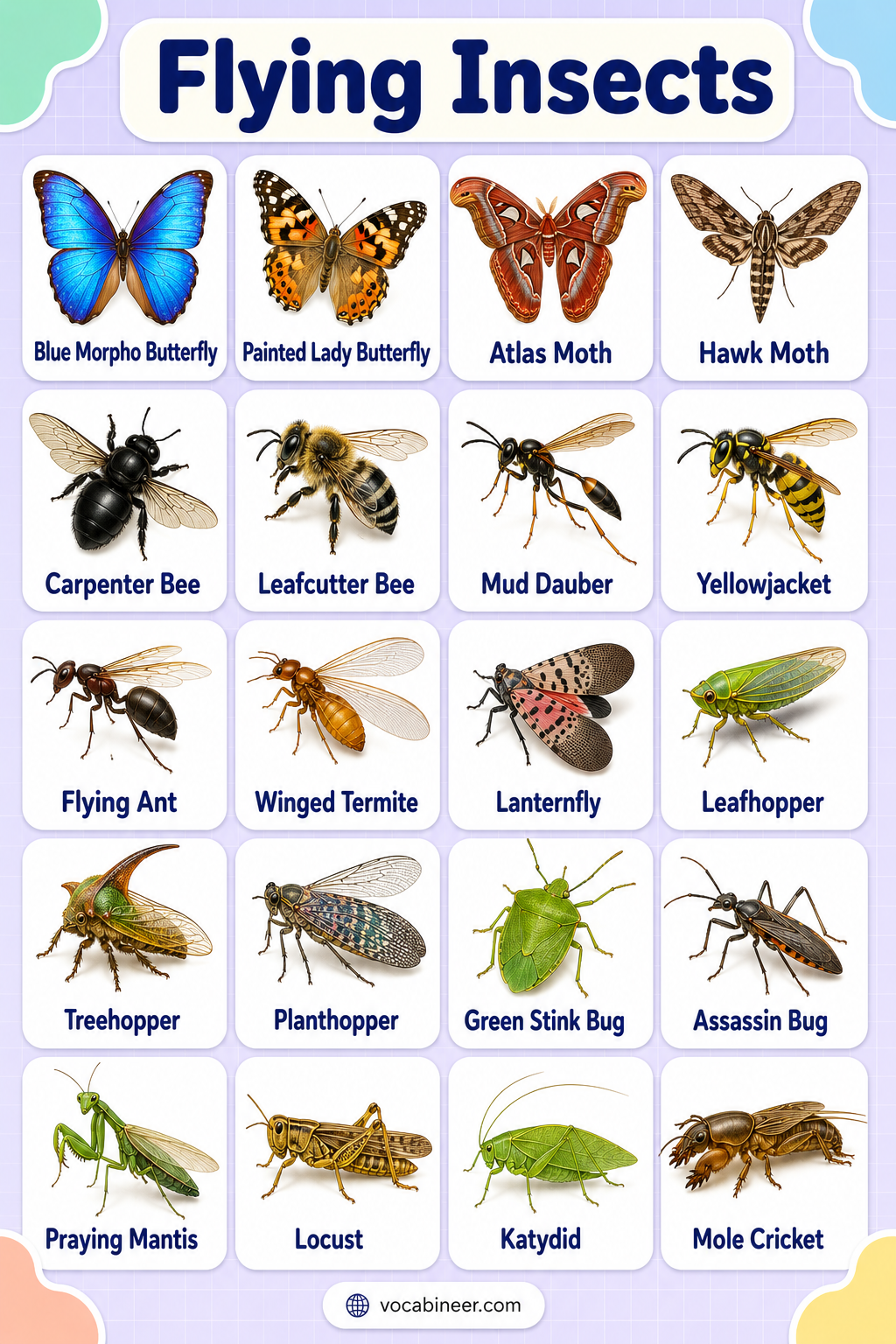
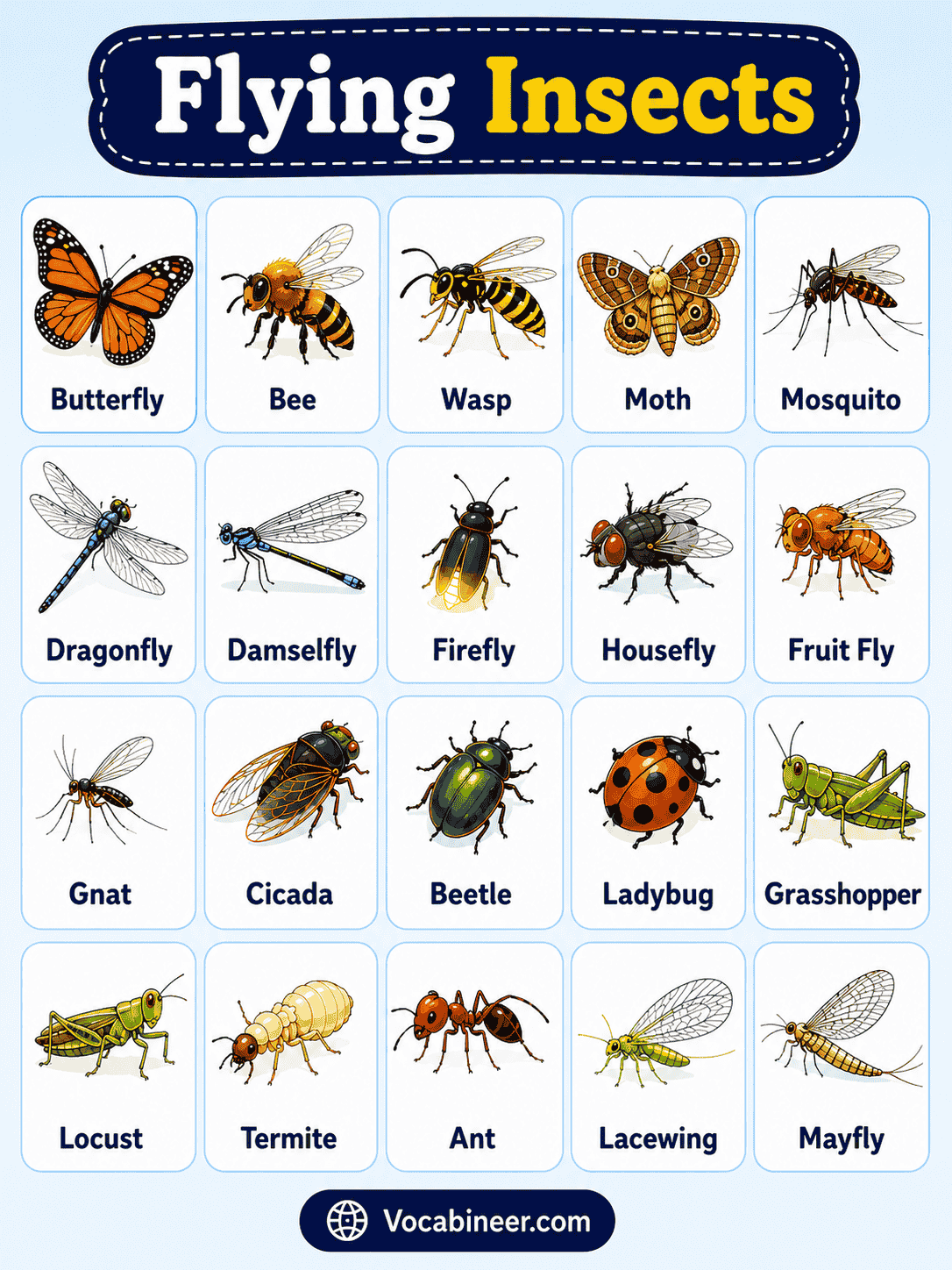
Flying insects move through the air using wings of different shapes, sizes, and patterns. Some are colorful pollinators, some are fast hunters, and others are common garden or household insects.
In this guide, you will learn the names of common flying insects, including bees, butterflies, mosquitoes, dragonflies, beetles, flies, moths, wasps, and other winged insects. These examples are useful for kids, students, English learners, and nature vocabulary practice.
In This Page
What Are Flying Insects?
Flying insects are insects that have wings and can fly for food, mating, safety, migration, or movement. Many flying insects help nature by pollinating flowers, controlling pests, or becoming food for birds and other animals.
Common flying insects include:
- Bees.
- Butterflies.
- Moths.
- Flies.
- Mosquitoes.
- Dragonflies.
- Damselflies.
- Wasps.
- Hornets.
- Beetles.
- Cicadas.
- Grasshoppers.
Some insects fly very well, like dragonflies and butterflies. However, others fly only for short distances or during special stages of life, such as winged ants and flying termites.
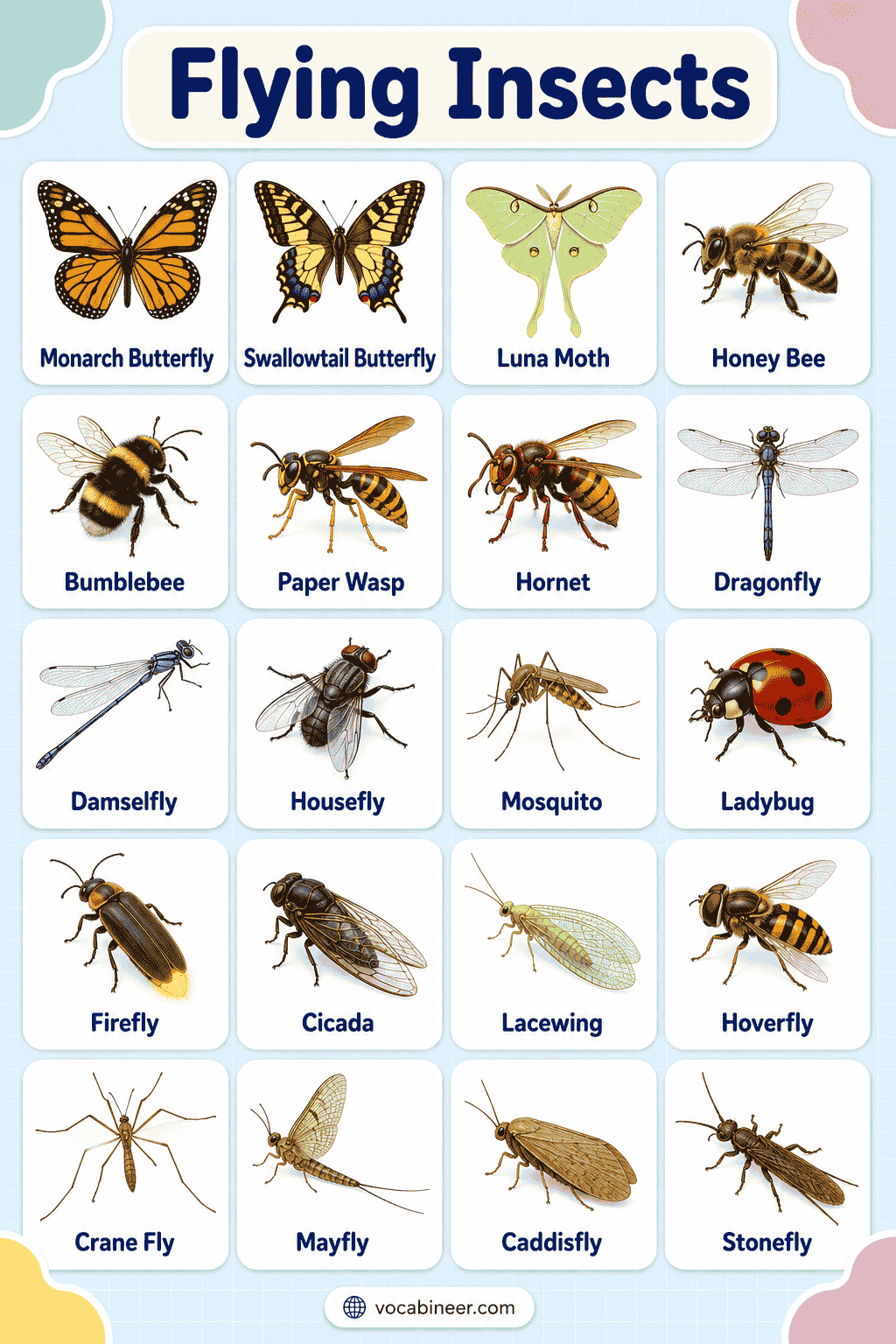
70 Flying Insects Names in English
Below is a complete list of 70 flying insects names in English:
- Housefly
- Mosquito
- Bee
- Honeybee
- Bumblebee
- Carpenter Bee
- Sweat Bee
- Leafcutter Bee
- Wasp
- Hornet
- Yellowjacket
- Butterfly
- Monarch Butterfly
- Swallowtail Butterfly
- Painted Lady
- Blue Morpho
- Cabbage White
- Admiral Butterfly
- Skipper
- Moth
- Luna Moth
- Atlas Moth
- Hawk Moth
- Tiger Moth
- Silkworm Moth
- Dragonfly
- Red Dragonfly
- Blue Dasher
- Green Darner
- Damselfly
- Ebony Jewelwing
- Broad-Winged Damselfly
- Ladybug
- Firefly
- Japanese Beetle
- June Beetle
- Scarab Beetle
- Click Beetle
- Soldier Beetle
- Cicada
- Mayfly
- Caddisfly
- Stonefly
- Alderfly
- Dobsonfly
- Fruit Fly
- Whitefly
- Sandfly
- Horsefly
- Deer Fly
- Botfly
- Tsetse Fly
- Crane Fly
- Hoverfly
- Blowfly
- Flesh Fly
- House Moth
- Clothes Moth
- Grasshopper
- Locust
- Mole Cricket
- Winged Ant
- Flying Termite
- Lacewing
- Mantidfly
- Scorpionfly
- Thrips
- Fungus Gnat
- Gall Midge
- Leafhopper
Note: Some insects in this list fly strongly, while others fly only short distances or during certain life stages.
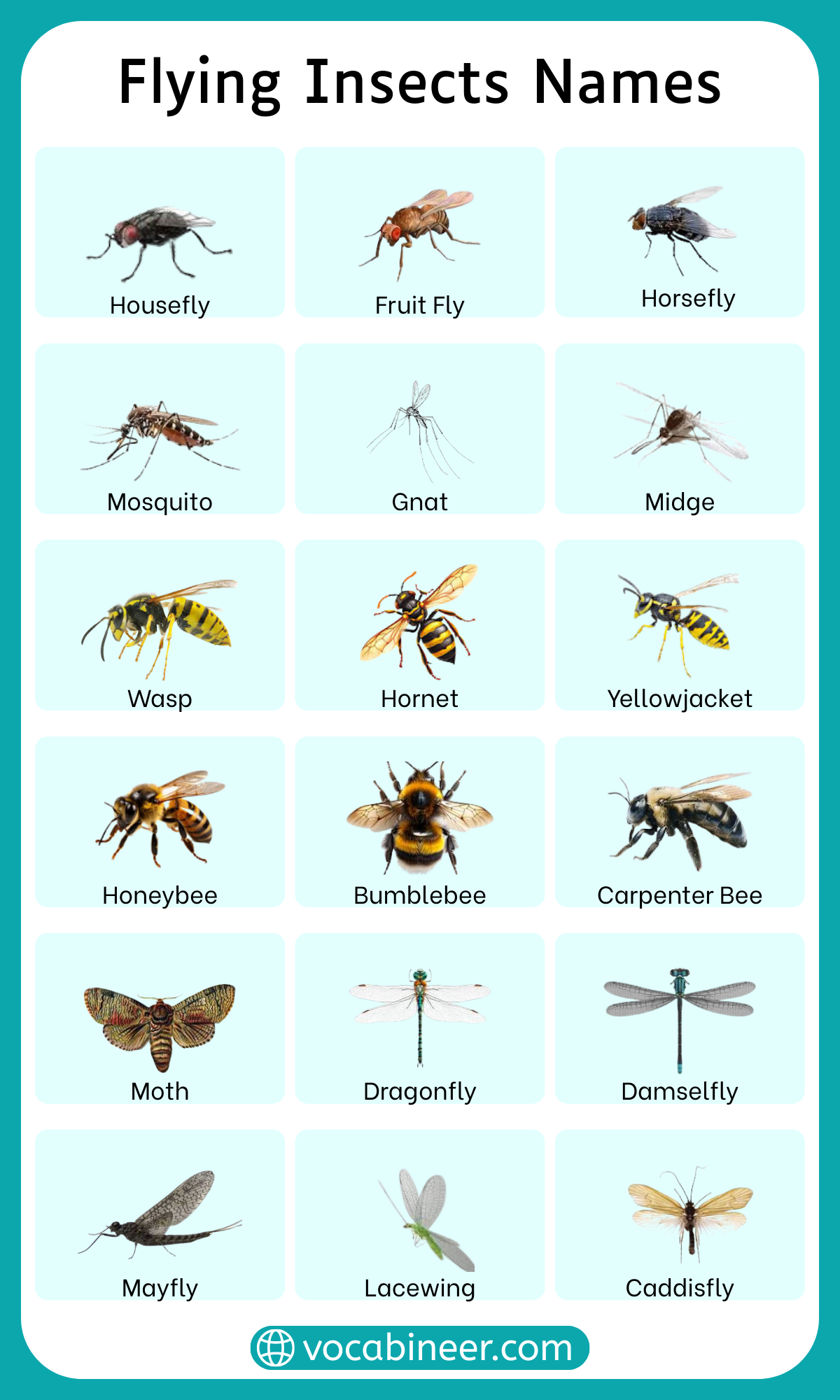
Learning Flying Insects with Pictures
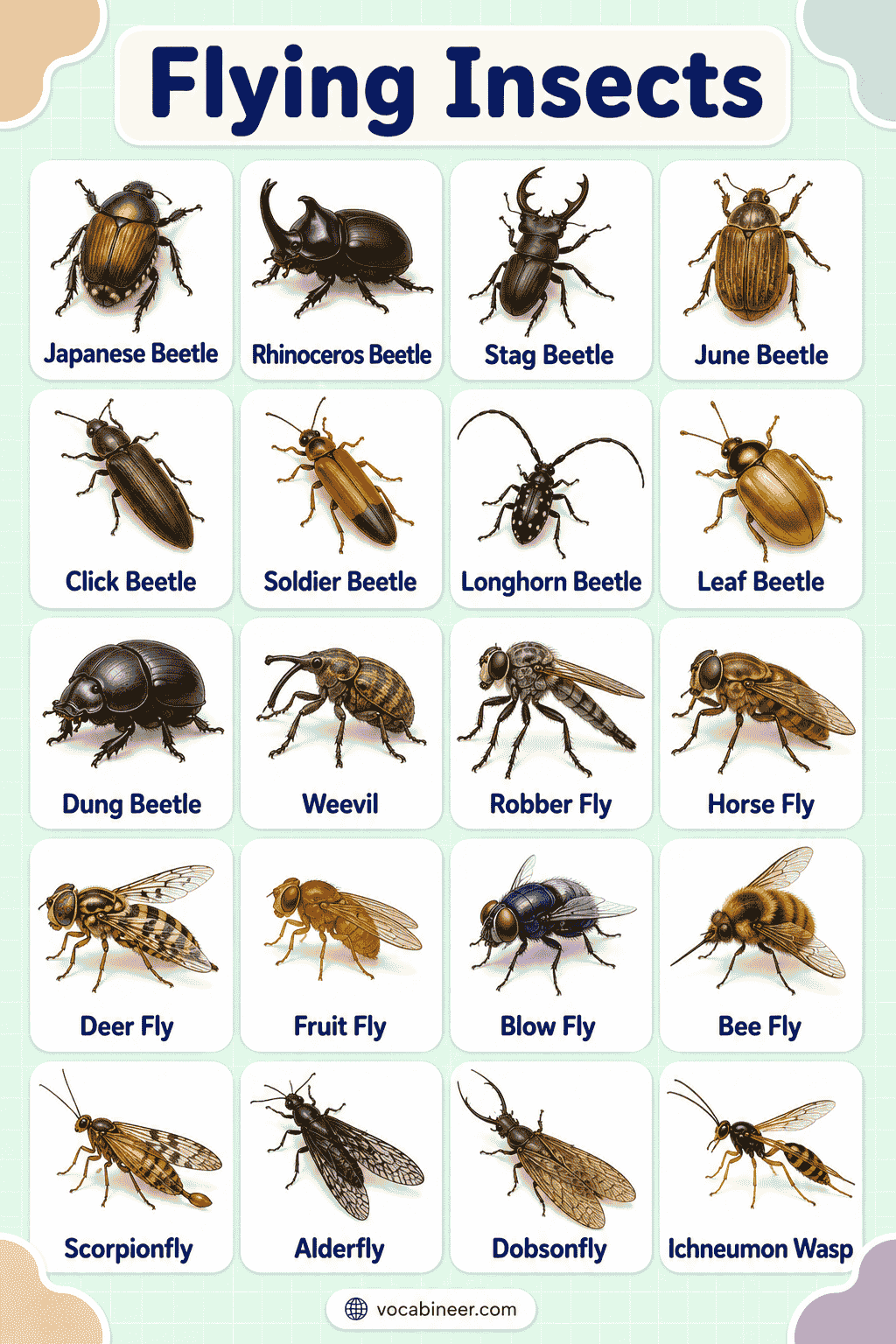
Pictures make flying insects easier to recognize because each insect has a different body shape, wing style, color, and movement. For example, butterflies have colorful wings, dragonflies have long bodies and large eyes, and mosquitoes have thin bodies with narrow wings.
Pictures help learners notice:
- Wing shape.
- Body size.
- Body color.
- Antennae.
- Eye size.
- Leg shape.
- Flight pattern.
- Where the insect is found.
This is why flying insects with pictures are helpful for kids, students, teachers, English learners, and nature vocabulary lessons.
Common Flying Insect Names
These flying insects are commonly seen in homes, gardens, fields, and outdoor areas.
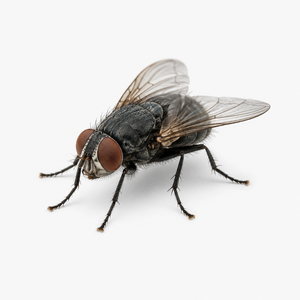
- Housefly — A common fly often found near food, waste, and homes.
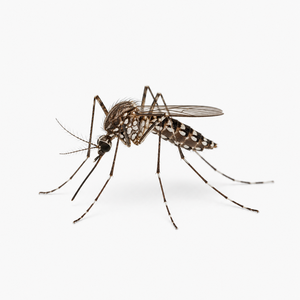
- Mosquito — A thin-bodied flying insect that can bite humans and animals.
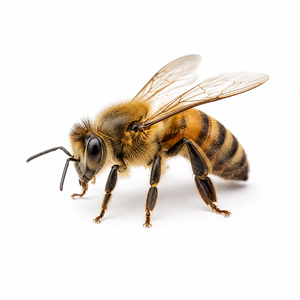
- Bee — A pollinating insect that helps flowers and crops grow.
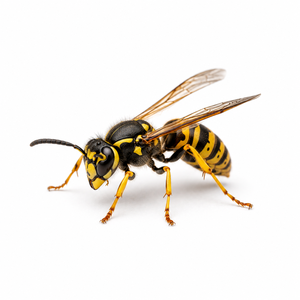
- Wasp — A slim flying insect that may sting when disturbed.
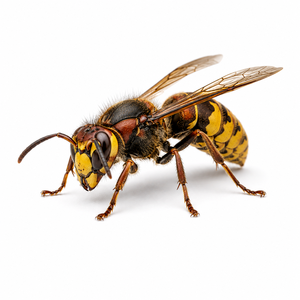
- Hornet — A large type of wasp with a strong sting.
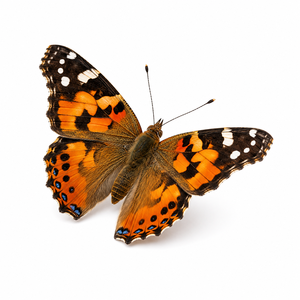
- Butterfly — A colorful insect with wide wings covered in tiny scales.
- Moth — An insect similar to a butterfly, often active at night.
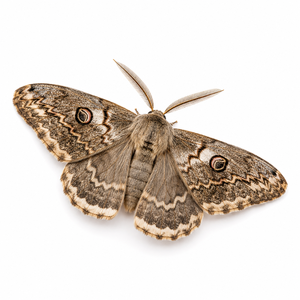
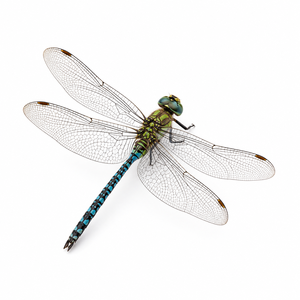
- Dragonfly — A fast-flying insect with large eyes and a long body.
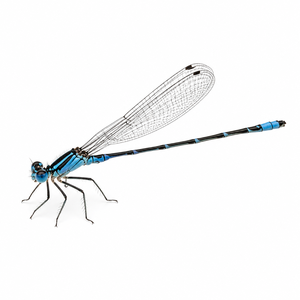
- Damselfly — A slender insect related to dragonflies, often found near water.
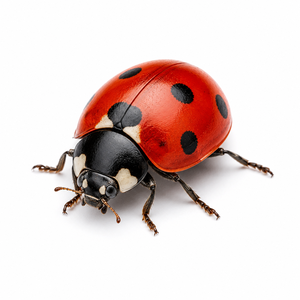
- Ladybug — A small flying beetle, often red with black spots.
- Firefly — A glowing beetle often seen at night.
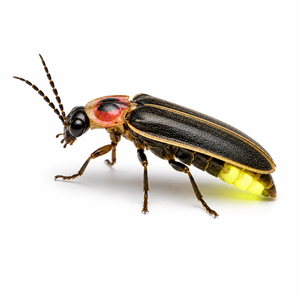
- Cicada — A flying insect known for loud summer sounds.
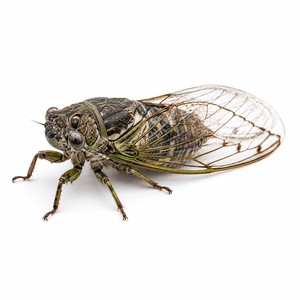
- Grasshopper — A jumping insect that can also fly short distances.
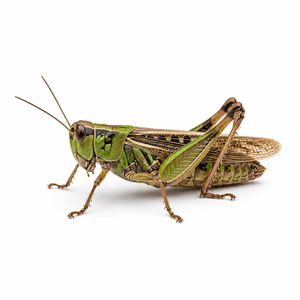
- Locust — A type of grasshopper that can form large flying swarms.
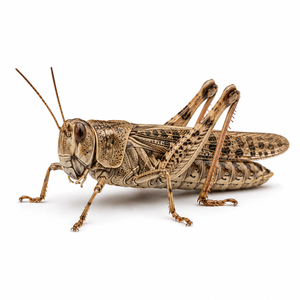
- Mayfly — A delicate insect with a very short adult life.
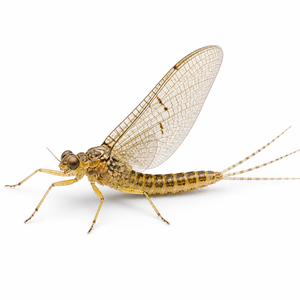
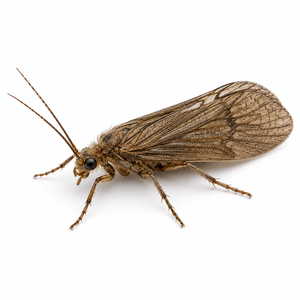
- Caddisfly — A flying insect often found near water.
Flying Insect Identification Guide
You can identify flying insects by looking at their wings, body shape, color, sound, behavior, and habitat.
| Feature | Possible Flying Insect |
|---|---|
| Colorful scaled wings | Butterfly |
| Large eyes and long body | Dragonfly |
| Thin body and narrow wings | Mosquito |
| Glowing body at night | Firefly |
| Yellow-black body and sting | Bee, wasp, hornet |
| Fuzzy body near flowers | Bumblebee |
| Small insect near fruit | Fruit fly |
| Metallic green body | Japanese beetle |
| Loud summer sound | Cicada |
| Short adult life near water | Mayfly |
| Long legs and mosquito-like body | Crane fly |
| White insects on plant leaves | Whitefly |
This guide helps learners recognize flying insects in pictures, gardens, homes, and outdoor places.
Pollinator Insects
Pollinator insects carry pollen from flower to flower. This helps plants make seeds, fruits, and new plants.
Common pollinator insects include:
- Honeybee — A social bee that lives in hives, makes honey, and pollinates many plants.
- Bumblebee — A large fuzzy bee that pollinates flowers and makes a loud buzzing sound.
- Carpenter Bee — A bee that may make nests in wood.
- Sweat Bee — A small bee, sometimes metallic-colored, often seen near flowers.
- Leafcutter Bee — A bee that cuts pieces of leaves to build nests.
- Butterfly — A colorful insect that visits flowers for nectar.
- Moth — A pollinator often active in the evening or at night.
- Hoverfly — A fly that looks similar to a small bee or wasp and visits flowers.
Pollinators are important because many plants depend on insects to grow fruits, vegetables, and seeds.
Butterflies and Moths
Butterflies and moths have wings covered in tiny scales. Most butterflies are active during the day, while many moths fly at night. These insects are often seen around flowers, garden plants, lights, and trees.
Butterflies
- Monarch Butterfly — An orange and black butterfly famous for long migration.
- Swallowtail Butterfly — A large butterfly with colorful wings and tail-like wing tips.
- Painted Lady — A common butterfly with orange, black, and white patterns.
- Blue Morpho — A tropical butterfly known for bright blue wings.
- Cabbage White — A small white butterfly often seen in gardens.
- Admiral Butterfly — A dark butterfly with red or white wing markings.
- Skipper — A small butterfly that flies quickly with short, jerky movements.
Moths
- Luna Moth — A large pale green moth with long tails.
- Atlas Moth — One of the largest moths, known for wide patterned wings.
- Hawk Moth — A fast-flying moth that can hover near flowers.
- Tiger Moth — A moth with bright warning colors or patterns.
- Silkworm Moth — A moth connected with silk production.
- Clothes Moth — A small moth whose larvae can damage fabric.
- House Moth — A moth sometimes found inside homes.
Dragonflies and Damselflies
Dragonflies and damselflies are flying insects often found near ponds, lakes, rivers, and wetlands. Their young live in water, so adults are usually seen close to watery places.
- Dragonfly — A fast insect with a long body, strong wings, and large eyes.
- Red Dragonfly — A dragonfly with red coloring, often seen near wetlands.
- Blue Dasher — A small blue dragonfly found around ponds.
- Green Darner — A large dragonfly that can migrate long distances.
- Damselfly — A slender insect related to dragonflies.
- Ebony Jewelwing — A shiny damselfly with dark wings and a metallic body.
- Broad-Winged Damselfly — A damselfly with wider, colorful wings.
Dragonflies are skilled hunters. They often catch mosquitoes and other small flying insects.
Flying Beetles
Many beetles have hard outer wing covers and hidden flying wings underneath. Some beetles fly during the day, while others are active at night.
- Ladybug — A small beetle that can fly and often eats plant pests like aphids.
- Firefly — A beetle that produces natural light at night.
- Japanese Beetle — A shiny green beetle that can damage leaves and flowers.
- June Beetle — A brown beetle often active on warm summer nights.
- Scarab Beetle — A strong beetle group, often linked with rolling dung balls.
- Click Beetle — A beetle that can make a clicking sound when flipping itself upright.
- Soldier Beetle — A beetle often seen on flowers.
Note: Fireflies are beetles, not true flies. Ladybugs are also beetles, even though their name includes “bug.”
Biting and Stinging Flying Insects
Some flying insects bite to feed, while others sting to defend themselves. Not all flying insects bite or sting.
Biting flying insects
- Mosquito — Bites humans and animals to feed on blood.
- Horsefly — A large biting fly with a painful bite.
- Deer Fly — A smaller biting fly often found near water or woods.
- Sandfly — A tiny biting fly found in some warm regions.
- Tsetse Fly — An African fly known for spreading sleeping sickness.
- Botfly — A fly known for laying larvae on animals.
Stinging flying insects
- Bee — Can sting when threatened.
- Wasp — Often stings when disturbed.
- Hornet — A large wasp with a painful sting.
- Yellowjacket — A wasp that may become aggressive near food or nests.
These insects should not be disturbed, especially near nests or breeding areas.
Seasonal Flying Insects
Some flying insects appear more often during certain seasons. Their activity depends on weather, temperature, food, and life cycle.
- Cicada — Often heard in warm months because of its loud buzzing sound.
- Mayfly — Common near water in spring and early summer.
- June Beetle — Often appears on warm summer nights.
- Grasshopper — Common in warm seasons and fields.
- Locust — May form swarms in certain conditions.
- Mole Cricket — Can fly during warm seasons and often makes sounds at night.
- Firefly — Often seen glowing during warm evenings.
- Mosquito — More common in warm, wet weather.
Seasonal flying insects may appear at different times depending on climate and local environment.
Insects with “Fly” in the Name
Some insects have “fly” in their names. However, not all of them are true flies in scientific classification.
- Housefly — A true fly commonly found near homes.
- Fruit Fly — A tiny fly often found near ripe fruit.
- Whitefly — A small plant pest that looks like a tiny white flying insect.
- Horsefly — A biting fly often found near animals.
- Deer Fly — A biting fly often found near wetlands and wooded areas.
- Sandfly — A small biting fly.
- Tsetse Fly — A blood-feeding fly found in parts of Africa.
- Crane Fly — A long-legged fly that looks like a large mosquito.
- Hoverfly — A fly that often looks like a small bee or wasp.
- Mayfly — Not a true fly, but a delicate flying insect near water.
- Caddisfly — Not a true fly, usually found near rivers and streams.
- Stonefly — Not a true fly, often found near clean water.
- Dobsonfly — Not a true fly, known for its large body and jaws.
- Firefly — Not a true fly; it is a beetle.
True Flies vs Other Flying Insects
The word “fly” can be confusing because many insects fly, but not all are true flies.
| Group | Meaning | Examples |
|---|---|---|
| True flies | Insects from the fly group with one main pair of wings | Housefly, mosquito, fruit fly, horsefly |
| Other flying insects | Insects that fly but are not true flies | Butterfly, bee, wasp, dragonfly, beetle |
| Common-name confusion | Some insects have “fly” in the name but are not true flies | Firefly, mayfly, caddisfly |
This difference helps learners understand insect names more accurately.
Flying Insects by Habitat
Flying insects live in many different places. Some prefer flowers, some stay near water, and others enter homes.
| Habitat | Common Flying Insects |
|---|---|
| Gardens | Bees, butterflies, ladybugs, hoverflies |
| Near water | Dragonflies, damselflies, mosquitoes, mayflies |
| Forests | Moths, beetles, cicadas, fireflies |
| Fields | Grasshoppers, locusts, butterflies, bees |
| Homes | Houseflies, mosquitoes, moths, fruit flies |
| Wetlands | Deer flies, horseflies, dragonflies, mosquitoes |
Habitat clues are useful when identifying flying insects in pictures or outdoors.
Helpful vs Harmful Flying Insects
Flying insects can be helpful, harmful, or both, depending on their role in nature and their effect on people.
| Type | What They Do | Examples |
|---|---|---|
| Helpful flying insects | Pollinate plants or control pests | Bees, butterflies, dragonflies, ladybugs |
| Harmful flying insects | Bite, sting, damage crops, or spread disease | Mosquitoes, horseflies, locusts, Japanese beetles |
| Mixed-role insects | Help ecosystems but may annoy or harm people | Wasps, flies, beetles |
Many insects that seem annoying still have a role in nature. For example, flies help break down waste, and wasps can control some pest insects.
Flying Insects vs Non-Flying Insects
Some insects can fly, while others cannot. This comparison helps learners understand the difference.
| Feature | Flying Insects | Non-Flying Insects |
|---|---|---|
| Movement | Use wings to fly | Crawl, jump, or climb |
| Body feature | Usually have working wings | May have no wings or unusable wings |
| Examples | Bee, butterfly, mosquito, dragonfly | Flea, louse, silverfish |
| Learning purpose | Helps identify winged insects | Helps compare insects without flight |
Some insects may have wings only during a short stage of life.
Insects That Do Not Fly
These insects are included for comparison because learners often confuse flying and non-flying insects.
- Flea — A jumping insect without wings.
- Louse — A wingless parasite that lives on people or animals.
- Silverfish — A small silver insect without wings.
- Worker Ant — Most worker ants do not fly.
- Worker Termite — Most worker termites do not fly.
Important notes:
- Most worker ants do not fly, but winged ants appear during mating season.
- Only some adult termites grow wings, usually during swarming.
- Many grasshoppers can fly short distances, but they are mostly known for jumping.
Easy Flying Insect Names for Kids
Kids can learn flying insect names more easily with simple examples and pictures.
Easy flying insect names for kids include:
- Bee
- Butterfly
- Moth
- Fly
- Mosquito
- Dragonfly
- Ladybug
- Firefly
- Wasp
- Grasshopper
- Beetle
- Cicada
Simple examples for kids:
- A bee makes honey.
- A butterfly has colorful wings.
- A firefly glows at night.
- A dragonfly flies fast near water.
- A mosquito can bite.
- A ladybug is a small flying beetle.
- A moth often flies at night.
Interesting Facts About Flying Insects
Flying insects have many surprising features.
- Dragonflies are very fast flyers. Some can fly quickly, hover, and change direction with great control.
- Fireflies make natural light. They glow through a process called bioluminescence.
- Atlas moths have very wide wings. They are among the largest moths in the world.
- Bees help plants grow. They pollinate flowers, fruits, and crops.
- Yellow and black colors can be warning signs. Bees, wasps, and hornets often use these colors to warn predators.
- Mayflies live briefly as adults. Many adult mayflies live only a short time.
- Dragonflies eat mosquitoes. They help control some small flying insects.
FAQs
Moths, mosquitoes, and fireflies are most active after dark. Moths move toward light, mosquitoes feed on blood, and fireflies glow to find mates. Darkness helps these insects feed and survive safely.
Dragonflies are among the fastest flying insects, reaching speeds of 30–35 miles per hour. Their strong wings let them hover, move backward, and chase prey in flight, making them skilled hunters and quick escape artists.
Flying insects pollinate plants, recycle waste, and control pests. Bees and butterflies carry pollen, wasps and dragonflies eat harmful insects, and flies break down decaying matter. Without them, ecosystems and crops would struggle greatly.
Mosquitoes, horseflies, deer flies, and sandflies bite humans. Mosquitoes drink blood and may spread disease, while the others cause painful bites. Not every flying insect bites, but those that do can cause irritation.
Fear of insects is called entomophobia. When it focuses on winged insects, it is known as pteronarcophobia. People with this fear often feel anxious or panicked when insects fly close to them.
Summary
Flying insects include many familiar insects such as bees, butterflies, moths, mosquitoes, dragonflies, damselflies, flies, wasps, hornets, beetles, cicadas, and grasshoppers. Some help plants by pollinating flowers, while others hunt small pests, bite, sting, glow at night, or appear near homes and gardens.
Learning common flying insect names helps kids, students, teachers, and English learners recognize insects more easily in pictures, outdoor spaces, gardens, fields, and nature lessons.
Read More
- Animals Name in English
- Domestic Animals Names
- Farm Animals Name
- Crawling Animals Name
- Wild Animals Name in English
- 100+ Insects Names in English
- Pet Animals Name List