

Cars come in many shapes, sizes, and styles. Some cars are small and easy to drive in the city, while others are large, powerful, and useful for families, travel, cargo, or rough roads. Learning the different types of cars helps you understand car vocabulary, compare vehicles, and describe car body styles more clearly.
In this guide, you will learn common car types in English, including sedans, hatchbacks, SUVs, crossovers, coupes, convertibles, wagons, minivans, pickup trucks, sports cars, electric cars, hybrid cars, and more. You can also use pictures beside each car name to recognize body shape, doors, roofline, trunk, height, and cargo space more easily.
In This Page
What Are Car Types?
Car types are groups of cars based on their shape, size, design, purpose, or power source. For example, a sedan usually has four doors and a separate trunk, while a hatchback has a rear door that opens upward. Similarly, an SUV is taller and often has more ground clearance, while a sports car focuses on speed and performance.
Many people use types of cars and types of vehicles in a similar way. However, vehicles can also include buses, vans, trucks, taxis, police cars, ambulances, and fire trucks. In this article, the main focus stays on common car body styles, car names with pictures, and useful vehicle vocabulary for learners.
Common Types of Cars Names List
This list includes car body styles, size groups, power types, use-based car names, and common vehicle names often learned with car vocabulary.
- Sedan
- Hatchback
- SUV
- Crossover
- Coupe
- Convertible
- Wagon
- Station Wagon
- Minivan
- Pickup Truck
- Sports Car
- Luxury Car
- Electric Car
- Hybrid Car
- Plug-in Hybrid Car
- Gasoline Car
- Diesel Car
- Hydrogen Fuel Cell Car
- City Car
- Compact Car
- Subcompact Car
- Midsize Car
- Full-Size Car
- Microcar
- Roadster
- Supercar
- Muscle Car
- Off-Road Vehicle
- 4×4 Vehicle
- Commercial Van
- Cargo Van
- Passenger Van
- Limousine
- Family Car
- Police Car
- Taxi
- Ambulance
- Fire Truck
- Delivery Van
- Self-Driving Car
- Concept Car

Types of Cars Chart
A car types chart helps you understand how car names are grouped. Some names describe shape, while others describe size, use, or power source.
| Category | What It Means |
|---|---|
| Body Styles | Car names based on shape and design |
| Size Types | Car names based on small, medium, or large size |
| Use Types | Car names based on purpose or daily use |
| Power Types | Car names based on fuel or energy source |
| Service Vehicles | Vehicles used for public service or work |
| Modern Types | Newer car names based on technology and design |
Popular Car Body Styles with Pictures
Car body style means the outside shape and design of a vehicle. Pictures make these car types easier to understand because each body style has a different look.
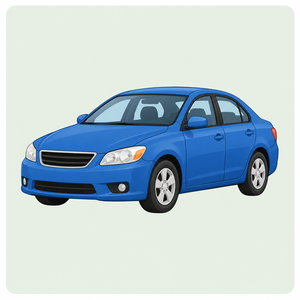
- Sedan — A four-door car with a separate trunk, often used for daily driving.
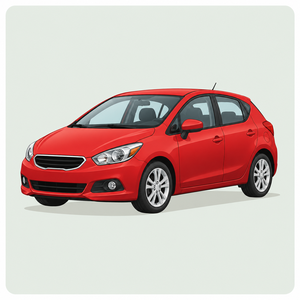
- Hatchback — A compact car with a rear hatch door and flexible cargo space.
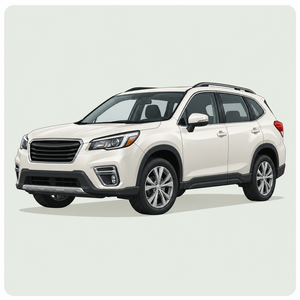
- SUV — A taller vehicle with more space, higher ground clearance, and a strong road presence.
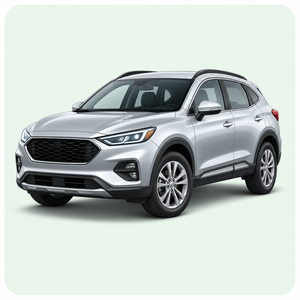
- Crossover — A car-like SUV that is comfortable, practical, and easy to drive.
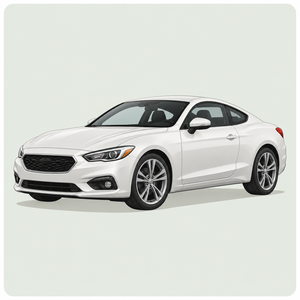
- Coupe — A stylish car, often with two doors and a sporty roofline.
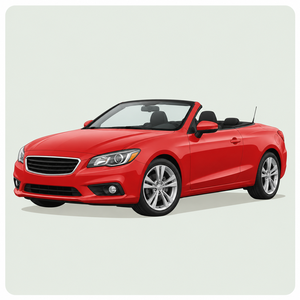
- Convertible — A car with a roof that can open or fold down.
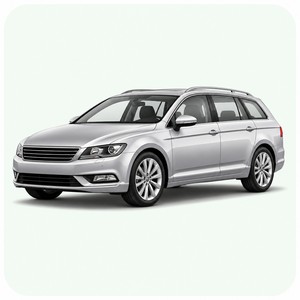
- Wagon — A car with a long roof and extra cargo space behind the rear seats.
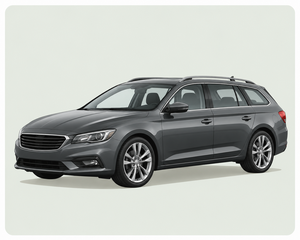
- Station Wagon — Another name for a wagon, often used for long-roof family cars.
- Minivan — A family vehicle with sliding doors and lots of passenger space.
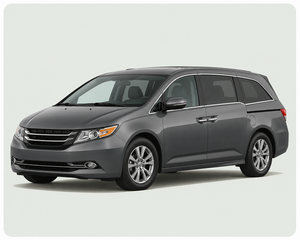
- Pickup Truck — A vehicle with a cabin in front and an open cargo bed at the back.
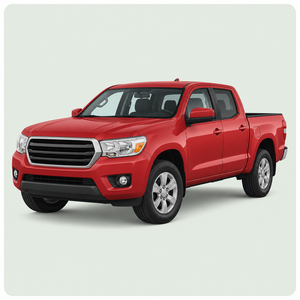
- Sports Car — A performance-focused car built for speed, handling, and style.
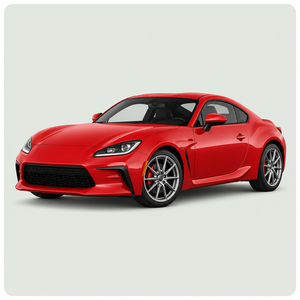
- Roadster — A small sporty car, usually with two seats and an open-top design.
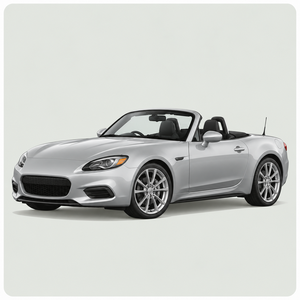
- Supercar — A high-performance car known for extreme speed, power, and luxury design.
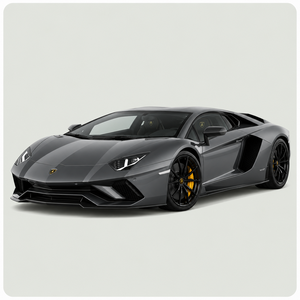
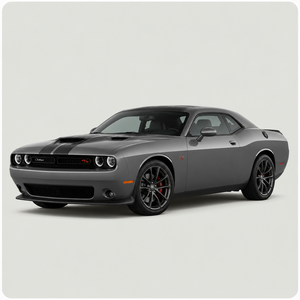
- Muscle Car — A powerful car with strong acceleration and a sporty, bold look.
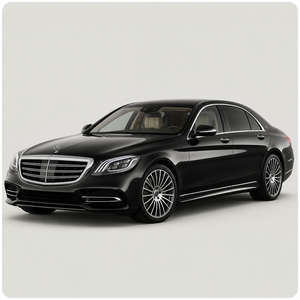
- Luxury Car — A premium car focused on comfort, advanced features, and stylish design.
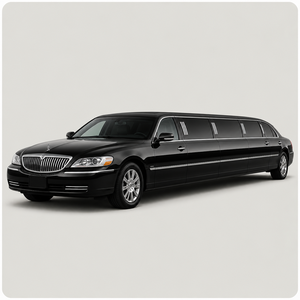
- Limousine — A long luxury car often used for formal events or special travel.
- City Car — A small car designed for easy parking and short urban trips.
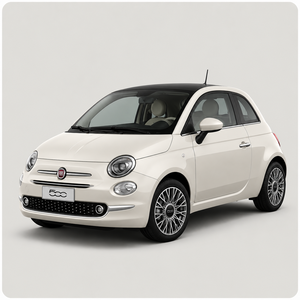
- Microcar — A very small car made for tight spaces and short-distance driving.
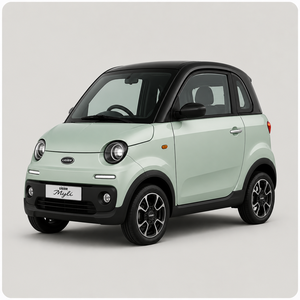
- Compact Car — A small practical car used for daily driving and easy handling.
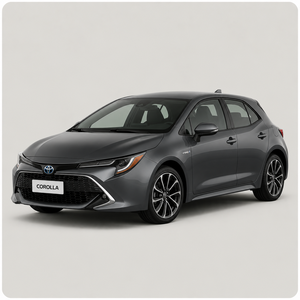
- Off-Road Vehicle — A strong vehicle built for rough roads, mud, sand, and outdoor travel.
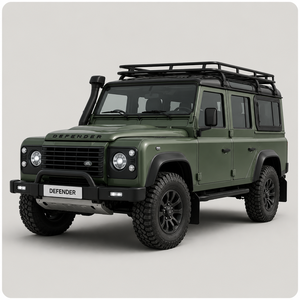
- 4×4 Vehicle — A vehicle with four-wheel drive, often used for rough roads and adventure trips.
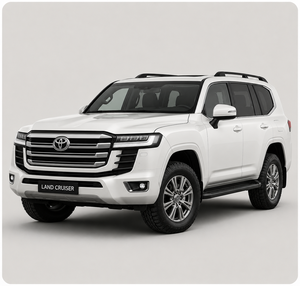
- Electric Car — A car powered by a battery and electric motor instead of a fuel engine.
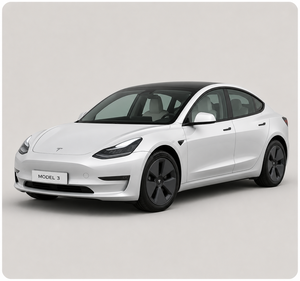
- Hybrid Car — A car that uses both a fuel engine and an electric motor.
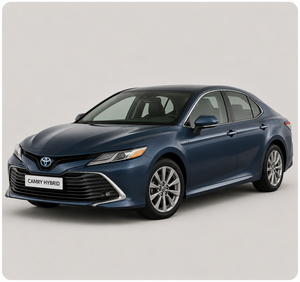
- Cargo Van — A van used for carrying goods, tools, or delivery items.
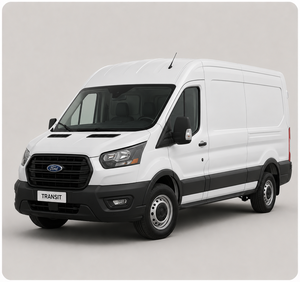
- Passenger Van — A van designed to carry more passengers than a regular car.
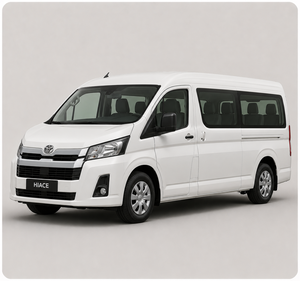
- Family Car — A practical car chosen for comfort, safety, seats, and daily family travel.
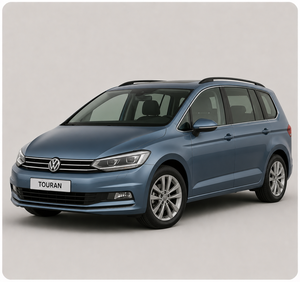
- Police Car — A service vehicle used by police for patrol and emergency response.
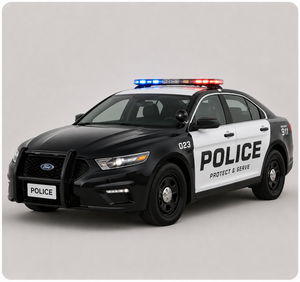
- Ambulance — An emergency vehicle used to carry sick or injured people.

Car Body Type vs Car Segment
Car body type and car segment are related, but they are not the same. A body type describes the shape of the car, while a segment usually describes size or market class.
| Term | Meaning | Examples |
|---|---|---|
| Body Type | The shape and design of the vehicle | Sedan, SUV, hatchback |
| Segment | The size or market class of the vehicle | Compact, midsize, full-size |
| Use Type | The main purpose of the vehicle | Family car, city car, off-road car |
| Power Type | The fuel or energy source | Electric car, hybrid car, diesel car |
For example, a sedan can be compact, midsize, full-size, luxury, or electric. So, sedan tells you the body style, while compact or luxury tells you more about its size or class.
Types of Cars by Size
Cars can also be grouped by size. This helps learners understand how much passenger room, cargo space, and road presence a car usually has.
- Microcar — A very small car made for short city trips.
- City Car — A small car designed for easy parking and urban driving.
- Subcompact Car — A small car with more space than a microcar.
- Compact Car — A practical small car for daily driving.
- Midsize Car — A medium-size car with more passenger comfort.
- Full-Size Car — A large car with more room and trunk space.
- Compact SUV — A smaller SUV for city and family use.
- Midsize SUV — A larger SUV with more seats and cargo room.
- Full-Size SUV — A big SUV for families, towing, and long trips.
Types of Cars by Use
Some car types are named by how people use them. This makes the topic more practical for daily conversations, car lessons, and vocabulary learning.
- Family Car — Good for parents, children, luggage, and daily travel.
- City Car — Small and easy to park in busy streets.
- Commuter Car — Comfortable and fuel-efficient for daily work travel.
- Sports Car — Built for speed, handling, and driving fun.
- Luxury Car — Focuses on comfort, premium features, and style.
- Off-Road Vehicle — Built for rough roads, mud, rocks, and outdoor trips.
- Commercial Vehicle — Used for business, delivery, or transport.
- Police Car — Used by police for patrol and emergency response.
- Taxi — Used to carry passengers for payment.
- Ambulance — Used to carry sick or injured people to hospitals.
Types of Cars by Fuel or Power
Modern cars use different fuel and power systems. Some cars run on gasoline or diesel, while others use electricity, hybrid systems, or hydrogen power.
- Gasoline Car — Uses petrol or gasoline as fuel.
- Diesel Car — Uses diesel fuel and often gives strong pulling power.
- Electric Car — Runs on battery power and uses an electric motor.
- Hybrid Car — Uses both a fuel engine and an electric motor.
- Plug-in Hybrid Car — Uses fuel and electricity, and it can charge from a plug.
- Hydrogen Fuel Cell Car — Uses hydrogen to power an electric motor.
| Power Type | Main Feature | Common Benefit |
|---|---|---|
| Gasoline | Uses petrol fuel | Easy refueling |
| Diesel | Uses diesel fuel | Strong pulling power |
| Electric | Uses battery power | Quiet driving and no tailpipe emissions |
| Hybrid | Uses fuel and electric power | Better fuel economy |
| Plug-in Hybrid | Charges from a plug | Can drive short distances on electric power |
| Hydrogen | Uses hydrogen fuel cells | Quick refueling where supported |
Sedan
A sedan is one of the most common car types. It usually has four doors, a fixed roof, front and rear seats, and a separate trunk. Many people choose sedans for daily driving because they feel comfortable, balanced, and practical.
Best for:
- Daily commuting.
- Small families.
- Office travel.
- Long road trips.
- Comfortable city driving.
Key features:
- Four-door design.
- Separate trunk.
- Comfortable seats.
- Smooth driving feel.
- Balanced fuel economy.
Hatchback
A hatchback is a small or medium car with a rear door that opens upward. It usually has a flexible cargo area behind the back seats. Because of this design, hatchbacks work well for city driving and everyday errands.
Best for:
- City driving.
- Easy parking.
- Small families.
- Students and beginners.
- Carrying groceries or small luggage.
Key features:
- Rear hatch door.
- Compact size.
- Foldable rear seats.
- Flexible cargo space.
- Easy handling.
SUV
An SUV, or sport utility vehicle, is taller than many regular cars. It often has more passenger space, more cargo room, and higher ground clearance. Many families choose SUVs because they feel spacious, strong, and comfortable for longer trips.
Best for:
- Family travel.
- Long trips.
- Rough roads.
- Extra cargo space.
- Higher driving position.
Key features:
- Tall body.
- Large cabin.
- More ground clearance.
- Strong road presence.
- Optional all-wheel drive in many models.
Crossover
A crossover looks like an SUV but often drives more like a car. It usually uses a car-based design, so it can feel smoother, lighter, and easier to handle than a traditional SUV.
Best for:
- Daily driving.
- Small families.
- City and highway use.
- Comfortable rides.
- Drivers who want SUV style without a large size.
Key features:
- SUV-style shape.
- Car-like comfort.
- Practical cargo space.
- Easier handling.
- Often better fuel economy than large SUVs.
Coupe
A coupe is a stylish car that usually has a sporty shape and often has two doors. It often has a sloping roofline and a bold design. People usually choose coupes for style, personality, and driving feel.
Best for:
- Stylish driving.
- Personal use.
- Sporty appearance.
- Drivers who do not need much rear-seat space.
- People who prefer a bold car shape.
Key features:
- Sporty roofline.
- Often two doors.
- Lower body shape.
- Stylish appearance.
- Driver-focused feel.
Convertible
A convertible is a car with a roof that can open or fold down. It gives an open-air driving experience, so it feels fun in pleasant weather and scenic places.
Best for:
- Fun driving.
- Sunny weather.
- Weekend trips.
- Stylish travel.
- Open-air experience.
Key features:
- Folding roof.
- Open cabin feel.
- Sporty design.
- Lifestyle appeal.
- Strong visual style.
Wagon
A wagon, also called a station wagon, is a car with a long roof and a large cargo area behind the rear seats. It usually drives like a car but carries more luggage than a sedan. Therefore, wagons can work well for families who want space without choosing an SUV.
Best for:
- Family travel.
- Road trips.
- Cargo space.
- Daily driving.
- Carrying pets or luggage.
Key features:
- Long roofline.
- Large rear cargo area.
- Car-like driving.
- Extra storage space.
- Practical family use.
Minivan
A minivan is a family-focused vehicle with a roomy cabin, sliding doors, and flexible seating. It is one of the most practical vehicle types for large families.
Best for:
- Large families.
- School runs.
- Family vacations.
- Carrying passengers.
- Extra storage needs.
Key features:
- Sliding side doors.
- Three-row seating.
- Large interior space.
- Easy entry and exit.
- Family-friendly storage.
Pickup Truck
A pickup truck is technically a truck, but many beginner vocabulary lists include it with types of cars because people often compare it with SUVs and family vehicles. It has a passenger cabin in front and an open cargo bed in the back.
Useful for:
- Cargo hauling.
- Outdoor work.
- Towing.
- Farming.
- Construction use.
- Adventure trips.
Key features:
- Open truck bed.
- Strong frame.
- High towing ability.
- Powerful engine options.
- Work-focused design.
Sports Car
A sports car focuses on speed, handling, and driving excitement. It usually has a low body, sharp steering, and a powerful engine or motor. Sports cars often trade extra space for performance and style.
People choose it for:
- Fast driving.
- Performance.
- Sporty design.
- Weekend driving.
- Driving fun.
Key features:
- Fast acceleration.
- Sporty design.
- Strong handling.
- Low seating position.
- Driver-focused performance.
Luxury Car
A luxury car focuses on comfort, premium materials, advanced technology, and a smooth driving experience. Luxury cars can be sedans, SUVs, coupes, convertibles, or electric vehicles.
People choose it for:
- Comfort.
- Premium features.
- Quiet driving.
- Business travel.
- Stylish appearance.
Key features:
- High-quality seats.
- Quiet cabin.
- Advanced safety features.
- Premium sound system.
- Smooth ride quality.
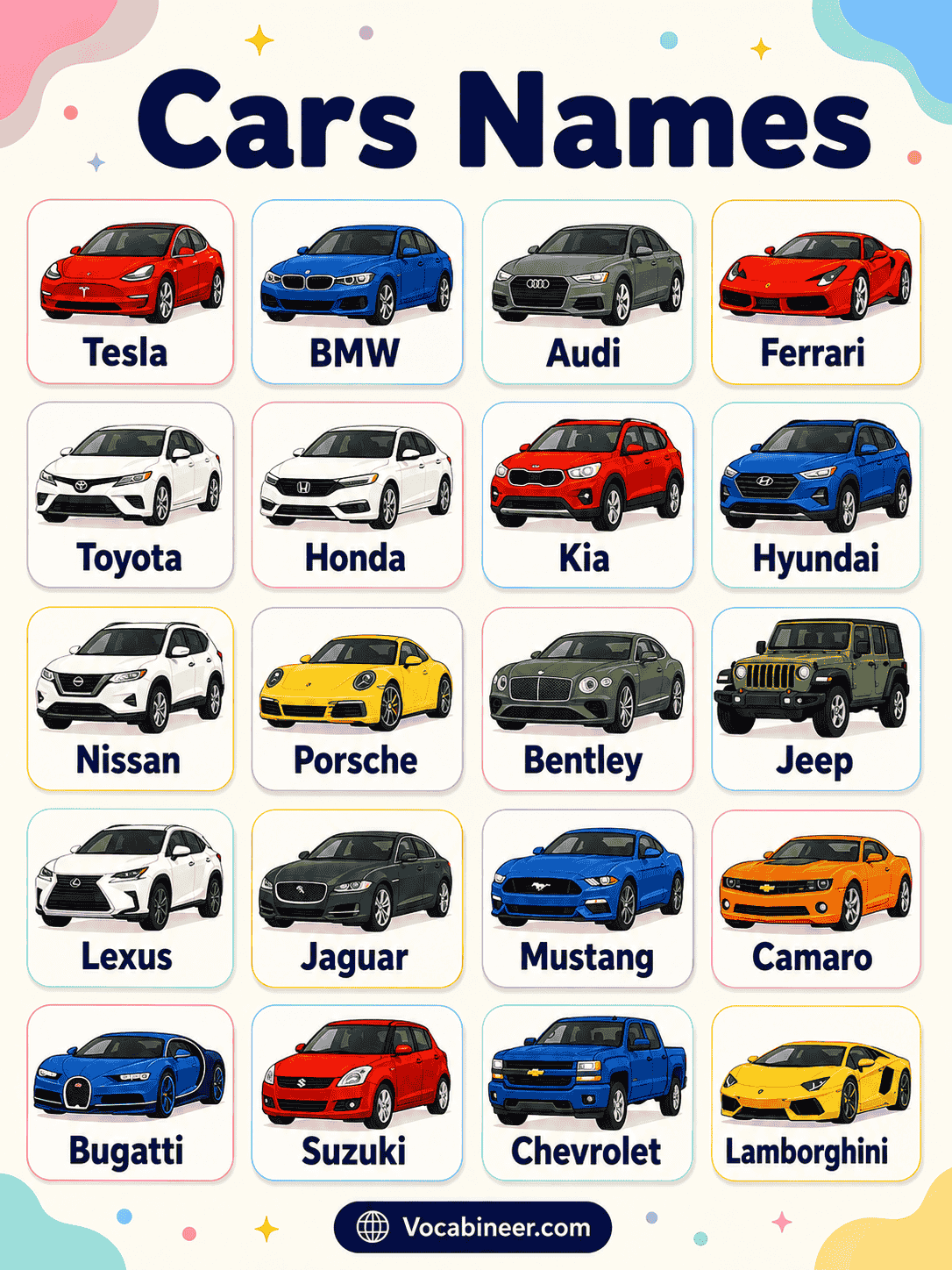
Electric and Hybrid Cars
Electric and hybrid cars are modern vehicle types that reduce fuel use or avoid gasoline completely. They are becoming more common because many drivers want better efficiency, quieter driving, and lower emissions.
- Electric Car — Runs on battery power and uses an electric motor.
- Hybrid Car — Uses both a fuel engine and an electric motor.
- Plug-in Hybrid Car — Charges from a plug and can drive short distances on electric power.
- Electric SUV — Combines SUV space with electric driving.
- Hybrid Sedan — Combines sedan comfort with better fuel economy.
- Electric Pickup Truck — Uses battery power with truck-style utility.
Off-Road Vehicle
An off-road vehicle is built for rough ground, mud, rocks, sand, hills, and outdoor driving. It usually has stronger suspension, higher ground clearance, and better traction.
Useful for:
- Mountain roads.
- Muddy paths.
- Rural areas.
- Adventure travel.
- Camping trips.
- Snowy or rough roads.
Key features:
- High ground clearance.
- Strong tires.
- Four-wheel drive.
- Strong suspension.
- Durable body design.
Commercial and Service Vehicles
Commercial and service vehicles are used for work, delivery, business, or public service. They may carry people, goods, tools, or equipment.
Common commercial and service vehicle names include:
- Cargo Van
- Delivery Van
- Passenger Van
- Pickup Truck
- Box Truck
- Taxi
- Ambulance
- Police Car
- Fire Truck
- Shuttle Bus
These vehicles help with transport, delivery, emergency services, and business needs. This section also supports broader vehicle names with pictures vocabulary.
Modern Car Types
Modern car types combine new designs, advanced features, and different power systems. Many modern vehicles no longer fit into only one simple category.
Modern car types include:
- Electric SUV
- Compact SUV
- Coupe SUV
- Luxury EV
- Performance EV
- Plug-in Hybrid SUV
- Hybrid Sedan
- Electric Hatchback
- Electric Pickup Truck
- Self-Driving Car
- Concept Car
These modern names are useful because car design keeps changing. As a result, many vehicles today combine body style, size, power source, and purpose.
Car Type Identification Guide
You can identify a car type by looking at its shape, doors, height, roofline, rear design, and cargo space.
| Feature | What It Usually Shows |
|---|---|
| Separate trunk | Sedan |
| Rear hatch door | Hatchback or crossover |
| High ground clearance | SUV or off-road vehicle |
| Open cargo bed | Pickup truck |
| Folding roof | Convertible |
| Sporty roofline | Coupe or sports car |
| Sliding side doors | Minivan |
| Long roof and cargo area | Wagon |
| Very small size | Microcar or city car |
| Battery charging port | Electric or plug-in hybrid car |
This guide helps you recognize car types more easily when you see them in pictures, on roads, or in car videos.
Common Car Type Comparisons
This table explains the most common car type differences in one place.
| Comparison | Main Difference | Best For |
|---|---|---|
| Sedan vs Hatchback | A sedan has a separate trunk, while a hatchback has a rear door that opens upward into the cargo area. | Sedan for comfort and traditional style; hatchback for city driving and flexible storage. |
| SUV vs Crossover | An SUV is usually taller and more rugged, while a crossover often feels more car-like and easier to drive daily. | SUV for space and rough roads; crossover for comfort and everyday use. |
| Coupe vs Convertible | A coupe has a fixed roof, while a convertible has a roof that can open or fold down. | Coupe for sporty style; convertible for open-air driving. |
| Wagon vs Minivan | A wagon drives more like a car and has a long cargo area, while a minivan has more passenger space and sliding doors. | Wagon for cargo and car-like driving; minivan for large families. |
| Pickup Truck vs SUV | A pickup has an open cargo bed, while an SUV has an enclosed cabin and cargo area. | Pickup for hauling and work; SUV for passengers and family travel. |
| Electric Car vs Hybrid Car | An electric car runs only on battery power, while a hybrid uses both fuel and electric power. | Electric for low-emission driving; hybrid for fuel savings without full charging dependence. |
Easy Car Names for Kids
Kids can learn car names more easily with pictures and simple examples. Some names in this section are broader vehicle names, not only car body styles. They are included because kids and beginners often learn them together with car vocabulary.
Easy car and vehicle names for kids include:
- Car
- Bus
- Van
- Truck
- Taxi
- Sports Car
- Police Car
- Ambulance
- Fire Truck
- Pickup Truck
- Race Car
- Electric Car
- Family Car
- Delivery Van
- 4×4 Vehicle
Simple examples for kids:
- A taxi carries passengers.
- A bus carries many people.
- A truck carries heavy things.
- A police car helps police officers.
- An ambulance carries sick or injured people.
- A fire truck helps firefighters.
- A sports car goes fast.
- An electric car uses battery power.
FAQs
The main types of cars include sedan, hatchback, SUV, crossover, coupe, convertible, wagon, minivan, pickup truck, sports car, luxury car, electric car, and hybrid car. These car types are usually grouped by shape, size, use, and power source.
An SUV is usually taller, stronger, and more rugged, while a crossover often uses a car-like design for smoother daily driving. SUVs are better for rough roads, towing, and large families. Crossovers are better for comfort, fuel economy, and city use.
The best car types for families are usually SUVs, crossovers, minivans, and wagons. These cars offer more seats, better cargo space, and easier travel for children, luggage, and daily family needs.
The best car types for city driving are hatchbacks, compact cars, city cars, microcars, and small crossovers. These cars are easier to park, simpler to drive in traffic, and often more fuel-efficient.
A sedan has a separate trunk, while a hatchback has a rear door that opens upward into the cargo area. Sedans usually look more traditional, while hatchbacks offer more flexible storage and are often easier to use in cities.
Summary
There are many types of cars, and each type has a different shape, purpose, and driving use. Sedans are common for daily driving, hatchbacks are practical for city use, SUVs and crossovers are popular for families, and pickup trucks are useful for carrying cargo. Meanwhile, coupes, convertibles, and sports cars focus more on style and performance.
Modern car types also include electric cars, hybrid cars, plug-in hybrids, luxury EVs, electric SUVs, self-driving cars, and concept cars. When you learn car names with pictures, body styles, comparisons, and simple uses, it becomes much easier to recognize vehicles and describe them in English.
Read More
