

Mushrooms are fungi that grow in many shapes, colors, sizes, and textures. People use some edible mushrooms in cooking, while nature also has wild, medicinal, rare, and poisonous mushrooms. In addition, mushroom vocabulary helps students learn food words, cooking terms, nature topics, forest vocabulary, and classroom science language.
Common mushroom types include button mushroom, portobello mushroom, cremini mushroom, shiitake mushroom, oyster mushroom, enoki mushroom, porcini mushroom, morel mushroom, chanterelle mushroom, and truffle. This guide explains mushroom types in English with simple meanings, examples, cooking uses, safety notes, mushroom parts, taste words, and picture ideas.
In This Page
What Are Mushrooms?
Mushrooms are the fruiting bodies of fungi. They often grow in soil, on wood, around trees, in grass, or across forest floors. Many mushrooms have a cap, stem, and gills, although some types have very different shapes.
Unlike green plants, mushrooms do not make food from sunlight. Instead, fungi absorb nutrients from nearby organic matter. Many wild mushrooms look similar, so beginners should never guess whether a mushroom is safe to eat.
Are Mushrooms Vegetables?
People often use mushrooms like vegetables in cooking, but mushrooms are not vegetables. They belong to the fungi group, not the plant group.
In food vocabulary, people may group mushrooms with vegetables because cooks use them in soups, salads, pizza, pasta, sauces, and stir-fries. In science vocabulary, however, mushrooms are fungi. This makes them different from vegetables, fruits, herbs, and other plants.
Parts of a Mushroom
Learning mushroom parts helps students describe mushroom pictures, shapes, and identification features more clearly. However, these words should not be used alone to decide whether a wild mushroom is safe to eat.
Common mushroom parts include:
- Cap — the top part of a mushroom
- Stem — the stalk that supports the cap
- Gills — thin lines or plates under the cap
- Spores — tiny reproductive particles made by fungi
- Mycelium — the thread-like fungal network that grows underground or inside wood
- Ring — a band-like part sometimes found around the stem
- Volva — a cup-like base found in some mushrooms
- Pores — tiny holes under the cap in some mushroom types
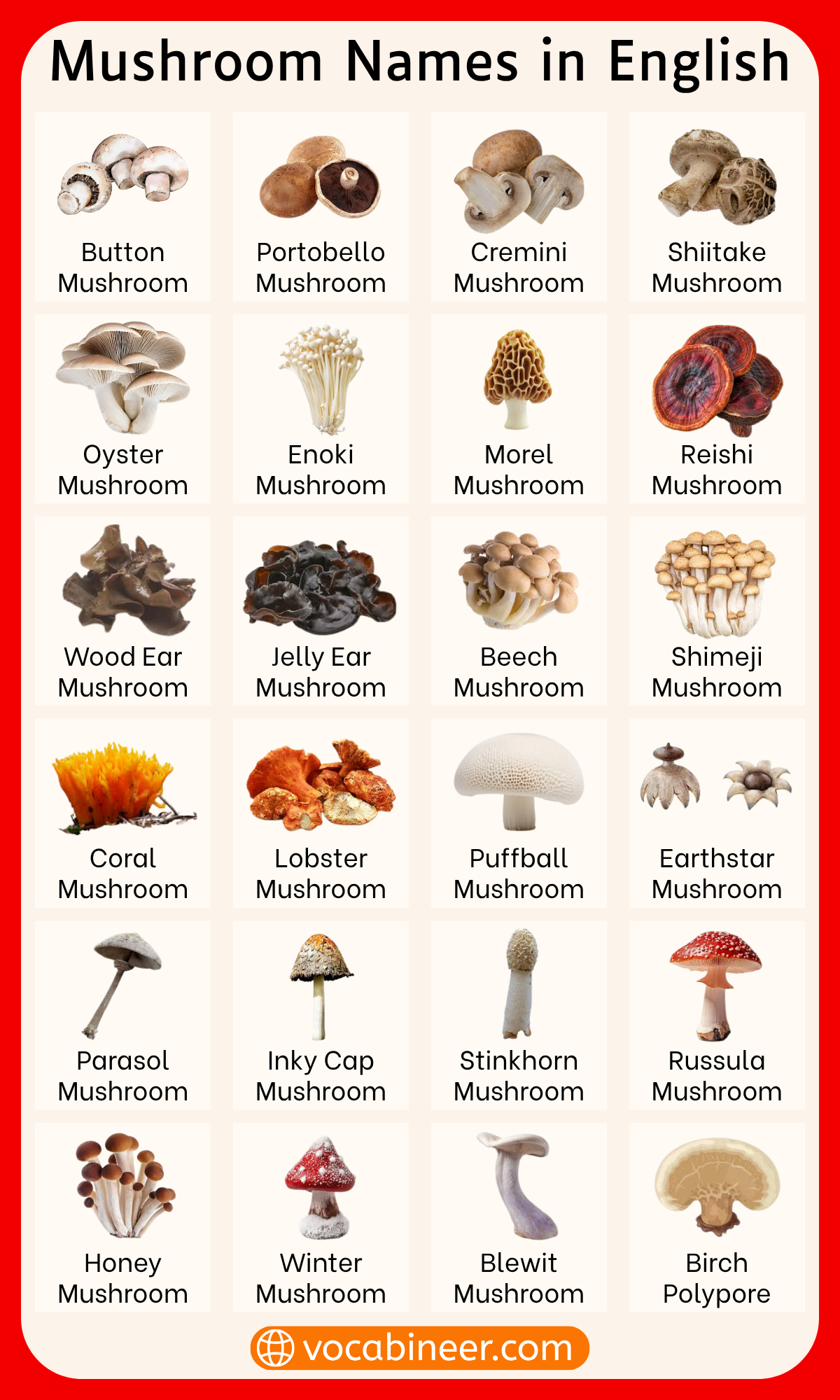
List of 100 Common Mushrooms Names with Pictures
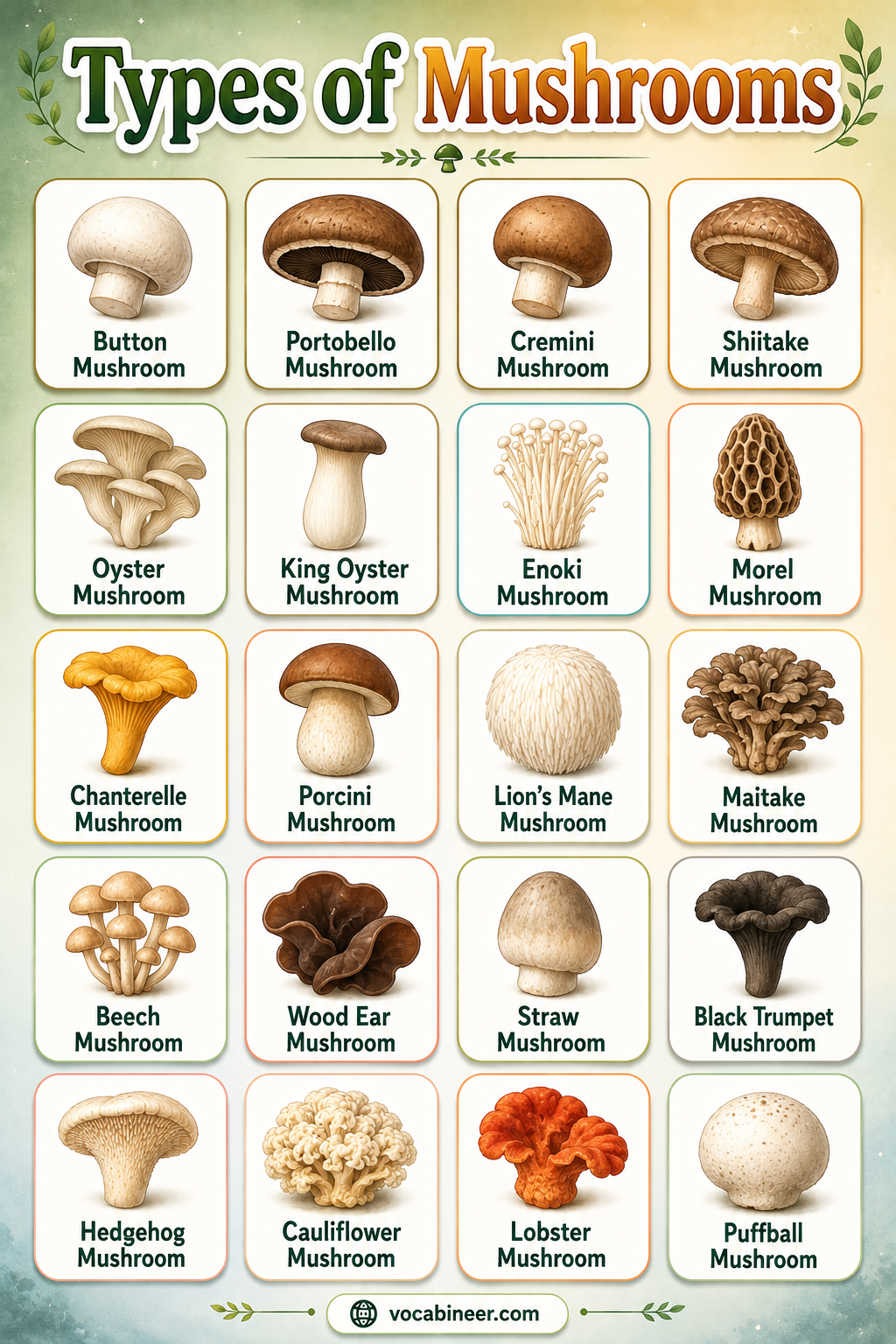
Here is a list of 100 common mushrooms names in English, including a mix of edible, wild, cultivated, poisonous, and medicinal types:
- Button Mushroom
- Shiitake
- Oyster Mushroom
- Enoki
- Cremini
- Portobello
- Chanterelle
- Morel
- Maitake
- King Oyster
- Lion’s Mane
- Reishi
- Turkey Tail
- Black Trumpet
- Hedgehog Mushroom
- Wood Ear
- Velvet Shank
- Giant Puffball
- Chicken of the Woods
- Milky Mushroom
- Straw Mushroom
- Beech Mushroom
- Nameko
- Shimeji
- Blewit
- Deer Mushroom
- Honey Mushroom
- Agaricus
- Chestnut Mushroom
- Wine Cap Mushroom
- Elm Oyster
- Yellowfoot
- Cauliflower Mushroom
- Puffball Mushroom
- Ink Cap
- Parasol Mushroom
- Fairy Ring Mushroom
- Slippery Jack
- False Chanterelle
- Wood Blewit
- Hedgehog Fungus
- Earthstar
- Coral Fungus
- Pig’s Ear
- Jelly Ear
- Dryad’s Saddle
- Elfin Saddle
- Bay Bolete
- Birch Bolete
- Scarlet Elf Cup
- Saffron Milk Cap
- Indigo Milk Cap
- Green Russula
- Charcoal Burner
- Larch Bolete
- Tiger Sawgill
- Panther Cap
- Death Cap
- Destroying Angel
- Fly Agaric
- Jack O’Lantern
- False Morel
- Yellow Stainer
- Cortinarius
- Clitocybe Dealbata
- Inocybe
- Galerina Marginata
- Psilocybe Cubensis
- Liberty Cap
- Coprinus Comatus
- Coprinopsis Atramentaria
- Entoloma
- Russula Emetica
- Gymnopilus
- Cantharellus Cibarius
- Lactarius Deliciosus
- Mycena
- Pleurotus Djamor
- Pleurotus Citrinopileatus
- Ganoderma
- Cordyceps
- Chaga
- Trametes Versicolor
- Polyporus
- Boletus Edulis
- Amanita Muscaria
- Amanita Caesarea
- Hygrophoropsis Aurantiaca
- Phallus Impudicus
- Phellinus
- Tylopilus Felleus
- Suillus
- Auricularia
- Lactarius Indigo
- Lepiota
- Marasmius
- Stropharia
- Tremella
- Xerocomellus
- Volvariella
- Psathyrella
Common Mushroom Varieties
These are common mushroom varieties in English. They are useful for food vocabulary, cooking vocabulary, nature lessons, and ESL learning.
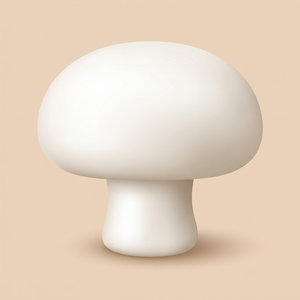
Button mushroom
Button mushrooms are small white mushrooms with a mild taste. People often use them in salads, soups, pizza, and everyday cooking.
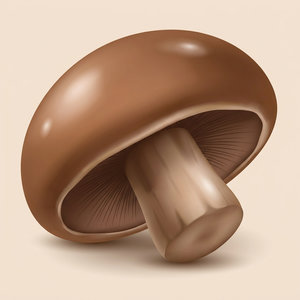
Portobello mushroom
Portobello mushrooms are large brown mushrooms with a meaty texture. People often use them for grilling, burgers, and stuffed dishes.
Cremini mushroom
Cremini mushrooms are brown mushrooms with a deeper flavor than button mushrooms. They are also called baby bella mushrooms.
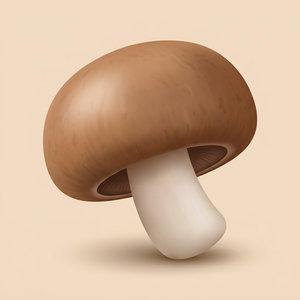
Shiitake mushroom
Shiitake mushrooms have a rich, earthy taste. They are common in Asian dishes, soups, stir-fries, and noodles.
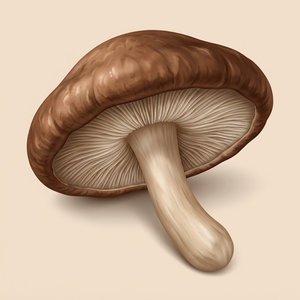
Oyster mushroom
Oyster mushrooms have a soft texture and fan-like shape. They are often used in soups, stir-fries, and vegetarian dishes.
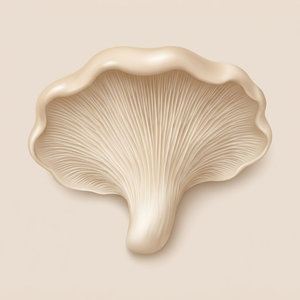
Enoki mushroom
Enoki mushrooms are long, thin, and white with small caps. People often add them to soups and hot pots.
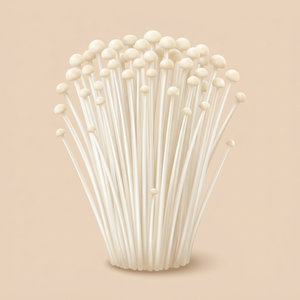
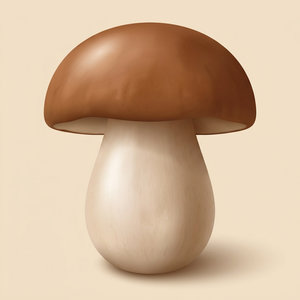
Porcini mushroom
Porcini mushrooms have a strong earthy flavor. Cooks often use them in pasta, risotto, soups, and sauces.
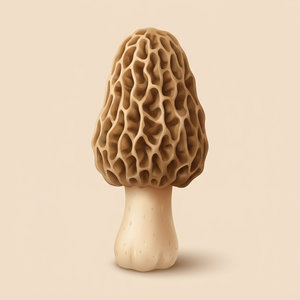
Morel mushroom
Morel mushrooms have a honeycomb-like cap. People eat them only after expert identification and proper cooking.
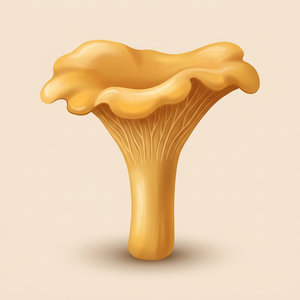
Chanterelle mushroom
Chanterelle mushrooms are usually yellow or orange with a delicate flavor. Chefs often use them in gourmet dishes.
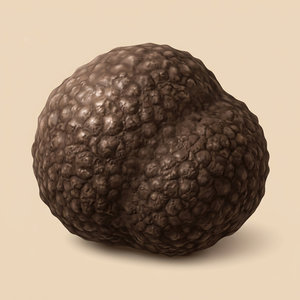
Truffle
Truffles are rare fungi that grow underground. Chefs use them in small amounts because they have a strong aroma.
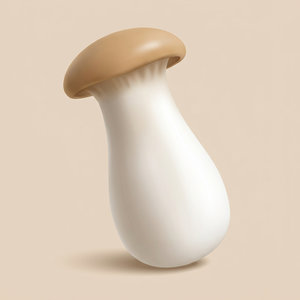
King oyster mushroom
King oyster mushrooms have thick stems and a firm texture. They are good for grilling, roasting, and stir-frying.
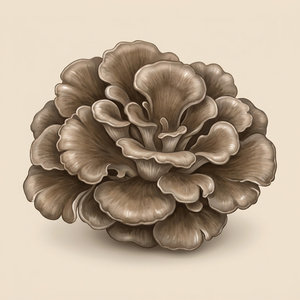
Maitake mushroom
Maitake mushrooms grow in clusters with ruffled edges. They have an earthy taste.
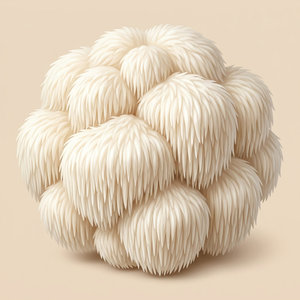
Lion’s mane mushroom
Lion’s mane mushrooms look white and shaggy. Cooks often slice them for vegetarian dishes.
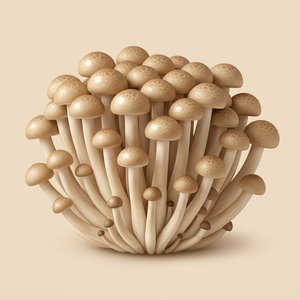
Beech mushroom
Beech mushrooms are small clustered mushrooms with a mild nutty taste.
Wood ear mushroom
Wood ear mushrooms are dark, thin, and slightly chewy. They are common in Asian cooking.
Types of Mushrooms Explained
Mushrooms can be grouped by use, habitat, safety, and value. Some are common edible mushrooms, while others are wild, medicinal, poisonous, or rare.
Common Edible Mushrooms
Common edible mushrooms are safe food mushrooms when bought from trusted stores or grown for food. They are often used in soups, sauces, pizza, pasta, stir-fries, and salads.
Button mushroom
For everyday cooking, button mushrooms are easy to use and mild in flavor. They work well in omelets, soups, pizza, and pasta.
Cremini mushroom
Cremini mushrooms have a brown color and slightly stronger taste than button mushrooms. They are useful in sauces, stews, and sautéed dishes.
Portobello mushroom
Portobello mushrooms are large and firm. As a result, they work well for grilling, stuffing, and vegetarian burgers.
Shiitake mushroom
Shiitake mushrooms have a deep, savory flavor. They are common in soups, noodles, rice dishes, and stir-fries.
Oyster mushroom
Oyster mushrooms are soft and delicate. They cook quickly and work well with vegetables, noodles, and rice.
King oyster mushroom
King oyster mushrooms have thick stems and a firm texture. Many cooks slice or grill them because they hold their shape well.
Enoki mushroom
Enoki mushrooms are thin and crunchy. They are often added to hot pots, soups, and noodle bowls.
Porcini mushroom
Porcini mushrooms have a strong earthy taste. Dried porcini mushrooms are especially popular in soups, sauces, and risotto.
Chanterelle mushroom
Chanterelle mushrooms have a delicate texture and a light fruity smell. They are often used in gourmet recipes.
Morel mushroom
Morel mushrooms are eaten in some cuisines after expert identification and proper cooking. Beginners should not collect or eat wild morels without expert help.
Wild and Forest Mushrooms
Wild and forest mushrooms grow naturally in woods, fields, or near trees. Some wild mushrooms are edible, but others can be poisonous, so safety is extremely important.
Morel mushroom
Morels are wild mushrooms with a honeycomb-like cap. For safety, they should only be eaten after expert identification and proper cooking.
Chanterelle mushroom
Chanterelles often grow in forests and have a yellow or orange color. However, lookalikes can confuse beginners, so expert identification matters.
Porcini mushroom
Porcini mushrooms grow in forests and are popular in European cooking. They have thick stems and a strong earthy flavor.
Lion’s mane mushroom
Lion’s mane mushroom has a white, shaggy appearance. It grows on wood and is also known as a functional mushroom.
Chicken of the woods
Chicken of the woods is a bright wild mushroom that grows on trees. Its texture can remind people of chicken when cooked, but safe identification is still necessary.
Hen of the woods
Hen of the woods has layered, frilly clusters. It is also known as maitake mushroom.
Black trumpet mushroom
Black trumpet mushrooms are dark, thin, and funnel-shaped. They are prized for their strong flavor.
Wood ear mushroom
Wood ear mushrooms have a thin, ear-like shape. They are often used in Asian soups and stir-fries.
Hedgehog mushroom
Hedgehog mushrooms have small tooth-like spines under the cap instead of gills. They are used in cooking only when correctly identified.
Puffball mushroom
Puffball mushrooms are round mushrooms that may look like balls. Some young puffballs are edible, but correct identification is essential.
Cooking Mushrooms by Use
Cooking mushrooms are chosen for flavor, texture, and recipe type. For example, some mushrooms work well in soups, while others are better for grilling, sauces, or stir-fries.
Mushrooms for pizza
Button, cremini, and portobello mushrooms are common choices for pizza. They add mild, earthy flavor.
Mushrooms for soup
Shiitake, enoki, oyster, and porcini mushrooms work well in soups. In addition, dried mushrooms can add deeper flavor.
Mushrooms for pasta
Cremini, porcini, portobello, and oyster mushrooms are useful in pasta dishes. They pair well with cream, garlic, herbs, and cheese.
Mushrooms for stir-fry
Oyster, shiitake, enoki, and king oyster mushrooms cook well in stir-fries. They absorb sauces and mix easily with vegetables.
Mushrooms for sauces
Porcini, cremini, and button mushrooms are common in sauces. They add richness to gravy, cream sauce, and mushroom sauce.
Mushrooms for grilling
Portobello and king oyster mushrooms are strong grilling choices. Their firm texture holds up well over heat.
Mushrooms for risotto
Porcini, cremini, and shiitake mushrooms are popular in risotto. They add earthy flavor to creamy rice dishes.
Mushrooms for salads
Button mushrooms and enoki mushrooms can appear in salads. However, many mushrooms taste better after cooking.
Mushrooms for vegetarian dishes
Portobello, king oyster, and oyster mushrooms are common in vegetarian cooking. Their texture can make meals feel hearty.
Dried mushrooms
Dried mushrooms are used for stronger flavor. Before cooking, people often soak them in warm water.
Medicinal and Functional Mushrooms
Medicinal and functional mushrooms are often discussed in traditional wellness, supplements, and health-related products. This section explains names only and does not claim that these mushrooms treat, cure, or prevent any disease.
Reishi mushroom
Reishi mushroom is often used in traditional wellness products. It has a shiny, reddish-brown appearance.
Lion’s mane mushroom
Lion’s mane mushroom has a white, shaggy shape. It is used in food and functional mushroom products.
Chaga mushroom
Chaga grows mainly on birch trees and looks dark and rough. It is often used in teas and supplements.
Cordyceps mushroom
Cordyceps is known as a functional mushroom. It is commonly sold in powder, capsule, or extract form.
Turkey tail mushroom
Turkey tail mushroom has colorful, fan-like layers. Its name comes from its striped appearance.
Maitake mushroom
Maitake is also called hen of the woods. It is used in cooking and functional mushroom products.
Shiitake mushroom
Shiitake is a common edible mushroom. In addition, it appears in some wellness and supplement discussions.
Agaricus mushroom
Agaricus is a mushroom group that includes some edible varieties. Some types are also used in supplement products.
Poisonous Mushrooms to Know
Poisonous mushrooms can cause serious illness or death. Therefore, wild mushrooms should never be eaten unless a trained expert identifies them as safe.
Death cap mushroom
The death cap is one of the most dangerous poisonous mushrooms. It can look harmless, which makes it especially risky.
Destroying angel mushroom
Destroying angel mushrooms are highly toxic white mushrooms. Beginners may confuse them with edible white mushrooms.
Fly agaric mushroom
Fly agaric is known for its red cap with white spots. Although it looks famous in pictures, it is toxic and unsafe to eat.
False morel mushroom
False morels can look similar to true morels. However, they can be toxic and should not be eaten by beginners.
Jack-o’-lantern mushroom
Jack-o’-lantern mushrooms are orange and can look like chanterelles. Unlike chanterelles, they are poisonous.
Deadly webcap mushroom
Deadly webcap mushrooms are dangerous poisonous mushrooms. They can cause severe health problems.
Autumn skullcap mushroom
Autumn skullcap is a small brown poisonous mushroom. Because many small brown mushrooms look alike, identification can be difficult.
Panther cap mushroom
Panther cap is a toxic mushroom related to fly agaric. It can cause serious poisoning symptoms.
Rare and Gourmet Mushrooms
Rare and gourmet mushrooms are valued for flavor, aroma, texture, or limited availability. Many of them appear in restaurant dishes, fine cooking, or specialty markets.
Black truffle
Black truffle grows underground and has a strong aroma. Chefs often shave it over pasta, eggs, or risotto.
White truffle
White truffle is one of the most expensive gourmet fungi. It has a strong smell and is usually used in small amounts.
Morel mushroom
Morels are prized for their unique shape and flavor. They should only be eaten after expert identification and proper cooking.
Chanterelle mushroom
Chanterelles have a delicate taste and bright color. They are valued in fine dining and seasonal cooking.
Porcini mushroom
Porcini mushrooms have a deep earthy flavor. Dried porcini is especially popular in sauces and risotto.
Matsutake mushroom
Matsutake is a rare mushroom known for its strong aroma. It is valued in Japanese and East Asian cuisine.
Black trumpet mushroom
Black trumpet mushrooms have a rich, smoky flavor. Their dark color makes them visually unique.
Caesar’s mushroom
Caesar’s mushroom is a bright orange edible mushroom found in some regions. It should only be eaten after safe expert identification.
Uses in Food and Cooking
Mushrooms are used in many dishes because they add flavor, texture, and depth. In cooking, they can taste earthy, savory, mild, meaty, or delicate.
Common mushroom uses include:
- Soups: shiitake, enoki, porcini, and oyster mushrooms
- Pizza: button, cremini, and portobello mushrooms
- Pasta: porcini, cremini, shiitake, and oyster mushrooms
- Stir-fries: oyster, shiitake, enoki, and king oyster mushrooms
- Sauces: cremini, button, and porcini mushrooms
- Grilling: portobello and king oyster mushrooms
- Rice dishes: porcini, shiitake, and button mushrooms
- Vegetarian meals: portobello, oyster, and king oyster mushrooms
Common Mushroom Taste and Texture Words
Mushroom vocabulary is not only about names. Taste and texture words help learners describe how mushrooms feel and taste in food.
Useful mushroom taste and texture words include:
- Earthy — deep, natural flavor often found in wild mushrooms
- Umami — rich, savory taste common in cooked mushrooms
- Mild — soft and gentle flavor, like button mushrooms
- Meaty — firm texture that feels hearty in dishes
- Nutty — light nut-like flavor in some mushrooms
- Delicate — soft flavor or texture, often used for gourmet mushrooms
- Chewy — firm texture that needs more biting
- Tender — soft and easy to eat after cooking
- Crunchy — crisp texture, often found in enoki mushrooms
- Aromatic — strong smell, often used for truffles and dried mushrooms
How to Choose and Store Mushrooms
Choose mushrooms that look firm, fresh, and dry. Avoid mushrooms that look slimy, wet, shriveled, or badly bruised. They should smell mild and earthy, not sour or unpleasant. Beginners should buy mushrooms from trusted stores and should never guess whether a wild mushroom is safe to eat.
Store fresh mushrooms in the refrigerator in a paper bag or original container. Avoid plastic bags because they trap moisture and can make mushrooms spoil faster. Do not wash mushrooms before storing them. Clean them just before cooking by brushing off dirt or wiping them gently.
Mushroom Varieties Chart with Pictures
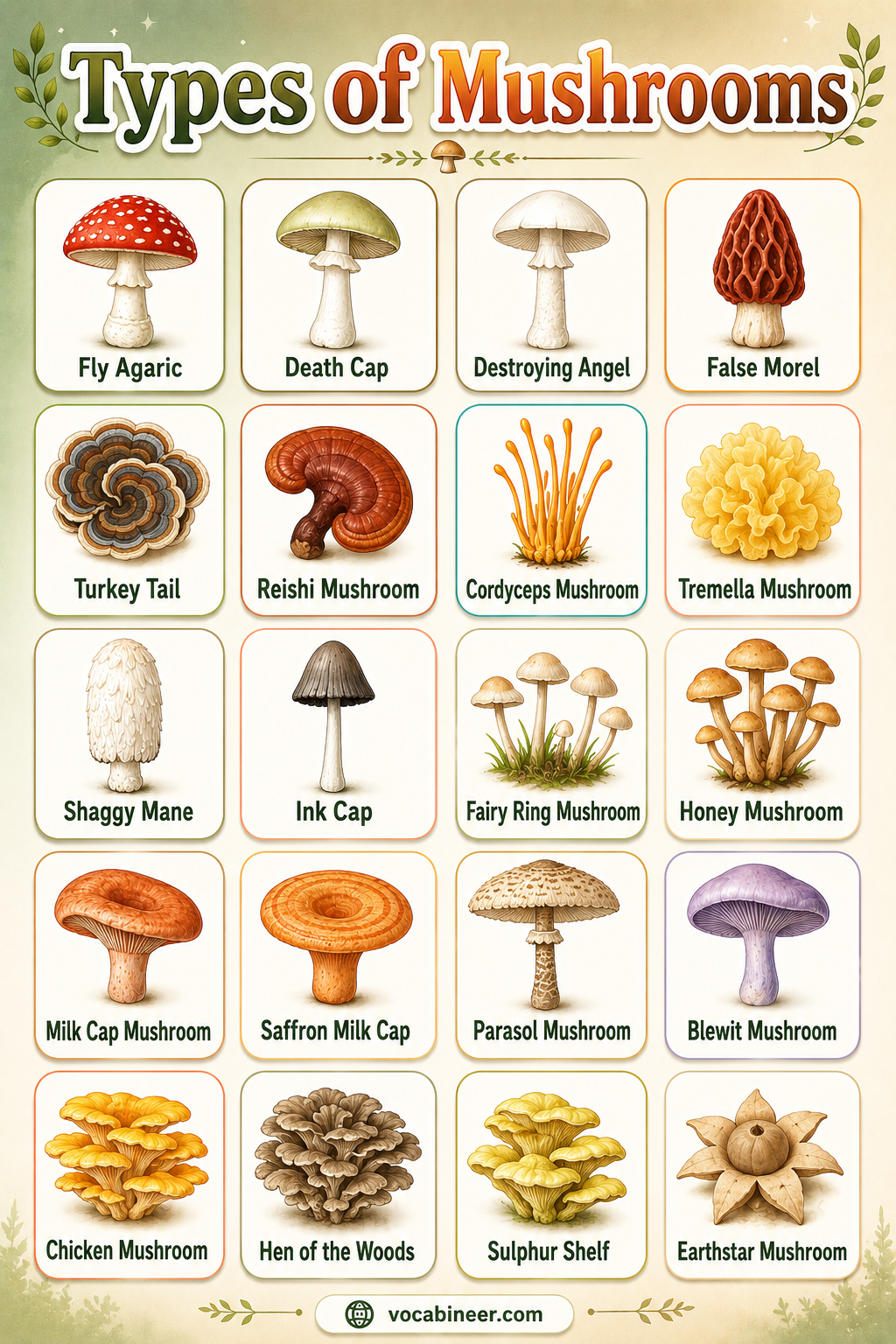
A mushroom picture chart helps learners connect mushroom names with real shapes and colors. It is useful for students, ESL learners, food vocabulary lessons, cooking vocabulary, and nature study.
Picture chart ideas:
- Common mushrooms: button, cremini, portobello
- Asian cooking mushrooms: shiitake, enoki, oyster
- Wild mushrooms: morel, chanterelle, porcini
- Functional mushrooms: reishi, chaga, turkey tail
- Poisonous mushrooms: death cap, destroying angel, fly agaric
- Rare mushrooms: truffle, matsutake, black trumpet
Differences Between Similar Mushrooms
Some mushroom names look similar, but they describe different flavors, sizes, uses, or safety levels.
| Comparison | Main Difference |
|---|---|
| Button vs cremini mushroom | Button mushrooms are white and mild; cremini mushrooms are brown with a deeper flavor. |
| Cremini vs portobello mushroom | Cremini mushrooms are younger; portobello mushrooms are mature and larger. |
| Shiitake vs oyster mushroom | Shiitake mushrooms have a rich, earthy taste; oyster mushrooms are softer and more delicate. |
| Morel vs false morel mushroom | Morels can be eaten after expert identification and proper cooking; false morels can be toxic and unsafe. |
| Truffle vs mushroom | Truffles grow underground and have a strong aroma; most mushrooms grow above ground. |
| Edible vs poisonous mushrooms | Edible mushrooms are safe to eat when correctly identified; poisonous mushrooms can cause serious illness or death. |
Important Safety Note About Wild Mushrooms
Wild mushrooms can be dangerous because edible and poisonous mushrooms may look similar. Some toxic mushrooms can cause severe illness or death, even in small amounts.
For this reason, never eat wild mushrooms unless a trained local expert identifies the exact species as safe. Pictures, apps, online lists, and simple descriptions are not enough for safe mushroom identification. When in doubt, do not touch, pick, cook, or eat an unknown wild mushroom.
FAQ
Common types of mushrooms include button mushroom, portobello mushroom, cremini mushroom, shiitake mushroom, oyster mushroom, enoki mushroom, porcini mushroom, morel mushroom, chanterelle mushroom, and truffle.
Mushrooms are not vegetables. They are fungi, although people often use them like vegetables in cooking.
Common edible mushrooms include button, cremini, portobello, shiitake, oyster, king oyster, enoki, porcini, chanterelle, and morel mushrooms. However, wild edible mushrooms should only be eaten when a trained expert confirms the exact species.
Poisonous mushrooms include death cap, destroying angel, fly agaric, false morel, jack-o’-lantern mushroom, deadly webcap, autumn skullcap, and panther cap.
Some wild mushrooms are edible, but many are dangerous or poisonous. Beginners should not eat wild mushrooms unless a trained local expert confirms the exact species.
Read More
- Flying Animals Names in English
- 100+ Trees Name in English
- Professions Names in English
- Spices Names in English
- Herbs Names in English
