

Citrus fruits are juicy fruits known for their fresh smell, bright colors, and sweet, sour, or tangy taste. They include familiar fruits such as oranges, lemons, limes, grapefruits, mandarins, pomelos, kumquats, and many other varieties.
Learning citrus fruit names in English helps students, kids, cooks, travelers, and vocabulary learners describe fruits more clearly. These fruits are common in juices, desserts, salads, sauces, tea, marmalade, and cooking. Because many citrus fruits look similar, pictures, meanings, taste notes, and examples make them easier to recognize.
In This Page
What Are Citrus Fruits?
Citrus fruits grow on flowering trees or shrubs from the citrus family. Most have juicy segments, aromatic peel, and a fresh flavor that can be sweet, sour, bitter, or tangy.
Many citrus fruits have thick or thin skin, a strong fragrance, and small juice-filled sections inside. For example, oranges are usually sweet, lemons taste sharply sour, and grapefruits often have a bitter-tangy flavor.

Quick Chart of Citrus Fruit Names
This chart gives a quick overview of common citrus fruits before the detailed sections.
| Citrus Fruit | Simple Description | Common Use |
|---|---|---|
| Orange | Sweet orange citrus fruit | Juice, snacks, desserts |
| Lemon | Yellow sour citrus fruit | Juice, zest, cooking |
| Lime | Green tart citrus fruit | Drinks, sauces, garnish |
| Grapefruit | Large bitter-tangy citrus fruit | Breakfast, juice, salads |
| Mandarin | Small sweet easy-peel citrus fruit | Snacks, lunchboxes |
| Tangerine | Tangy-sweet mandarin type | Snacks, juice |
| Clementine | Small sweet seedless citrus fruit | Kids’ snacks |
| Satsuma | Soft easy-peel citrus fruit | Snacks, desserts |
| Pomelo | Very large citrus fruit | Salads, fresh eating |
| Kumquat | Small citrus eaten with peel | Snacks, marmalade |
| Yuzu | Aromatic Asian citrus fruit | Sauces, tea, desserts |
| Citron | Thick-rind citrus fruit | Candied peel, flavoring |
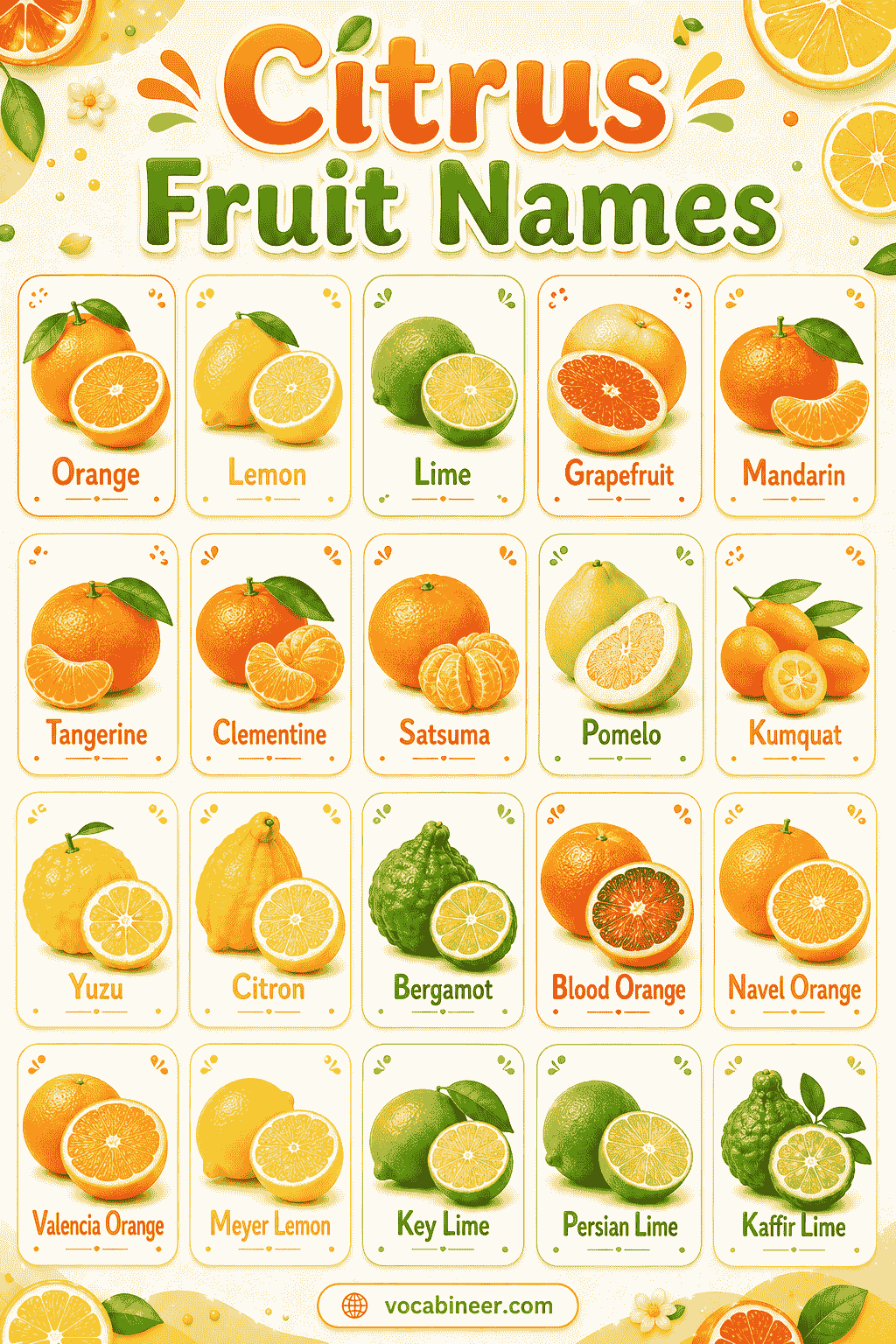
Common Citrus Fruit Names with Pictures
Pictures help learners recognize citrus fruits by peel color, size, shape, segments, and texture.
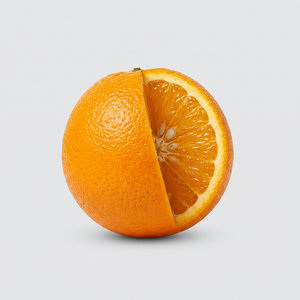
Orange
Orange is a round citrus fruit with sweet juicy flesh. People eat it fresh, drink its juice, and use it in desserts.
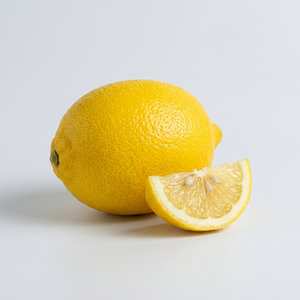
Lemon
Lemon is a yellow citrus fruit with a sharply sour taste. Cooks often use its juice and zest in food, drinks, and sauces.
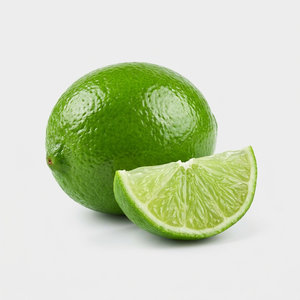
Lime
Lime is usually green and tart. Its fresh flavor works well in drinks, marinades, salads, and dips.
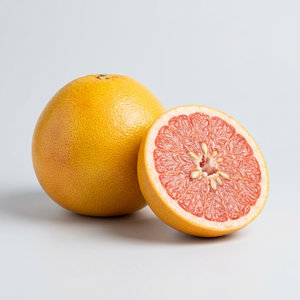
Grapefruit
Grapefruit is a large citrus fruit with juicy flesh and a bitter-tangy taste. Many people eat it at breakfast or use it for juice.
Mandarin
Mandarin is a small, sweet citrus fruit that peels easily. Its soft sections make it popular for snacks and lunchboxes.
Tangerine
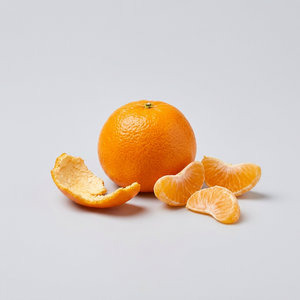
Tangerine is a mandarin-like citrus fruit with a bright orange peel. The flavor is often sweet with a tangy note.
Clementine
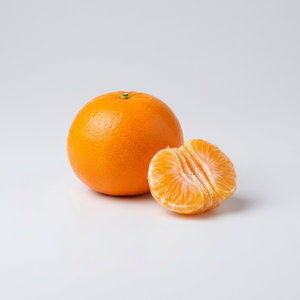
Clementine is a small, sweet, easy-peel citrus fruit. Children often enjoy it because it is usually seedless and simple to eat.
Satsuma
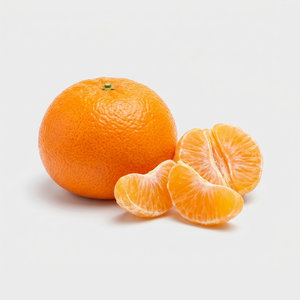
Satsuma has soft, loose skin and a gentle sweet flavor. This fruit peels very easily, so it works well as a quick snack.
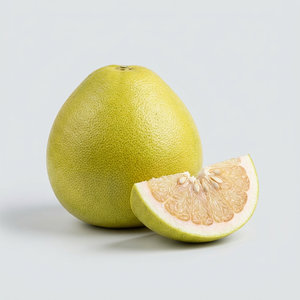
Pomelo
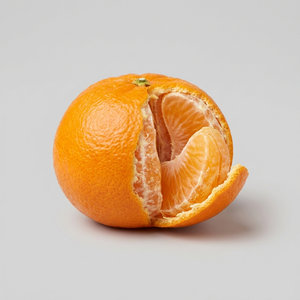
Pomelo is one of the largest citrus fruits. Its thick peel covers sweet, mild, and sometimes slightly tangy flesh.
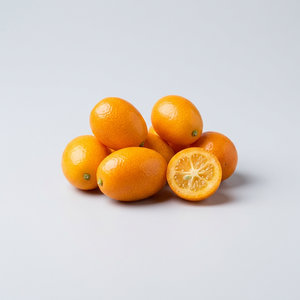
Kumquat
Kumquat is a tiny oval citrus fruit. Unlike many citrus fruits, people often eat the peel along with the flesh.
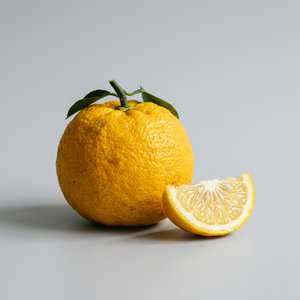
Yuzu
Yuzu is an aromatic citrus fruit with a strong fragrance. Chefs use it in sauces, dressings, tea, desserts, and Japanese-style dishes.
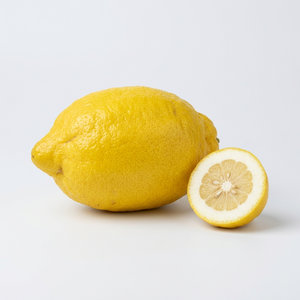
Citron
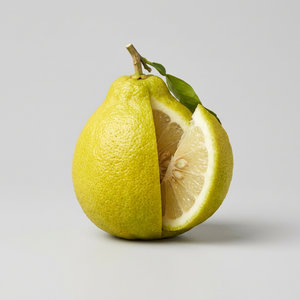
Citron has a thick rind and less juicy flesh than many citrus fruits. Its peel often adds flavor to candies, desserts, and traditional foods.
Bergamot
Bergamot is a fragrant citrus fruit. The peel oil gives Earl Grey tea its famous aroma.
Blood Orange
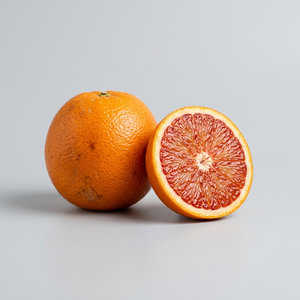
Blood orange has red or deep orange flesh. This fruit can taste sweet, tangy, and slightly berry-like.
Navel Orange
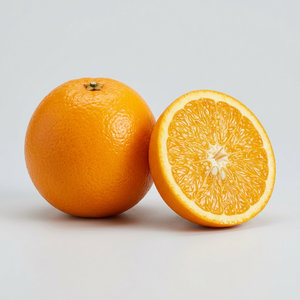
Navel orange is a sweet orange with a small navel-like mark at one end. It is popular for fresh eating because it peels easily.

Valencia Orange
Valencia orange is a juicy orange often used for orange juice. Its balanced sweet-tart taste makes it useful for drinks.
Meyer Lemon
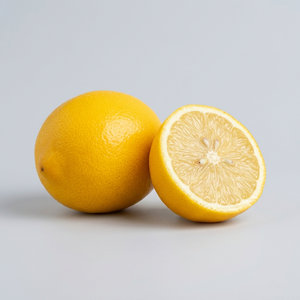
Meyer lemon tastes sweeter and less sharp than a regular lemon. Many cooks use it in desserts, drinks, and dressings.
Key Lime
Key lime is a small aromatic lime with a tart flavor. It is famous for key lime pie and fresh lime drinks.
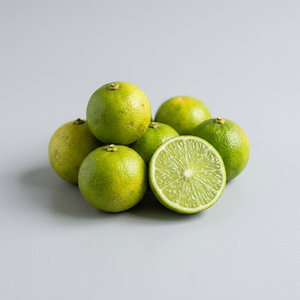
Persian Lime
Persian lime is larger and more common in stores than key lime. Its tart juice works well in everyday cooking and drinks.
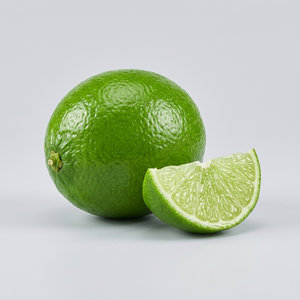
Kaffir Lime
Kaffir lime has bumpy skin and very aromatic leaves. Many Southeast Asian dishes use its leaves for flavor.
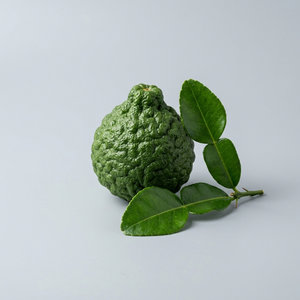
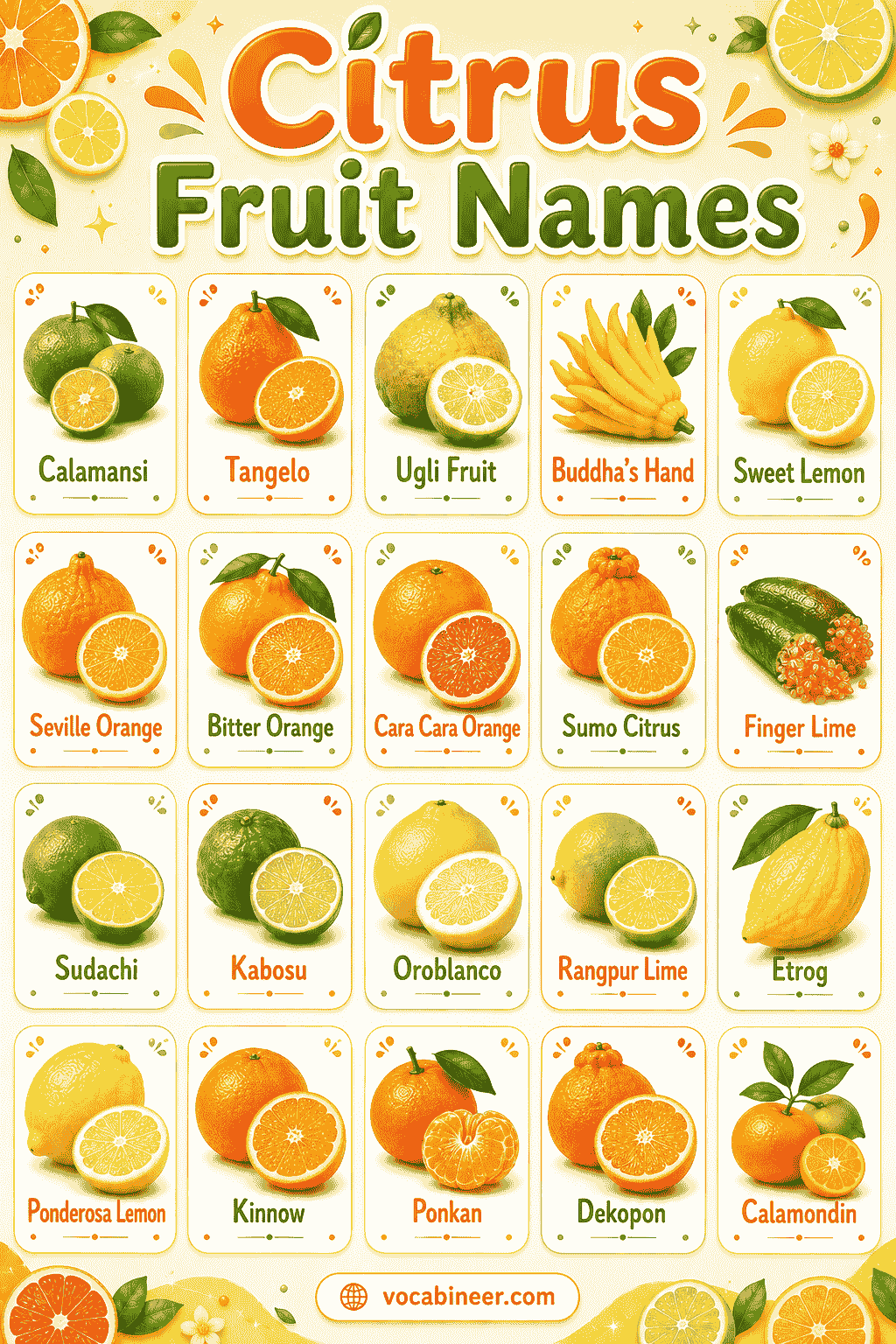
Calamansi
Calamansi is a small citrus fruit with a sour-tangy taste. It is common in drinks, sauces, and Filipino dishes.
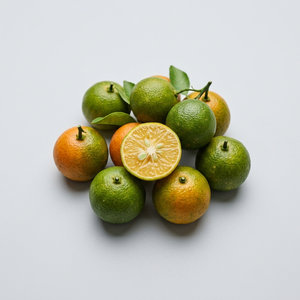
Tangelo
Tangelo is a citrus hybrid often linked with tangerine and pomelo or grapefruit. Its flesh is usually juicy and tangy-sweet.
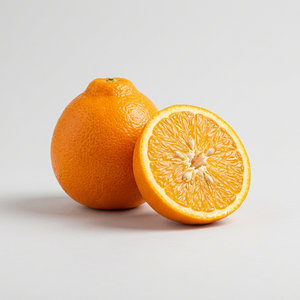
Ugli Fruit
Ugli fruit has a rough, loose peel and juicy flesh. The taste is often sweet, tangy, and mild.
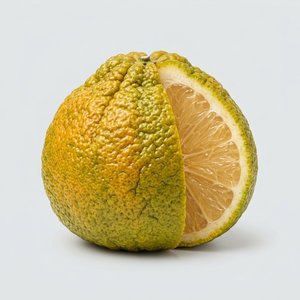
Buddha’s Hand
Buddha’s hand is a finger-shaped citrus fruit with a strong fragrance. People mainly use its peel for zest, flavoring, and decoration.
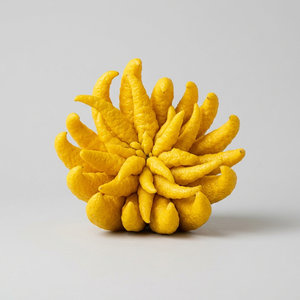
Sweet Lemon
Sweet lemon looks like a lemon but tastes much less sour. It is often eaten fresh or used for mild citrus juice.
Citrus Fruit Names and Meanings
This table gives simple meanings for citrus fruit names so learners can understand each one quickly.
| Citrus Fruit Name | Simple Meaning |
|---|---|
| Orange | A sweet round citrus fruit |
| Lemon | A yellow sour citrus fruit |
| Lime | A green tart citrus fruit |
| Grapefruit | A large bitter-tangy citrus fruit |
| Mandarin | A small sweet easy-peel citrus fruit |
| Tangerine | A tangy-sweet mandarin type |
| Clementine | A small sweet seedless citrus fruit |
| Satsuma | A soft easy-peel citrus fruit |
| Pomelo | A very large mild citrus fruit |
| Kumquat | A tiny citrus fruit often eaten with peel |
| Yuzu | A fragrant Asian citrus fruit |
| Citron | A thick-rind citrus fruit |
| Bergamot | A fragrant citrus used for flavoring |
| Blood Orange | An orange with red-colored flesh |
| Navel Orange | A sweet orange with a navel-like mark |
| Valencia Orange | A juicy orange used for juice |
| Meyer Lemon | A sweeter, softer-tasting lemon |
| Key Lime | A small aromatic lime |
| Persian Lime | A common larger lime |
| Kaffir Lime | A bumpy lime with aromatic leaves |
| Calamansi | A small sour-tangy citrus fruit |
| Tangelo | A juicy citrus hybrid |
| Ugli Fruit | A rough-skinned tangy citrus fruit |
| Buddha’s Hand | A finger-shaped fragrant citron |
| Sweet Lemon | A mild lemon-like citrus fruit |
Citrus Fruits by Taste
Citrus fruits can taste sweet, sour, bitter, tangy, or aromatic. Taste helps readers choose the right fruit for eating, cooking, or drinks.
Sweet Citrus Fruits
Sweet citrus fruits are good for snacks, fresh eating, juices, and kids’ lunchboxes.
| Citrus Fruit | Taste | Common Use |
|---|---|---|
| Orange | Sweet and juicy | Juice, snacks |
| Mandarin | Sweet and soft | Fresh eating |
| Clementine | Very sweet and mild | Kids’ snacks |
| Satsuma | Sweet and gentle | Snacks, desserts |
| Navel Orange | Sweet and easy to peel | Fresh eating |
| Sweet Lemon | Mild and lightly sweet | Juice, fresh eating |
| Pomelo | Mild and sweet-tangy | Salads, fresh eating |
Sour Citrus Fruits
Sour citrus fruits add sharpness and freshness to food and drinks.
| Citrus Fruit | Taste | Common Use |
|---|---|---|
| Lemon | Sharp and sour | Juice, zest, cooking |
| Lime | Tart and sour | Drinks, sauces |
| Key Lime | Strong tart flavor | Pies, drinks |
| Persian Lime | Tart and fresh | Everyday cooking |
| Calamansi | Sour and tangy | Sauces, drinks |
| Yuzu | Sour and aromatic | Dressings, desserts |
Tangy and Bitter Citrus Fruits
Tangy and bitter citrus fruits often work well in salads, marmalade, drinks, and special recipes.
| Citrus Fruit | Taste | Common Use |
|---|---|---|
| Grapefruit | Bitter and tangy | Breakfast, juice |
| Bergamot | Bitter and fragrant | Tea, flavoring |
| Citron | Bitter rind, fragrant peel | Candied peel |
| Ugli Fruit | Tangy and juicy | Fresh eating |
| Tangelo | Tangy-sweet | Snacks, juice |
| Buddha’s Hand | Fragrant peel, little juice | Zest, decoration |
Sweet Citrus vs Sour Citrus
This comparison helps readers understand the basic difference between sweet and sour citrus fruits.
| Feature | Sweet Citrus | Sour Citrus |
|---|---|---|
| Main taste | Sweet, mild, or sweet-tangy | Sharp, tart, or acidic |
| Common examples | Orange, mandarin, clementine, satsuma | Lemon, lime, key lime, calamansi |
| Best for | Snacks, juice, fresh eating | Cooking, drinks, dressings, zest |
| Kids’ choice | Usually easier to eat | Often too sharp alone |
| Flavor role | Adds sweetness and freshness | Adds brightness and acidity |
Citrus Fruits by Color
Color helps learners identify citrus fruits in pictures, stores, and recipes.
| Color | Citrus Fruits |
|---|---|
| Orange | Orange, mandarin, tangerine, clementine, satsuma |
| Yellow | Lemon, citron, yuzu, Buddha’s hand |
| Green | Lime, key lime, Persian lime, kaffir lime |
| Pink or red | Grapefruit, blood orange, Cara Cara orange |
| Pale yellow or green | Pomelo, sweet lemon, ugli fruit |
| Mixed color | Tangelo, calamansi, bergamot |
Citrus Fruits by Size and Shape
Size and shape make citrus fruits easier to recognize, especially when they look similar in color.
| Category | Citrus Fruits |
|---|---|
| Small citrus fruits | Kumquat, calamansi, key lime |
| Medium citrus fruits | Lemon, lime, orange, mandarin |
| Large citrus fruits | Grapefruit, pomelo, ugli fruit |
| Easy-peel citrus fruits | Mandarin, tangerine, clementine, satsuma |
| Unusual citrus fruits | Buddha’s hand, finger lime, citron |
| Round citrus fruits | Orange, grapefruit, pomelo |
| Oval citrus fruits | Lemon, kumquat, citron |
How to Identify Citrus Fruits
You can identify citrus fruits by checking peel color, size, smell, shape, segments, and taste.
| Clue | What It May Show | Example |
|---|---|---|
| Thick peel | Large or rind-heavy citrus | Pomelo, citron |
| Thin green peel | Lime family | Persian lime, key lime |
| Easy-peel skin | Mandarin group | Clementine, satsuma |
| Red flesh | Pigmented orange or grapefruit | Blood orange, red grapefruit |
| Strong fragrance | Aromatic citrus | Yuzu, bergamot, kaffir lime |
| Tiny size | Small citrus type | Kumquat, calamansi |
| Finger-like shape | Unusual citron type | Buddha’s hand |
| Bitter taste | Grapefruit-like or peel-heavy citrus | Grapefruit, bergamot |
Citrus Fruit Parts Vocabulary
Learning citrus parts helps readers understand recipes, labels, and cooking instructions.
| Part | Meaning |
|---|---|
| Peel | The outer skin of the fruit |
| Rind | The thick outer covering, often used for peel |
| Zest | The colorful outer peel used for flavor |
| Pith | The white layer under the peel |
| Segment | One juicy section inside the fruit |
| Pulp | The soft juicy flesh |
| Juice | The liquid inside the fruit |
| Seed | The small hard part that can grow into a plant |
| Membrane | The thin covering around each segment |
| Oil | Fragrant oil found in the peel |
Ways to Use Citrus Fruits
Citrus fruits add freshness, aroma, sweetness, sourness, and brightness to many foods. Different fruits work better for juice, zest, cooking, desserts, and drinks.
Citrus Fruits for Juice
Fresh citrus juice is useful for breakfast drinks, smoothies, lemonade, limeade, and flavored water.
| Citrus Fruit | Juice Use |
|---|---|
| Orange | Sweet breakfast juice |
| Valencia Orange | Classic orange juice |
| Grapefruit | Tangy breakfast drink |
| Lemon | Lemonade and flavoring |
| Lime | Limeade and drinks |
| Calamansi | Sour-tangy drinks |
| Mandarin | Sweet light juice |
Citrus Fruits for Zest
Zest gives food a strong citrus aroma without adding too much liquid. Bakers and cooks often use it in cakes, sauces, dips, and desserts.
| Citrus Fruit | Zest Use |
|---|---|
| Lemon | Cakes, pasta, sauces |
| Lime | Tacos, dips, drinks |
| Orange | Cookies, desserts, marinades |
| Yuzu | Sauces, desserts, tea |
| Bergamot | Tea and flavoring |
| Buddha’s Hand | Perfumed zest |
| Citron | Candied peel and desserts |
Citrus Fruits for Cooking
Many savory dishes taste brighter with citrus juice, peel, or leaves. These fruits can lift sauces, marinades, soups, seafood, salads, and roasted dishes.
| Citrus Fruit | Cooking Use |
|---|---|
| Lemon | Fish, chicken, sauces |
| Lime | Tacos, curries, marinades |
| Kaffir Lime | Southeast Asian dishes |
| Yuzu | Dressings and sauces |
| Orange | Glazes and marinades |
| Calamansi | Dips and savory sauces |
| Grapefruit | Salads and seafood dishes |
Citrus Fruits for Desserts and Drinks
Sweet recipes and drinks often need citrus for balance. The juice, zest, and peel can add freshness, acidity, sweetness, and aroma.
| Citrus Fruit | Dessert or Drink Use |
|---|---|
| Key Lime | Key lime pie |
| Lemon | Lemon tart, lemonade |
| Orange | Cakes, marmalade, juice |
| Grapefruit | Sorbet, juice, salads |
| Yuzu | Tea, mousse, desserts |
| Kumquat | Marmalade, candied fruit |
| Bergamot | Tea, desserts, syrups |
How to Use Citrus Peel, Juice, and Zest
Different parts of citrus fruits bring different flavors to food. The peel adds aroma, the juice adds acidity, and the flesh adds texture.
| Citrus Part | How to Use It | Example |
|---|---|---|
| Juice | Adds sourness or freshness | Lemon juice in salad dressing |
| Zest | Adds strong citrus aroma | Orange zest in cake |
| Peel | Adds flavor when candied or infused | Candied citron peel |
| Pulp | Adds juicy texture | Orange segments in fruit salad |
| Segments | Adds fresh fruit pieces | Grapefruit segments in salad |
| Leaves | Adds fragrance in cooking | Kaffir lime leaves in curry |
Citrus Fruit Varieties and Hybrids
Many citrus fruits have varieties or hybrid forms. This section keeps the idea simple for beginners.
| Group | Examples | Simple Note |
|---|---|---|
| Orange varieties | Navel orange, Valencia orange, blood orange | Different oranges vary in color, sweetness, and use |
| Lemon varieties | Meyer lemon, Ponderosa lemon | Some lemons taste sharper, while others taste milder |
| Lime varieties | Key lime, Persian lime, kaffir lime | Limes differ in size, aroma, and culinary use |
| Mandarin types | Tangerine, clementine, satsuma | Many are small, sweet, and easy to peel |
| Grapefruit relatives | Pomelo, Oroblanco, ugli fruit | These can be large, juicy, bitter, or sweet-tangy |
| Hybrid citrus fruits | Tangelo, tangor, citrange | Hybrids combine features from different citrus fruits |
Common Citrus Fruits and Rare Varieties
Common citrus fruits appear in many grocery stores, while rare varieties may be regional or seasonal.
| Category | Citrus Fruits |
|---|---|
| Common citrus fruits | Orange, lemon, lime, grapefruit, mandarin |
| Easy-peel citrus fruits | Tangerine, clementine, satsuma |
| Large citrus fruits | Pomelo, grapefruit, ugli fruit |
| Aromatic citrus fruits | Yuzu, bergamot, kaffir lime |
| Rare or specialty citrus | Buddha’s hand, finger lime, sudachi, kabosu |
| Hybrid citrus fruits | Tangelo, tangor, citrange, citrumelo |
Citrus Fruits for Kids
Citrus fruits become easier for kids when each name connects with color, taste, or shape.
| Citrus Fruit | Kid-Friendly Meaning |
|---|---|
| Orange | A sweet orange fruit |
| Lemon | A yellow sour fruit |
| Lime | A green sour fruit |
| Grapefruit | A big tangy fruit |
| Mandarin | A small sweet fruit |
| Tangerine | A sweet easy-peel fruit |
| Clementine | A tiny sweet orange fruit |
| Pomelo | A very big citrus fruit |
| Kumquat | A tiny citrus fruit |
| Blood Orange | An orange with red inside |
Kids can remember citrus fruits by simple clues. Orange is sweet, lemon is sour, lime is green, and pomelo is very large.
Example Sentences with Citrus Fruit Names
Examples help learners use citrus fruit names naturally in English.
- I drank orange juice with breakfast.
- She added lemon juice to the salad.
- Lime gives the sauce a fresh taste.
- Grapefruit tastes tangy and slightly bitter.
- My little brother likes sweet mandarins.
- Tangerines are easy to peel.
- Clementines are good snacks for kids.
- Satsumas have soft, loose skin.
- Pomelo pieces taste mild and juicy.
- Kumquats are small enough to eat whole.
- Yuzu adds a strong citrus aroma to sauces.
- Bergamot gives Earl Grey tea its fragrance.
- Blood orange slices looked beautiful in the salad.
- Key lime pie has a tart and sweet flavor.
- Calamansi juice tastes sour and refreshing.
Common Citrus Fruit Differences
Some citrus fruits look similar, but they have different tastes, sizes, and uses.
| Comparison | Main Difference |
|---|---|
| Lemon vs Lime | Lemons are usually yellow and sharply sour, while limes are usually green, tart, and more aromatic. |
| Orange vs Mandarin | Oranges are usually larger, while mandarins are often smaller, sweeter, and easier to peel. |
| Mandarin vs Tangerine | Tangerine is commonly treated as a mandarin type or close mandarin variety, often deeper orange and tangy-sweet. |
| Clementine vs Satsuma | Both are small easy-peel fruits, but satsumas often have softer, looser skin. |
| Grapefruit vs Pomelo | Pomelo is usually larger and often sweeter, while grapefruit is usually juicier and more bitter. |
| Key Lime vs Persian Lime | Key limes are smaller and more aromatic, while Persian limes are larger and more common in stores. |
| Yuzu vs Lemon | Yuzu has a more floral aroma, while lemon has a sharper familiar sour taste. |
| Citrus vs Non-Citrus Fruits | Citrus fruits usually have juicy segments and aromatic peel, while non-citrus fruits may not share these features. |
Terms Often Confused with Citrus Fruits
Some fruit terms sound similar, but they do not always mean the same thing.
| Term | Meaning |
|---|---|
| Citrus | A fruit group with juicy segments and aromatic peel |
| Variety | A type within a fruit group, such as navel orange |
| Hybrid | A fruit developed from different citrus types |
| Peel | The outer skin of a citrus fruit |
| Zest | The colored outer peel used for flavor |
| Rind | The thicker outer covering of the fruit |
| Pith | The white layer under the peel |
| Segment | One section inside a citrus fruit |
| Tropical fruit | A broad fruit group; not all tropical fruits are citrus |
| Non-citrus fruit | A fruit outside the citrus family, such as apple or mango |
Tips for Choosing and Using Citrus Fruits
These tips help readers choose fresh citrus fruits and use them better in food and drinks.
| Tip | Why It Helps |
|---|---|
| Choose fruit that feels heavy for its size | Heavier citrus often has more juice |
| Smell the peel | A fresh citrus aroma can suggest good flavor |
| Check for soft spots | Very soft areas may show damage |
| Use zest before juicing | Whole fruit is easier to zest |
| Roll lemons or limes before cutting | This may help release more juice |
| Store some citrus in the fridge | Cooler storage can help freshness last longer |
| Use sour citrus in small amounts | Too much juice can overpower food |
| Pair sweet citrus with bitter greens | Orange or grapefruit can balance salads |
Common Mistakes with Citrus Fruit Names
These common mistakes can confuse learners, especially when fruits look similar.
| Mistake | Correct Information |
|---|---|
| All orange-colored citrus fruits are oranges | Mandarins, tangerines, clementines, and satsumas can also look orange |
| Lemon and lime are the same fruit | Lemon is usually yellow, while lime is usually green and has a different flavor |
| Grapefruit and pomelo are the same | Pomelo is usually larger and often milder |
| All citrus fruits are sweet | Some are sour, bitter, tangy, or mainly aromatic |
| Kumquat must be peeled like an orange | Kumquat is often eaten with its peel |
| Buddha’s hand is used for juice | Buddha’s hand has little juice and is mostly used for peel and fragrance |
| Every green citrus fruit is a lime | Some green citrus fruits may be unripe or a different variety |
| Citrus fruits and tropical fruits mean the same thing | Citrus is a specific fruit group, while tropical fruits include many non-citrus fruits |
FAQs
Citrus fruits are fruits with juicy segments, aromatic peel, and fresh flavor. Common examples include oranges, lemons, limes, grapefruits, mandarins, pomelos, kumquats, and yuzu. They can taste sweet, sour, bitter, tangy, or fragrant.
Common citrus fruits include orange, lemon, lime, grapefruit, mandarin, tangerine, clementine, satsuma, pomelo, and kumquat. Some specialty citrus fruits include yuzu, citron, bergamot, calamansi, and Buddha’s hand.
Yes, orange is a citrus fruit. It has juicy segments, aromatic peel, and a sweet citrus flavor. People often eat oranges fresh or use them for juice, desserts, salads, and sauces.
The pomelo is the largest citrus fruit, sometimes bigger than a grapefruit.
Lemon is usually yellow and sharply sour, while lime is usually green and tart. Lemons often taste brighter and more familiar in desserts and tea, while limes are common in drinks, sauces, marinades, and savory dishes.
Sweet citrus fruits include oranges, mandarins, clementines, satsumas, sweet lemons, and some pomelos. Taste can vary by variety, season, and ripeness, so not every fruit tastes exactly the same.
Summary
Citrus fruits are fresh, juicy fruits with aromatic peel and segmented flesh. Common citrus fruit names include orange, lemon, lime, grapefruit, mandarin, tangerine, clementine, satsuma, pomelo, kumquat, yuzu, citron, bergamot, and calamansi.
Learning citrus fruit names in English helps readers understand food vocabulary, recipes, taste, colors, sizes, and uses. Pictures, meanings, taste tables, comparison charts, and example sentences make these names easier to remember.
Read More
