

Houses come in many shapes, sizes, styles, and layouts. People live in different types of houses depending on location, family size, budget, lifestyle, climate, and personal needs.
Some houses are built for city living, while others suit farms, mountains, beaches, forests, hot regions, cold areas, or movable lifestyles. This guide explains common house names, simple meanings, building materials, house styles, useful real estate terms, and picture metadata for a clear visual house vocabulary article.
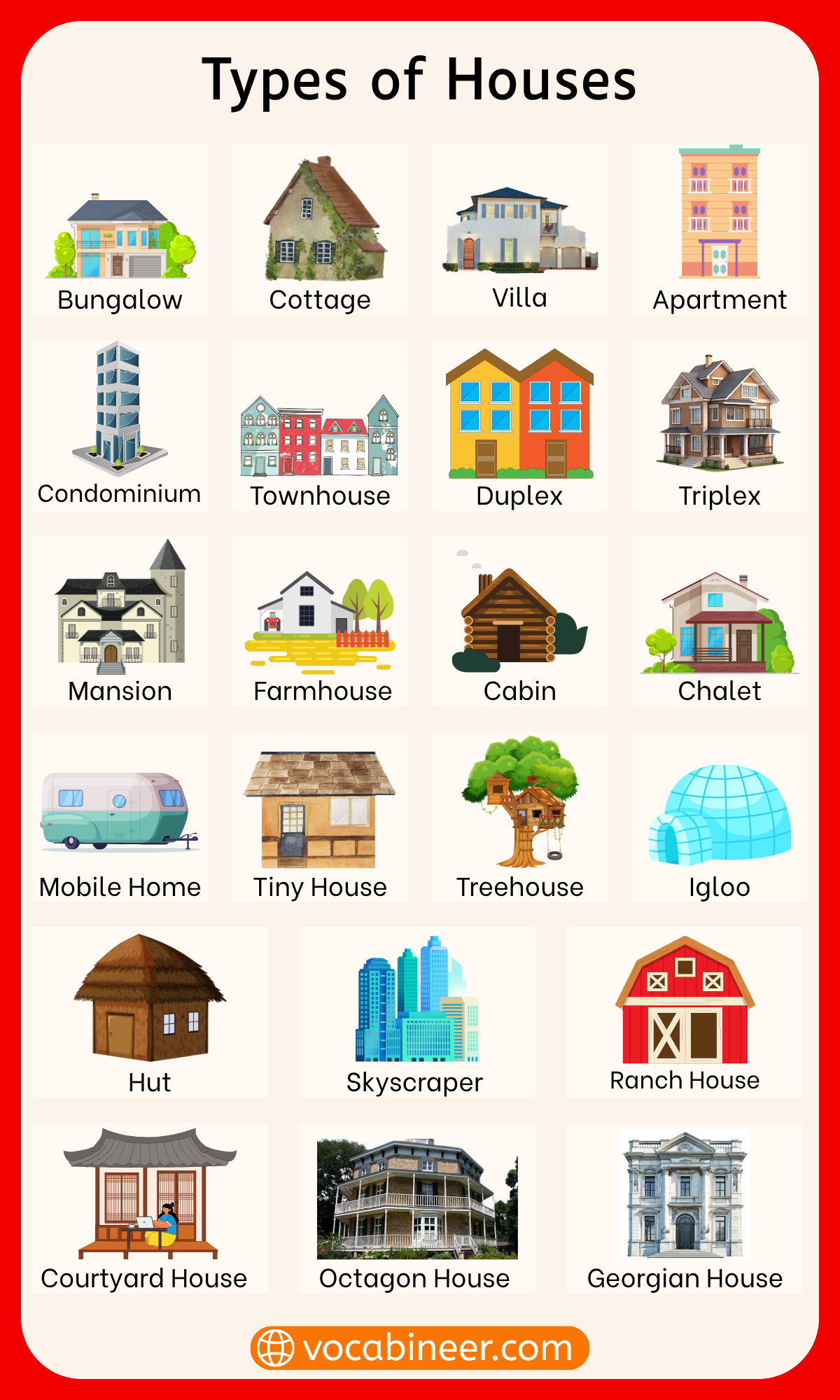
In This Page
Common Types of Houses
Houses can look very different from place to place, but many common house names appear in real estate listings, school lessons, picture guides, and everyday conversations. These names help readers understand basic home vocabulary and recognize different living spaces.
- Single-Family House — a separate house built for one family or household.
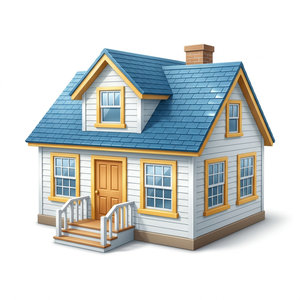
- Detached House — a house that stands alone and does not share walls with another home.
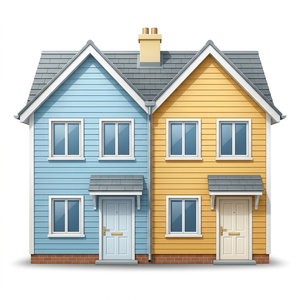
- Semi-Detached House — a house that shares one wall with another house.
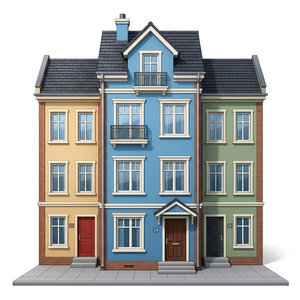
- Townhouse — a tall narrow house joined to other similar homes in a row.
- Duplex — a building divided into two separate living units.
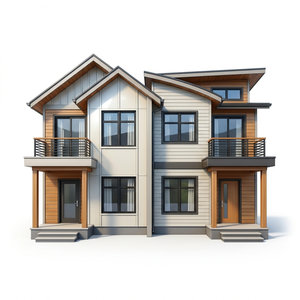
- Apartment — a private living unit inside a larger building.
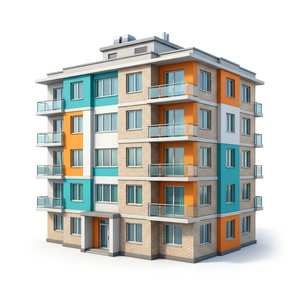
- Condo — an apartment-style home that a person owns instead of rents.
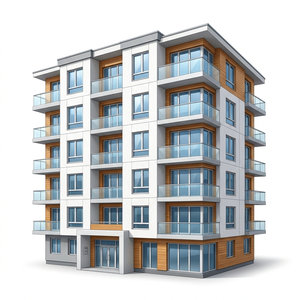
- Studio Apartment — a small home where the bedroom and living area are in one room.
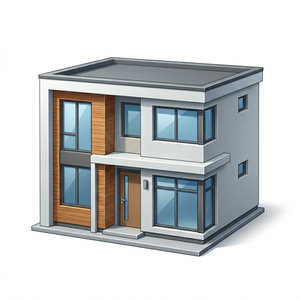
- Penthouse — a luxury apartment on the top floor of a building.
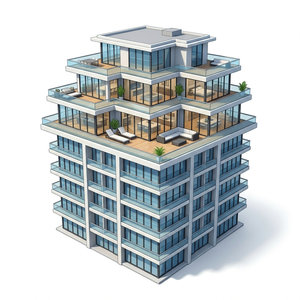
- Bungalow — a low house, usually with one main floor.
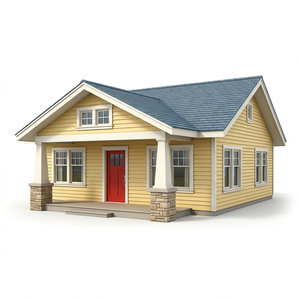
- Cottage — a small cozy house, often found in the countryside.
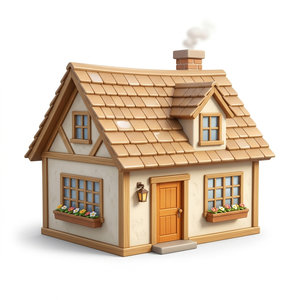
- Villa — a large comfortable house, often with gardens or outdoor space.
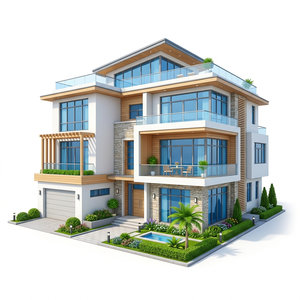
- Mansion — a very large and expensive house.
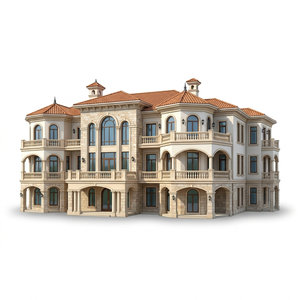
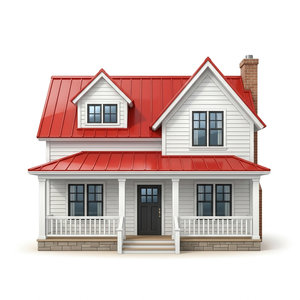
- Farmhouse — a house on or near farmland.
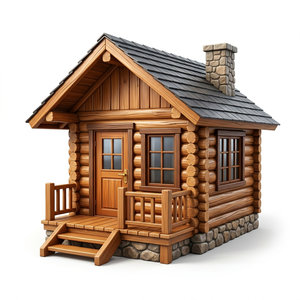
- Cabin — a small simple house, often made of wood and found in natural areas.
House Types by Building Structure
House structure describes how a home is built and connected to other buildings. This helps readers understand common housing layouts in towns, cities, suburbs, and residential areas.
- Detached House — a separate home with open space around it.
- Semi-Detached House — a home joined to one other house by a shared wall.
- Terraced House — a house joined to other houses in a continuous row.
- Row House — a house built in a row with similar attached homes.
- Townhouse — a multi-floor home connected to nearby homes.
- Duplex — a building with two separate homes inside it.
- Triplex — a building divided into three separate homes.
- Fourplex — a building divided into four separate homes.
- Multi-Family House — a building designed for more than one household.
- Split-Level House — a house with floors arranged at different short levels.
- One-Story House — a house with all main rooms on one floor.
- Two-Story House — a house with rooms on two main floors.
House Types by Building Material
House materials affect strength, appearance, cost, comfort, and climate suitability. Some houses use wood, brick, concrete, stone, mud, bamboo, straw, steel, or reused containers.
- Wooden House — a house made mostly from wood or timber.
- Log Cabin — a wooden house made from logs.
- Timber Frame House — a house built with a strong wooden frame.
- Brick House — a house built mainly with bricks.
- Concrete House — a strong house built with concrete.
- Stone House — a durable house made mainly from stone.
- Mud House — a house made with mud, clay, straw, or earth.
- Bamboo House — a house made mostly from bamboo.
- Thatched House — a house with a roof made from straw, reeds, or similar material.
- Container Home — a house made from shipping containers.
- Prefab Steel House — a quick-built house made with steel or prefab panels.
House Types for City Living
City house types are often designed to save space and keep people close to shops, schools, offices, and public transport. These homes are common in towns, apartment buildings, and busy urban areas.
- Apartment — a home inside a larger building with many units.
- Flat — another common word for an apartment in many regions.
- Condo — a privately owned apartment-style home.
- Studio Apartment — a compact home with one main living and sleeping space.
- Loft Apartment — an open-style apartment, often with high ceilings.
- Penthouse — a luxury apartment on the top floor.
- Serviced Apartment — an apartment with hotel-like services.
- Micro Apartment — a very small apartment designed for compact city living.
- High-Rise Apartment — an apartment in a tall building.
- Low-Rise Apartment — an apartment in a shorter building.
- Townhouse — a narrow city home with multiple floors.
- Mixed-Use Home — a home inside a building that may also include shops, offices, or services.
House Types for Rural and Large Properties
Rural and large-property houses often have more land, outdoor space, and natural surroundings. These homes may suit farming, quiet living, vacation use, or countryside lifestyles.
- Farmhouse — a house located on or near farmland.
- Ranch House — a wide low house often built on open land.
- Cottage — a small cozy house, often in a village or countryside area.
- Country House — a home in a rural or countryside setting.
- Villa — a spacious house, often with gardens or outdoor areas.
- Estate House — a large house on a big piece of land.
- Manor House — a large traditional house, often linked with an estate.
- Barn House — a home built from or inspired by a barn.
- Log Cabin — a wooden house made from logs.
- Stone House — a strong rural or mountain home made from stone.
- Lake House — a house near a lake.
- Beach House — a house near the sea or beach.
- Mountain House — a house built in or near mountain areas.
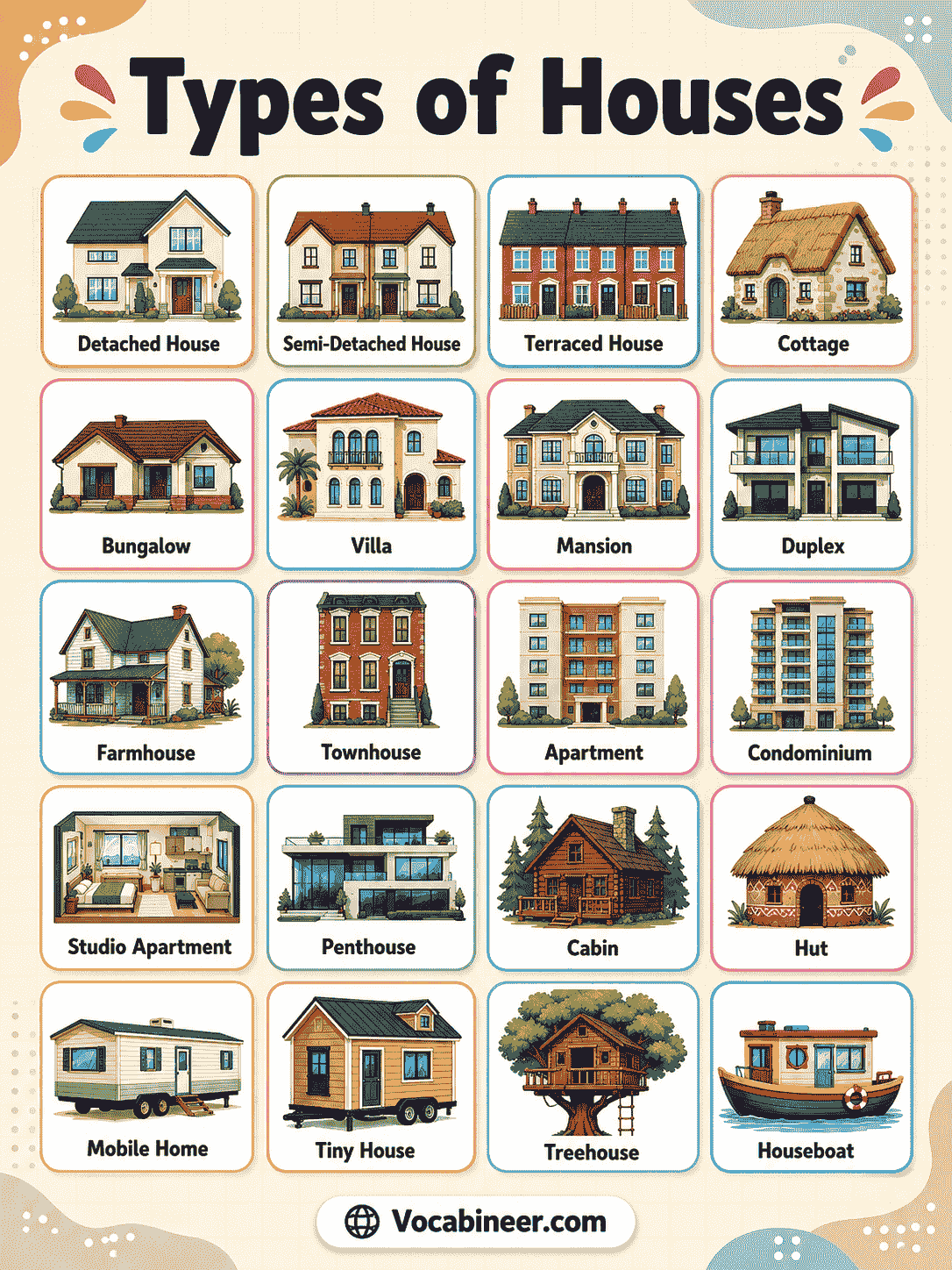
Small and Movable House Types
Small and movable houses are useful for people who want compact living, lower costs, flexible locations, or simple lifestyles. Some are permanent homes, while others can move or be placed on different sites.
- Tiny House — a very small home designed for simple living.
- Mobile Home — a factory-built home that can be moved to a site.
- Manufactured Home — a factory-built home made under specific building standards.
- Modular Home — a home built in sections and assembled on land.
- Prefab House — a house made from pre-built parts.
- Container Home — a house made from shipping containers.
- Trailer Home — a movable home often placed in a trailer park or private site.
- RV Home — a recreational vehicle used as a living space.
- Houseboat — a floating home built on a boat or platform.
- Micro Home — an extremely small home with compact living features.
- Portable Cabin — a small movable cabin used for living, work, or temporary stays.
- Granny Flat — a small separate home near a main house, often for relatives or guests.
Traditional and Unusual House Types
Some house types are connected to culture, climate, history, or special locations. These homes are useful for picture guides because they look different from modern city and suburban homes.
- Hut — a small simple shelter made from natural or basic materials.
- Yurt — a round portable home traditionally used by nomadic groups.
- Igloo — a dome-shaped snow house used in very cold regions.
- Treehouse — a small house built in or around a tree.
- Stilt House — a house raised on posts above ground or water.
- Houseboat — a home that floats on water.
- Mud House — a house made from earth materials, often found in warm or dry regions.
- Bamboo House — a house made from bamboo, common in some tropical or village areas.
- Flat Roof House — a house with a flat roof, often used in hot or dry climates.
- Courtyard House — a house built around an open inner courtyard.
- Cave House — a home built inside or into rock.
- Thatched House — a house with a roof made from straw, reeds, or similar materials.
Popular House Styles
House styles describe the design, shape, and visual appearance of a home. Some styles are modern and simple, while others are traditional, decorative, or inspired by a specific period.
- Modern House — a house with clean lines, open spaces, and simple design.
- Contemporary House — a current-style house that follows modern design trends.
- Traditional House — a house with classic and familiar design features.
- Colonial House — a balanced house style with a formal front and traditional details.
- Victorian House — a decorative house style with detailed trim and tall shapes.
- Craftsman House — a warm house style known for woodwork, porches, and handmade details.
- Tudor House — a house style with steep roofs and decorative timber patterns.
- Mediterranean House — a warm-climate style with arches, tiles, and stucco walls.
- Cape Cod House — a simple house style with a steep roof and compact shape.
- Mid-Century Modern House — a house style with open spaces and large windows.
- Modern Farmhouse — a modern home inspired by farmhouse design.
- Minimalist House — a house with very simple shapes and limited decoration.
House Types by Use and Ownership
Some house names describe how people use or own a home rather than how the building looks. These terms are common in real estate, renting, buying, and property discussions.
- Rental House — a house someone pays to live in but does not own.
- Owned House — a house that belongs to the person or family living there.
- Starter Home — a smaller or lower-cost first home for buyers.
- Family Home — a home suitable for a family.
- Luxury Home — an expensive home with high-end features.
- Vacation Home — a home used for holidays or short stays.
- Second Home — an extra home owned besides the main home.
- Investment Property — a house bought to earn rent or increase in value.
- Multi-Family Home — a property with living spaces for more than one household.
- Owner-Occupied Home — a home lived in by its owner.
- Leasehold Property — a property owned for a fixed lease period.
- Freehold Property — a property where the owner owns the house and land more fully.
Confusing House Terms Explained
| House Terms | Difference |
|---|---|
| House vs Home | A house is a building, while a home is a place where someone lives and feels settled. |
| Apartment vs Flat | Apartment and flat usually mean the same type of home, but flat is more common in some regions. |
| Condo vs Apartment | A condo is usually owned, while an apartment is often rented. |
| Townhouse vs Row House | A townhouse is a multi-floor attached home, while a row house is one of several similar homes in a row. |
| Detached House vs Semi-Detached House | A detached house stands alone, while a semi-detached house shares one wall. |
| Duplex vs Townhouse | A duplex has two living units in one building, while a townhouse is usually one attached home in a row. |
| Bungalow vs Cottage | A bungalow is usually low and one-story, while a cottage is usually small and cozy. |
| Villa vs Mansion | A villa is a large comfortable house, while a mansion is usually much larger and more luxurious. |
| Cabin vs Chalet | A cabin is a simple wooden home, while a chalet is often a mountain-style house with a sloping roof. |
| Mobile Home vs Modular Home | A mobile home can be moved to a site, while a modular home is built in sections and assembled more permanently. |
Types of Houses Chart with Pictures
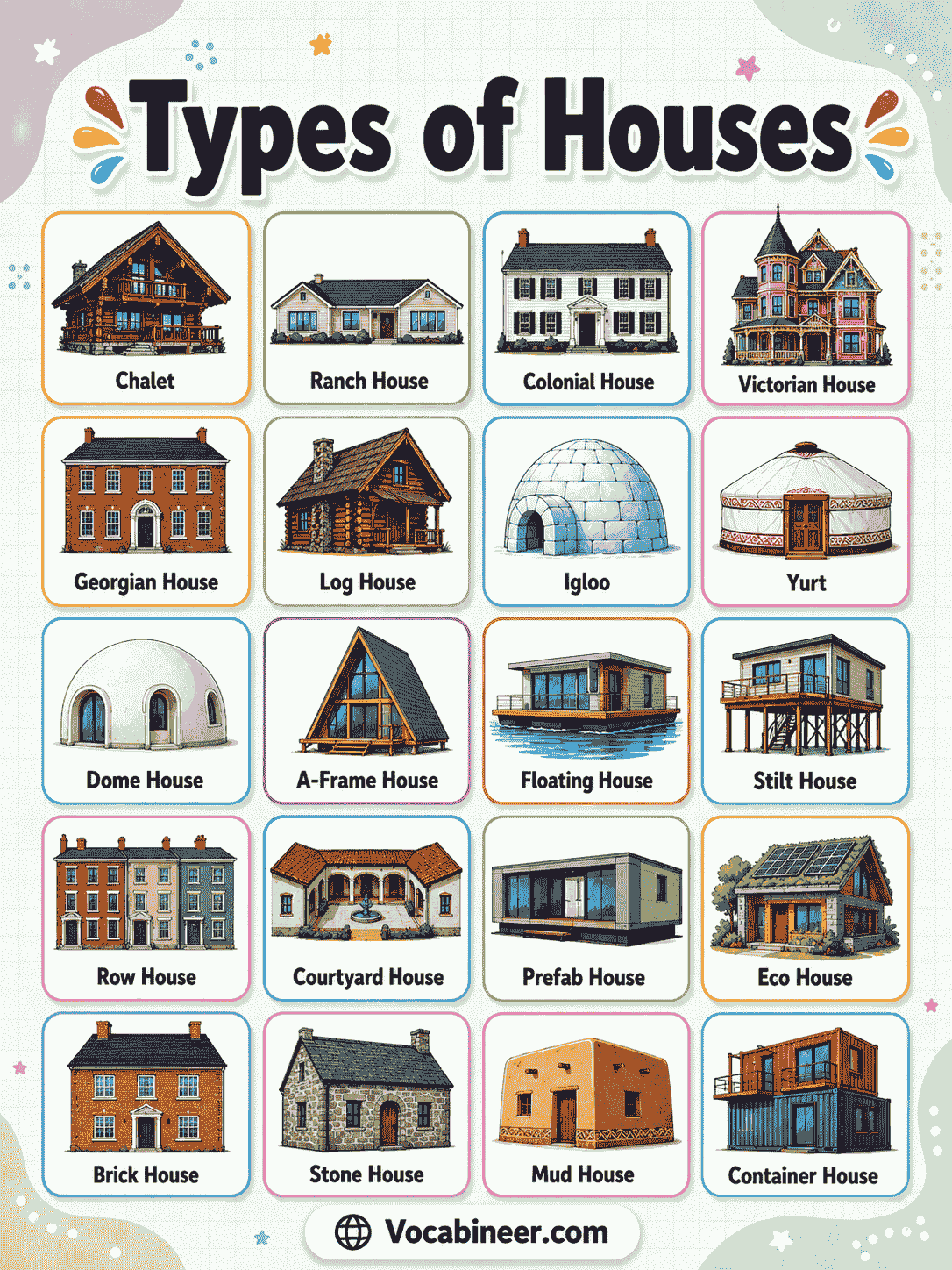
A house chart helps learners compare house groups quickly.
| House Group | Details |
|---|---|
| Common House Types | Best for: basic house vocabularyExamples: bungalow, cottage, villa |
| Structure-Based Houses | Best for: understanding building layoutsExamples: detached house, duplex, townhouse |
| Material-Based Houses | Best for: learning what houses are made fromExamples: wooden house, brick house, mud house |
| City and Rural Homes | Best for: comparing location-based homesExamples: apartment, farmhouse, country house |
| Small and Movable Homes | Best for: compact and flexible livingExamples: tiny house, mobile home, houseboat |
| Traditional and Style-Based Homes | Best for: cultural and architectural learningExamples: yurt, Victorian house, modern farmhouse |
| Use and Ownership Terms | Best for: real estate vocabularyExamples: rental house, family home, vacation home |
How to Choose the Right Type of House
Choosing the right type of house depends on budget, location, family size, lifestyle, space needs, ownership goals, climate, and maintenance. City living often suits apartments, condos, studios, and townhouses, while rural living may suit farmhouses, cottages, ranch houses, cabins, or country houses.
Also, think about building materials and local weather. Wooden houses and log cabins often suit forest or mountain areas, while mud houses and flat roof houses may suit warmer regions. Small homes can reduce costs, while larger homes may offer more comfort but need more care.
FAQs
The most common types of houses include single-family houses, detached houses, semi-detached houses, townhouses, duplexes, apartments, condos, bungalows, cottages, villas, mansions, farmhouses, cabins, tiny houses, and mobile homes.
A house is usually a separate building or living space, while an apartment is a private unit inside a larger building. Houses often have more private outdoor space, while apartments are common in cities.
A detached house, semi-detached house, townhouse, bungalow, or family home can work well for a family. The best choice depends on space, budget, location, bedrooms, safety, and outdoor needs.
Houses can be made from wood, brick, concrete, stone, mud, bamboo, steel, straw, or prefab panels. The material often depends on climate, cost, location, and local building style.
A villa is usually a large comfortable house with outdoor space, often in a warm or scenic location. A mansion is usually much larger, more expensive, and more luxurious.
Read More
- Parts of Body Names
- Popular Types of Tiles
- Different Types of Fences
- Different Types of Doors
- List of 100 Shapes Names
- Weather Vocabulary Words
