

A house has many parts that work together to make it safe, comfortable, and useful for daily living. Some parts, such as the roof, walls, doors, windows, floor, and ceiling, are easy to see. Other parts, such as the foundation, beams, columns, joists, and trusses, help support the house and keep it strong.
Learning parts of a house names in English helps kids, students, and English learners describe homes, rooms, outdoor areas, and building features more clearly. These words are useful in daily conversations, school lessons, home design, repairs, and basic construction vocabulary.
In This Page
Main Parts of a House
The main parts of a house are the basic features that give a home its shape, support, protection, and daily function.
- Roof – Covers the top of the house and protects it from sun, rain, and wind.
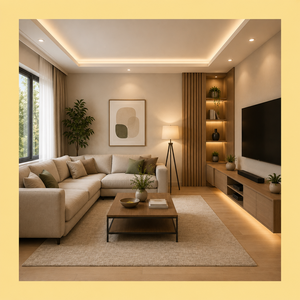
- Walls – Surround rooms and help support the structure.
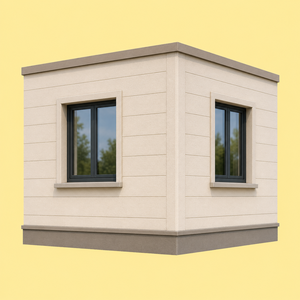
- Foundation – The strong base that supports the house from below.
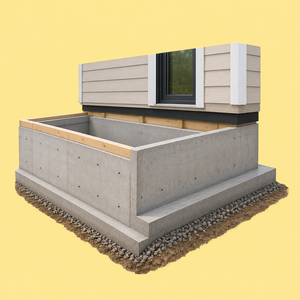
- Ceiling – The upper inside surface of a room.
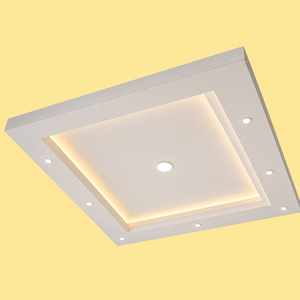
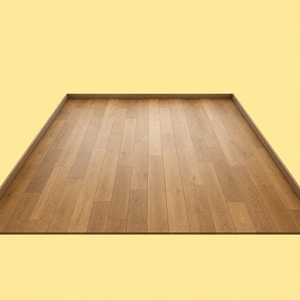
- Floor – The surface people walk on inside the house.
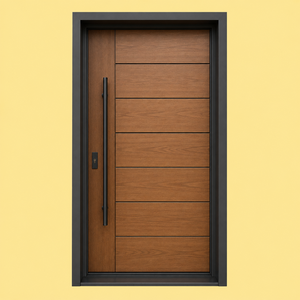
- Doors – Allow people to enter and leave rooms or the house.
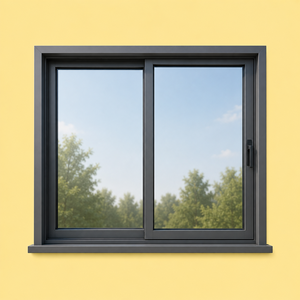
- Windows – Let in light and air.
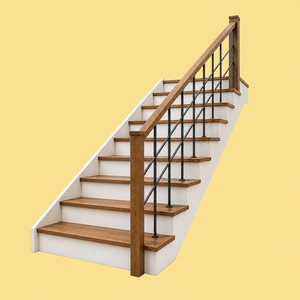
- Stairs – Connect one level of a house to another.
- Rooms – Separate spaces used for sleeping, cooking, washing, and living.
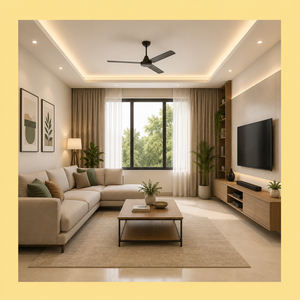
- Kitchen – A room used for preparing and cooking food.
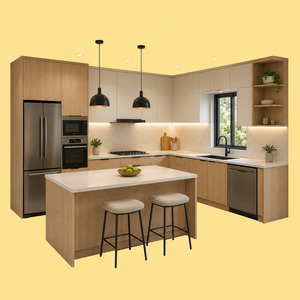
- Bedroom – A room used for sleeping and resting.
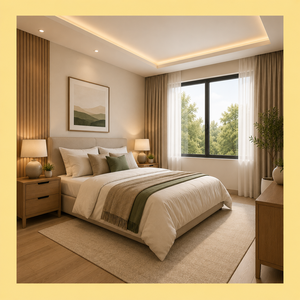
- Bathroom – A room used for washing and hygiene.
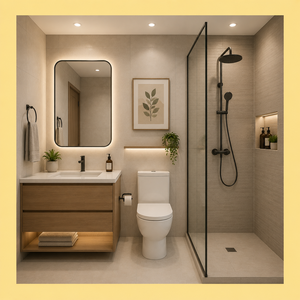
- Living Room – A room used for relaxing and spending time with family.
- Garage – A space used for parking vehicles.
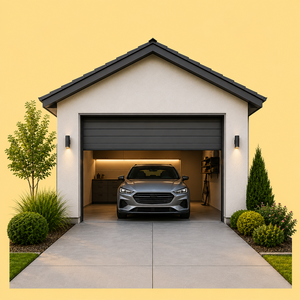
- Garden – An outdoor area with plants, grass, or flowers.

House Parts by Category
House parts can be grouped by where they are found and what they do. This makes the vocabulary easier to understand and remember.
| Category | Examples |
|---|---|
| Main Parts | Roof, walls, foundation, ceiling, floor |
| Exterior Parts | Facade, porch, balcony, garden, driveway |
| Interior Parts | Living room, bedroom, kitchen, bathroom |
| Roof Parts | Gable, eaves, fascia, gutter, ridge |
| Structural Parts | Beams, columns, joists, truss, slab |
| Fixtures and Fittings | Switch, socket, cabinet, shelf, mirror |
Exterior vs Interior Parts of a House
House parts can be grouped by location and purpose. Exterior parts are found outside the house, interior parts are found inside, and structural parts support or strengthen the building.
| Type | Meaning | Examples |
|---|---|---|
| Exterior Parts | Parts seen outside the house | Roof, porch, balcony, fence, gate, garden |
| Interior Parts | Parts found inside the house | Living room, bedroom, kitchen, bathroom, hallway |
| Structural Parts | Parts that support or strengthen the house | Foundation, walls, beams, columns, joists |
Exterior Parts of a House
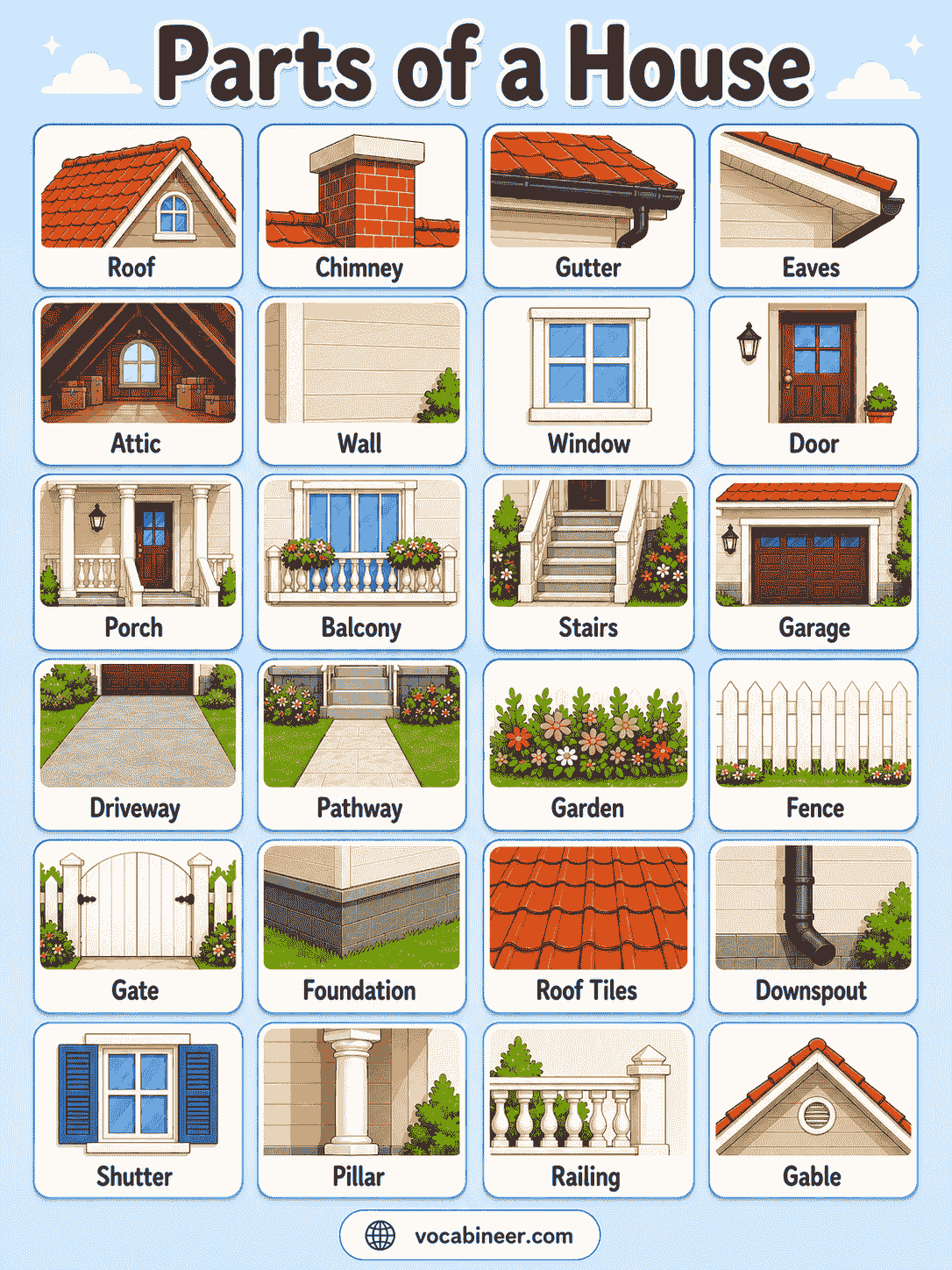
The outside features of a house help protect the building, improve its appearance, and make the outdoor area more useful. Common exterior parts include the roof, porch, balcony, garage, garden, fence, gate, driveway, and pathway.
- Facade – The front face of a house, often the most decorative side.
- Porch – A covered area near the entrance of a house.
- Balcony – A raised platform that extends from an upper floor.
- Terrace – A flat open area used for sitting, plants, or outdoor activities.
- Garage – A covered space used for parking vehicles.
- Garden – An area with flowers, plants, trees, or grass.
- Fence – A structure that marks or protects the boundary of a property.
- Gate – A movable entrance in a fence or wall.
- Driveway – A path for vehicles from the street to the garage or house.
- Pathway – A walking path that leads to a door, garden, or yard.
- Yard – Open land around a house.
- Patio – A paved outdoor space used for sitting or relaxing.
- Deck – A raised outdoor platform, often made of wood.
- Veranda – A roofed area along the front or side of a house.
Roof Parts of a House
The roof protects the house from rain, heat, wind, and other weather conditions. Different roof parts help cover the house, drain water, and support the roof structure.
- Gable – The triangular wall area between two sloping roof sides.
- Eaves – The lower edges of the roof that extend beyond the walls.
- Fascia – The board along the lower edge of the roof.
- Gutter – A channel that collects rainwater from the roof.
- Downspout – A pipe that carries rainwater from the gutter to the ground.
- Soffit – The underside of the roof overhang.
- Shingles – Small flat pieces that cover and protect the roof.
- Ridge – The highest line where two roof slopes meet.
- Chimney – Carries smoke or gases from a fireplace to the outside.
- Roof tiles – Hard tiles used to cover and protect the roof.

Interior Parts of a House
Interior parts are found inside the house. These areas and features make the home comfortable, practical, and suitable for daily life.
- Living room – A room used for relaxing, sitting, and spending time with family.
- Bedroom – A private room used for sleeping and resting.
- Kitchen – A room where food is prepared and cooked.
- Bathroom – A room used for washing, bathing, and using the toilet.
- Dining room – A room or area where people eat meals.
- Hallway – A passage that connects rooms.
- Closet – A small enclosed space used for storing clothes or items.
- Basement – A lower level of a house, often used for storage or extra space.
- Attic – A space below the roof, often used for storage.
- Laundry room – A room used for washing and drying clothes.
Rooms in a House
Rooms are separate spaces inside a house. Each room usually has a specific purpose.
- Living room – Used for relaxing, watching TV, and meeting guests.
- Bedroom – Used for sleeping and keeping personal items.
- Kitchen – Used for cooking and storing food.
- Bathroom – Used for bathing, washing, and hygiene.
- Dining room – Used for eating meals.
- Study room – Used for reading, writing, studying, or working.
- Laundry room – Used for washing and drying clothes.
- Storage room – Used for keeping extra household items.
- Basement – A lower space that may be used for storage, work, or living.
- Attic – An upper space under the roof, often used for storage.
Fixtures and Fittings in a House
Fixtures and fittings are useful parts inside a house. Some are fixed in place, while others can be changed or moved more easily.
- Light fixture – Holds bulbs and provides light.
- Switch – Turns lights or electrical devices on and off.
- Socket – Provides electrical power for appliances and chargers.
- Cabinet – Built-in storage often found in kitchens and bathrooms.
- Shelf – A flat board used to hold books, decorations, or household items.
- Curtains – Fabric pieces used to cover windows.
- Blinds – Adjustable window covers that control light and privacy.
- Railing – A safety barrier found on stairs, balconies, or decks.
- Mirror – Reflective glass used for looking at yourself.
- Carpet – A soft floor covering used for comfort and decoration.
Decorative and Utility Areas
Some house parts make a home more comfortable, useful, or attractive. These areas may support storage, heating, work, or outdoor relaxation.
- Fireplace – A built-in structure used for heating a room.
- Study room – A quiet space for reading, studying, or working.
- Pantry – A small room or cabinet for storing food and kitchen supplies.
- Storage room – A room used for keeping household goods.
- Patio – An outdoor paved area used for sitting or relaxing.
- Deck – A raised platform outside the house.
- Veranda – A roofed area along the front or side of a house.
- Sunroom – A bright room with many windows for natural light.
- Balustrade – A row of small posts that supports a railing.
Structural and Support Elements
Structural elements help keep a house strong and stable. These parts support weight, connect building sections, and protect the shape of the house.
- Beams – Horizontal supports that carry weight across spaces.
- Columns – Vertical supports that hold up beams, ceilings, or upper floors.
- Joists – Parallel supports used under floors or ceilings.
- Lintel – A beam above a door or window that supports weight.
- Studs – Vertical wooden or metal supports inside walls.
- Truss – A triangular framework that supports the roof.
- Slab – A large flat concrete base or floor section.
- Plinth – The base between the foundation and the walls.
- Vent – An opening that allows air to circulate.
- Foundation – The strong base that supports the whole house.
House Parts by Function
House parts can also be grouped by what they do. Some protect the home, some support the structure, and others help with daily living.
Parts That Protect the House
- Roof – Protects the house from rain, sun, and wind.
- Walls – Enclose rooms and protect the inside space.
- Doors – Provide entry, privacy, and security.
- Windows – Let in light and air while helping protect the home.
- Fence – Marks and protects the property boundary.
- Gate – Controls entry to the yard or property.
Parts That Support the House
- Foundation – Supports the entire house from below.
- Beams – Carry weight across openings and spaces.
- Columns – Support ceilings, beams, and upper levels.
- Joists – Support floors and ceilings.
- Truss – Supports the roof structure.
- Slab – Provides a strong flat base or floor.
Parts Used for Daily Living
- Kitchen – Used for cooking and preparing food.
- Bedroom – Used for sleeping and resting.
- Bathroom – Used for washing and hygiene.
- Living room – Used for relaxing and spending time with others.
- Dining room – Used for eating meals.
- Laundry room – Used for washing and drying clothes.
Parts of a Door and Window
Doors and windows have smaller parts that help them open, close, protect, and let in light or air.
Parts of a Door
- Door frame – The structure around the door.
- Door handle – The part used to open or close the door.
- Hinge – A metal part that lets the door swing open and shut.
- Lock – Keeps the door secure.
- Keyhole – A small opening where a key is inserted.
Parts of a Window
- Window frame – The structure around the window.
- Glass pane – The glass part of the window.
- Sill – The flat ledge at the bottom of a window.
- Shutter – A cover placed outside or inside a window.
- Curtain – Fabric used to cover a window for privacy or decoration.
Floor and Wall Parts
Floors and walls are important parts of a house because they shape rooms and affect comfort, design, and decoration.
- Floor – The surface people walk on.
- Tiles – Hard flat pieces used to cover floors, walls, or roofs.
- Carpet – A soft covering placed on the floor.
- Baseboard – A board along the bottom of a wall.
- Wallpaper – Decorative paper used to cover walls.
- Paint – Colored coating used on walls, ceilings, doors, or furniture.
- Ceiling – The upper inside surface of a room.
- Wall panel – A flat board used to cover or decorate a wall.
House Building Materials
Building materials are not house parts themselves, but they are used to make parts such as walls, floors, roofs, doors, windows, and foundations.
- Brick – A hard block used to build walls.
- Wood – A natural material used in doors, floors, frames, and furniture.
- Concrete – A strong material used in foundations, slabs, and walls.
- Glass – Used in windows, doors, and decorative features.
- Steel – A strong metal used for support and construction.
- Stone – A natural material used in walls, floors, and decoration.
- Tiles – Used on floors, roofs, and walls.
- Cement – A material used to bind bricks, concrete, and other building parts.
Outdoor Areas of a House
Outdoor areas make a house more useful and pleasant. These spaces may be used for walking, parking, gardening, relaxing, or spending time with family.
- Garden – An area with plants, flowers, trees, or grass.
- Yard – Open land around a house.
- Patio – A paved outdoor area used for sitting or relaxing.
- Deck – A raised outdoor platform.
- Porch – A covered area near an entrance.
- Driveway – A path for cars.
- Garage – A covered place for parking vehicles.
- Fence – A structure around the property.
- Gate – An entrance through a fence or wall.
- Pathway – A walking path around or toward the house.
Parts of a House for Kids
These simple house parts are easy for children and beginners to learn first.
- Roof – Covers the house.
- Wall – Supports and surrounds rooms.
- Door – Lets people enter and leave.
- Window – Lets light and air in.
- Floor – The surface we walk on.
- Stairs – Help people go up and down.
- Kitchen – A room for cooking.
- Bedroom – A room for sleeping.
- Bathroom – A room for washing.
- Garden – A place with plants or grass.
Parts of a House in Sentences
Example sentences help learners understand how house vocabulary is used in daily English.
- The roof protects the house from rain.
- The door is open.
- We cook food in the kitchen.
- My bedroom has a large window.
- The stairs lead to the second floor.
- The garden has flowers.
- The garage is next to the house.
- The foundation keeps the house strong.
- The gutter carries rainwater away.
- The living room is clean and bright.
Parts of a House Chart
This chart groups common parts of a house into interior, exterior, and structural categories.
| Interior Parts | Exterior Parts | Structural Parts |
|---|---|---|
| Living room | Roof | Foundation |
| Bedroom | Gutter | Beams |
| Kitchen | Eaves | Columns |
| Bathroom | Facade | Joists |
| Dining room | Porch | Lintel |
| Closet | Balcony | Truss |
| Hallway | Terrace | Slab |
| Attic | Driveway | Studs |
| Basement | Garden | Plinth |
| Laundry room | Fence | Vent |
Common Mistakes with House Parts
Some house words are easy to confuse. This table explains the correct difference between common terms.
| Mistake | Correct Meaning |
|---|---|
| Roof vs Ceiling | Roof is outside on top; ceiling is inside above a room |
| Door vs Gate | Door is for rooms or buildings; gate is for fences or yards |
| Balcony vs Terrace | Balcony extends from an upper floor; terrace is a flat open area |
| Floor vs Storey | Floor is a surface; storey means a level of a building |
| Foundation vs Floor | Foundation supports the house from below; floor is walked on |
Summary
Learning the names of house parts helps students, kids, and English learners describe homes, rooms, outdoor spaces, and building features more clearly. Words like roof, walls, door, window, kitchen, bedroom, garden, garage, foundation, and ceiling are useful in daily conversation, school lessons, home design, repairs, and basic construction vocabulary.
A clear understanding of house parts also helps learners talk about the difference between interior parts, exterior parts, roof parts, structural elements, and outdoor areas.
FAQs
The main parts of a house are the foundation, walls, roof, floor, ceiling, doors, and windows. These parts give the house support, shape, protection, and access.
Exterior parts of a house are the parts seen from the outside, such as the roof, walls, facade, porch, balcony, garden, fence, gate, driveway, and garage.
Interior parts of a house are found inside the home, such as the living room, bedroom, kitchen, bathroom, dining room, hallway, closet, attic, and basement.
A roof is the outside top covering of a house that protects it from rain, sun, and wind. A ceiling is the inside upper surface of a room.
The foundation, walls, beams, columns, joists, lintels, slabs, and trusses help keep a house strong and stable. These structural parts support the weight of the building.
Read More
- Types of Houses in English
- Household Items Names
- Baby Care Items Names
- First Aid Kit Items Names
- Living Room Items Names