

Animal names beginning with Q are uncommon, which makes them especially interesting for alphabet lessons and wildlife vocabulary. Familiar examples include the quail, quetzal, quokka, and quoll, while other Q names belong to reef fish, reptiles, insects, mollusks, and one extinct zebra relative.
This guide explains 21 animals that start with Q using simple descriptions, recognition clues, habitats, and animal groups. The list avoids duplicate alternative names and unclear terms, helping learners identify each animal accurately in pictures, classrooms, and everyday conversations about nature.
In This Page
Q Animal Names at a Glance
The complete list includes birds, mammals, reptiles, fish, insects, and mollusks.
- Quail
- Quetzal
- Quokka
- Quoll
- Quagga
- Queen Bee
- Queen Snake
- Quahog
- Quillfish
- Quillback Rockfish
- Quelea
- Quaker Parrot
- Quince Monitor
- Queen Angelfish
- Queen Butterfly
- Queensland Grouper
- Quimper Snail
- Queen Triggerfish
- Queen Conch
- Quagga Catshark
- Quoy’s Parrotfish
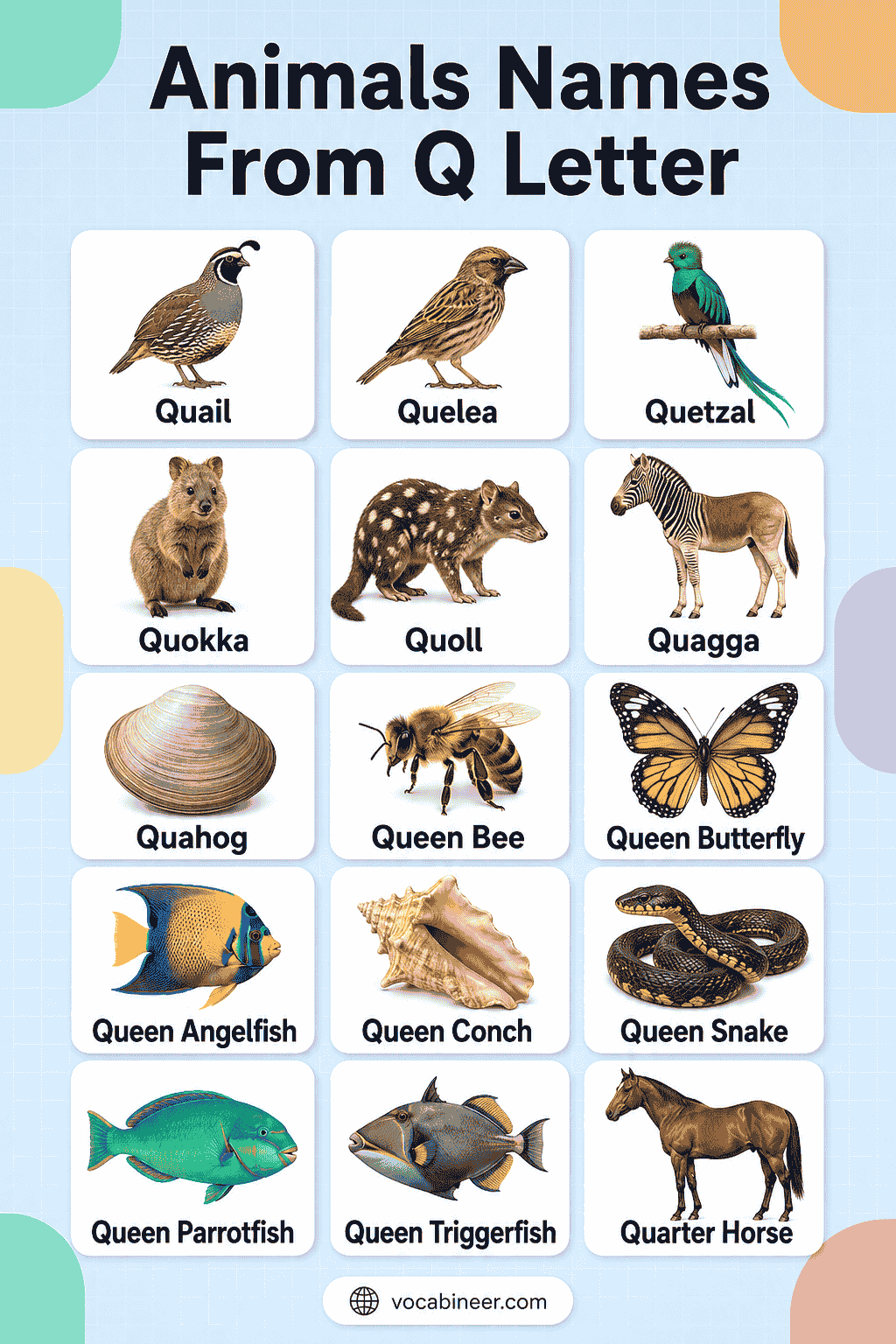
Animal Names Beginning with Q
Animal names that start with Q are uncommon, so this collection includes recognized species, broader animal groups, alternative names, and a few terms that need clarification. The descriptions below explain each name clearly and show which entries should not be counted as separate animals.
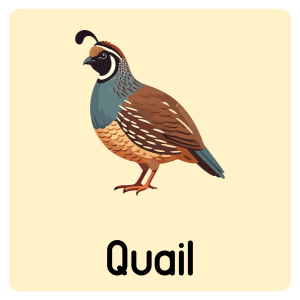
Quail: A quail is a small, round-bodied bird that usually stays close to the ground. Its brown or patterned feathers help it blend into grasslands, farmland, and low vegetation.
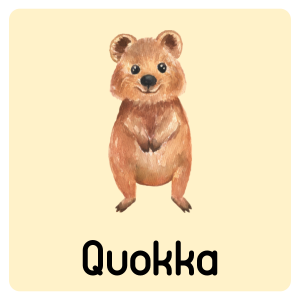
Quokka: The quokka is a small plant-eating marsupial native to Western Australia. It has short ears, strong hind legs, a compact body, and a rounded face.
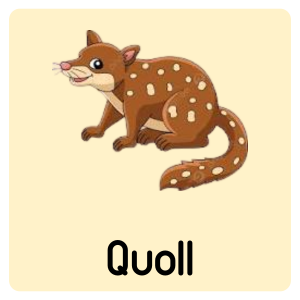
Quoll: A quoll is a carnivorous marsupial found in Australia and New Guinea. Its pointed face and spotted brown or black coat make it easy to recognize.
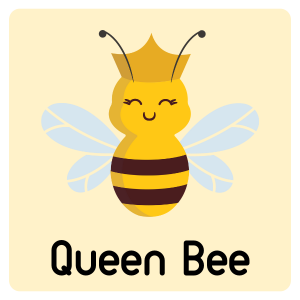
Queen Bee: A queen bee is the main reproductive female in a bee colony, not a separate species. She is usually larger than worker bees and lays most of the colony’s eggs.
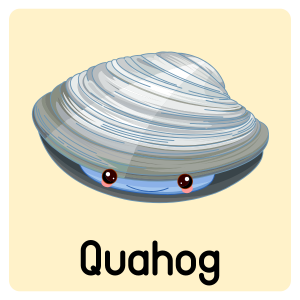
Quahog: A quahog is a thick-shelled marine clam found along the Atlantic coast of North America. Its rounded shell may appear gray, cream, brown, or purple inside.
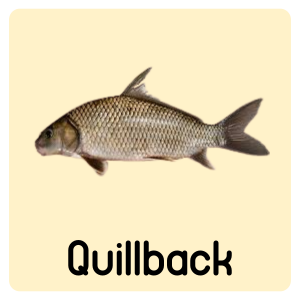
Quillback: The quillback is a deep-bodied freshwater fish from North America. A long, curved ray at the front of its dorsal fin creates its most noticeable feature.
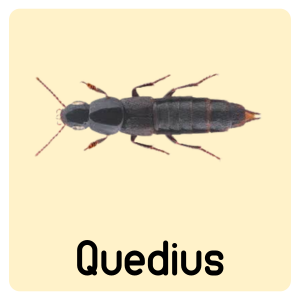
Quedius: Quedius is a genus of rove beetles rather than the common name of one particular species. Quedius beetle is a clearer form for a beginner vocabulary list.
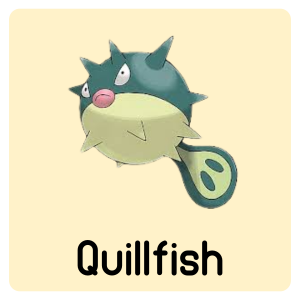
Quillfish: The quillfish is a long, slender marine fish from the North Pacific. Its narrow body gives it a slightly eel-like appearance.
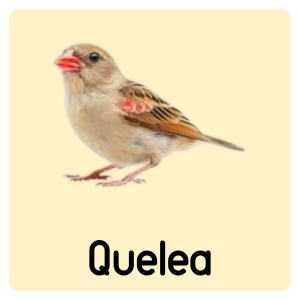
Quelea: Quelea are small African birds belonging to the weaver family. The red-billed quelea is the best-known type and has a compact body with a short, strong bill.
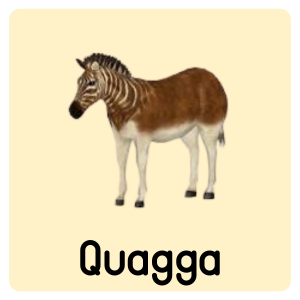
Quagga: The quagga was an extinct relative of the plains zebra from southern Africa. Its head and front body had strong stripes, while the rear section appeared much plainer.
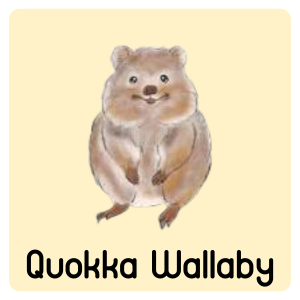
Quokka Wallaby: Quokka wallaby is an alternative name for the quokka rather than a separate animal. Therefore, it should not be counted as an additional species.
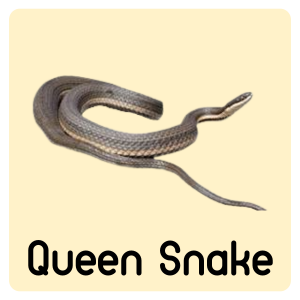
Queen Snake: The queen snake is a slender, nonvenomous snake found near clean streams in North America. It feeds mainly on recently molted crayfish.
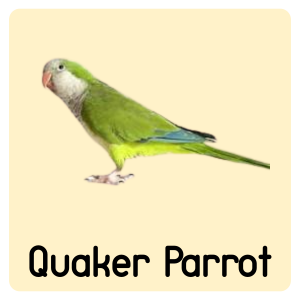
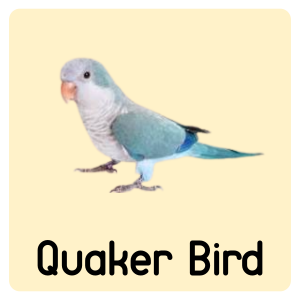
Quaker Parrot: The Quaker parrot, also called the monk parakeet, is a social green bird with a gray face and chest. It is especially known for building large communal stick nests.
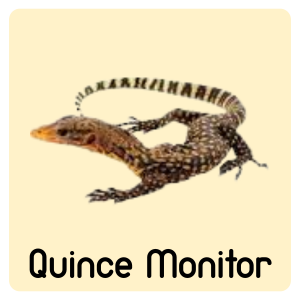
Quince Monitor: The quince monitor is a brightly colored lizard native to Indonesia. Yellow spots and bands cover its dark body, creating a vivid yellow-green appearance.
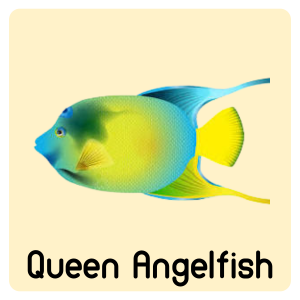
Queen Angelfish: The queen angelfish is a colorful tropical reef fish with blue, yellow, and green markings. A crown-like spot near its forehead helps explain its name.
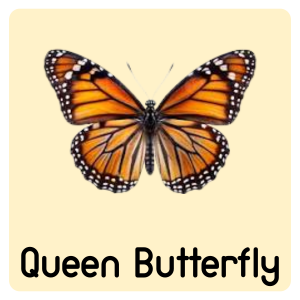
Queen Butterfly: The queen butterfly is an orange-brown butterfly related to the monarch. Its wings have dark borders and small white spots.
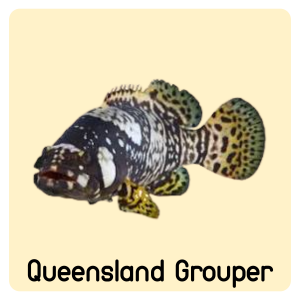
Queensland Grouper: The Queensland grouper, also called the giant grouper, is one of the largest reef fish. It has a heavy body, broad head, large mouth, and mottled coloring.
Quaker Bird: Quaker bird is an informal alternative name for the Quaker parrot. It should not be listed as a separate animal.
Quasi Fish: Quasi fish is not a recognized standard animal name. Remove it unless the intended species can be identified more accurately.
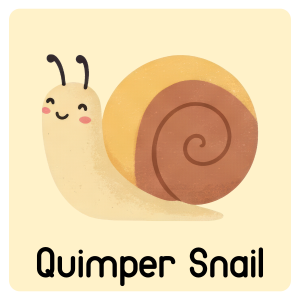
Quimper Snail: The Quimper snail is a land snail found in damp parts of western Europe. It has a rounded, flattened shell and usually lives in shaded woodland and moist vegetation.
Birds That Start with Q
Birds provide some of the most recognizable animal names beginning with Q. However, several of these names represent groups containing more than one species.
Quail are compact ground birds with short wings and rounded bodies. Their brown, tan, gray, or spotted plumage helps them blend into grass, soil, and low plants.
Quetzals belong to the trogon family and live mainly in tropical or mountain forests. Their bright plumage makes them visually striking, while some species have long decorative feathers.
Quelea are small seed-eating birds from Africa. They often gather in groups and have short, strong bills suited to eating grass seeds and grains.
Quaker parrots are social green parrots known for building large stick nests. Unlike most parrots, several pairs may build separate chambers inside one shared nest structure.
Mammals Beginning with Q
Only a few familiar mammal names start with Q. The strongest examples include two living marsupials and one extinct zebra relative.
Quokka is a herbivorous marsupial related to wallabies and kangaroos. It moves by hopping but may also walk slowly while feeding on leaves, stems, grass, and other plant material.
Quoll refers to several species of spotted marsupial predators. Most are active at night and hunt insects, small reptiles, birds, and mammals.
Quagga was once found in southern African grasslands. Although people sometimes describe it as a separate zebra species, it is generally treated as an extinct form or subspecies of the plains zebra.
Reptiles That Begin with Q
Reptile names beginning with Q are rare, but the queen snake and quince monitor provide two clear examples.
Queen Snake: This semiaquatic snake has a narrow body with brown, olive, or gray coloring. Light stripes may run along its sides, helping it blend into streamside environments.
Quince Monitor: This monitor lizard has a long body, powerful limbs, sharp claws, and an extended tail. Its bold yellow markings separate it visually from many darker monitor species.

Fish and Sea Animals with Q Names
A large share of Q animal names belongs to marine life. Some begin with queen, while others use regional, descriptive, or commemorative names.
Queen Angelfish lives around coral reefs and rocky marine areas in the western Atlantic. Its bright coloring and crown-like forehead marking make it one of the easiest Q fish to recognize.
Queen Triggerfish has powerful jaws that help it crush hard prey such as sea urchins and shellfish. It also uses a locking dorsal spine that can help wedge its body into reef openings.
Queensland Grouper is a massive reef predator with a broad head and thick body. Younger fish often show stronger contrasting patterns than older adults.
Quillback Rockfish has tall dorsal spines that resemble quills. Its body may appear brown, orange, yellowish, or mottled depending on age and surroundings.
Quillfish has a much longer and thinner body than the quillback rockfish. Despite the similar names, the two fish look very different.
Quagga Catshark is a relatively small shark with visible crossbands. Unlike large open-water sharks, catsharks often live near the seafloor.
Quoy’s Parrotfish uses its beak-like teeth to graze on reef surfaces. Its body may display green, blue, pink, or yellow tones.
Quahog and Queen Conch are not fish. Both are mollusks with shells, although the quahog is a two-shelled clam and the queen conch is a single-shelled marine snail.
Insects and Mollusks Beginning with Q
The Q list includes two insects and three mollusks with very different body structures.
Queen Bee describes the egg-laying female in a bee colony. She has six legs, wings, antennae, and a longer abdomen than most worker bees.
Queen Butterfly is a winged insect with orange-brown coloring. Its wings carry black borders and small white spots.
Quahog is a bivalve mollusk, meaning its body sits between two hinged shells.
Queen Conch is a gastropod mollusk with one large spiral shell and a muscular foot used for movement.
Quimper Snail is also a gastropod, but it lives on land rather than in the ocean.
Where These Q Animals Live
Q animals appear in tropical forests, grasslands, streams, islands, coral reefs, rocky coasts, and damp woodlands.
Central American forests: Quetzals live among trees in tropical and mountain forests, where dense vegetation provides food and nesting areas.
Western Australia: Quokkas survive on several islands and parts of the mainland, using shrubland, woodland, and thick vegetation for shelter.
Australia and New Guinea: Different quoll species inhabit forests, grasslands, scrub, rocky areas, and other environments.
African grasslands: Quelea birds feed in open areas where grasses and grain crops provide abundant seeds.
North American streams: Queen snakes stay near freshwater environments with rocks and crayfish.
Atlantic coastal waters: Quahogs live beneath sandy or muddy seafloors, while queen angelfish and queen triggerfish occupy warmer reef environments farther south.
Indo-Pacific reefs: Queensland groupers and Quoy’s parrotfish live around coral reefs, rocky structures, and coastal waters.
Western European woodlands: Quimper snails prefer shaded, humid places with leaf litter, moss, and other ground cover.
Living and Extinct Q Animals
Almost every animal in the main list still exists. The quagga is the only clearly extinct animal included.
The quagga disappeared in the nineteenth century after intensive hunting and habitat pressure. Its unusual striping made it visually different from many living zebras, although it remained closely related to plains zebras.
The other Q animals are living, but their conservation situations differ. Some remain widespread, while others have small ranges, face habitat loss, or require legal protection.
Common Q Animal Name Confusions
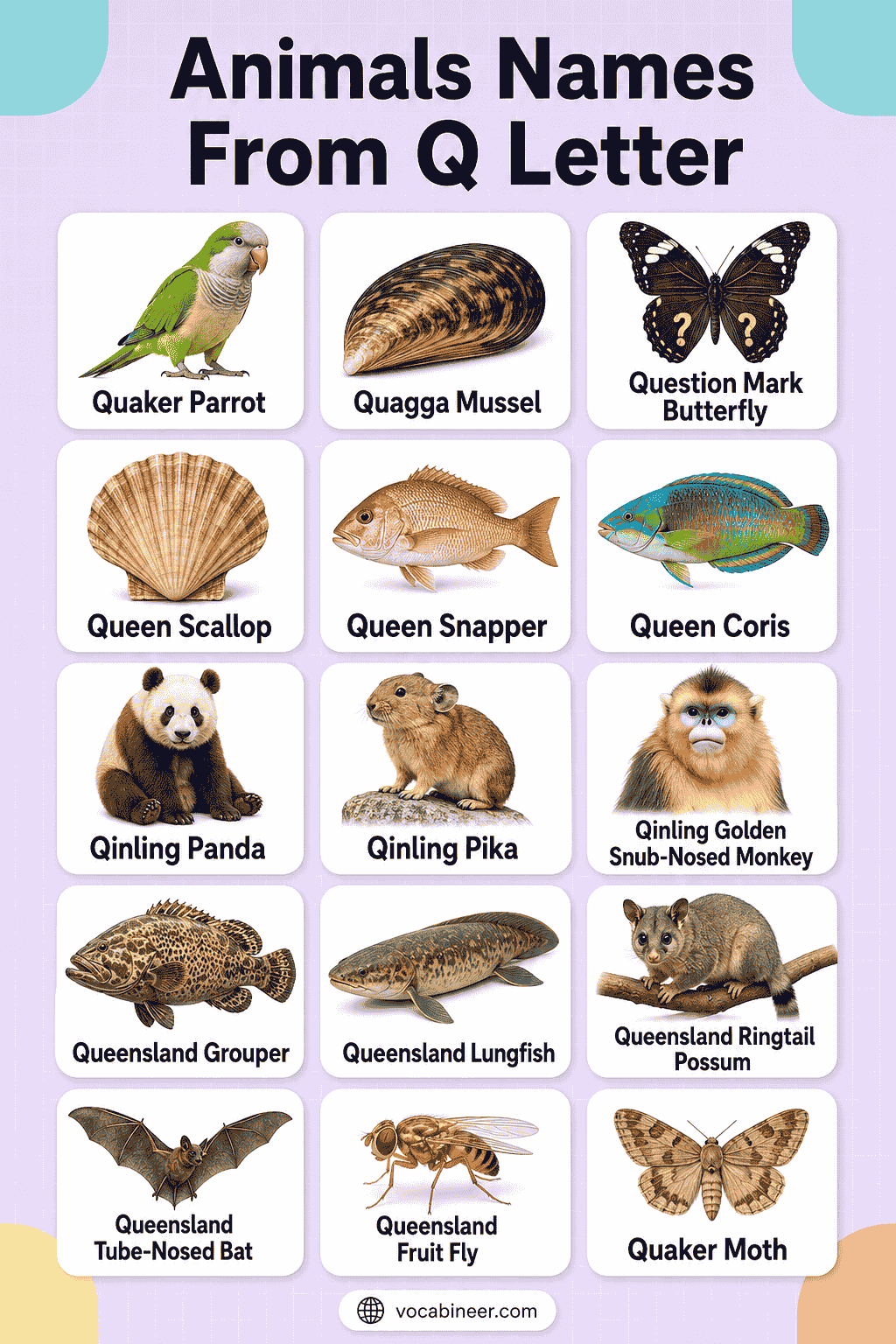
Several Q names describe the same animal, a broad group, or a role rather than a distinct species.
| Names | Main difference |
|---|---|
| Quokka and Quokka Wallaby | Both names refer to the quokka, so they should not be counted as separate animals |
| Quaker Parrot and Monk Parakeet | These are alternative common names for the same parrot |
| Quillfish and Quillback Rockfish | Quillfish are long and narrow; quillback rockfish are deep-bodied with tall dorsal spines |
| Queen Bee and Bee Species | Queen bee describes a colony role rather than a separate bee species |
| Quelea and Red-Billed Quelea | Quelea can refer to a bird group, while red-billed quelea names one particular species |
| Quail and a Quail Species | Quail is a broad group name containing many individual species |
| Quahog and Queen Conch | A quahog is a two-shelled clam; a queen conch is a spiral-shelled sea snail |
Easy Q Animal Sentences for Kids
These short examples help children connect each animal name with its appearance, movement, or habitat.
- The quail walked quietly through the grass.
- A bright quetzal rested on a forest branch.
- The quokka ate leaves near the bushes.
- A spotted quoll searched for food at night.
- The queen bee laid eggs inside the hive.
- A queen snake moved between rocks beside the stream.
- The quahog stayed closed inside its hard shell.
- A flock of quelea flew across the field.
- The Quaker parrot carried a stick to its nest.
- The queen angelfish swam above the coral reef.
- A queen butterfly opened its orange-brown wings.
- The queen conch moved slowly across the seafloor.
FAQs
Some amazing animals that start with Q include the Quokka, Quoll, Queen snake, Quelea bird, and Quahog clam, each found in different parts of the world.
The Quokka lives mainly in Western Australia, especially on Rottnest Island and Bald Island, where it enjoys warm weather, dense vegetation, and a safe, protected natural habitat.
Yes, Quokkas are listed as vulnerable because their habitats are shrinking and they are often hunted by predators like foxes and cats introduced by humans to their environment.
A Quoll is a spotted marsupial from Australia and New Guinea that hunts insects, birds, and small mammals at night using its sharp teeth, quick reflexes, and excellent vision.
The Quelea, especially the Red-billed Quelea, is a small African bird famous for forming massive flocks and being considered one of the world’s most numerous bird species.
Conclusion
Animals that start with “Q” may not be very common, but they are amazing and important. From the smiling Quokka to the spotted Quoll, these animals show how diverse and special nature can be. By learning about and protecting them, we help keep our planet healthy and full of life.
Read More
