

Animals live in different places depending on their size, behavior, food, safety needs, and natural environment. Some animals live in homes made by humans, such as kennels, stables, coops, and barns. However, many wild animals live in natural places such as dens, nests, burrows, caves, forests, rivers, oceans, and grasslands.
Learning 100 animals and their homes in English with pictures helps kids, students, teachers, and English learners understand animal vocabulary more clearly. It also helps readers talk about animals, their shelters, and their habitats in school lessons, daily conversations, and nature studies.
In This Page
What Are Animal Homes?
Animal homes are places where animals live, rest, hide, sleep, lay eggs, or raise their young. Some animals build their own homes, while others use natural spaces. In addition, pets and farm animals often live in shelters made by people.
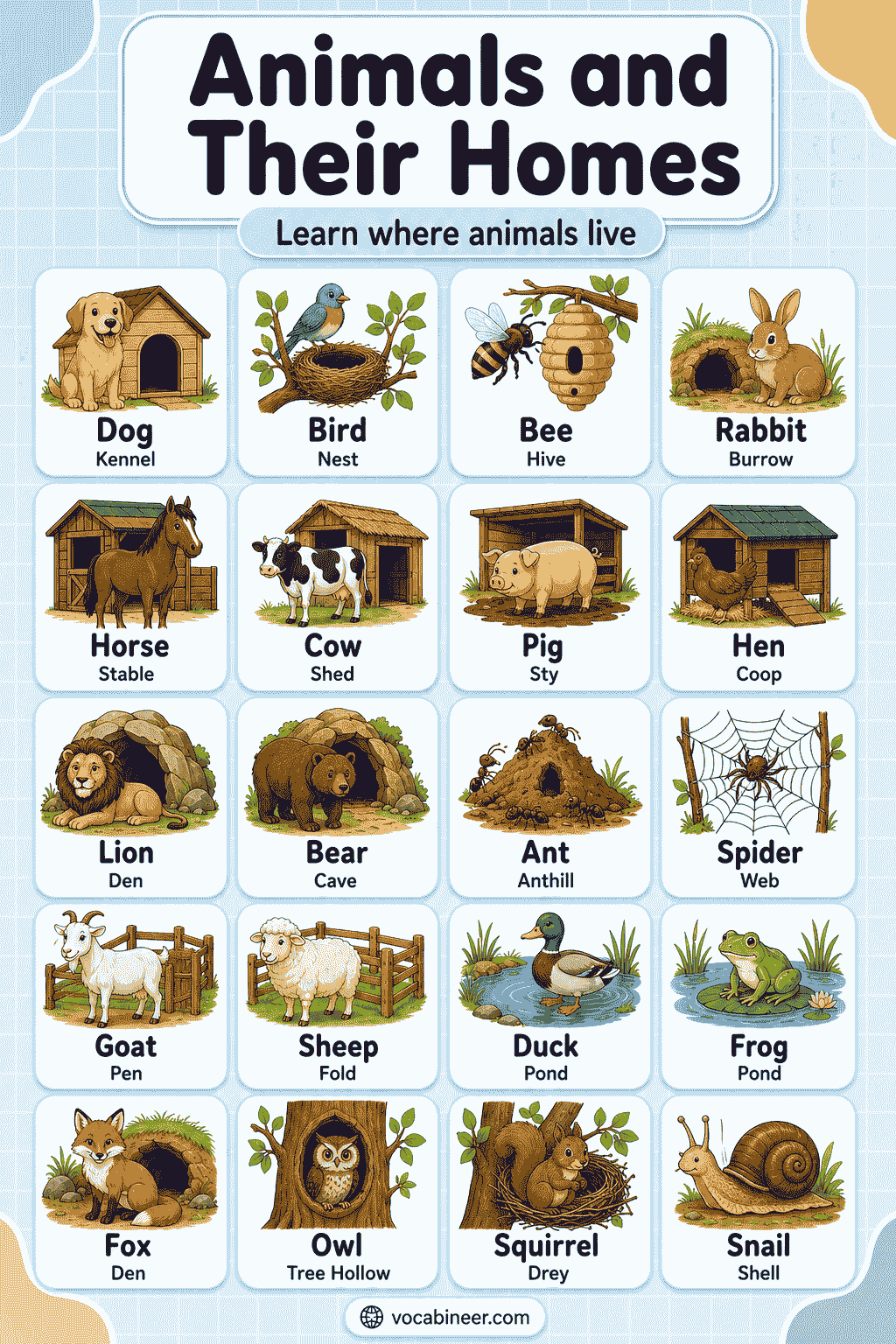
For example, a dog lives in a kennel, a horse lives in a stable, a bird builds a nest, and a bee lives in a hive. Meanwhile, animals like whales, dolphins, and sharks live in large natural habitats such as oceans and seas.
Common Animals and Their Homes in English with Pictures
These are animals that we see often in villages, cities, or schools. Their homes are commonly used in vocabulary teaching for beginners.
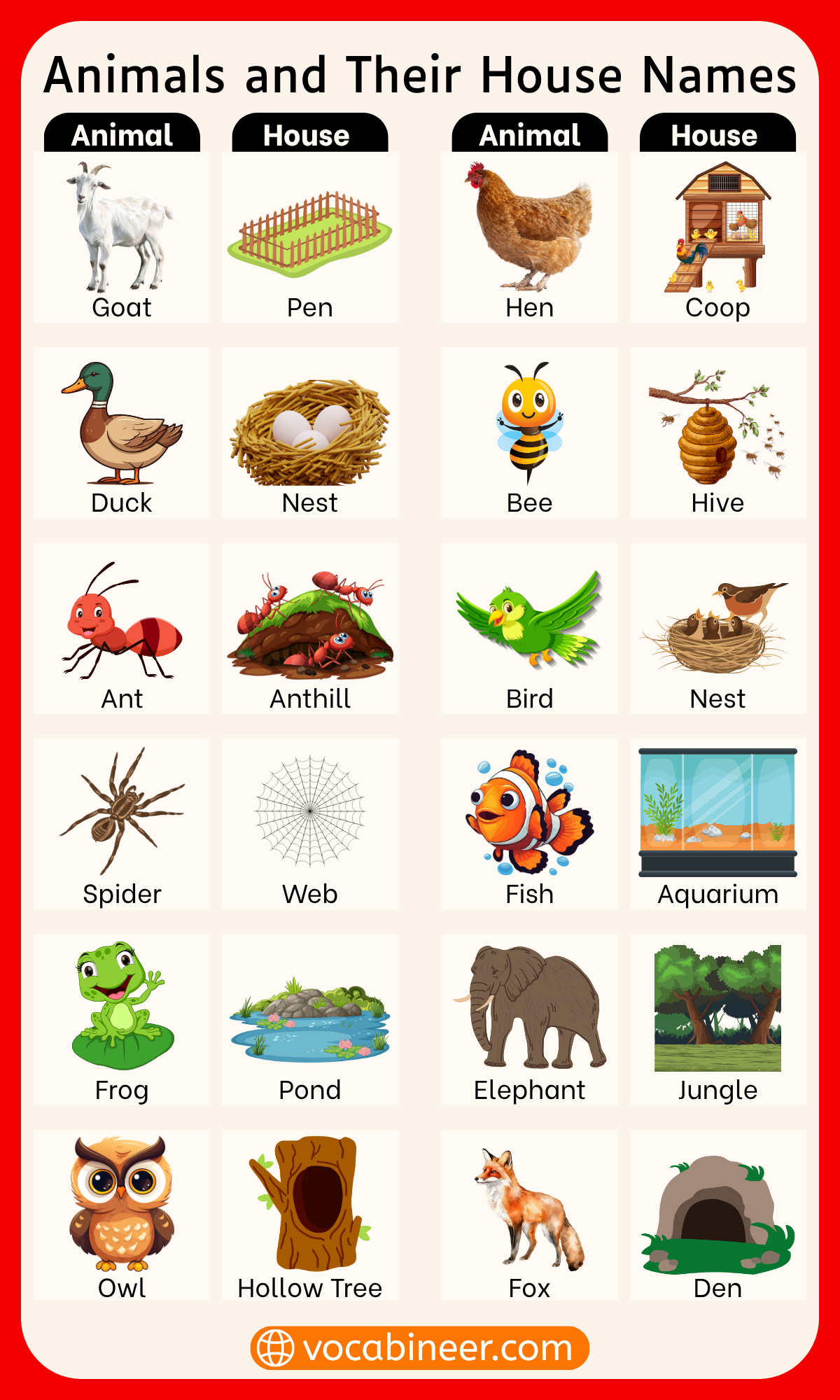
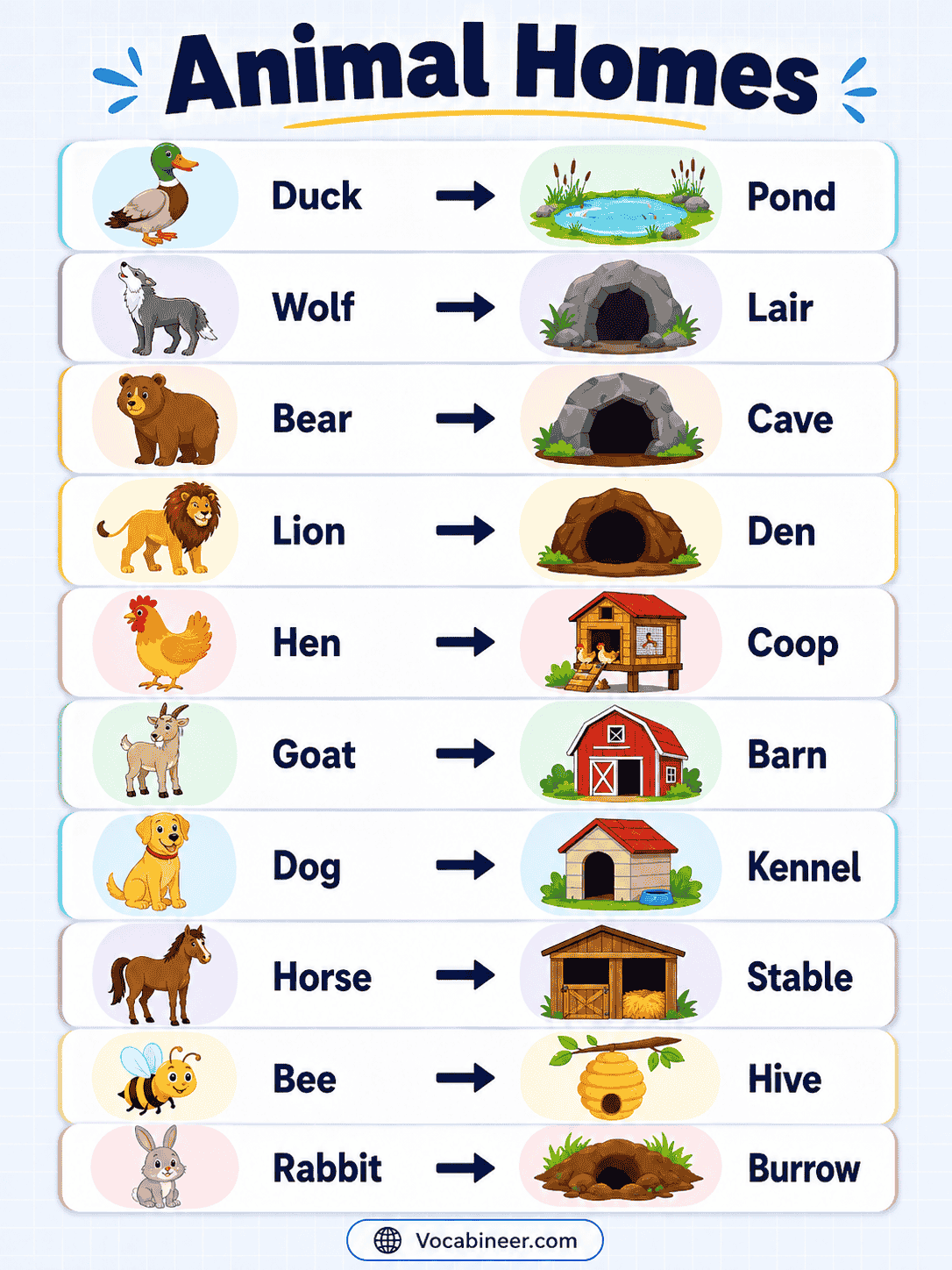
- Lion – lives in a Den
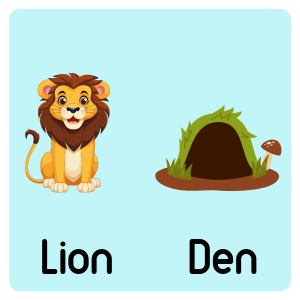
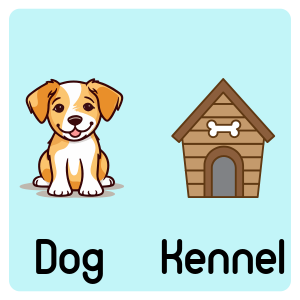
- Dog – lives in a Kennel
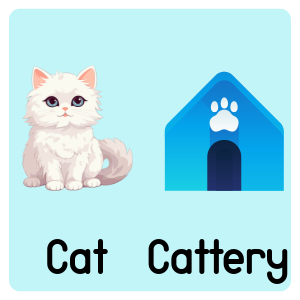
- Cat – lives in a Cattery / House
- Horse – lives in a Stable
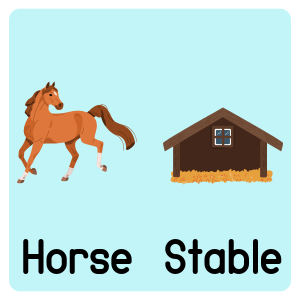
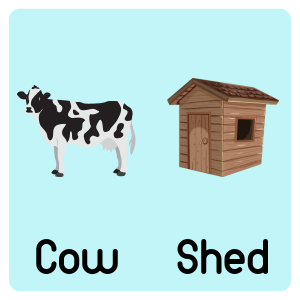
- Cow – lives in a Shed / Barn
- Goat – lives in a Pen
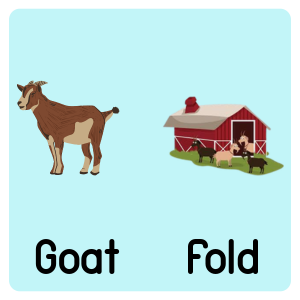
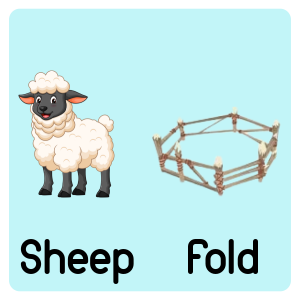
- Sheep – lives in a Fold / Pen
- Pig – lives in a Sty
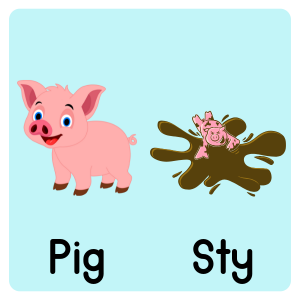
- Hen / Chicken – lives in a Coop
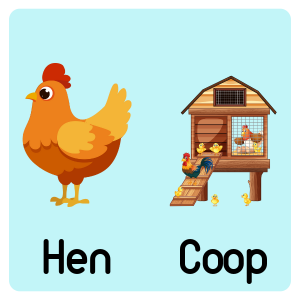
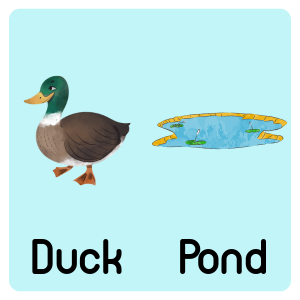
- Duck – lives in a Pond / Nest
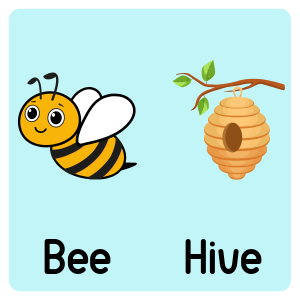
- Bee – lives in a Hive
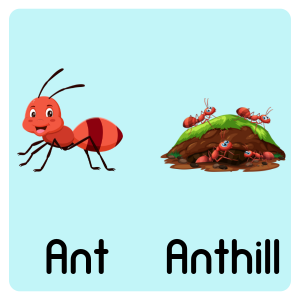
- Ant – lives in an Anthill
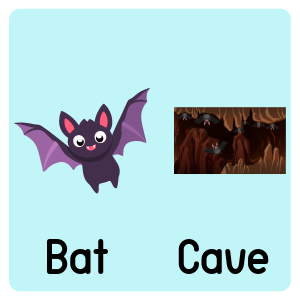
- Bat – lives in a Cave
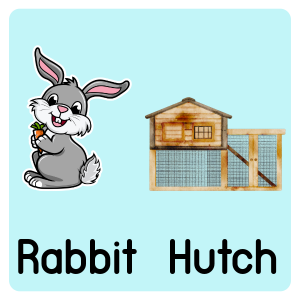
- Rabbit – lives in a Burrow / Hutch
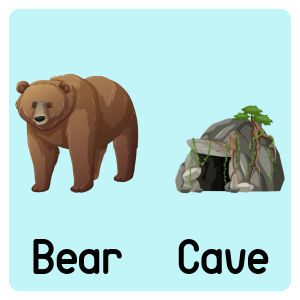
- Bear – lives in a Den / Cave
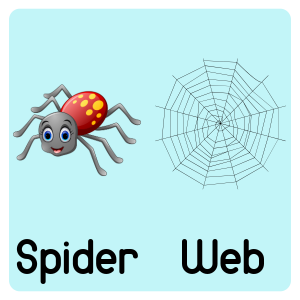
- Spider – lives in a Web
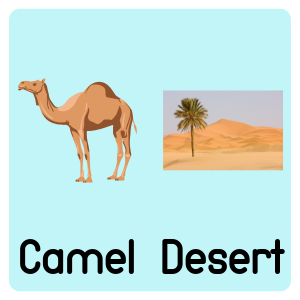
- Camel – lives in a Desert
Animal Homes vs Animal Habitats
Animal homes and animal habitats are related, but they are not always the same. A home is a shelter or resting place, while a habitat is the natural environment where an animal lives.
| Term | Meaning | Examples |
|---|---|---|
| Animal Home | A shelter where an animal rests, hides, or raises young | Den, nest, burrow, kennel |
| Animal Habitat | The natural place where an animal lives | Forest, desert, ocean, grassland |
| Built Home | A shelter made by humans for animals | Stable, coop, barn, kennel |
| Natural Home | A place animals use or build in nature | Cave, hive, nest, burrow |
So, dog — kennel is a clear animal home. However, whale — ocean is better understood as a habitat. In this article, “animal homes” includes both shelters and natural living places for easy learning.
Learning Animal Homes with Pictures
Pictures make animal homes easier to understand because kids can connect each animal with the place where it lives. For example, a picture of a bird and nest, a dog and kennel, or a bee and hive helps learners remember the words faster.
Pictures are useful for learning:
- Animal names.
- Animal home names.
- Natural habitats.
- Farm animal shelters.
- Bird nests.
- Insect homes.
- Pet animal homes.
- Wild animal living places.
When learners see animals and their homes together, the vocabulary becomes easier to recognize and remember.
Types of Animal Homes
Animals use many different types of homes. Some homes are built by animals, some are made by people, and some are natural places.
- Den — A hidden shelter used by animals like lions, foxes, wolves, and bears.
- Nest — A home built by birds to lay eggs and protect chicks.
- Burrow — An underground tunnel used by rabbits, foxes, moles, and other animals.
- Cave — A natural rocky shelter used by bears, bats, and some wild animals.
- Hive — A wax home made by bees.
- Anthill — A soil mound made by ants.
- Web — A silk structure made by spiders.
- Stable — A built home for horses and donkeys.
- Coop — A built home for hens and chickens.
- Kennel — A home or shelter for dogs.
- Sty — A shelter for pigs.
- Barn — A farm building used for animals like cows, goats, and buffaloes.
- Hutch — A small cage-like home for rabbits.
- Aquarium — A glass tank used for fish and some aquatic pets.

Built Homes vs Natural Homes
Some animal homes are built by humans, while others are made by animals or formed naturally.
| Feature | Built Homes | Natural Homes |
|---|---|---|
| Made by | Humans | Animals or nature |
| Main purpose | Safety, care, farming, and pet keeping | Protection, nesting, resting, and survival |
| Common examples | Kennel, stable, coop, barn, hutch | Den, nest, burrow, cave, hive |
| Common animals | Dogs, horses, cows, hens, rabbits | Lions, birds, foxes, bears, bees |
Built homes are common for pets and farm animals. Natural homes are common for wild animals, birds, insects, and animals that live in forests, rivers, deserts, or oceans.
Common Animal Home Vocabulary
Here are useful animal home words in English:
- Den
- Nest
- Burrow
- Cave
- Hive
- Anthill
- Web
- Stable
- Barn
- Kennel
- Coop
- Sty
- Pen
- Fold
- Hutch
- Cage
- Aquarium
- Pond
- Eyrie
- Drey
- Cote
- Loft
- Lair
- Lodge
- Roost
- Warren
These words help learners describe where animals live, rest, sleep, or raise their young.
Farm Animals and Their Homes
Farm animals are often kept in built shelters. These homes protect them from weather, danger, and other animals.
- Cow — Shed / Barn
- Horse — Stable
- Goat — Pen / Barn
- Sheep — Fold / Pen
- Pig — Sty
- Hen — Coop / Henhouse
- Duck — Duck house / Pond
- Turkey — Coop / Farm pen
- Donkey — Stable / Shed
- Buffalo — Shed / Barn
- Ox — Barn
- Camel — Pen / Shade shelter
Farm animal homes are usually built by humans to keep animals safe, clean, and healthy.
Wild Animals and Their Natural Homes
Wild animals live in forests, jungles, deserts, mountains, grasslands, caves, or underground spaces. Their homes help them hide, rest, hunt, or raise young.
- Lion — Den
- Tiger — Lair / Forest
- Bear — Cave / Den
- Wolf — Den
- Fox — Burrow / Den
- Leopard — Tree / Cave / Bushes
- Elephant — Forest / Grassland
- Deer — Forest / Grassland
- Monkey — Tree
- Giraffe — Savannah
- Zebra — Grassland
- Kangaroo — Grassland
- Snake — Hole / Den
- Jackal — Den
- Hyena — Den
Some wild animal “homes” are exact shelters, while others are natural habitats.
Birds and Their Nests
Birds usually build nests to lay eggs and protect their chicks. Different birds build nests in trees, cliffs, holes, rooftops, mud walls, or ground spaces.
- Sparrow — Nest
- Crow — Nest
- Pigeon — Loft / Nest
- Dove — Cote / Nest
- Eagle — Eyrie
- Owl — Tree hollow / Barn
- Parrot — Tree hole / Cage
- Swallow — Mud nest
- Woodpecker — Tree hole
- Peacock — Ground nest / Tree branch
- Penguin — Colony / Nesting ground
- Swan — Lake nest
- Goose — Pond / Nest
- Flamingo — Mud nest / Wetland
- Partridge — Thicket / Ground nest
Bird homes are often called nests, but some bird homes have special names, such as eyrie, cote, and loft.
Water Animals and Their Habitats
Water animals often live in habitats rather than houses. They may live in oceans, rivers, ponds, lakes, swamps, wetlands, or tanks.
- Fish — Pond / River / Lake / Ocean
- Goldfish — Aquarium / Fish tank
- Frog — Pond / Wetland
- Crocodile — River / Swamp
- Turtle — Pond / Tank / Beach nest
- Tortoise — Burrow / Dry land shelter
- Whale — Ocean
- Dolphin — Sea / Ocean
- Shark — Ocean
- Octopus — Ocean den / Rocks
- Jellyfish — Sea
- Seal — Coast / Ice / Sea
- Walrus — Ice / Coast
- Crab — Hole / Shore
- Lobster — Sea bed / Rocks
For aquatic animals, words like ocean, river, pond, and swamp are habitats, not built homes.
Insects and Their Homes
Insects often build small homes in soil, wood, leaves, corners, trees, or underground spaces. Many insects live in groups called colonies.
- Bee — Hive
- Ant — Anthill / Underground nest
- Termite — Mound
- Wasp — Nest
- Spider — Web
- Butterfly — Leaves / Garden
- Mosquito — Stagnant water
- Beetle — Soil / Wood / Leaves
- Grasshopper — Grassland / Fields
- Worm — Soil
- Fly — House / Garbage area
- Ladybug — Leaves / Garden
- Caterpillar — Leaves
- Cricket — Grass / Soil cracks
Insect homes are often small, hidden, and closely connected with food and safety.
Pet Animals and Their Homes
Pets live with people or in special homes made for comfort and safety.
- Dog — Kennel / House
- Cat — Basket / House / Cattery
- Rabbit — Hutch / Cage
- Hamster — Cage
- Parrot — Cage / Aviary
- Budgie — Birdcage
- Goldfish — Aquarium / Fish tank
- Turtle — Tank / Terrarium
- Guinea Pig — Cage
- Mouse — Cage
- Rat — Cage / Hole
- Ferret — Cage
- Canary — Cage
- Lizard — Terrarium
Pets may have more than one type of home. For example, a dog may sleep in a kennel outside or live inside the house with its family.
Easy Animal Homes for Kids
Kids can learn animal homes more easily with short and common examples.
- Dog — Kennel
- Cat — House
- Cow — Shed
- Horse — Stable
- Pig — Sty
- Hen — Coop
- Bird — Nest
- Bee — Hive
- Ant — Anthill
- Rabbit — Burrow
- Lion — Den
- Bear — Cave
- Fish — Water
- Frog — Pond
- Spider — Web
Simple examples for kids:
- A dog sleeps in a kennel.
- A bird builds a nest.
- A bee lives in a hive.
- A rabbit digs a burrow.
- A horse rests in a stable.
- A spider makes a web.
Land, Water, and Tree Animal Homes
Animals live in different environments. Some live on land, some live in water, and some live in trees or high places.
| Environment | Common Home or Habitat Words |
|---|---|
| Land | Den, burrow, cave, stable, barn, kennel |
| Water | Pond, river, lake, ocean, swamp, aquarium |
| Trees and air | Nest, eyrie, tree hollow, drey, roost |
| Farm areas | Shed, coop, pen, fold, sty, stable |
| Underground | Burrow, hole, anthill, tunnel |
This section helps learners group animal homes by place and environment.
How to Identify Animal Homes
Animal homes can be recognized by their shape, material, and location.
| What You See | Home Name |
|---|---|
| A small wooden shelter for a dog | Kennel |
| A straw-filled shelter for a horse | Stable |
| A round structure made of twigs | Nest |
| An underground tunnel | Burrow |
| A rocky natural opening | Cave |
| A wax structure made by bees | Hive |
| A soil mound made by ants | Anthill |
| Silk threads made by a spider | Web |
| A farm building for cows | Barn |
| A small cage-like home for rabbits | Hutch |
| A water tank for fish | Aquarium |
| A large nest on a cliff | Eyrie |
This guide is useful when learning animal homes with pictures.
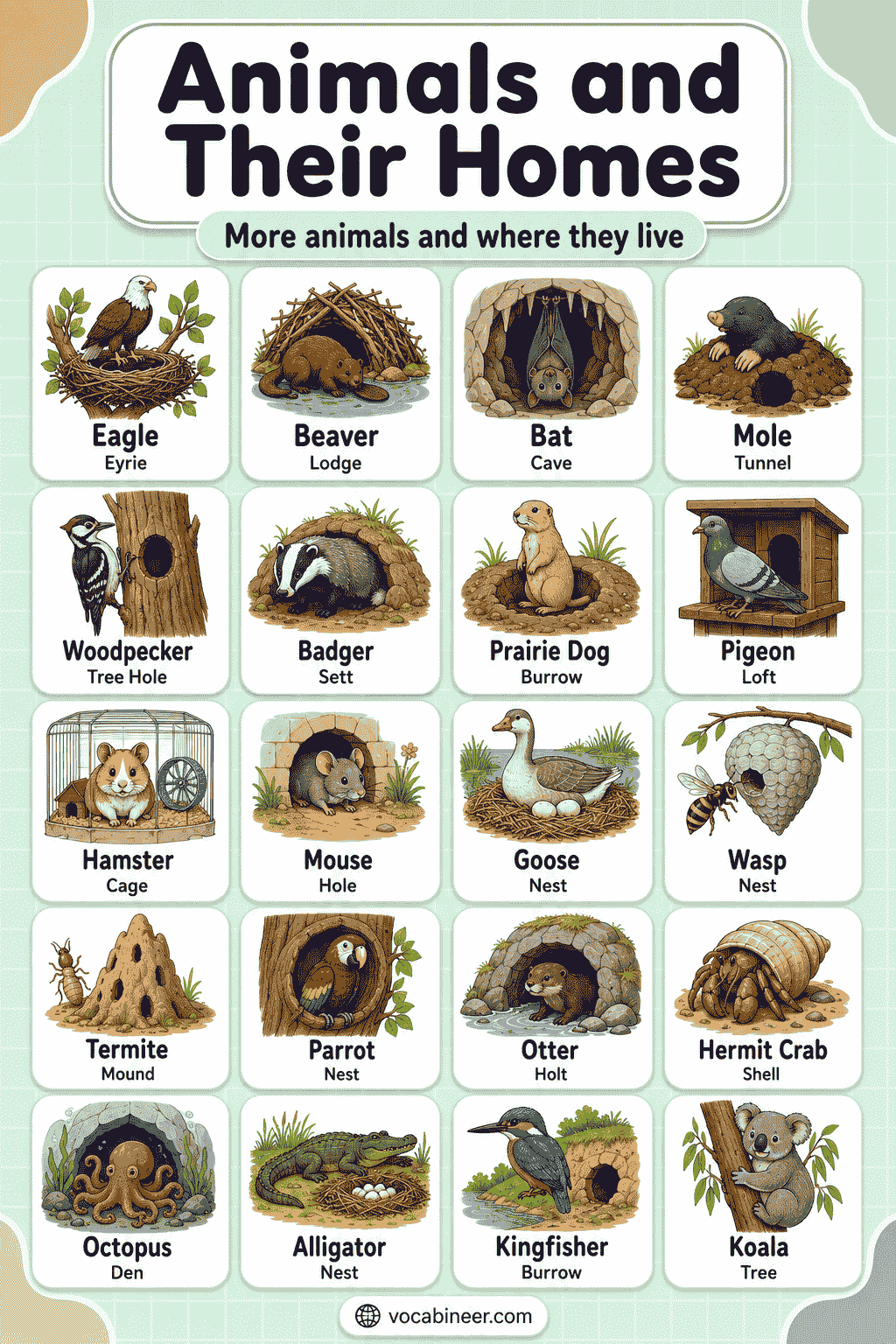
100 Animals and Their Homes List
Below is a clean list of 100 animals and their homes or habitats in English.
- Dog — Kennel
- Cat — Cattery / House
- Cow — Shed / Barn
- Horse — Stable
- Goat — Pen / Barn
- Sheep — Fold / Pen
- Pig — Sty
- Hen — Coop
- Duck — Pond / Duck house
- Turkey — Coop / Farm pen
- Donkey — Stable / Shed
- Buffalo — Shed / Barn
- Ox — Barn
- Camel — Desert / Shade shelter
- Rabbit — Burrow / Hutch
- Lion — Den
- Tiger — Lair / Forest
- Bear — Cave / Den
- Wolf — Den
- Fox — Burrow / Den
- Leopard — Tree / Cave
- Cheetah — Grassland / Den
- Elephant — Forest / Grassland
- Deer — Forest / Grassland
- Monkey — Tree
- Gorilla — Forest
- Chimpanzee — Tree / Forest
- Panda — Forest
- Koala — Tree
- Sloth — Tree
- Giraffe — Savannah
- Zebra — Grassland
- Kangaroo — Grassland
- Rhinoceros — Grassland / Forest
- Hippopotamus — Riverbank
- Hyena — Den
- Jackal — Den
- Snake — Hole / Den
- Lizard — Hole / Rocks
- Tortoise — Burrow / Dry land shelter
- Frog — Pond / Wetland
- Crocodile — River / Swamp
- Fish — Pond / River / Ocean
- Goldfish — Aquarium / Fish tank
- Turtle — Pond / Tank / Beach nest
- Whale — Ocean
- Dolphin — Sea / Ocean
- Shark — Ocean
- Octopus — Ocean den / Rocks
- Jellyfish — Sea
- Seal — Coast / Ice / Sea
- Walrus — Ice / Coast
- Otter — Den / Riverbank
- Beaver — Lodge
- Crab — Hole / Shore
- Lobster — Sea bed / Rocks
- Catfish — River
- Penguin — Colony / Nesting ground
- Sparrow — Nest
- Crow — Nest
- Pigeon — Loft / Nest
- Dove — Cote / Nest
- Eagle — Eyrie
- Owl — Tree hollow / Barn
- Parrot — Tree hole / Cage
- Swallow — Mud nest
- Woodpecker — Tree hole
- Peacock — Ground nest / Tree branch
- Swan — Lake nest
- Goose — Pond / Nest
- Flamingo — Mud nest / Wetland
- Partridge — Thicket / Ground nest
- Bee — Hive
- Ant — Anthill / Underground nest
- Termite — Mound
- Wasp — Nest
- Spider — Web
- Butterfly — Leaves / Garden
- Mosquito — Stagnant water
- Beetle — Soil / Wood
- Grasshopper — Grassland / Fields
- Worm — Soil
- Fly — House / Garbage area
- Ladybug — Leaves / Garden
- Caterpillar — Leaves
- Cricket — Grass / Soil cracks
- Snail — Shell / Garden
- Squirrel — Drey
- Mole — Burrow
- Hedgehog — Nest / Hedge
- Porcupine — Burrow / Den
- Mouse — Hole
- Rat — Hole
- Hamster — Cage
- Guinea Pig — Cage
- Budgie — Birdcage
- Canary — Cage
- Ferret — Cage / Burrow
- Reindeer — Tundra
- Polar Bear — Ice cave / Arctic habitat
Summary
Animals live in many different homes and habitats depending on their needs and natural behavior. Some animals stay in human-made shelters, such as kennels, stables, coops, barns, cages, and aquariums. Others make or find natural homes in dens, nests, burrows, caves, hives, anthills, and webs, while many species live across larger habitats such as forests, rivers, oceans, deserts, and grasslands.
Learning 100 animals and their homes in English helps children and English learners expand their animal vocabulary and connect each animal with its living place. This topic also helps learners understand how different homes provide animals with shelter, protection, suitable conditions, and access to food and water.
FAQs
A den is a hidden or sheltered home used by animals such as lions, wolves, foxes, and bears. It protects them from danger and gives them a safe place to rest or raise their young.
Most birds build nests, but not all nests look the same. Some birds build nests in trees, some use holes, some nest on the ground, and penguins often nest on ice, rocks, or coastal ground.
A burrow is an underground tunnel dug by animals like rabbits, foxes, moles, and meerkats. A cave is a natural rocky space often used by animals like bears and bats.
No, anthills and beehives are made differently. Ants build anthills from soil, while bees build hives using wax. Both homes protect their colonies.
Yes, pets can have more than one type of home. A dog may live in a kennel or inside the house, while a rabbit may live in a hutch, cage, or indoor pet area.
Read More
