Surgical tools are specialized medical instruments that help surgeons perform operations safely and accurately. Each tool serves a specific function, such as cutting, holding, clamping, or suturing tissue, to ensure precision during procedures. Understanding the different types and names of surgical instruments helps medical students and professionals recognize how each one supports successful modern surgery.
In This Page
Main Types of Surgical Instruments
Surgical instruments fall into categories based on their main functions, such as cutting, grasping, clamping, retracting, and suturing. This classification helps surgeons select the right tools for each procedure while ensuring accuracy, safety, and efficiency during every operation.
Cutting and Dissecting Instruments
Used for making incisions or separating tissue, these tools—such as scalpels, scissors, and osteotomes—provide sharp precision and clean surgical cuts. Moreover, they must remain well-sharpened to prevent tissue damage and ensure smooth operation.
Grasping and Holding Instruments
Forceps and clamps allow surgeons to hold tissues or objects firmly during a procedure. In addition, they help maintain control and minimize slippage, which is crucial during delicate or extended surgeries.
Clamping and Occluding Instruments
Hemostats and artery forceps are essential for controlling blood flow by clamping vessels temporarily. Consequently, they ensure a clear surgical field and reduce the risk of excessive bleeding.
Retracting and Exposing Instruments
Retractors keep incisions open and tissues separated, allowing better visibility and access to internal organs. Furthermore, they reduce fatigue for the surgeon by holding tissues steadily in place.
Suturing and Stapling Instruments
Needle holders, staplers, and suture scissors are used to close wounds or incisions efficiently and securely. Additionally, they promote faster healing and help maintain proper tissue alignment after surgery.
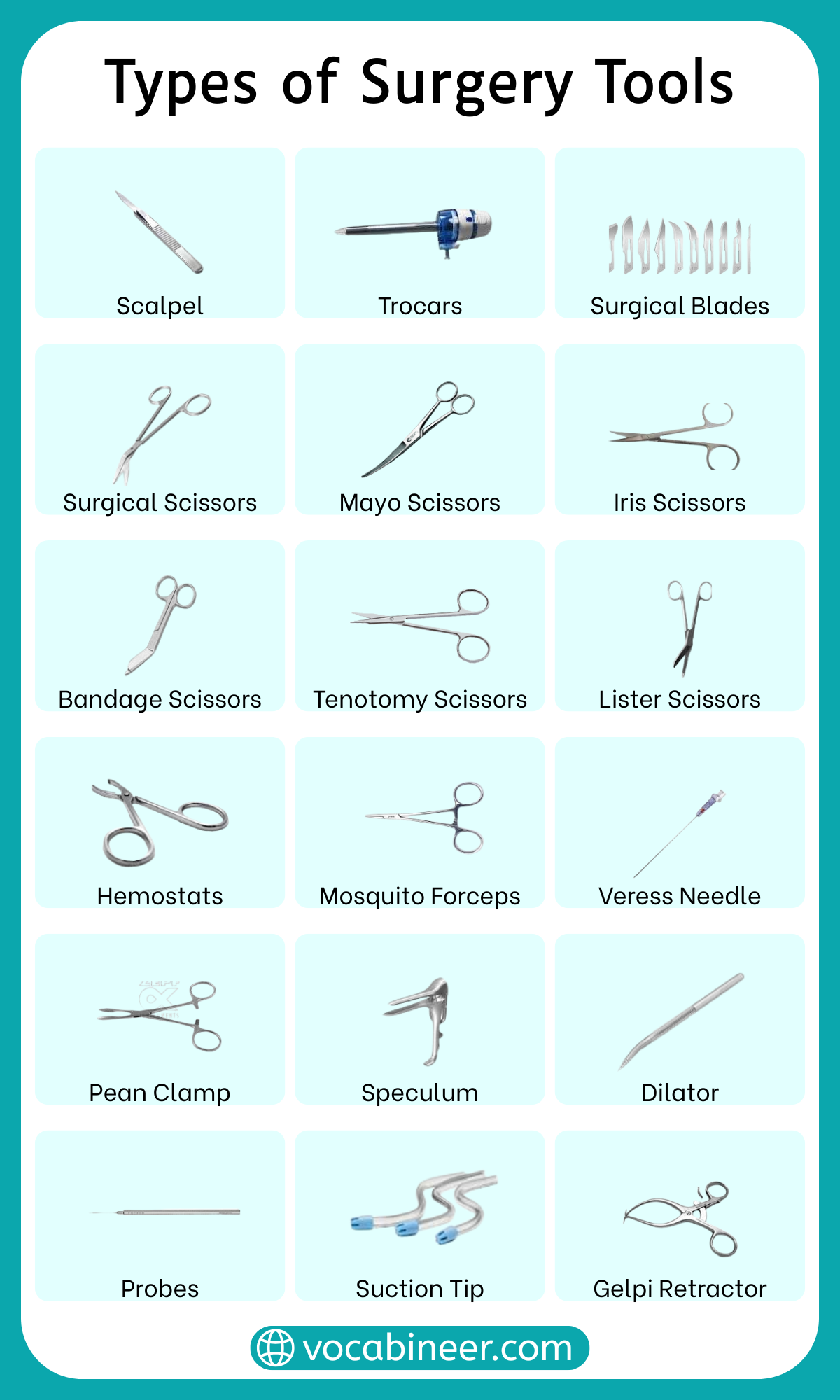
Common Surgical Tools and Their Functions
Surgical tools help doctors and surgeons perform careful medical procedures. Each tool has a specific function, such as cutting, holding, clamping, stitching, cleaning, or improving visibility during surgery.
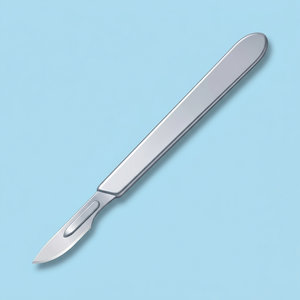
- Scalpel — A small sharp blade used to make precise cuts in tissue.
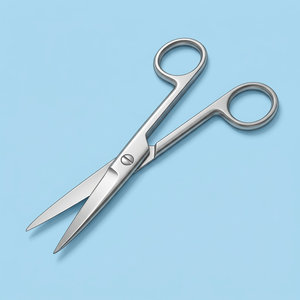
- Surgical Scissors — Used to cut tissue, sutures, bandages, or other surgical materials.
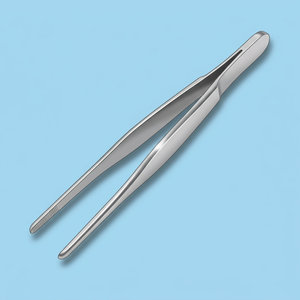
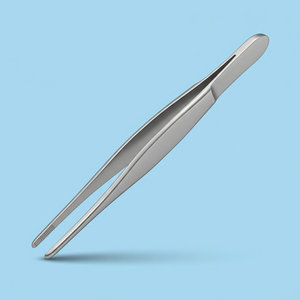
- Forceps — Used to grasp, hold, or move tissue and small objects during a procedure.
- Retractors — Used to hold back tissue or organs so the surgeon can see the area clearly.
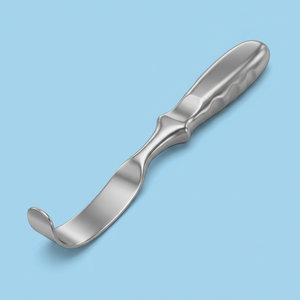
- Needle Holder — Used to firmly hold a surgical needle while stitching tissue.
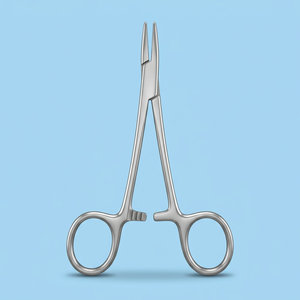
- Hemostat — Used to clamp blood vessels and help control bleeding.
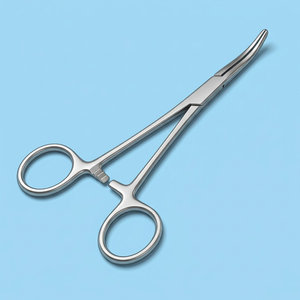
- Suction Tip — Used to remove blood, fluid, or debris from the surgical area.
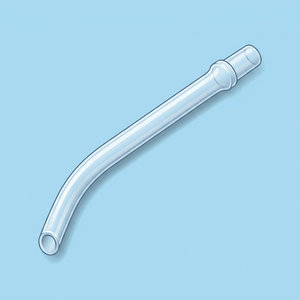
- Surgical Clamp — Used to hold tissue, vessels, or materials in place during surgery.
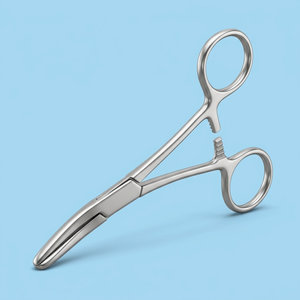
- Towel Clamp — Used to secure surgical drapes or towels around the operating area.
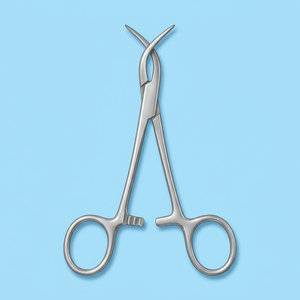
- Sponge Forceps — Used to hold gauze or sponges for cleaning or absorbing fluids.
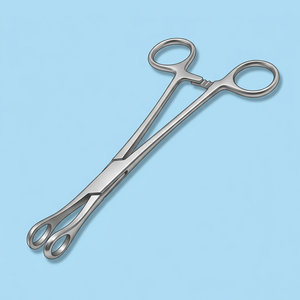
- Speculum — Used to gently hold open a body opening for examination or treatment.
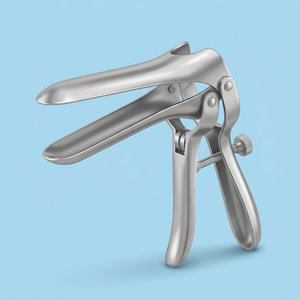
- Surgical Probe — Used to examine wounds, openings, or tissue areas carefully.
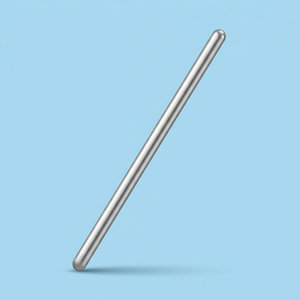
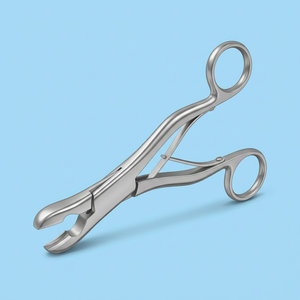
- Rongeur — Used to remove small pieces of bone or tough tissue.
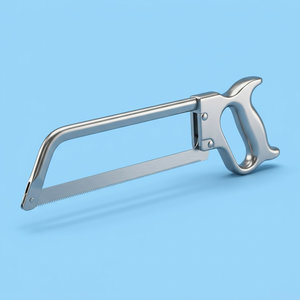
- Bone Saw — Used to cut bone during orthopedic or surgical procedures.
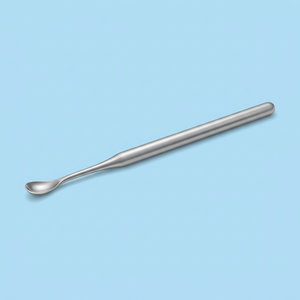
- Curette — Used to scrape or clean tissue from a surface or cavity.
- Trocar — Used to create an entry point for surgical instruments in certain procedures.
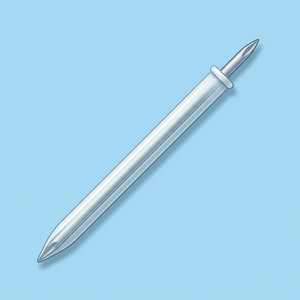
- Surgical Stapler — Used to close wounds or join tissue quickly with surgical staples.
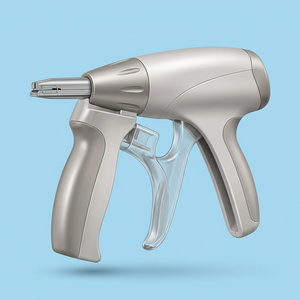
- Suture Needle — Used with surgical thread to stitch wounds or tissue.
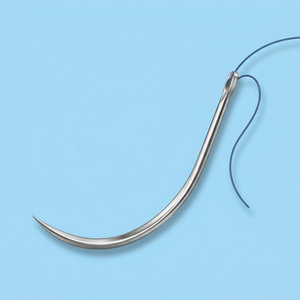
- Electrocautery Tool — Used to cut tissue or control bleeding with heat.
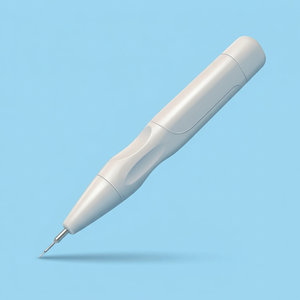
- Dressing Forceps — Used to handle dressings, gauze, or delicate materials during wound care.
Specialized Instruments by Surgery Type
Different medical fields require unique tools for their procedures. Specialized instruments are designed to suit the anatomy and precision level of each specialty, helping surgeons perform operations effectively while minimizing tissue trauma.
Orthopedic Surgical Tools
Used in bone and joint surgeries, orthopedic tools include bone saws, chisels, drills, and retractors. These instruments are built for strength, precision, and durability in handling hard tissue.
Dental and Oral Surgery Instruments
Dental surgeries require smaller instruments such as elevators, forceps, and curettes. They help extract teeth, remove bone fragments, and clean periodontal areas with high precision.
Plastic and Cosmetic Surgery Tools
Plastic surgeons use fine scissors, micro-forceps, and skin retractors to achieve delicate tissue handling and precise incisions, ensuring minimal scarring and aesthetic accuracy.
Brain and Neurosurgery Instruments
Neurosurgical tools include micro-scissors, micro-forceps, and retractors. These are lightweight and designed for extreme precision when working around sensitive nerves and brain tissues.
Advanced Surgical Tools by Specialty
General Surgery Instruments
These include scalpels, clamps, and scissors used in most open surgeries. They ensure precision and control while cutting or dissecting tissue safely during general surgical procedures.
Orthopedic Surgical Tools
Used for bones and joints, orthopedic tools like bone saws, chisels, and drills allow surgeons to cut, reshape, and repair skeletal structures with strength and accuracy.
Dental Surgical Instruments
Common tools such as elevators, forceps, and curettes assist in extractions and oral surgeries. Their compact design ensures safe and precise procedures inside the mouth.
Plastic and Reconstructive Surgery Tools
These instruments, including fine scissors and skin retractors, enable delicate tissue handling and enhance cosmetic precision during reconstructive or aesthetic surgeries.
Neurosurgery Instruments
Specialized tools like micro-forceps and retractors allow surgeons to operate precisely on the brain and nerves, minimizing damage to delicate neural tissues.
Ophthalmic Surgical Tools
Used in eye surgeries, instruments such as micro-scissors and eye speculums offer precision and control for procedures on sensitive eye structures.
ENT Surgical Instruments
Tools like nasal speculums and tonsil forceps help ENT surgeons perform delicate operations within the narrow areas of the ear, nose, and throat.
Laparoscopic Surgery Tools
Laparoscopic instruments such as trocars and graspers enable minimally invasive procedures, reducing incision size, recovery time, and surgical complications.
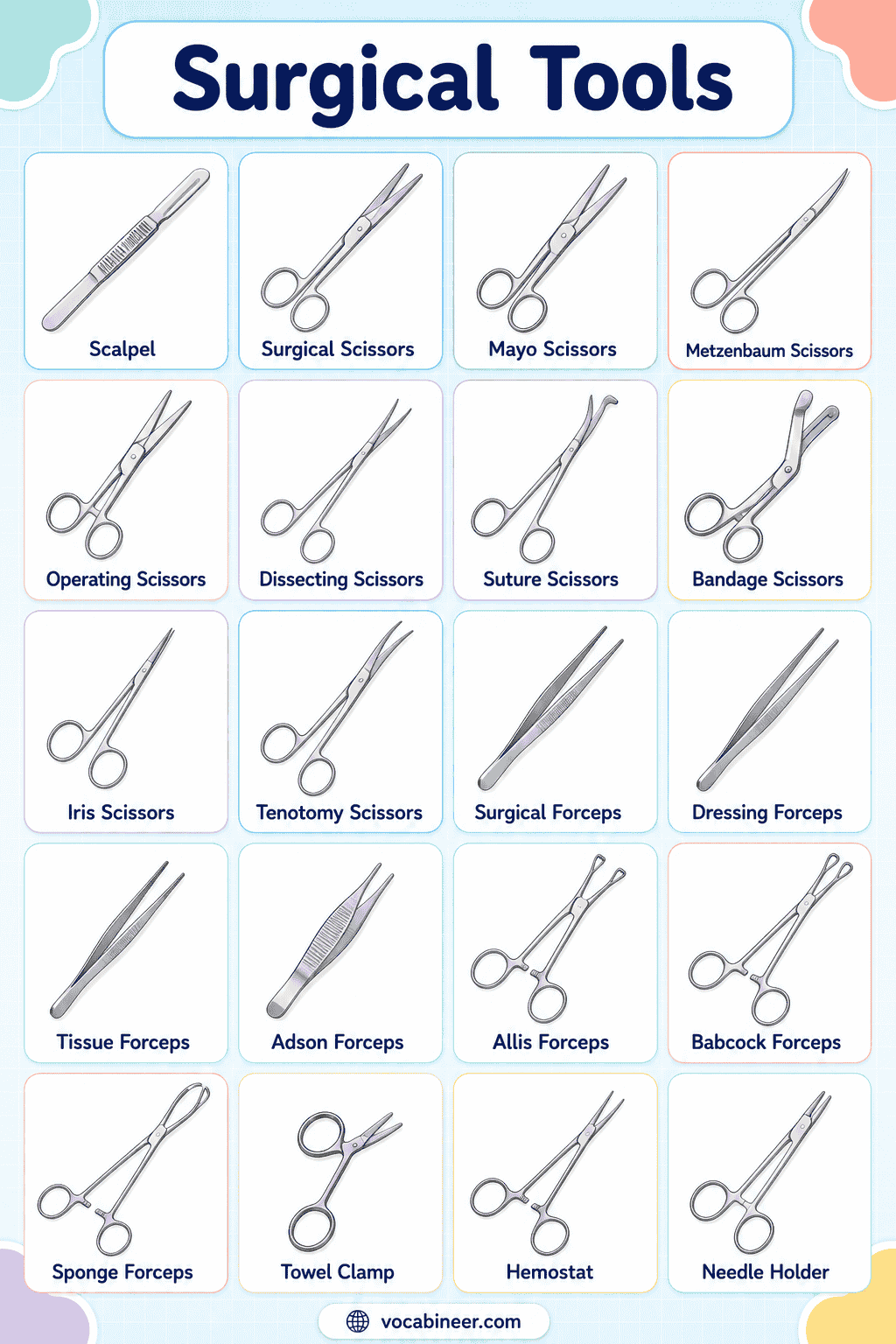
Basic Surgical Instruments
Surgical instruments are essential tools surgeons use during operations for cutting, clamping, retracting, and suturing. Below is a list of 54 basic surgical tools commonly used in both general and specialized procedures.
- Scalpel handle
- Scalpel blades
- Metzenbaum scissors
- Mayo scissors
- Iris scissors
- Tenotomy scissors
- Bone cutter
- Gigli saw
- Tissue forceps
- Adson forceps
- Allis forceps
- Babcock forceps
- Kocher forceps
- Towel clips
- Sponge holding forceps
- Foerster forceps
- Mosquito forceps
- Kelly forceps
- Crile forceps
- Rochester-Pean forceps
- Carmalt clamp
- Right angle forceps
- Bulldog clamp
- Satinsky clamp
- Senn retractor
- Army-Navy retractor
- Deaver retractor
- Richardson retractor
- Weitlaner retractor
- Gelpi retractor
- Ribbon retractor
- Balfour retractor
- Needle holder
- Crile-Wood needle holder
- Skin stapler
- Staple remover
- Suture scissors
- Lister bandage scissors
- Yankauer suction tip
- Poole suction tip
- Frazier suction tip
- Irrigation syringe
- Basin
- Ruler
- Forceps jar
- Instrument tray
- Towel drape
- Needle counter box
- Sponge bowl
- Hemostatic clamp
- Vascular clamp
- Retractor blade
- Probe
- Curette
- Scalpel blade remover
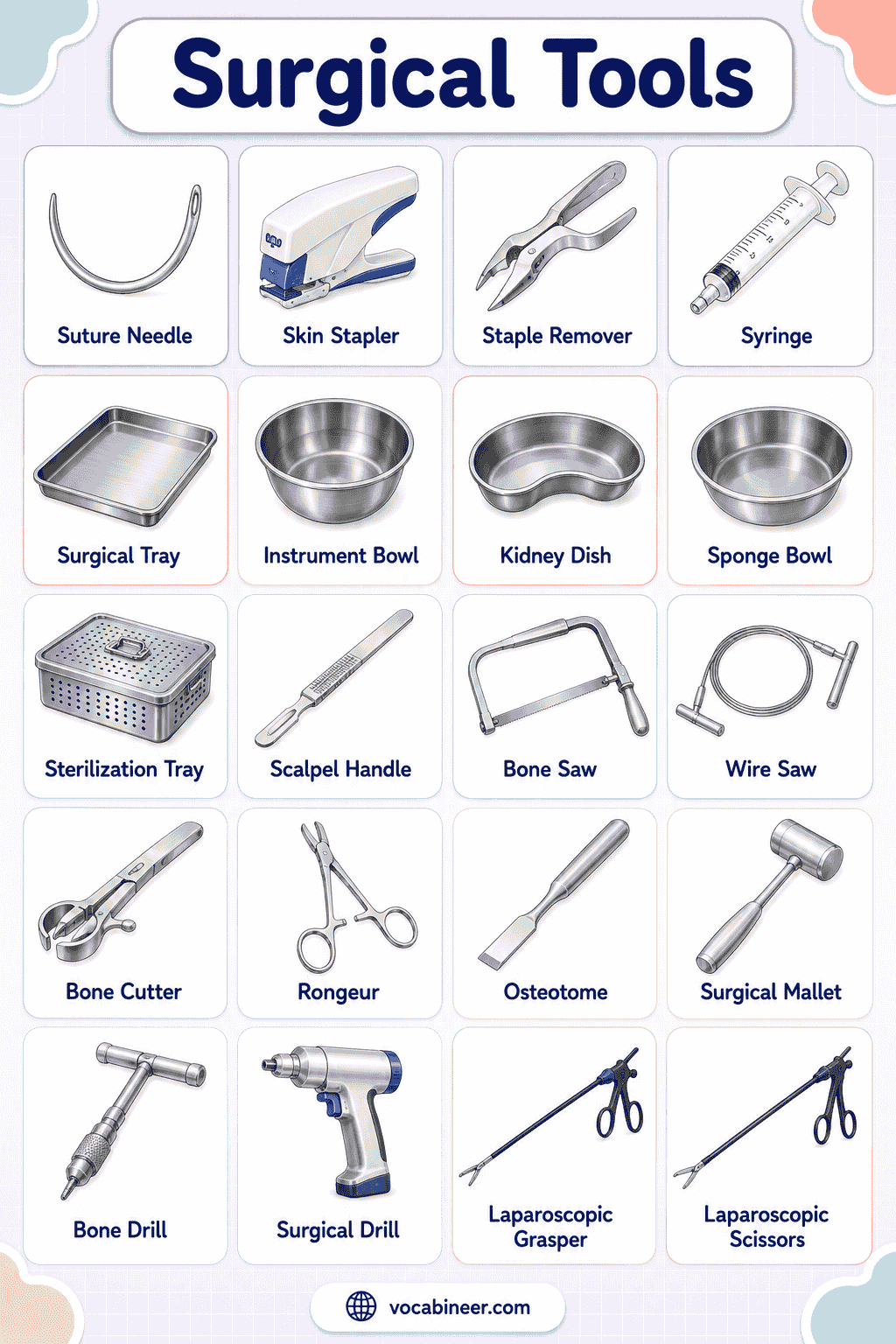
How Surgical Tools Are Used in the Operating Room
Surgical tools must be handled with skill, precision, and care to ensure patient safety and successful outcomes throughout an operation.
Instrument Setup and Sterilization
Before surgery, staff clean, disinfect, and carefully arrange each instrument according to the surgical plan to ensure complete sterility, efficiency, and readiness in the operating room.
Passing and Handling Techniques
Scrub nurses use precise passing techniques to transfer tools efficiently while keeping the sterile field intact and supporting the surgeon’s workflow.
Safety and Infection Control Practices
Strict infection control protocols ensure all instruments are used hygienically, reducing contamination risks and preventing post-operative complications for patient safety.
Maintenance and Care of Surgical Instruments
Proper maintenance ensures long-lasting performance, safety, and reliability of all surgical instruments used in medical procedures.
Cleaning and Decontamination
After each use, surgical instruments undergo thorough cleaning, either manually or with ultrasonic cleaners, to remove debris and maintain strict hygiene and safety standards.
Sharpening and Alignment
Technicians regularly sharpen and align blades and scissors to ensure accurate, smooth cutting performance and maintain the overall efficiency of surgical procedures.
Storage and Organization
Staff store sterilized tools in dry, organized trays or cabinets to prevent corrosion, damage, and contamination, keeping them ready and safe for future operations.
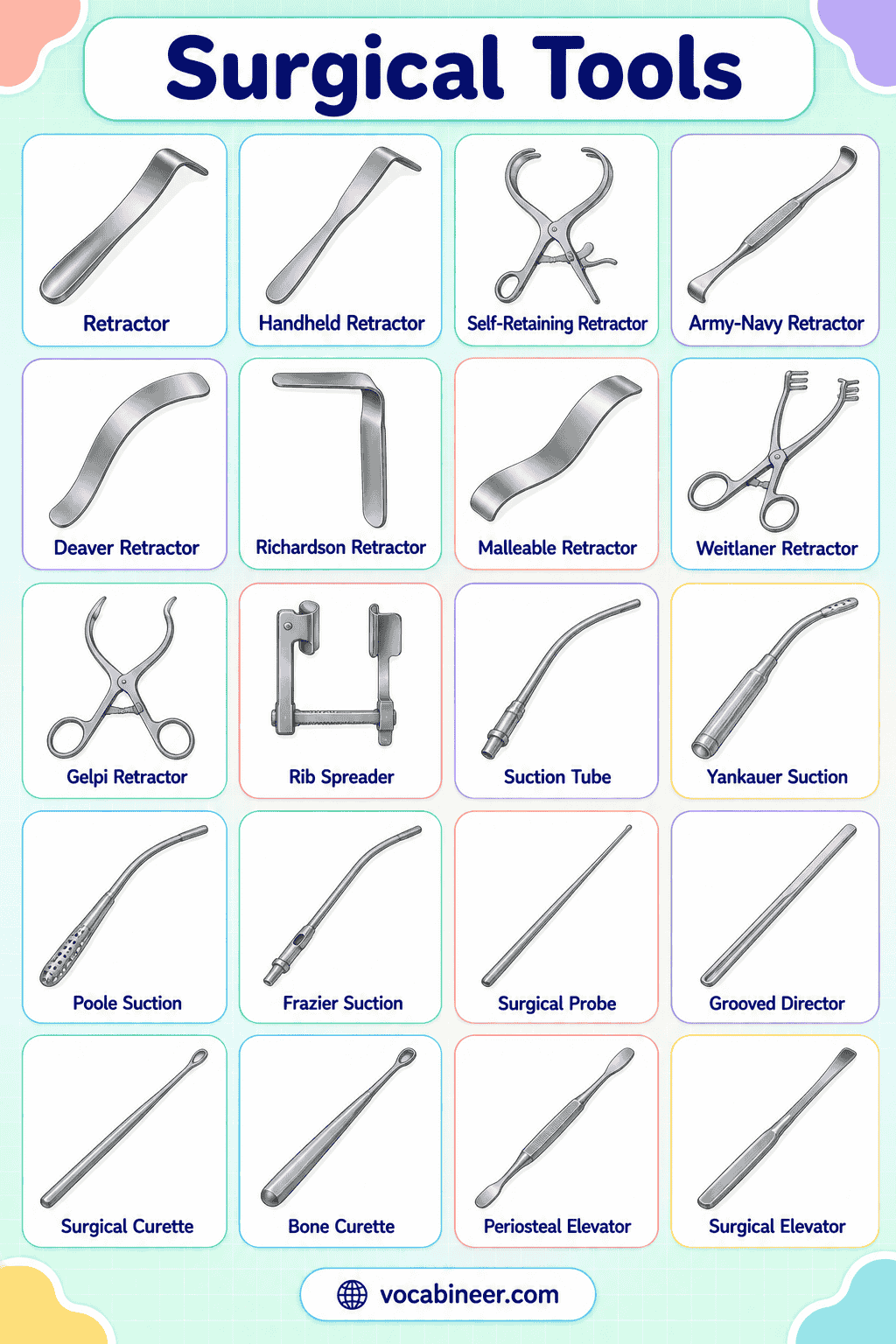
Choosing the Right Surgical Instruments
Selecting the right surgical instruments ensures accuracy and patient safety. Surgeons choose tools based on procedure type, tissue, and required precision. High-quality materials and ergonomic designs improve control, durability, and surgical outcomes.
Conclusion
Surgical tools are vital for safe and precise medical procedures. Knowing their names, uses, and handling helps learners understand surgical accuracy and care. Proper maintenance and sterilization ensure long-lasting, reliable performance in every operation.
FAQs
The most common surgical tools include scalpels, scissors, forceps, retractors, and clamps, each designed for specific surgical functions like cutting or holding tissue.
Most instruments are made of stainless steel or titanium, which makes them durable, rust-resistant, and easy to sterilize for repeated use.
They’re sterilized using autoclaves, ultrasonic cleaners, or chemical disinfectants to eliminate bacteria and prevent surgical infections.
Disposable tools are meant for single use to prevent contamination, while reusable ones are sterilized and used multiple times in various procedures.
Ergonomic handles improve comfort, precision, and control, reducing surgeon fatigue during long or delicate procedures.
Read More