

Learning gun part names helps English learners understand firearm-related vocabulary in books, history lessons, safety discussions, news, movies, and media. Common terms such as barrel, stock, trigger, muzzle, and safety help describe the basic structure of a firearm in English.
This guide explains common gun parts with simple meanings and picture-based identification. It is written for vocabulary learning and general educational understanding only, not for firearm handling, repair, use, or modification.
In This Page
What Is a Gun?
A gun is a firearm, which means it is a weapon that uses ammunition. Guns can appear in different forms, such as rifles, shotguns, revolvers, and pistols. Each type has different parts, but many basic terms are common across firearm vocabulary.
In English, gun part names often appear in educational, historical, legal, and safety-related contexts. For example, words like barrel, trigger, muzzle, stock, sight, and safety are common firearm vocabulary words.
Gun Parts Vocabulary Chart
This chart gives a quick overview of common gun parts and their simple meanings.
| Gun Part | Simple Meaning |
|---|---|
| Barrel | Long tube at the front of a firearm. |
| Muzzle | Front opening of the barrel. |
| Trigger | Lever linked with the firing mechanism. |
| Receiver | Main body that holds key parts. |
| Stock | Rear support part on many long guns. |
| Frame | Main structure of many handguns. |
| Magazine | Part that holds cartridges. |
| Chamber | Area where a cartridge sits. |
| Sight | Part used for visual alignment. |
| Safety | Feature designed to reduce accidental firing. |
| Grip | Part held by the hand. |
| Trigger Guard | Curved frame around the trigger. |
| Firing Pin | Internal part linked with cartridge ignition. |
| Slide | Moving upper part found on many pistols. |
| Bolt | Internal part found in many rifles. |

Main Gun Parts Names
Gun part names can appear in safety guides, news reports, product descriptions, and general educational articles. The list below explains common gun parts in simple vocabulary terms, without giving instructions for use, repair, or assembly.
- Barrel — The long tube-like part at the front of a firearm.
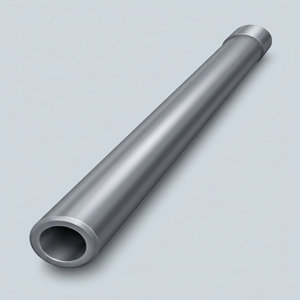
- Muzzle — The front opening at the end of the barrel.

- Chamber — The space inside a firearm where a cartridge is positioned.
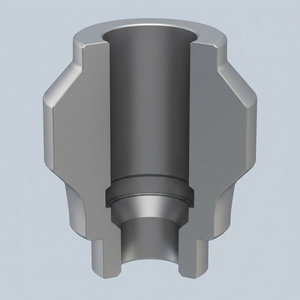
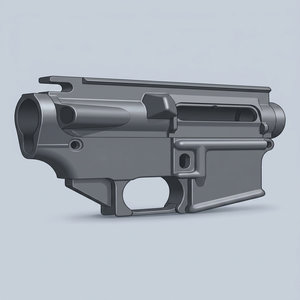
- Receiver — The main body of a firearm that holds important mechanical parts.
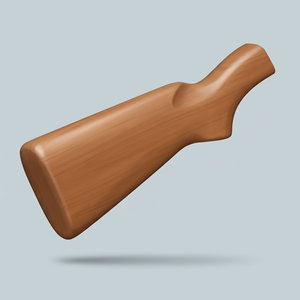
- Stock — The rear support part found on many rifles and shotguns.
- Frame — The main structure of many handguns that supports other parts.
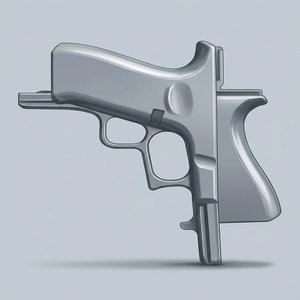
- Grip — The part held by the hand.
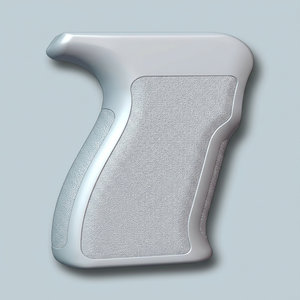
- Trigger — The lever connected with the firing mechanism.
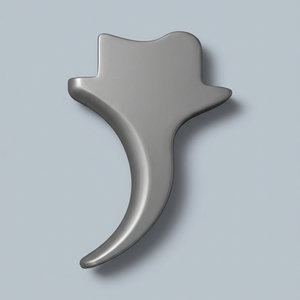
- Trigger Guard — The curved frame around the trigger.
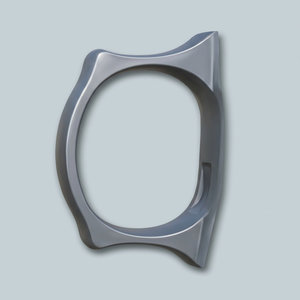
- Magazine — The part that holds cartridges.
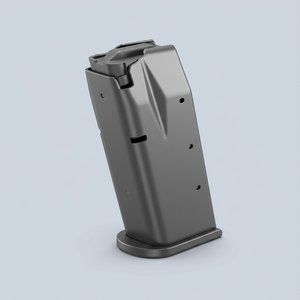
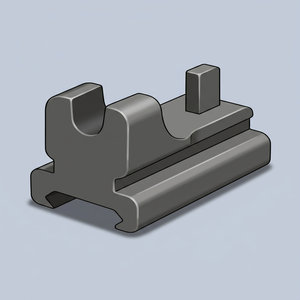
- Sight — A part used for visual alignment.
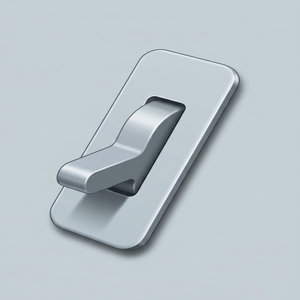
- Safety — A control or feature designed to reduce accidental firing.
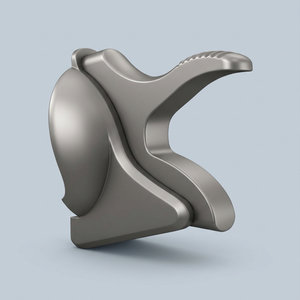
- Hammer — A part found on some firearms as part of the firing system.
- Firing Pin — An internal part linked with the ignition process.
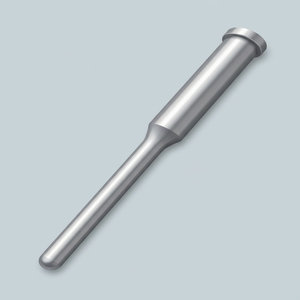
- Slide — The moving upper section found on many pistols.
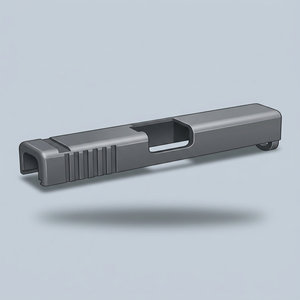
- Handguard — A front covering or grip area that helps protect the hand.
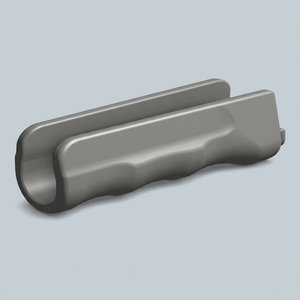
- Bolt — A mechanical part found in some firearms near the chamber area.
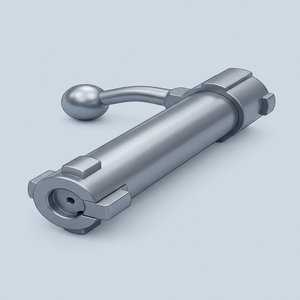
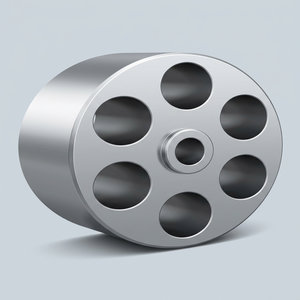
- Cylinder — The rotating chamber part found on many revolvers.
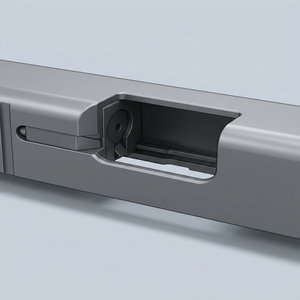
- Ejection Port — An opening where spent cartridge cases may exit.
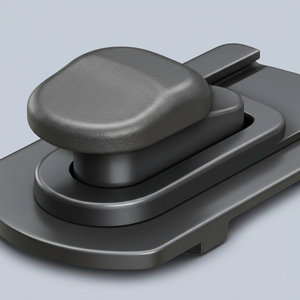
- Magazine Release — A button or lever used to release the magazine.
Learning Gun Parts with Pictures
Pictures make gun part names easier to understand because many firearm parts have specific shapes and positions. For example, the barrel is usually shown at the front, the stock appears at the rear of many long guns, and the trigger sits inside the trigger guard.
Labeled pictures can help learners recognize:
- Main outside parts.
- Internal part names.
- Safety-related parts.
- Body and support parts.
- Sighting and alignment terms.
- Vocabulary used in books, safety lessons, and technical descriptions.
When learning with pictures, focus only on identification and vocabulary. Do not use pictures as handling instructions.
External Parts of a Gun
External parts are visible from the outside. These names often appear in descriptions, diagrams, safety lessons, and historical writing.
- Barrel — The long front section of a firearm.
- Muzzle — The front end of the barrel.
- Stock — The rear support on many rifles and shotguns.
- Grip — The part held by the hand.
- Trigger — A lever connected with the firearm’s firing system.
- Trigger Guard — The protective curved frame around the trigger.
- Sights — Parts used for visual alignment.
- Frame — The main body of many handguns.
- Receiver — The central body of many firearms.
- Forend — The front grip area on some long guns.
- Handguard — A part that covers or shields part of the barrel area.
- Butt — The rear end of the stock.
- Recoil Pad — A cushion attached to the end of some stocks.
- Ejection Port — An opening named in many firearm descriptions.
Internal Parts of a Gun
Internal parts are located inside the firearm. These terms can become technical, so this section keeps the explanations short and vocabulary-focused.
These internal terms are included for vocabulary recognition only and should not be used as repair, handling, or modification guidance.
- Firing Pin — A small internal part linked with cartridge ignition.
- Hammer — A part found in some firearms and related to the firing mechanism.
- Striker — An internal part used in some firearm designs instead of a hammer.
- Bolt — A moving internal part found in many rifles.
- Slide — A moving upper part found on many semi-automatic pistols.
- Recoil Spring — A spring found inside some firearm designs.
- Extractor — A part name linked with removing a spent casing.
- Ejector — A part name linked with pushing out a spent casing.
- Chamber — The space where a cartridge is positioned.
- Breech — The rear area of the barrel.
- Sear — An internal part name found in technical firearm vocabulary.
- Magazine Spring — A spring inside some magazines.
Safety and Control Parts
Safety and control part names are important because they appear in safety lessons, training materials, legal writing, and responsible storage discussions.
- Safety Switch — A control designed to reduce accidental firing.
- Manual Safety — A user-operated safety control found on some firearms.
- Trigger Guard — A curved frame that surrounds the trigger.
- Trigger Lock — A locking device used for secure storage.
- Grip Safety — A safety feature found on some firearm designs.
- Decocker — A control found on certain firearms; the term appears in technical vocabulary.
- Slide Stop — A control name found on many pistols.
- Bolt Release — A control name found on some firearms.
- Chamber Indicator — A feature that may show chamber status on some designs.
- Safe Storage Device — A general term for locks, cases, or storage tools.
Even if a firearm has safety features, it can still be dangerous. Safe handling, training, legal permission, and secure storage are always essential.
Sighting and Alignment Terms
Sighting and alignment terms describe parts connected with visual alignment. These words often appear in firearm descriptions, safety lessons, sports rules, and historical references.
- Front Sight — A small sighting part near the front.
- Rear Sight — A sighting part closer to the user’s side.
- Iron Sights — Basic non-electronic sighting parts.
- Scope — An optical device used for magnified viewing.
- Red Dot Sight — An electronic sighting device term.
- Optic Rail — A rail used for attaching an optic.
- Sight Picture — A term used in safety and training vocabulary.
- Sight Alignment — A term describing how sights line up visually.
Keep this section as vocabulary only. These terms should not be treated as guidance for firearm use.
Body and Support Parts
Body and support parts describe the structure of a firearm. These terms help learners identify how firearm components are named in English.
- Frame — The main structure of many handguns.
- Receiver — The main body of many long guns.
- Stock — The rear support part on many rifles and shotguns.
- Butt — The end of the stock.
- Forend — The front hand-support area on some long guns.
- Handguard — A protective part around the front area of some firearms.
- Pistol Grip — A vertical-style grip found on many firearms.
- Recoil Pad — A cushion placed at the end of some stocks.
- Trigger Guard — The frame around the trigger.
- Magazine Well — The opening where a magazine fits on some firearms.
Ammunition Terms in English
This section explains common ammunition-related vocabulary in a brief and educational way.
- Cartridge — A complete ammunition unit.
- Round — A common word for one cartridge.
- Bullet — The projectile part of a cartridge.
- Shell — A word often used for shotgun ammunition or spent casings.
- Primer — A small part of a cartridge mentioned in technical vocabulary.
- Case / Casing — The outer container part of a cartridge.
- Magazine — A part that holds cartridges.
- Chamber — The place where a cartridge is positioned.
- Ejection Port — An opening named in firearm descriptions.
- Magazine Well — The slot where a magazine fits on some firearms.
These words should be learned only for reading and vocabulary understanding, not for handling ammunition.
Gun Parts vs Accessories
Gun parts and gun accessories are related, but they are not the same. Parts are main components of a firearm, while accessories are extra items mentioned in firearm descriptions.
| Term | Meaning | Examples |
|---|---|---|
| Gun Parts | Main components of a firearm | Barrel, trigger, receiver, stock |
| Accessories | Extra items used with or attached to a firearm | Sling, holster, scope, bipod |
| Safety Features | Parts or devices designed to reduce risk | Safety switch, trigger lock, trigger guard |
| Vocabulary Terms | Words learners may see in English texts | Muzzle, chamber, magazine, sight |
Accessory terms should stay neutral and educational. Avoid describing them as ways to improve performance.
Common accessory terms include:
- Holster — A holder for carrying a handgun.
- Sling — A carrying strap for some long guns.
- Bipod — A two-legged support term.
- Scope — An optical device term.
- Case — A storage or carrying container.
- Trigger Lock — A lock used for secure storage.
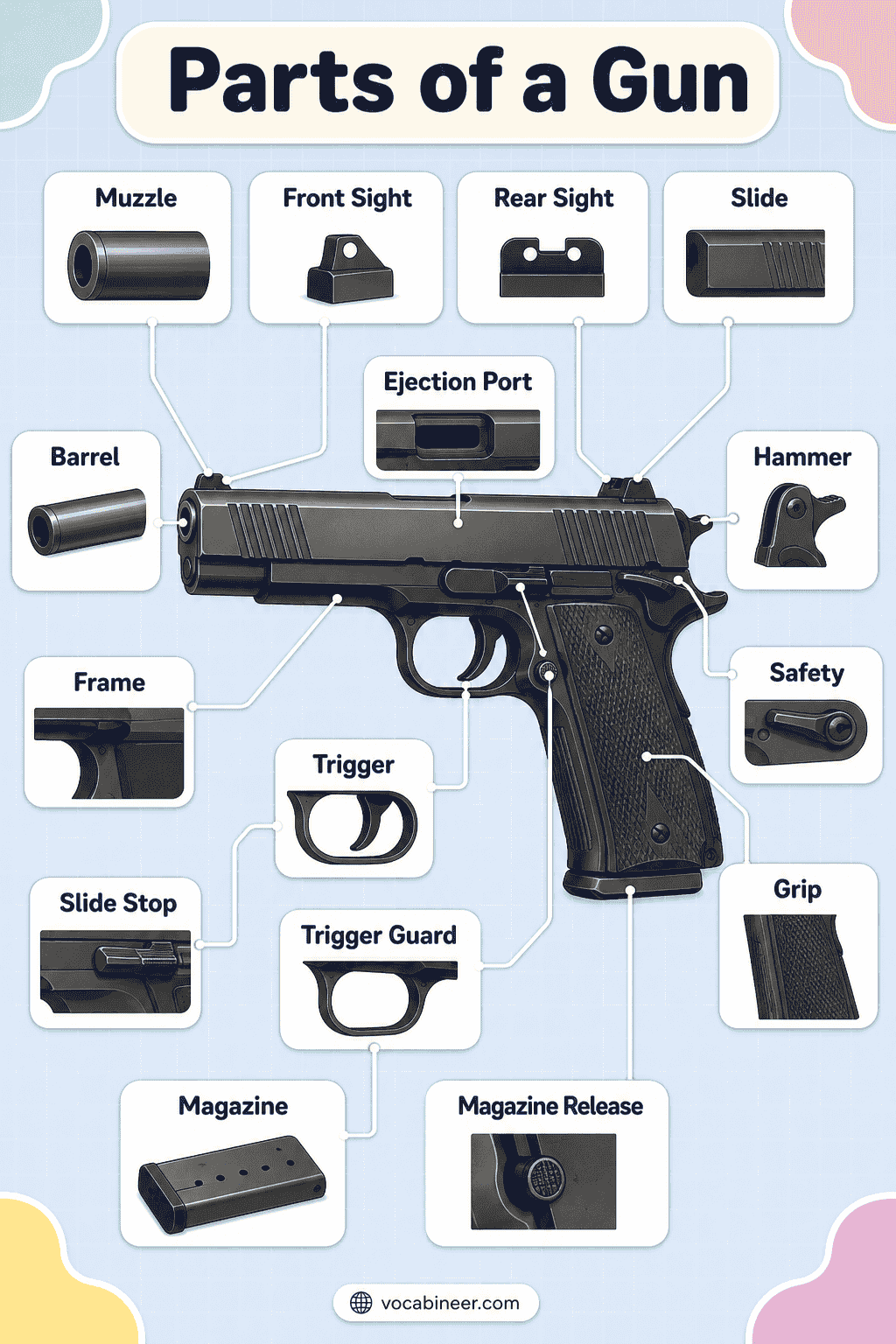
 Gun Parts Names in English with Labeled Diagram
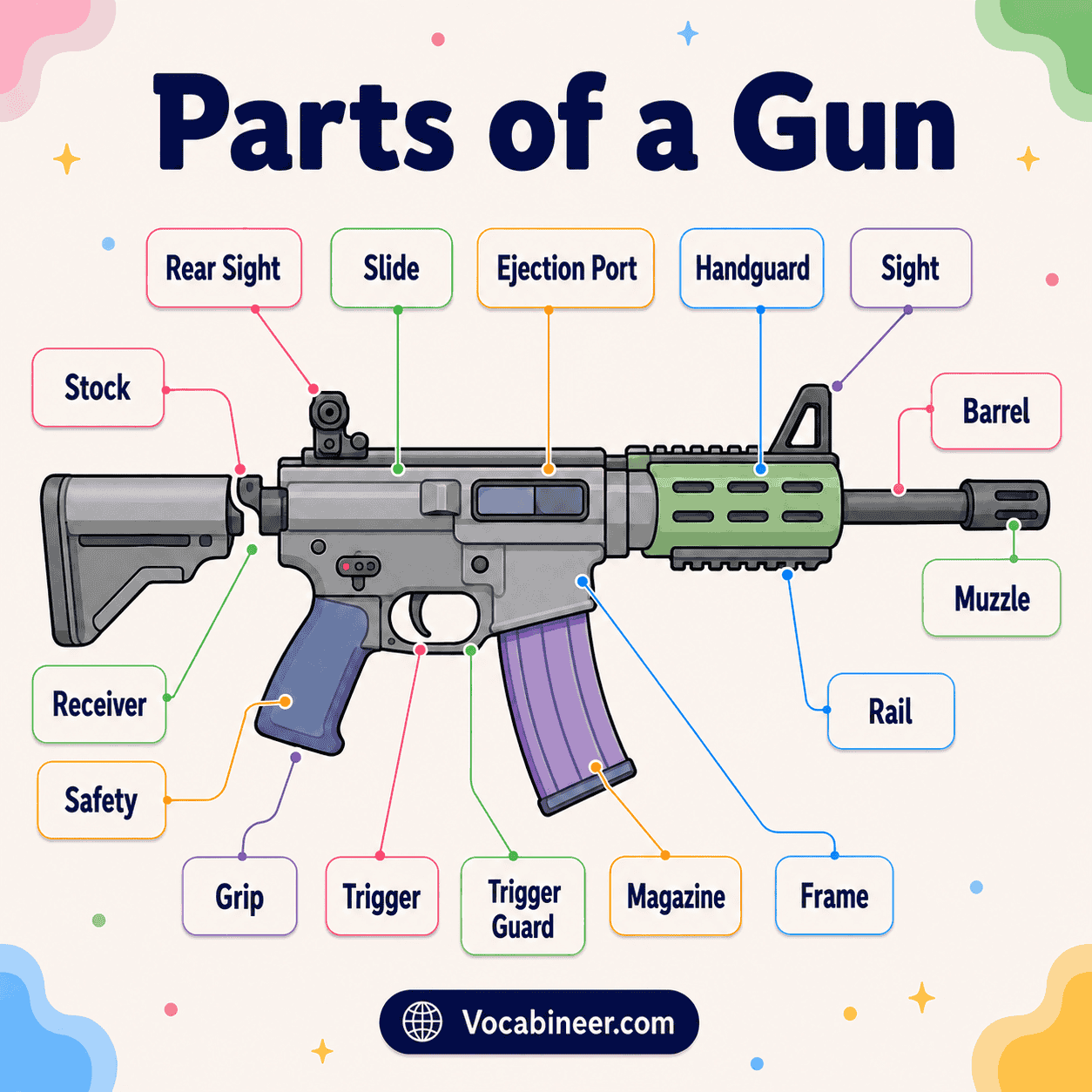 Gun Parts Names in English with Labeled Diagram
Firearm Type Vocabulary
Different firearm types have different vocabulary terms. This section keeps the descriptions simple and focused on English words.
- Rifle — A long firearm often described with terms like barrel, stock, receiver, sight, and magazine.
- Shotgun — A long firearm often described with terms like barrel, stock, chamber, and shell.
- Revolver — A handgun often described with terms like cylinder, frame, hammer, trigger, and barrel.
- Semi-Automatic Pistol — A handgun often described with terms like slide, frame, magazine, chamber, and safety.
- Bolt-Action Rifle — A rifle term often connected with words like bolt, stock, barrel, and sight.
- Lever-Action Firearm — A firearm type name often seen in historical or technical writing.
- Pump-Action Firearm — A term often seen in shotgun vocabulary.
- Air Gun — A different category often discussed separately from firearms in vocabulary lessons.
This section is for word recognition only, not firearm operation.
Where These Gun Terms Are Used
Gun part names may appear in many English contexts. Learning the terms carefully can help readers understand written and spoken English more accurately.
These terms may appear in:
- History books.
- Legal documents.
- News reports.
- Safety lessons.
- Museum labels.
- Police or law-enforcement vocabulary.
- Movies and novels.
- Technical dictionaries.
- Safety manuals.
- Educational diagrams.
Common Gun Term Differences
This table explains common firearm terms that learners may confuse.
| Comparison | Main Difference |
|---|---|
| Barrel vs Muzzle | The barrel is the tube-like part; the muzzle is the front opening. |
| Stock vs Frame | A stock supports many long guns; a frame is the main body of many handguns. |
| Magazine vs Chamber | A magazine holds cartridges; a chamber is where one cartridge is positioned. |
| Sight vs Scope | A sight is a general alignment part; a scope is an optical sighting device. |
| Extractor vs Ejector | Both are internal part names connected with spent casing movement. |
| Hammer vs Striker | Both are terms linked with different firing-system designs. |
| Rifle vs Shotgun | These are different firearm type names with different common vocabulary. |
| Part vs Accessory | A part is a main component; an accessory is an extra item or attachment. |
FAQs
The main parts of a gun are the barrel, receiver, trigger, stock, grip, and magazine. Together, they form the structure that allows a firearm to load, aim, and fire.
The muzzle is the front end of the barrel where the bullet exits when the gun is fired. It’s one of the most identifiable parts and often fitted with a flash suppressor or muzzle brake.
The trigger releases the firing mechanism. When pulled, it moves internal parts like the hammer or firing pin to ignite the cartridge and shoot the bullet.
The barrel is the long tube guiding the bullet out of the gun, while the chamber is the small section inside where the cartridge sits before firing.
Common safety parts include the safety switch, trigger lock, decocker, and grip safety. These features help prevent accidental firing by blocking the trigger or firing mechanism.
Summary
Gun part names are useful English vocabulary words in history, safety lessons, legal writing, media, museums, and technical descriptions. Common terms include barrel, muzzle, trigger, receiver, stock, frame, magazine, chamber, sight, and safety.
This guide keeps the topic educational and vocabulary-focused. Learning gun parts names in English with pictures can help readers recognize firearm terms more clearly, but firearms should only be handled by trained, legally authorized adults who follow proper safety rules and local laws.
Read More