

Learning musical instrument names in English with pictures helps kids, students, beginners, and ESL learners build strong music vocabulary. Instruments like the guitar, piano, violin, flute, drum, trumpet, and tabla are common in music classes, bands, orchestras, and cultural performances.
This guide gives 100 musical instrument names with short meanings. It also explains common instruments, easy instruments for kids, instrument families, traditional instruments, electronic instruments, a simple chart, and confusing musical instrument names.

In This Page
Musical Instrument Names with Short Meanings
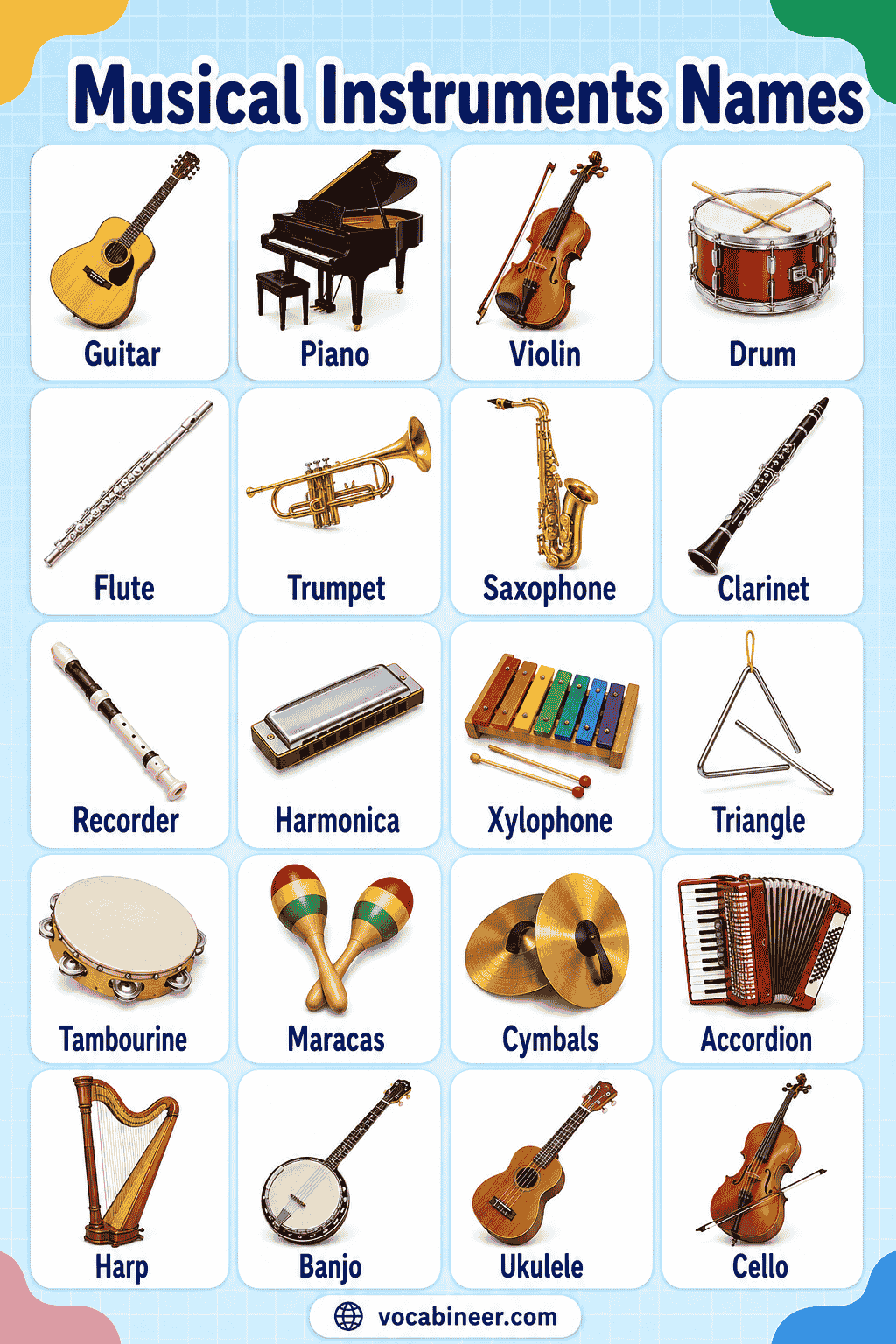
Below is a list of 100 musical instrument names in English with simple meanings. Use the pictures beside each name to connect the word with the instrument shape.
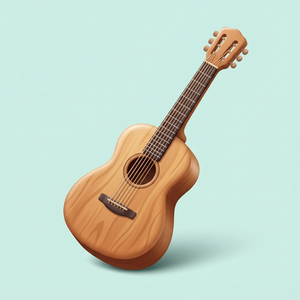
- Guitar — A string instrument played by strumming or plucking.
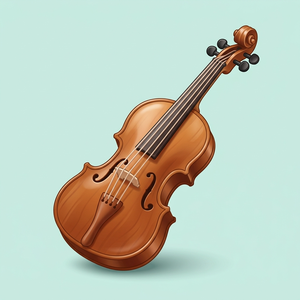
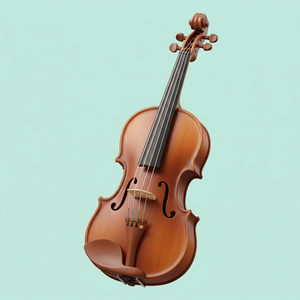
- Violin — A small string instrument played with a bow.
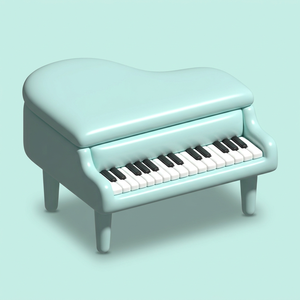
- Piano — A keyboard instrument played by pressing keys.
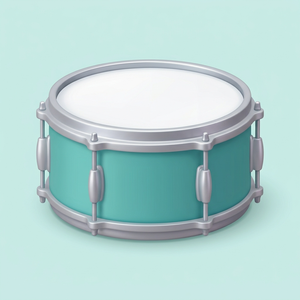
- Drum — A percussion instrument played by hitting.
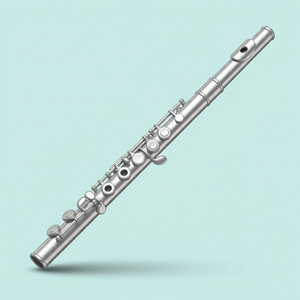
- Flute — A wind instrument played by blowing air.
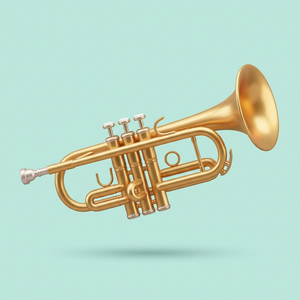
- Trumpet — A brass instrument with valves and a bright sound.
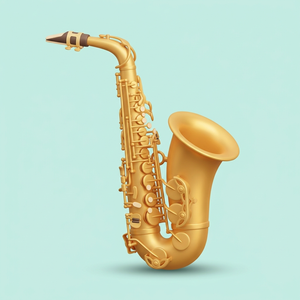
- Saxophone — A reed instrument often used in jazz and bands.
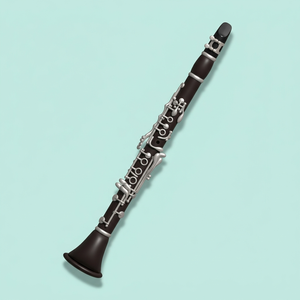
- Clarinet — A woodwind instrument with a single reed.
- Cello — A large string instrument with a deep sound.
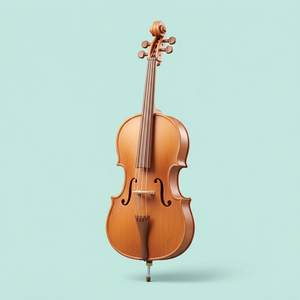
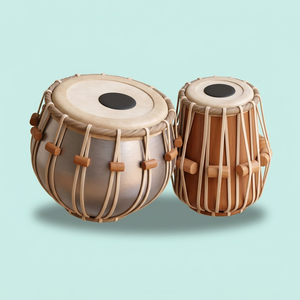
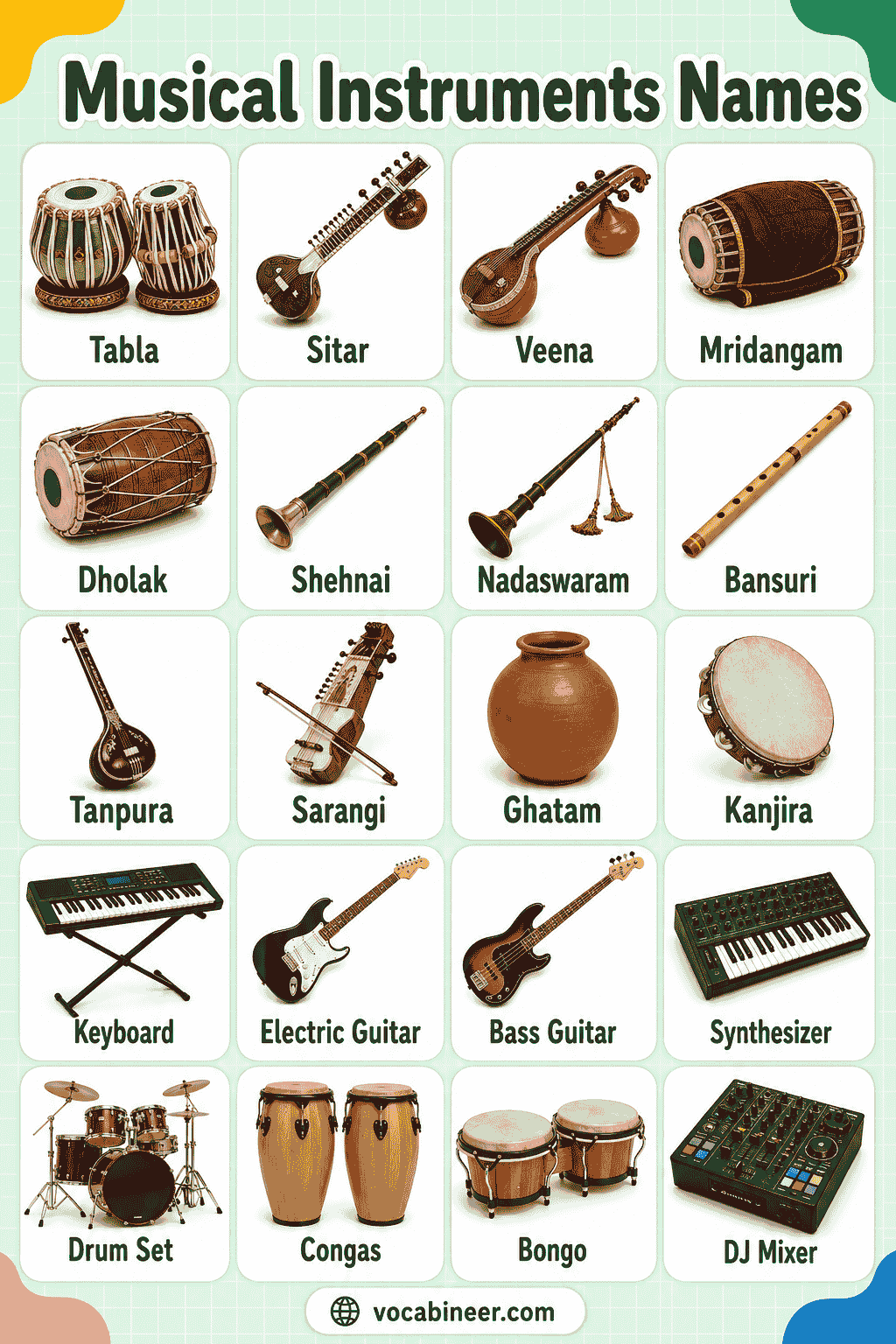
- Tabla — A pair of hand-played drums from South Asia.
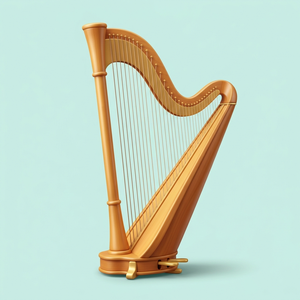
- Harp — A large string instrument with many strings.
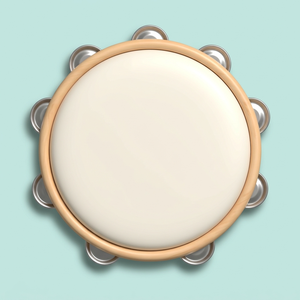
- Tambourine — A handheld percussion instrument with jingles.
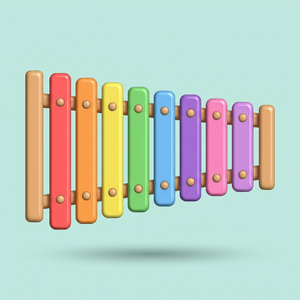
- Xylophone — A percussion instrument with wooden bars.
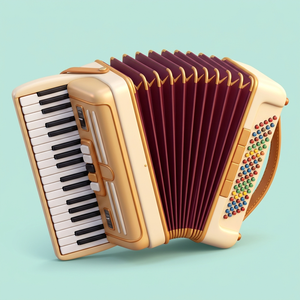
- Accordion — A squeezable instrument with keys and bellows.
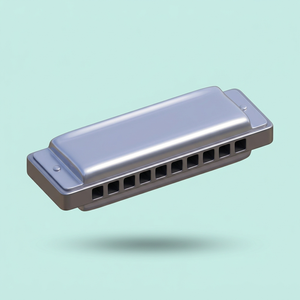
- Harmonica — A small mouth instrument played by blowing air.
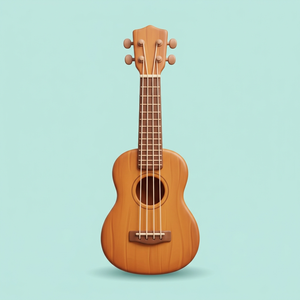
- Ukulele — A small guitar-like instrument from Hawaii.
- Mandolin — A small string instrument with a bright sound.
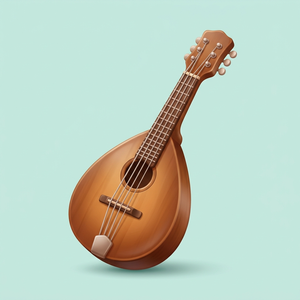
- Banjo — A round-bodied string instrument used in folk music.
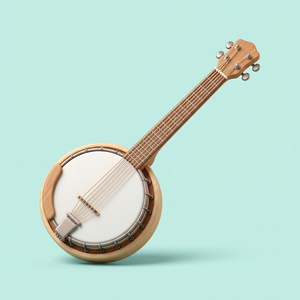
- Sitar — A traditional Indian string instrument.
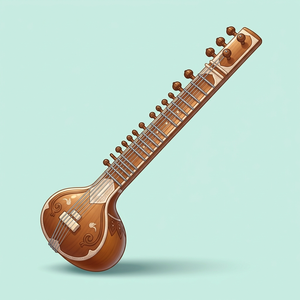
- Organ — A keyboard instrument often used in churches.
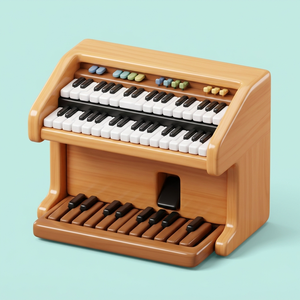
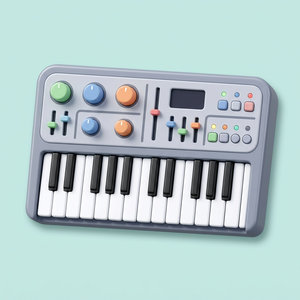
- Synthesizer — An electronic instrument that creates different sounds.
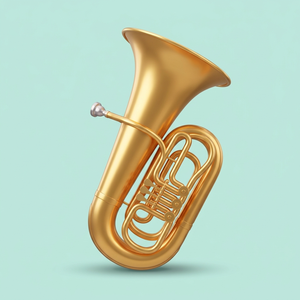
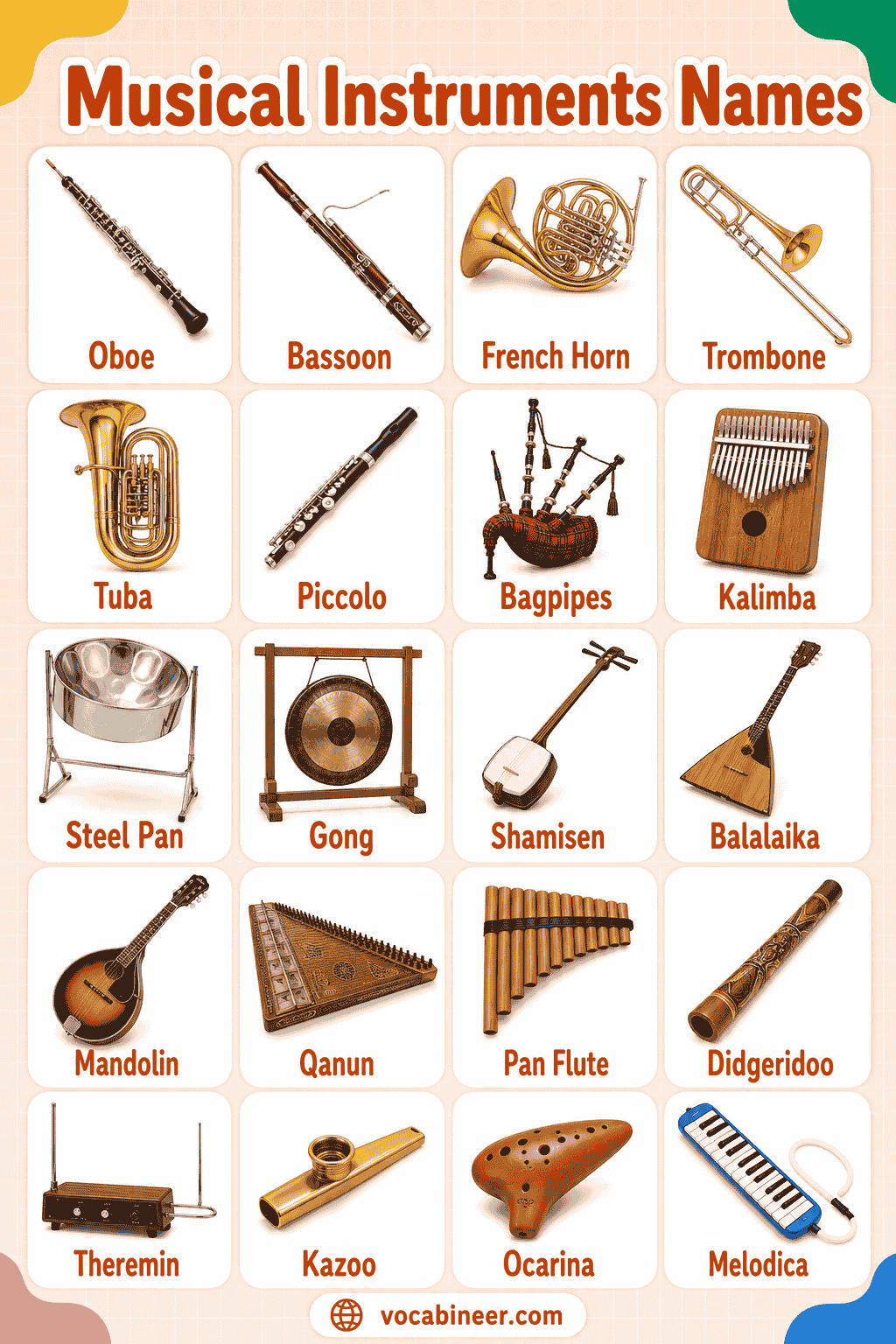
- Tuba — A large brass instrument with a deep sound.
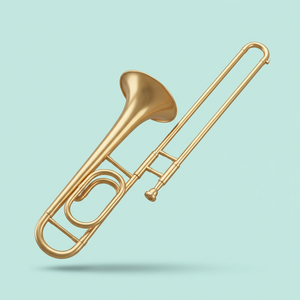
- Trombone — A brass instrument played with a slide.
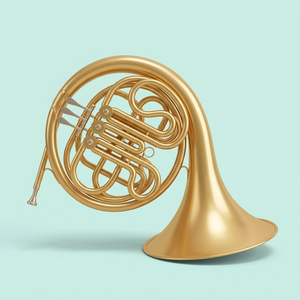
- French Horn — A brass instrument with a round body.
- Recorder — A simple wind instrument often used in schools.
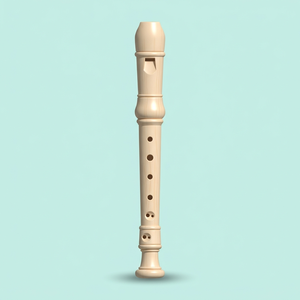
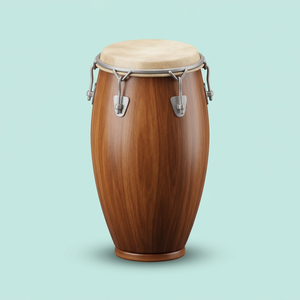
- Conga — A tall hand-played drum used in Latin music.
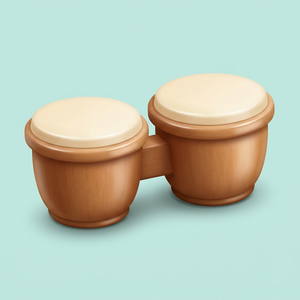
- Bongo — A pair of small hand-played drums.
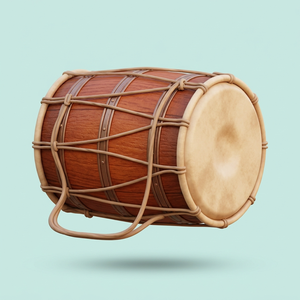
- Dhol — A double-sided drum used in South Asian music.
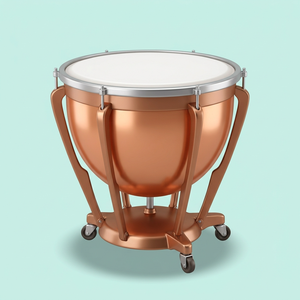
- Timpani — Large tunable drums used in orchestras.
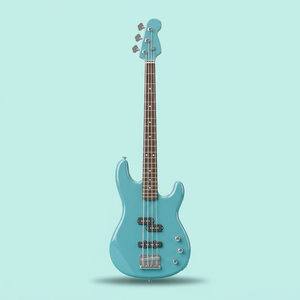
- Bass Guitar — A string instrument that plays low notes.
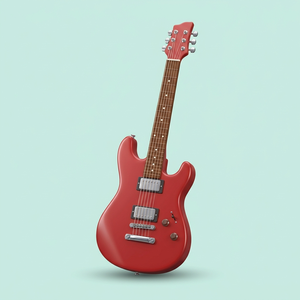
- Electric Guitar — A guitar that uses electricity and an amplifier.
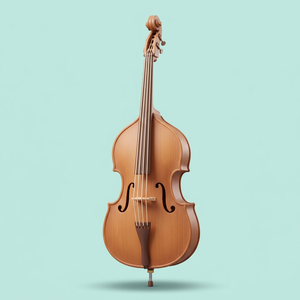
- Double Bass — The largest string instrument in an orchestra.
- Viola — A string instrument similar to a violin but deeper.
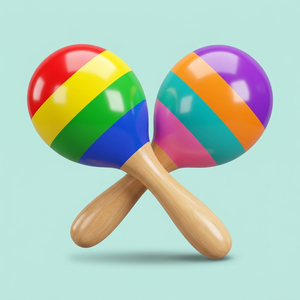
- Maracas — A pair of rattles shaken by hand.
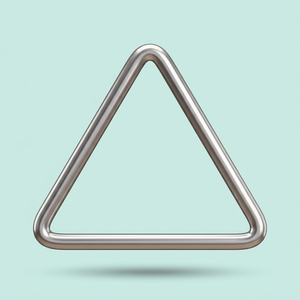
- Triangle — A metal percussion instrument struck with a beater.
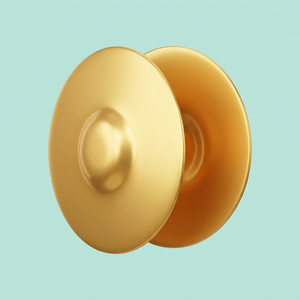
- Cymbals — Metal plates that make a crashing sound.
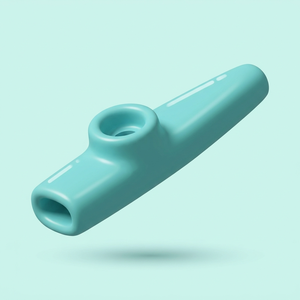
- Kazoo — A small instrument that buzzes when you hum.
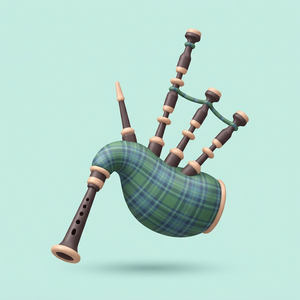
- Bagpipes — A wind instrument with an air bag and pipes.
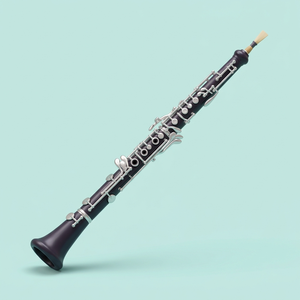
- Oboe — A double-reed woodwind instrument with a sharp sound.
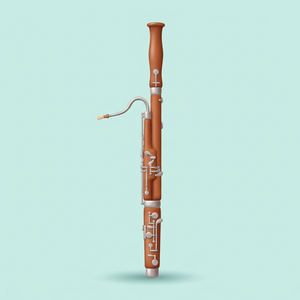
- Bassoon — A large double-reed woodwind instrument.
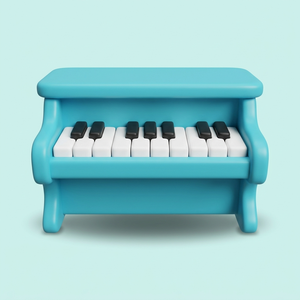
- Toy Piano — A small piano made for children.
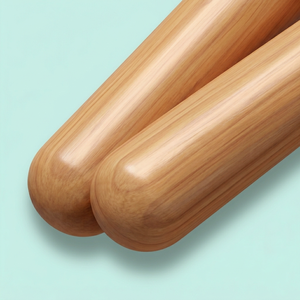
- Claves — Two wooden sticks hit together for rhythm.
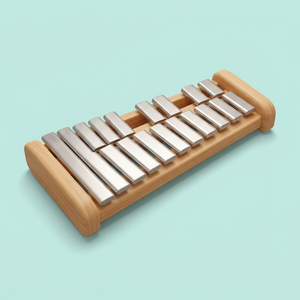
- Glockenspiel — A percussion instrument with metal bars.
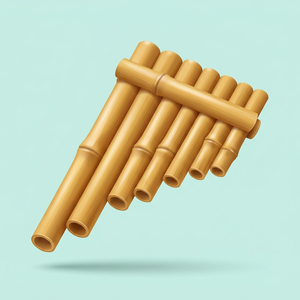
- Pan Flute — A wind instrument made of several pipes.
- Pipe Organ — A large organ that uses pipes for sound.
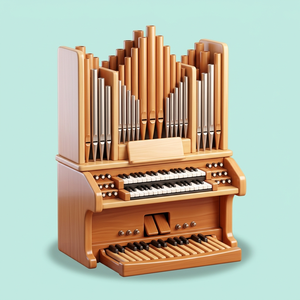
- Lute — An old string instrument with a rounded body.
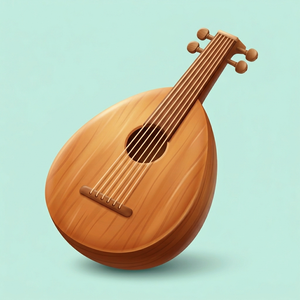
- Lyre — An ancient string instrument shaped like a small harp.
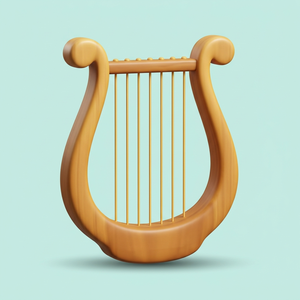
- Zither — A flat string instrument played by plucking.
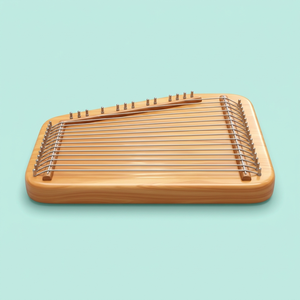
- Santoor — A hammered string instrument used in Asian music.
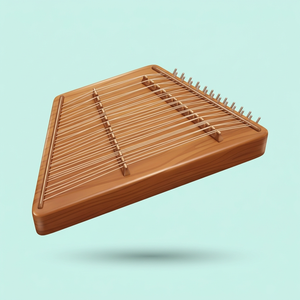
- Erhu — A two-stringed bowed instrument from China.
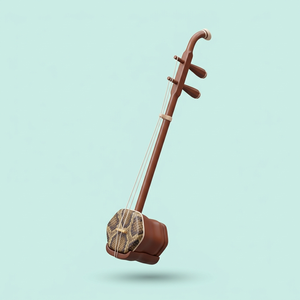
- Shamisen — A Japanese three-stringed instrument.
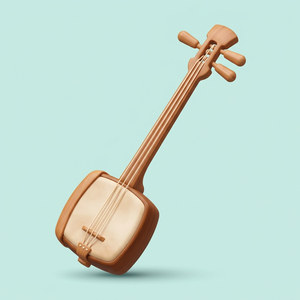
- Morin Khuur — A Mongolian bowed string instrument.
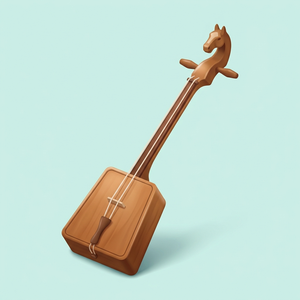
- Oud — A pear-shaped string instrument from Middle Eastern music.
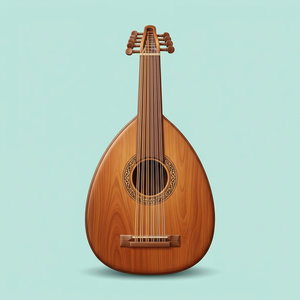
- Bouzouki — A Greek string instrument with a long neck.
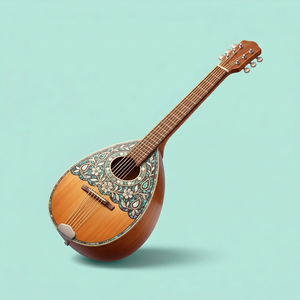
- Balalaika — A Russian string instrument with a triangular body.
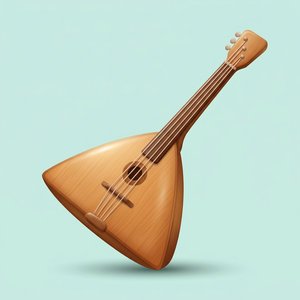
- Kora — A West African string instrument similar to a harp.
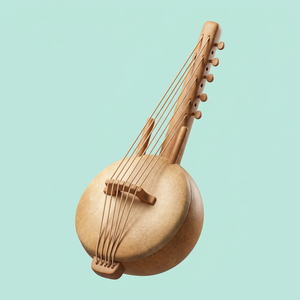
- Sarangi — A bowed string instrument from South Asia.
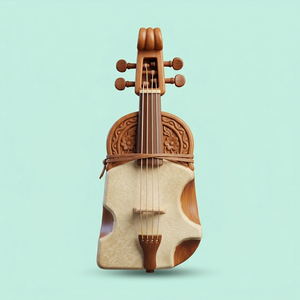
- Celesta — A keyboard instrument with a soft bell-like sound.
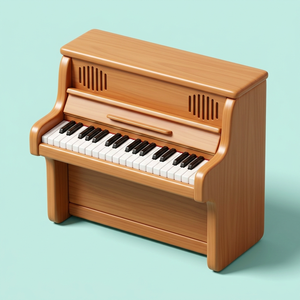
- DJ Controller — An electronic device used to mix music.
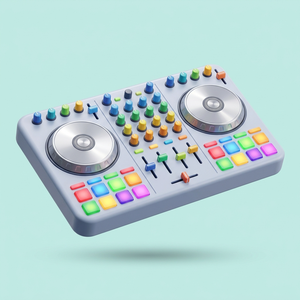
- MIDI Keyboard — A keyboard used to control music software.
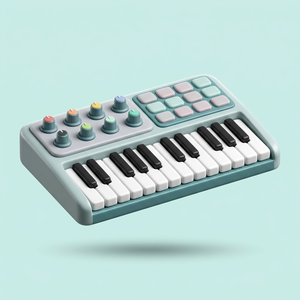
- Drum Machine — An electronic instrument that creates drum sounds.
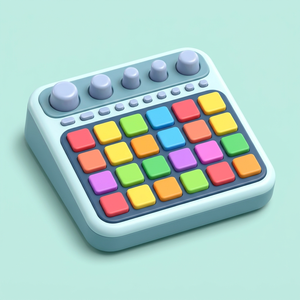
- Sampler — An electronic instrument that plays recorded sounds.
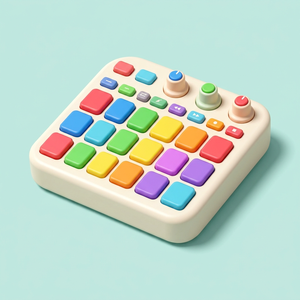
- Looper — A device that records and repeats sound layers.
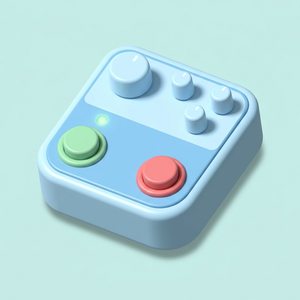
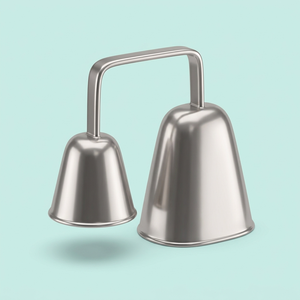
- Agogo Bells — A pair of bells used in rhythm music.
- Guiro — A scraped percussion instrument with ridges.
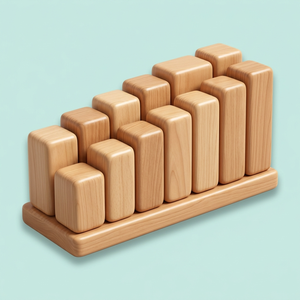
- Tone Blocks — Wooden blocks struck with a mallet.
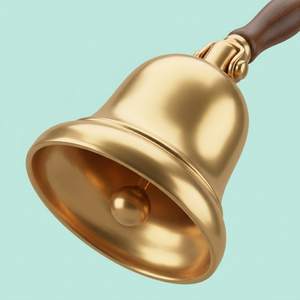
- Handbell — A small bell rung by hand.
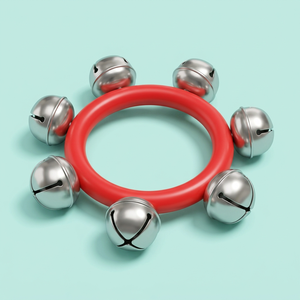
- Jingle Bells — Small bells that ring when shaken.
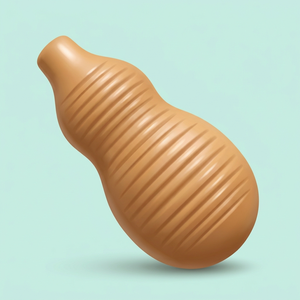
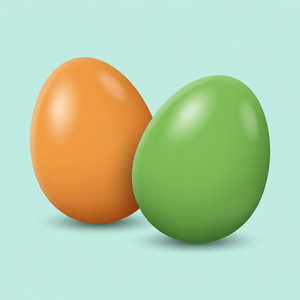
- Egg Shakers — Egg-shaped rattles used for rhythm.
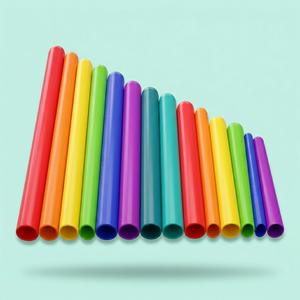
- Boomwhackers — Colorful tubes struck to make musical notes.
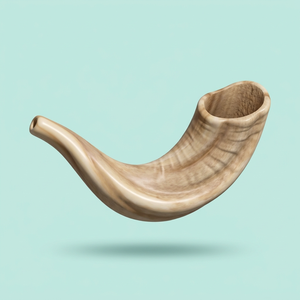
- Shofar — A traditional horn made from an animal horn.
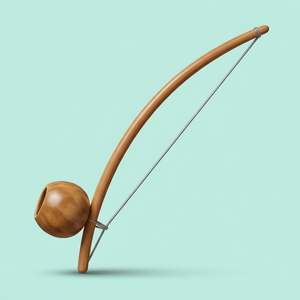
- Berimbau — A Brazilian musical bow.
- Mbira — An African thumb piano with metal keys.
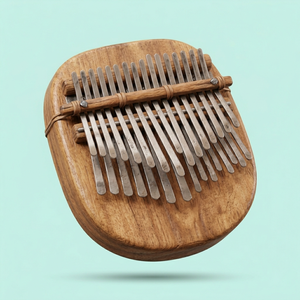
- Melodica — A keyboard instrument played by blowing air.
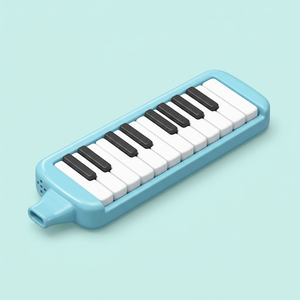
- Rebab — A bowed string instrument used in Asian music.
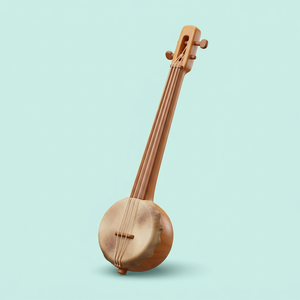
- Talking Drum — A drum that changes pitch when squeezed.
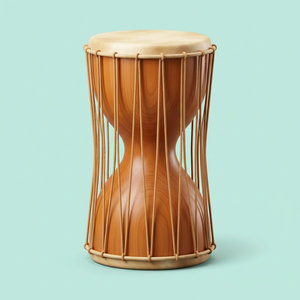
- Cabasa — A percussion instrument with metal beads.
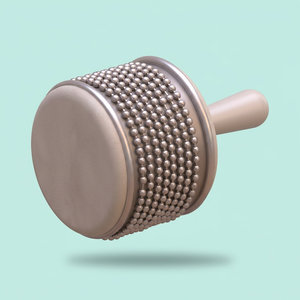
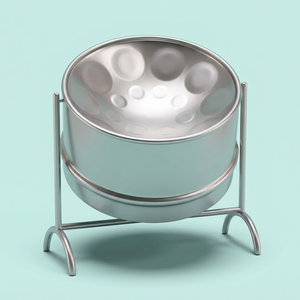
- Steel Drum — A tuned metal drum from the Caribbean.
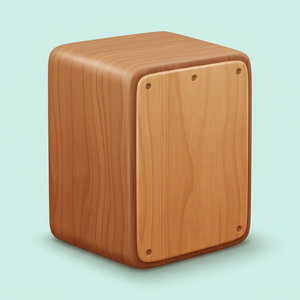
- Cajón — A box-shaped drum played by hand.
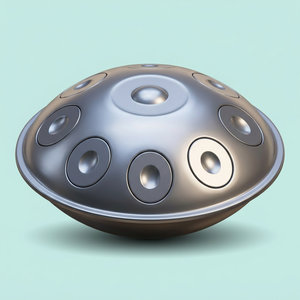
- Hang Drum — A hand-played metal instrument with a soft sound.
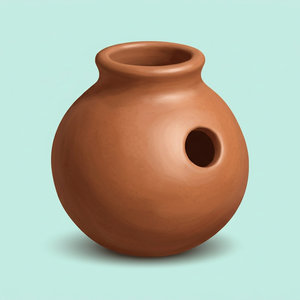
- Udu — A clay drum with a deep sound.
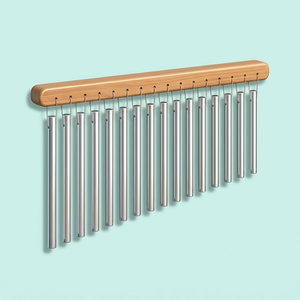
- Chimes — Hanging tubes or bars that make ringing sounds.
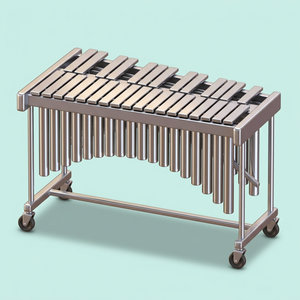
- Vibraphone — A percussion instrument with metal bars.
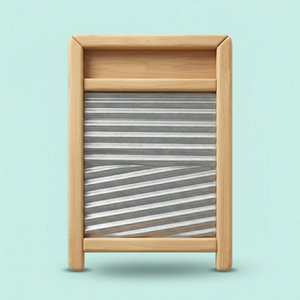
- Washboard — A ribbed board used as a rhythm instrument.
- Slit Drum — A hollow wooden drum with cut openings.
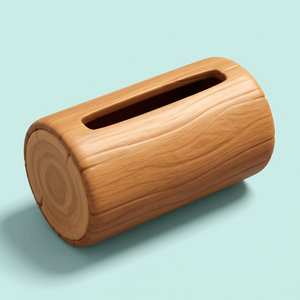
- Whistle — A small wind instrument with a sharp sound.
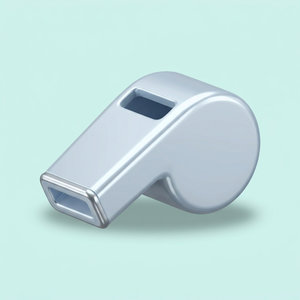
- Bullroarer — A flat instrument swung to make a roaring sound.
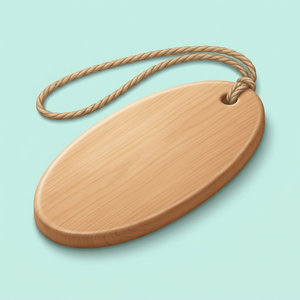
- Rainstick — A tube instrument that sounds like falling rain.
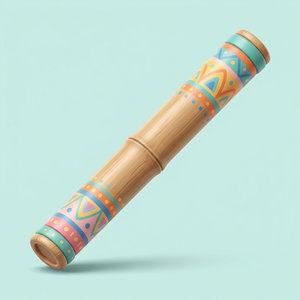
- Singing Bowl — A bowl-shaped instrument with a ringing tone.
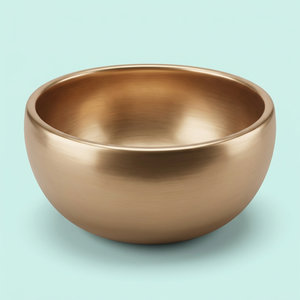
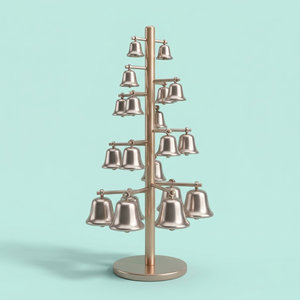
- Bell Tree — A set of small bells arranged in a row.
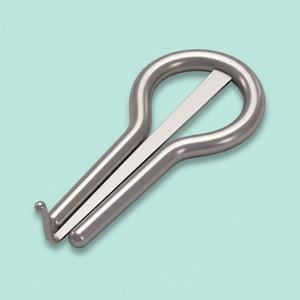
- Jaw Harp — A small mouth instrument that vibrates when plucked.
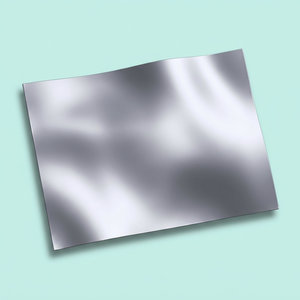
- Thunder Sheet — A metal sheet used to make thunder sounds.
- Tamborim — A small Brazilian frame drum.
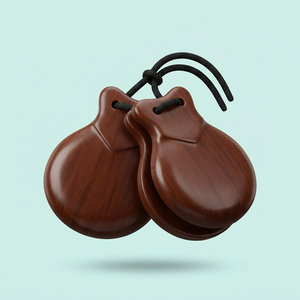
- Castanets — Small hand instruments clicked together.
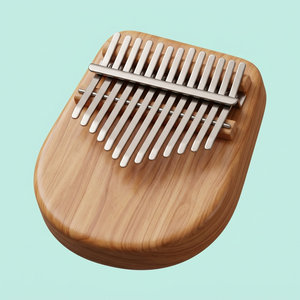
- Kalimba — A thumb piano with metal tines.
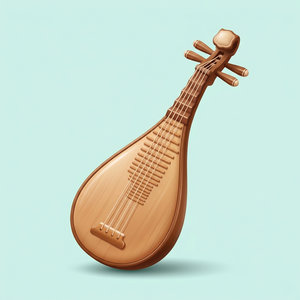
- Pipa — A Chinese pear-shaped string instrument.
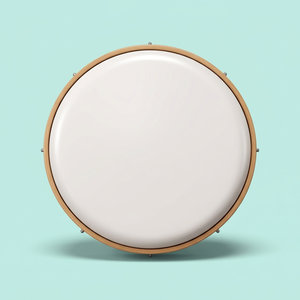
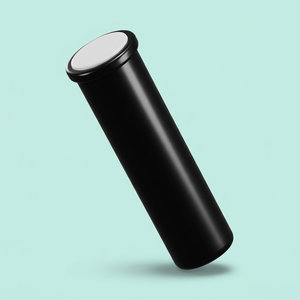
- Octoban — A small tube-shaped drum used in drum kits.
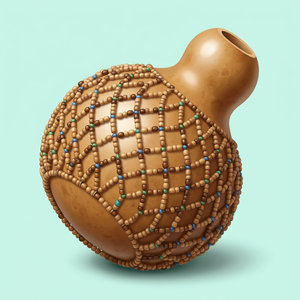
- Shekere — A gourd percussion instrument covered with beads.
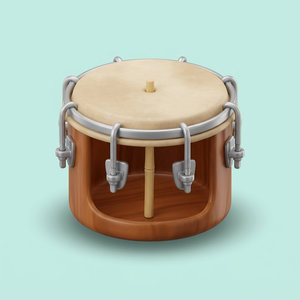
- Cuíca — A Brazilian friction drum with a squeaky sound.
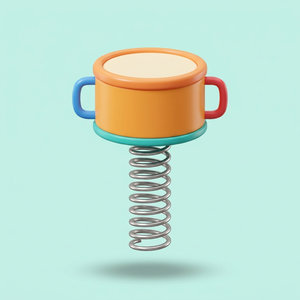
- Spring Drum — A drum with a spring that makes thunder-like sounds.
Common Musical Instruments Everyone Should Know
These instruments are popular in schools, bands, orchestras, music classes, and daily English vocabulary.
- Guitar — A common string instrument used in many music styles.
- Piano — A popular keyboard instrument used in classical and modern music.
- Violin — A small bowed instrument often used in orchestras.
- Drum — A percussion instrument used to keep rhythm.
- Flute — A wind instrument with a soft, clear sound.
- Trumpet — A brass instrument with a loud, bright tone.
- Saxophone — A reed instrument often used in jazz.
- Clarinet — A woodwind instrument used in bands and orchestras.
- Cello — A large bowed string instrument with a deep sound.
- Tabla — A pair of hand drums used in South Asian music.
- Tambourine — A handheld percussion instrument with jingles.
- Xylophone — A bar instrument played with mallets.
- Accordion — A portable instrument with keys and bellows.
- Electric Guitar — A modern guitar used in rock and pop music.
- Recorder — A simple wind instrument often used by children.
Easy Musical Instruments for Kids and Beginners
Some instruments are easier for kids and beginners because they are simple to hold, play, or understand.
- Recorder — Good for school music lessons.
- Triangle — Easy to strike and hear clearly.
- Maracas — Easy to shake by hand.
- Kazoo — Fun because it makes sound when you hum.
- Toy Piano — Simple keyboard instrument for children.
- Claves — Easy wooden sticks for rhythm practice.
- Handbell — Simple bell rung by hand.
- Tambourine — Easy to shake or tap.
- Drum — Good for learning rhythm.
- Ukulele — Small string instrument for beginners.
- Harmonica — Small mouth instrument that is easy to carry.
- Boomwhackers — Colorful tubes used in music learning.
Musical Instrument Families and Types
Musical instruments can be grouped by how they make sound. These groups are called instrument families.
- String instruments — make sound when strings vibrate.
- Wind instruments — make sound when air moves through them.
- Woodwind instruments — a group of wind instruments such as flute, clarinet, saxophone, oboe, and bassoon.
- Brass instruments — wind instruments played by buzzing the lips into a mouthpiece.
- Keyboard instruments — played by pressing keys.
- Percussion instruments — make sound when hit, shaken, scraped, or struck.
- Electronic instruments — use electricity or digital sound.
- Traditional instruments — come from specific cultures, regions, or folk music styles.
String Instrument Names
String instruments make sound when their strings are plucked, strummed, or bowed.
- Guitar — played by strumming or plucking.
- Violin — played with a bow.
- Cello — larger than a violin and deeper in sound.
- Harp — large instrument with many strings.
- Sitar — traditional Indian string instrument.
- Ukulele — small guitar-like instrument.
- Mandolin — small string instrument with a bright tone.
- Banjo — round-bodied string instrument.
- Bass Guitar — plays low notes in bands.
- Electric Guitar — uses an amplifier.
- Double Bass — large orchestra string instrument.
- Viola — similar to a violin but deeper.
- Lute — old string instrument with a rounded body.
- Lyre — ancient small harp-like instrument.
- Zither — flat string instrument.
- Santoor — hammered string instrument.
- Erhu — Chinese bowed string instrument.
- Shamisen — Japanese three-stringed instrument.
- Oud — Middle Eastern string instrument.
- Pipa — Chinese string instrument.
Wind Instruments: Woodwind and Brass
Wind instruments make sound when air moves through them. This group includes both woodwind instruments and brass instruments.
- Woodwind instruments include flute, recorder, clarinet, saxophone, oboe, bassoon, pan flute, harmonica, and melodica.
- Brass instruments include trumpet, trombone, tuba, French horn, and shofar.
Woodwind Instrument Names
Woodwind instruments are a type of wind instrument. Some use reeds, while others use air blown across or into an opening.
- Flute — played by blowing air.
- Recorder — simple wind instrument used in schools.
- Clarinet — uses a single reed.
- Saxophone — metal instrument that uses a reed.
- Oboe — double-reed instrument with a sharp sound.
- Bassoon — large double-reed instrument with a deep sound.
- Pan Flute — made of pipes of different lengths.
- Harmonica — small mouth instrument.
- Melodica — keyboard wind instrument.
- Whistle — small wind instrument with a sharp sound.
Brass Instrument Names
Brass instruments are usually made of metal and played by buzzing the lips into a mouthpiece.
- Trumpet — bright brass instrument with valves.
- Trombone — brass instrument with a slide.
- Tuba — large brass instrument with a deep sound.
- French Horn — round brass instrument with a warm sound.
- Shofar — traditional horn made from an animal horn.
Keyboard Instrument Names and Uses
Keyboard instruments are played by pressing keys. Some are acoustic, while others are electronic.
- Piano — used in classical, pop, jazz, and school music.
- Organ — often used in churches and classical music.
- Pipe Organ — large organ that uses pipes.
- Synthesizer — creates electronic sounds.
- Toy Piano — small piano for children.
- Celesta — keyboard instrument with a bell-like sound.
- MIDI Keyboard — controls digital music software.
- Accordion — uses keys, buttons, and bellows.
- Melodica — played with keys and air.
Percussion Instrument Names
Percussion instruments make sound when they are hit, shaken, scraped, or struck.
- Drum — played with sticks or hands.
- Tabla — pair of hand drums.
- Tambourine — handheld percussion with jingles.
- Xylophone — wooden bars played with mallets.
- Conga — tall hand-played drum.
- Bongo — pair of small hand drums.
- Dhol — double-sided drum.
- Timpani — large tunable drums.
- Maracas — rattles shaken by hand.
- Triangle — metal instrument struck with a beater.
- Cymbals — metal plates that crash together.
- Claves — wooden rhythm sticks.
- Glockenspiel — metal bar instrument.
- Agogo Bells — bells used in rhythm music.
- Guiro — scraped percussion instrument.
- Tone Blocks — wooden blocks struck with a mallet.
- Handbell — small bell rung by hand.
- Egg Shakers — small rattles used for rhythm.
- Cajón — box-shaped drum.
- Castanets — small clicking hand instruments.
Traditional Musical Instruments from Around the World
Traditional musical instruments show the sound and culture of different regions.
- Sitar — traditional Indian string instrument.
- Tabla — South Asian hand drums.
- Dhol — drum used in South Asian music.
- Santoor — hammered string instrument.
- Erhu — Chinese bowed string instrument.
- Shamisen — Japanese three-stringed instrument.
- Morin Khuur — Mongolian bowed string instrument.
- Oud — Middle Eastern string instrument.
- Bouzouki — Greek string instrument.
- Balalaika — Russian triangular string instrument.
- Kora — West African harp-like instrument.
- Sarangi — South Asian bowed string instrument.
- Shofar — traditional horn.
- Berimbau — Brazilian musical bow.
- Mbira — African thumb piano.
- Rebab — bowed instrument used in Asian music.
- Talking Drum — drum that changes pitch.
- Steel Drum — Caribbean tuned metal drum.
- Kalimba — thumb piano with metal tines.
- Pipa — Chinese pear-shaped string instrument.
Electronic Musical Instruments Used in Modern Music
Electronic musical instruments use electricity, digital signals, or music software to make sound.
- Synthesizer — creates electronic sounds.
- DJ Controller — helps DJs mix music.
- MIDI Keyboard — controls sounds in music software.
- Drum Machine — creates drum beats.
- Sampler — plays recorded sound clips.
- Looper — records and repeats musical sounds.
- Electric Guitar — uses an amplifier.
- Bass Guitar — often used with an amplifier.
Musical Instruments Used in Bands and Orchestras
Bands and orchestras use different instruments together to create full music.
- Violin — common string instrument in orchestras.
- Viola — deeper than a violin.
- Cello — deep string instrument.
- Double Bass — lowest orchestra string instrument.
- Flute — clear-sounding woodwind instrument.
- Clarinet — single-reed woodwind instrument.
- Oboe — double-reed woodwind instrument.
- Bassoon — deep double-reed instrument.
- Trumpet — bright brass instrument.
- Trombone — brass instrument with a slide.
- Tuba — large brass instrument.
- French Horn — warm-sounding brass instrument.
- Timpani — large orchestra drums.
- Cymbals — metal percussion plates.
- Drum — keeps rhythm in bands.
- Saxophone — common in jazz and school bands.
- Electric Guitar — used in modern bands.
- Bass Guitar — adds low rhythm in bands.
Musical Instruments Chart by Type
| Instrument Type | Simple Meaning | Examples |
|---|---|---|
| String Instruments | Instruments with vibrating strings | Guitar, Violin, Cello, Harp, Sitar |
| Woodwind Instruments | Wind instruments with reeds, holes, or air tubes | Flute, Clarinet, Saxophone, Oboe, Bassoon |
| Brass Instruments | Instruments played with lip vibration | Trumpet, Trombone, Tuba, French Horn |
| Keyboard Instruments | Instruments played by pressing keys | Piano, Organ, Synthesizer, Accordion |
| Percussion Instruments | Instruments hit, shaken, scraped, or struck | Drum, Tabla, Xylophone, Tambourine, Cymbals |
| Electronic Instruments | Instruments that use electricity or digital sound | DJ Controller, MIDI Keyboard, Drum Machine, Sampler |
| Traditional Instruments | Instruments linked to culture or regional music | Sitar, Erhu, Oud, Kora, Pipa |
Confusing Musical Instrument Names Explained
| Term | Simple Difference |
|---|---|
| Guitar vs Violin | A guitar is usually strummed or plucked. A violin is usually played with a bow. |
| Piano vs Keyboard | A piano is a keyboard instrument. A keyboard is often electronic and portable. |
| Wind vs Woodwind | Wind instruments use air. Woodwind instruments are one type of wind instrument. |
| Woodwind vs Brass | Woodwinds often use reeds or air holes. Brass instruments use lip vibration. |
| Trumpet vs Trombone | A trumpet uses valves. A trombone uses a slide. |
| Drum vs Tabla | Drum is a general percussion word. Tabla is a pair of hand-played drums. |
| Flute vs Recorder | A flute is often played sideways. A recorder is held forward and is common in schools. |
FAQs
The main types of musical instruments are string, woodwind, brass, keyboard, percussion, electronic, and traditional instruments.
Some common musical instruments are guitar, piano, violin, drum, flute, trumpet, saxophone, clarinet, cello, tabla, tambourine, and xylophone.
Easy musical instruments for kids include recorder, triangle, maracas, kazoo, toy piano, claves, handbell, tambourine, drum, ukulele, and boomwhackers.
Wind instruments make sound with air. Woodwind instruments are a type of wind instrument, such as flute, clarinet, and saxophone. Brass instruments are played by buzzing the lips into a mouthpiece.
Electronic musical instruments use electricity, digital signals, or music software to create sound. Examples include synthesizer, DJ controller, MIDI keyboard, drum machine, sampler, and looper.
Read More
