

Healthy foods are foods that support everyday energy, growth, strength, and balanced eating. They include fruits, vegetables, whole grains, protein foods, dairy foods, fermented foods, nuts, seeds, healthy fats, snacks, drinks, and breakfast foods.
People often learn healthy food names for school lessons, ESL vocabulary, picture charts, meal planning, and everyday food choices. This guide explains common healthy food names with simple meanings, useful food groups, breakfast examples, confusing terms, and image metadata for a clear visual learning article.
In This Page
Common Healthy Food Names
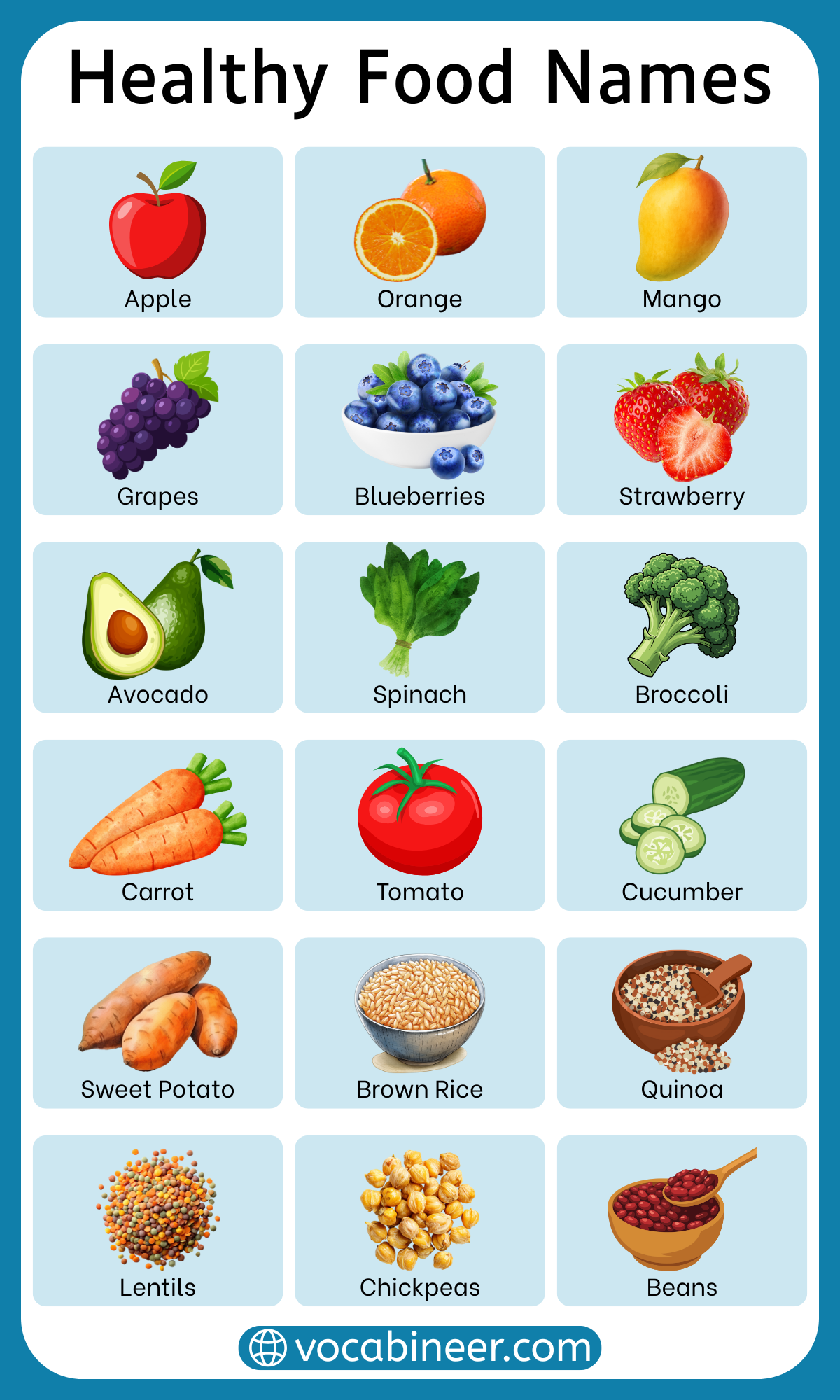
Healthy foods come from many food groups, including fruits, vegetables, grains, proteins, dairy, nuts, seeds, and drinks. These common healthy food names help learners recognize everyday foods and understand basic healthy eating vocabulary.
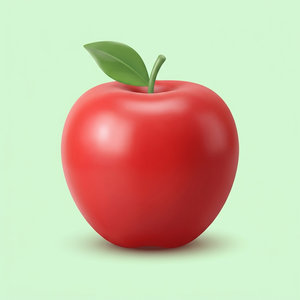
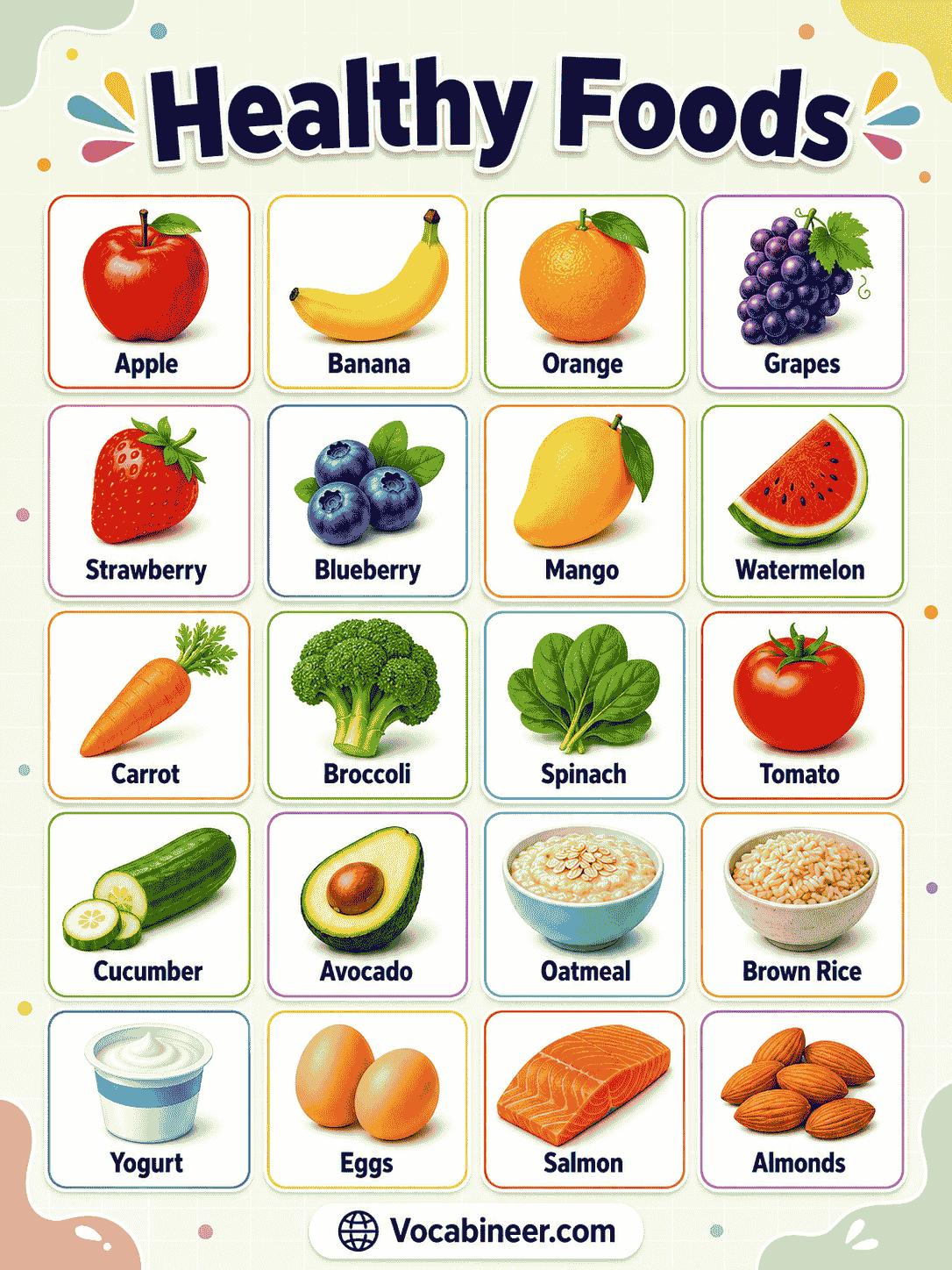
- Apple — a crisp fruit often eaten fresh as a snack.
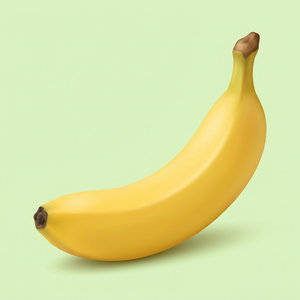
- Banana — a soft sweet fruit that gives quick energy.
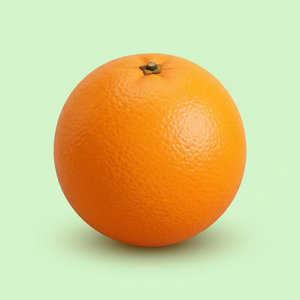
- Orange — a juicy citrus fruit with a fresh citrus taste.
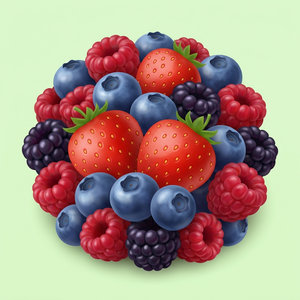
- Berries — small fruits such as strawberries, blueberries, raspberries, and blackberries.
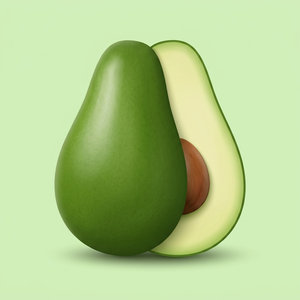
- Avocado — a creamy fruit often used for healthy fats.
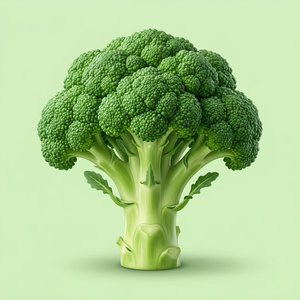
- Broccoli — a green vegetable often eaten steamed, roasted, or cooked.
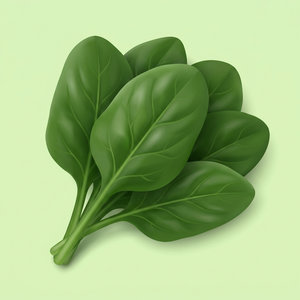
- Spinach — a leafy green vegetable used in salads and meals.
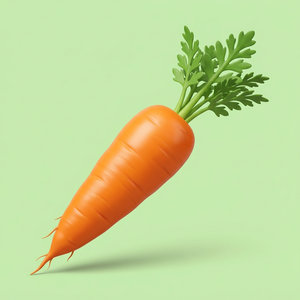
- Carrot — an orange root vegetable eaten raw or cooked.
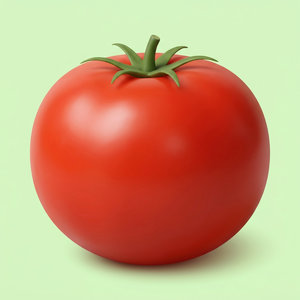
- Tomato — a juicy food used in salads, sauces, and meals.
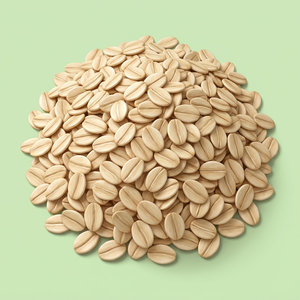
- Oats — a whole grain often eaten as oatmeal.
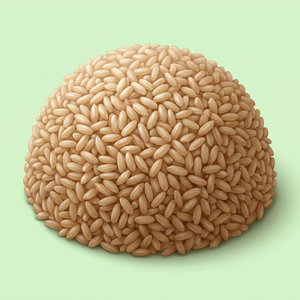
- Brown Rice — a whole grain rice with more fiber than white rice.
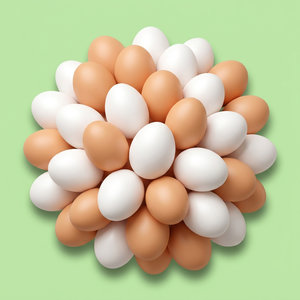
- Eggs — a protein food commonly eaten at breakfast.
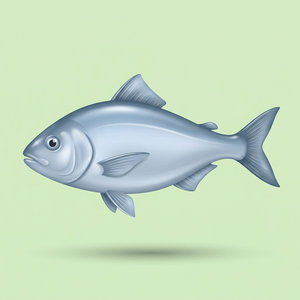
- Fish — a protein food often used in balanced meals.
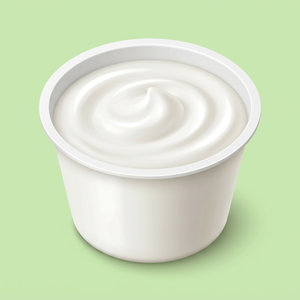
- Yogurt — a dairy food eaten plain or with fruit.
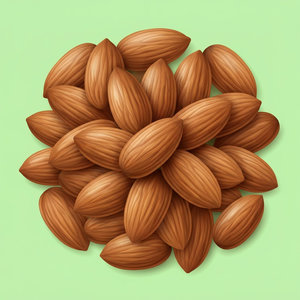
- Almonds — nuts often eaten as a snack or added to meals.
Healthy Fruit Names
Fruits are naturally sweet foods that are often eaten fresh, sliced, blended, dried, or added to salads and snacks. Many fruits provide fiber, water, and useful nutrients for everyday eating.
- Apple — a crisp fruit used for snacks, salads, and lunch boxes.
- Banana — a soft fruit often eaten before school, work, or exercise.
- Orange — a juicy citrus fruit with a bright sweet-tart taste.
- Strawberry — a red berry used in fruit bowls, yogurt, and smoothies.
- Blueberry — a small blue fruit often added to oats and yogurt.
- Grapes — small juicy fruits eaten fresh or added to snack plates.
- Pear — a juicy fruit with soft flesh and mild sweetness.
- Mango — a sweet tropical fruit with soft orange flesh.
- Pineapple — a juicy tropical fruit with a sweet-tart taste.
- Papaya — a soft tropical fruit often eaten fresh.
- Kiwi — a small fruit with green flesh and a tangy taste.
- Watermelon — a refreshing fruit with high water content.
- Pomegranate — a fruit filled with small juicy seeds.
- Guava — a firm fruit with edible seeds and a sweet-tart flavor.
- Lemon — a sour citrus fruit used in drinks and cooking.
- Lime — a small citrus fruit often used for flavoring.
- Grapefruit — a large citrus fruit eaten fresh or juiced.
- Mandarin — a small easy-to-peel citrus fruit.
- Coconut — a tropical fruit used for water, flesh, and oil.
- Dates — naturally sweet dried fruits used in snacks and desserts.
- Raisins — dried grapes often eaten as a snack.
- Figs — soft fruits with tiny seeds, eaten fresh or dried.
Healthy Vegetable Names
Vegetables add color, texture, fiber, and variety to meals. They can be eaten raw, steamed, roasted, grilled, or cooked in soups and sauces.
- Spinach — a leafy green vegetable used in salads and cooked dishes.
- Kale — a dark leafy green often used in salads and smoothies.
- Lettuce — a light leafy vegetable used in salads and sandwiches.
- Cabbage — a leafy vegetable used in salads, soups, and stir-fries.
- Broccoli — a green vegetable often steamed, roasted, or stir-fried.
- Cauliflower — a pale vegetable used in soups, curries, and roasted dishes.
- Carrot — a crunchy root vegetable eaten raw or cooked.
- Beetroot — a deep red root vegetable used in salads and juices.
- Radish — a crisp root vegetable often eaten fresh.
- Sweet Potato — a naturally sweet root vegetable often baked or roasted.
- Tomato — a juicy vegetable-like fruit used in salads and sauces.
- Cucumber — a refreshing vegetable often eaten raw.
- Bell Pepper — a colorful vegetable used in salads and cooked meals.
- Zucchini — a soft vegetable often cooked, grilled, or added to meals.
- Eggplant — a purple vegetable commonly used in cooked dishes.
- Onion — a strong-flavored vegetable used in many recipes.
- Garlic — a small strong-flavored food used for seasoning.
- Green Beans — long green vegetables often cooked as a side dish.
Healthy Whole Grain Foods
Whole grains are grain foods that keep more of the natural grain parts than refined grains. They are often used in breakfast, lunch, dinner, and snacks.
- Oats — a whole grain commonly eaten as oatmeal or porridge.
- Brown Rice — rice with the outer grain layer kept.
- Quinoa — a small grain-like seed often used in bowls and salads.
- Whole Wheat — a grain used to make bread, flatbreads, and other foods.
- Whole Wheat Bread — bread made with whole wheat flour.
- Whole Wheat Pasta — pasta made from whole wheat.
- Barley — a chewy grain used in soups and grain bowls.
- Millet — a small grain used in porridge, flatbreads, or cooked meals.
- Buckwheat — a grain-like seed used in pancakes, noodles, and porridge.
- Corn — a grain often eaten fresh, boiled, roasted, or ground into flour.
- Cornmeal Foods — foods made from ground corn, such as porridge or flatbreads.
- Chapati — a flatbread often made with whole wheat flour.
- Whole Grain Cereal — breakfast cereal made from whole grains.
- Rolled Oats — flattened oats used for oatmeal, granola, and baking.
- Whole Grain Crackers — crackers made with whole grain flour.

Healthy Protein Foods
Protein foods help build and repair body tissues and keep meals filling. Healthy protein foods can come from animals or plants.
- Eggs — a common protein food used at breakfast or in meals.
- Fish — a protein food often grilled, baked, or cooked in curries.
- Salmon — an oily fish used in balanced meals.
- Sardines — small fish often eaten with bread, rice, or salads.
- Tuna — a fish used in sandwiches, salads, and cooked dishes.
- Chicken Breast — a lean protein food used in many meals.
- Turkey — a lean meat often used in sandwiches or cooked dishes.
- Beans — plant protein foods used in soups, curries, and salads.
- Black Beans — dark beans often used in bowls and wraps.
- Kidney Beans — red beans used in chili, rice dishes, and stews.
- Chickpeas — beans used in hummus, salads, and curries.
- Lentils — small legumes used in soups, stews, and dals.
- Soybeans — beans used whole or processed into soy foods.
- Tofu — a soy-based protein often used in stir-fries and soups.
- Tempeh — a fermented soy protein with a firm texture.
- Greek Yogurt — thick yogurt used as a protein-rich dairy food.
- Paneer — a fresh cheese used as a protein food in cooked dishes.
- Cottage Cheese — a soft dairy protein often eaten with fruit or toast.
Nuts and Seeds with Healthy Fats
Nuts, seeds, and healthy fats add flavor, crunch, and richness to meals. They are often used in snacks, breakfast bowls, salads, cooking, and spreads.
- Almonds — crunchy nuts eaten as snacks or added to oatmeal.
- Walnuts — nuts often used in salads, baking, and breakfast bowls.
- Cashews — mild nuts used in snacks and creamy sauces.
- Pistachios — small green nuts eaten as a snack.
- Peanuts — legumes commonly eaten as nuts or peanut butter.
- Chia Seeds — tiny seeds used in puddings, smoothies, and oatmeal.
- Flaxseeds — small seeds often added to cereals and smoothies.
- Pumpkin Seeds — edible seeds used as crunchy toppings.
- Sunflower Seeds — small seeds often eaten as snacks or salad toppings.
- Sesame Seeds — tiny seeds used in bread, sauces, and toppings.
- Avocado — a creamy food often used for healthy fats.
- Olive Oil — an oil used in salads, cooking, and dressings.
- Mustard Oil — a cooking oil used in some traditional cuisines.
- Sunflower Oil — a light cooking oil made from sunflower seeds.
- Coconut Oil — an oil made from coconut, often used in cooking.
- Nut Butter — a spread made from blended nuts.
- Peanut Butter — a popular spread made from peanuts.
Dairy and Fermented Foods
Dairy and fermented foods are common in many healthy eating patterns. Some fermented foods are also used for flavor, texture, and traditional meals.
- Milk — a dairy drink used alone or with cereals and smoothies.
- Milk Powder — dried milk used in cooking, drinks, or food preparation.
- Yogurt — a dairy food often eaten plain or with fruit.
- Greek Yogurt — a thick dairy food often used for breakfast or snacks.
- Plain Yogurt — yogurt without added flavors or sweeteners.
- Curd — a traditional fermented dairy food used in many meals.
- Buttermilk — a light fermented dairy drink.
- Kefir — a fermented dairy drink with a tangy taste.
- Cheese — a dairy food used in sandwiches, salads, and meals.
- Paneer — a fresh dairy cheese used in cooking and traditional dishes.
- Cottage Cheese — a soft dairy food often eaten with fruit or toast.
- Fermented Vegetables — vegetables preserved through fermentation.
- Sauerkraut — fermented cabbage with a sour flavor.
- Kimchi — spicy fermented vegetables often used in Korean meals.
- Miso — a fermented soybean paste used in soups and sauces.
- Tempeh — a fermented soy food used as a plant protein.
Healthy Snacks and Drinks
Healthy snacks and drinks can help between meals when chosen with simple ingredients. Good options often include fruit, vegetables, nuts, yogurt, whole grains, and water.
- Fruit Bowl — a bowl of mixed fresh fruits.
- Vegetable Sticks — sliced vegetables such as carrots and cucumbers.
- Nuts — small crunchy snacks such as almonds or walnuts.
- Trail Mix — a mix of nuts, seeds, and dried fruit.
- Seed Mixes — mixed edible seeds eaten as snacks or toppings.
- Yogurt Bowl — yogurt topped with fruit, oats, or seeds.
- Smoothie — a blended drink made with fruit, milk, yogurt, or vegetables.
- Boiled Eggs — cooked eggs eaten as a quick protein snack.
- Roasted Chickpeas — crunchy cooked chickpeas used as a snack.
- Boiled Corn — cooked corn eaten as a light snack.
- Granola Bars — snack bars often made with oats, nuts, seeds, or dried fruit.
- Whole Grain Crackers — crackers made with whole grains.
- Hummus — a chickpea spread often eaten with vegetables or bread.
- Salad — a mix of vegetables, fruits, grains, or proteins.
- Water — the simplest healthy drink for everyday hydration.
- Milk — a dairy drink often used at breakfast or with snacks.
- Green Tea — a tea drink often served hot or cold.
- Herbal Tea — a caffeine-free drink made from herbs or flowers.
- Coconut Water — a light drink from young coconuts.
Healthy Foods for Breakfast
Healthy breakfast foods are usually simple, filling, and easy to prepare. They often include whole grains, fruits, eggs, dairy, nuts, seeds, or balanced drinks.
- Oatmeal — cooked oats often served with fruit, nuts, or seeds at breakfast.
- Boiled Eggs — a breakfast protein food that is easy to prepare.
- Greek Yogurt — a thick breakfast yogurt often served with fruit or granola.
- Whole Wheat Toast — a breakfast bread option made from whole wheat.
- Fruit Bowl — fresh fruits served together as a light breakfast.
- Smoothie — a quick breakfast drink made with fruit, yogurt, or milk.
- Chia Pudding — chia seeds soaked in milk or yogurt for a breakfast bowl.
- Avocado Toast — toast topped with mashed avocado for a simple breakfast.
- Cottage Cheese Bowl — cottage cheese served with fruit or nuts in the morning.
- Whole Grain Cereal — breakfast cereal made from whole grains.
- Banana — a quick breakfast fruit eaten alone or with oats.
- Milk — a common breakfast drink served with cereal, toast, or fruit.
Healthy Food Groups and Balanced Plate
Healthy foods are easier to understand when grouped by type. A balanced plate usually includes vegetables, fruits, grains, protein foods, dairy or alternatives, and small amounts of healthy fats.
| Food Group | Examples |
|---|---|
| Fruits | apple, banana, orange, berries, mango |
| Vegetables | spinach, broccoli, carrot, tomato, cucumber |
| Whole Grains | oats, brown rice, quinoa, whole wheat bread |
| Protein Foods | eggs, fish, chicken, beans, lentils, tofu |
| Dairy Foods | milk, yogurt, Greek yogurt, cottage cheese |
| Healthy Fats | avocado, olive oil, almonds, walnuts, chia seeds |
| Healthy Drinks | water, milk, green tea, herbal tea, smoothie |
Confusing Healthy Food Terms Explained
| Healthy Food Terms | Difference |
|---|---|
| Whole Grains vs Refined Grains | Whole grains keep more natural grain parts, while refined grains have some parts removed. |
| Protein Foods vs Carbohydrate Foods | Protein foods help build and repair the body, while carbohydrate foods provide energy. |
| Healthy Fats vs Unhealthy Fats | Healthy fats often come from foods like nuts, seeds, avocado, and olive oil, while unhealthy fats are usually found in heavily processed foods. |
| Fruits vs Vegetables | Fruits usually grow from flowers and often taste sweet, while vegetables can come from leaves, roots, stems, or other plant parts. |
| Beans vs Lentils | Beans are usually larger legumes, while lentils are smaller and often cook faster. |
| Nuts vs Seeds | Nuts usually come from tree fruits or shells, while seeds are the plant parts that can grow into new plants. |
| Yogurt vs Greek Yogurt | Greek yogurt is thicker and often higher in protein than regular yogurt. |
| Smoothie vs Juice | A smoothie blends whole foods, while juice usually removes much of the pulp or fiber. |
| Fresh Foods vs Processed Foods | Fresh foods are closer to their natural form, while processed foods have been changed through packaging, cooking, or added ingredients. |
| Healthy Snacks vs Junk Food | Healthy snacks usually provide useful nutrients, while junk food is often high in added sugar, salt, or unhealthy fats. |
Healthy Foods Chart with Pictures
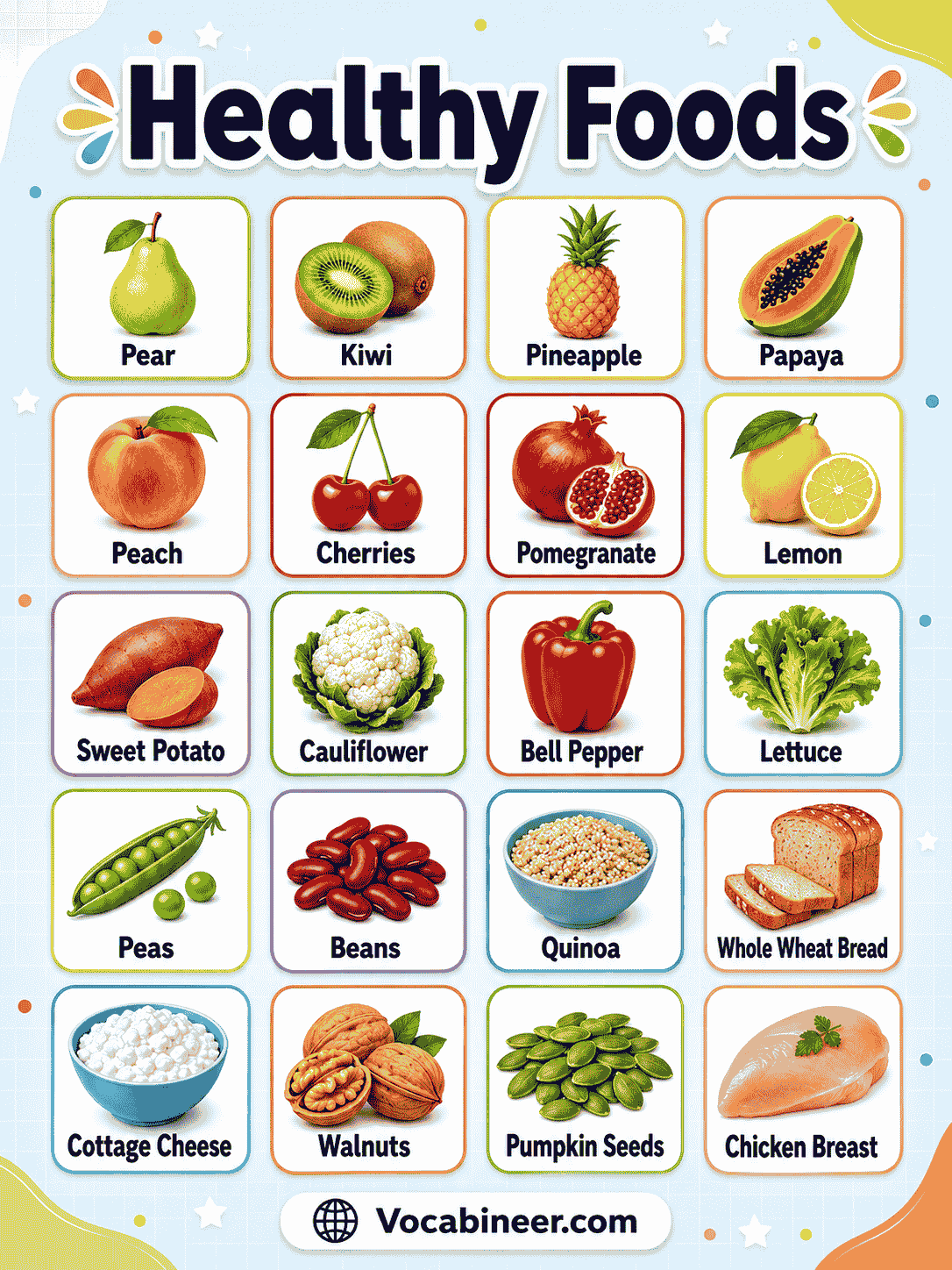
A healthy foods chart helps learners compare food groups quickly.
| Healthy Food Group | Details |
|---|---|
| Fruits | Best for: fresh snacks and natural sweetnessExamples: apple, banana, berries |
| Vegetables | Best for: colorful meals and saladsExamples: spinach, broccoli, carrot |
| Whole Grains | Best for: filling meals and breakfastExamples: oats, brown rice, quinoa |
| Protein Foods | Best for: balanced meals and strengthExamples: eggs, fish, lentils |
| Nuts Seeds and Dairy | Best for: snacks and breakfast bowlsExamples: almonds, chia seeds, yogurt |
| Snacks and Drinks | Best for: simple everyday choicesExamples: fruit bowl, smoothie, water |
How to Choose Healthy Foods
Choose healthy foods by looking for variety, color, and simple ingredients. Fruits and vegetables add freshness, whole grains make meals more filling, protein foods support strength, and healthy fats add flavor and richness.
A balanced meal does not need to be complicated. Start with one fruit or vegetable, add a whole grain, include a protein food, and choose water or another simple drink. Snacks can also be healthy when they include foods like fruit, yogurt, nuts, eggs, vegetable sticks, roasted chickpeas, boiled corn, or whole grain crackers.
FAQs
Healthy foods are natural or lightly processed foods that provide the body with nutrients such as vitamins, minerals, fiber, and protein. Common examples include fruits, vegetables, grains, dairy foods, nuts, seeds, and protein-rich foods eaten daily.
Foods commonly considered healthy for daily meals include fresh fruits, cooked vegetables, whole grains, lentils, beans, eggs, milk, yogurt, and nuts. These foods are regularly used in breakfasts, lunches, and dinners across many households.
Yes, fruits and vegetables are considered healthy foods because they are rich in fiber, water, and essential nutrients. They are often eaten raw or cooked and form an important part of daily meals.
Healthy snacks include fresh fruit, yogurt, nuts, roasted chickpeas, boiled eggs, vegetable sticks, and seed mixes. These snacks are commonly eaten between meals and are easy to prepare and carry.
Grains are part of healthy foods when eaten in their whole form. Examples include brown rice, oats, whole wheat, barley, and millet. These grains are commonly used in daily meals and provide energy and fiber.
Conclusion
Healthy foods names include a wide range of fruits, vegetables, grains, protein sources, dairy products, nuts, seeds, and snacks eaten daily across the world. Knowing these names helps readers identify foods correctly, understand meal components, and communicate clearly about everyday eating habits at home, school, or work.
Read More
- Types of Food in English
- Street Food Items Names
- Breakfast Food Names
- Types of Fast Food
- Lunch Food Names