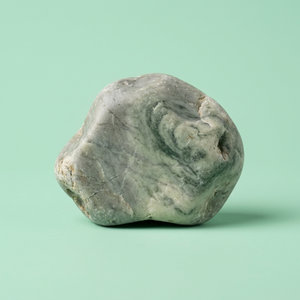
Different types of rocks shape the Earth’s surface, from volcanic basalt and granite to layered sandstone, limestone, marble, and slate. Rocks appear in mountains, cliffs, riverbeds, beaches, roads, buildings, gardens, and many everyday objects.
Learning rock names helps students, kids, teachers, travelers, and English learners understand Earth science vocabulary more clearly. Some rocks come from hot melted material, while others form from sand, shells, mud, or older rocks changed by heat and pressure. As a result, each rock has its own texture, color, pattern, and use.
In This Page
What Are Rocks?
Rocks are solid natural materials made of minerals, mineraloids, or organic matter. Many rocks contain more than one mineral. For example, granite commonly contains quartz, feldspar, and mica.
Geologists group rocks by the way they form. The three main groups are igneous rocks, sedimentary rocks, and metamorphic rocks. Each group has different features, so learning the main types makes rock identification easier.
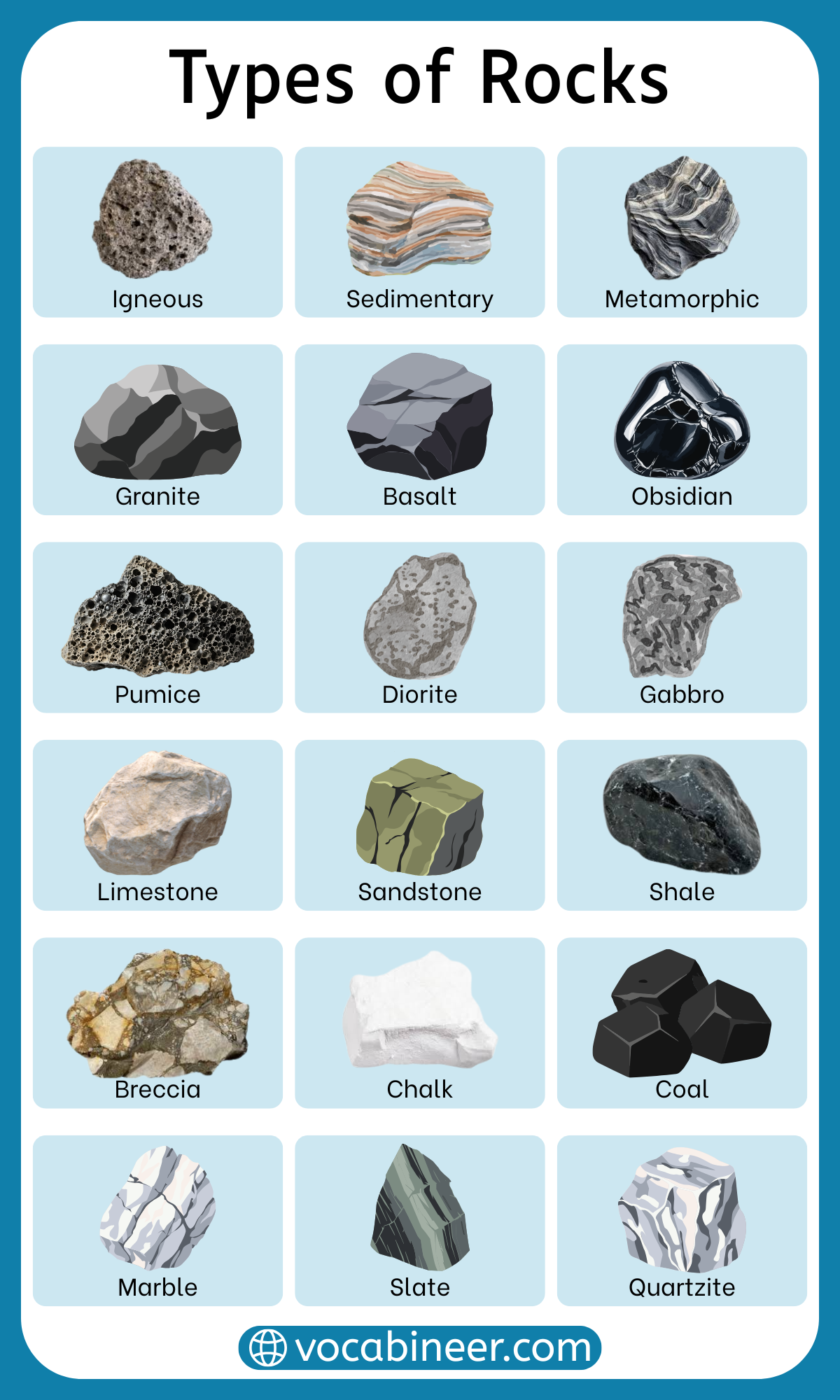
Quick Rock Types Chart
| Rock Type | Simple Meaning | How It Forms | Examples |
|---|---|---|---|
| Igneous rocks | Rocks from melted material | Magma or lava cools and hardens | Granite, basalt, obsidian |
| Sedimentary rocks | Rocks from layers | Sediments press and cement together | Sandstone, limestone, shale |
| Metamorphic rocks | Changed rocks | Heat and pressure change older rocks | Marble, slate, gneiss |
Main Rock Groups Explained
There are three main types of rocks.
Igneous rocks
These rocks form when melted rock cools and becomes solid. Below Earth’s surface, melted rock is called magma. When it reaches the surface, it becomes lava.
Sedimentary rocks
These rocks form from layers of sediment such as sand, mud, shells, minerals, or small rock pieces. Over time, the layers press together, and minerals cement them into solid rock.
Metamorphic rocks
These rocks form when heat, pressure, or chemical activity changes older rocks. The original rock does not fully melt, but its minerals and texture can change.
Common Rocks with Pictures and Names
Pictures help learners recognize rocks by their color, texture, layers, crystals, and patterns.
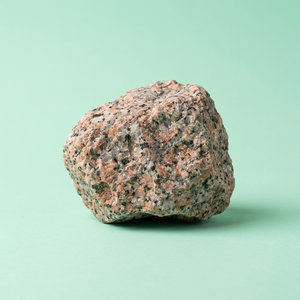
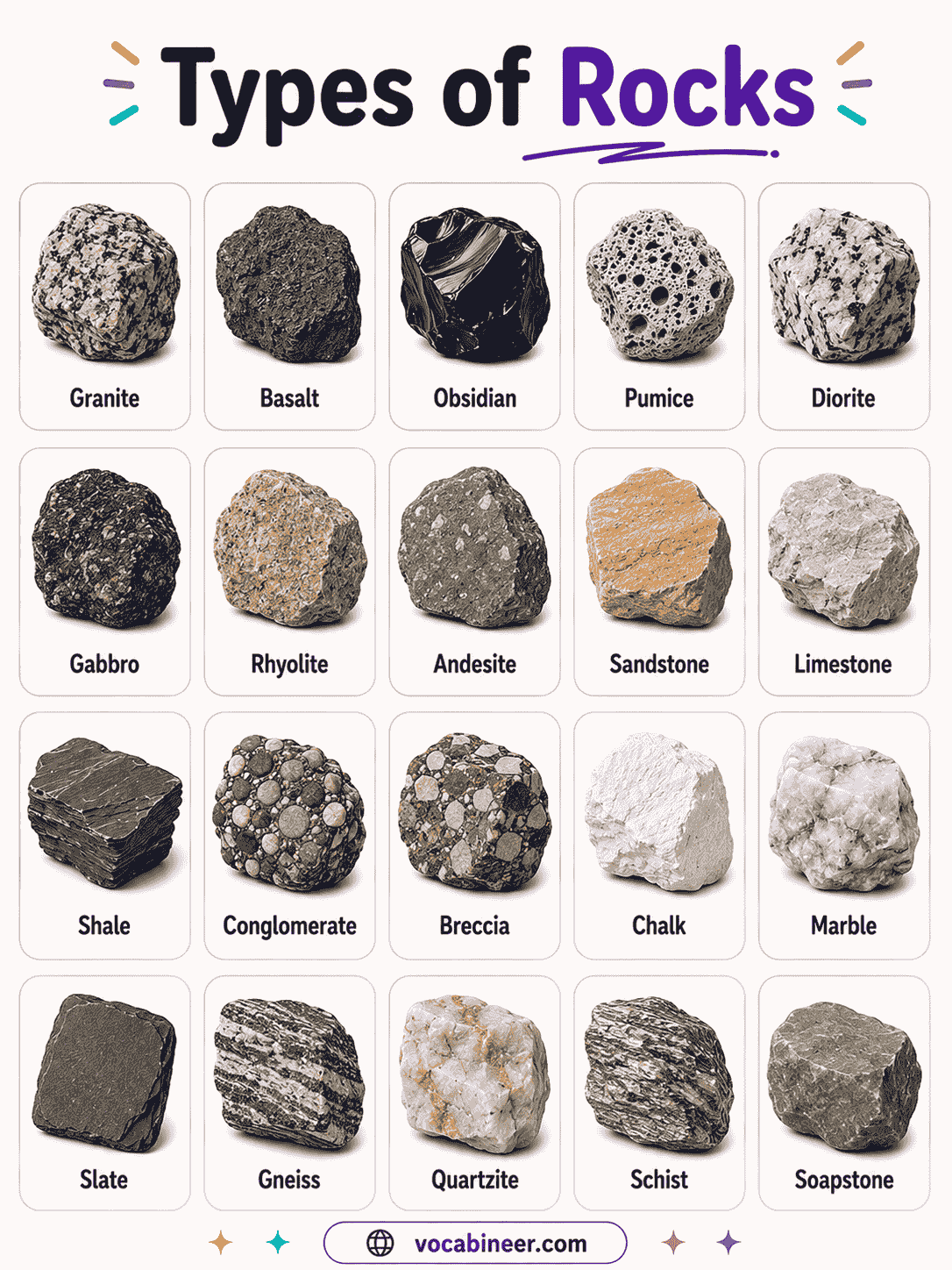
Granite
Granite is a hard igneous rock with visible crystals. Builders often use it for monuments, floors, buildings, and kitchen countertops.
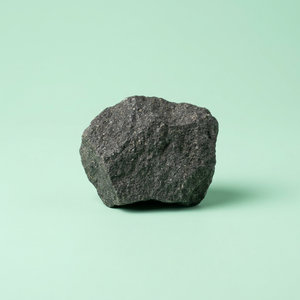
Basalt
Basalt is a dark volcanic rock that usually forms when lava cools at or near Earth’s surface. It also works well in roads, concrete, and railway ballast.
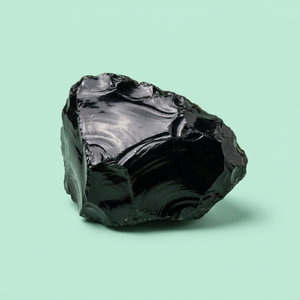
Obsidian
Obsidian is a shiny volcanic glass because lava cools very quickly before large crystals can grow. People use it for decoration, jewelry, carvings, and sharp-edged tools.
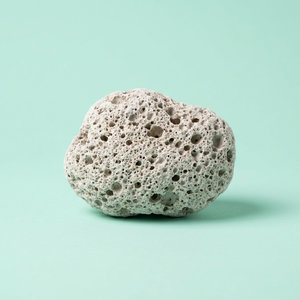
Pumice
Pumice is a light volcanic rock with many tiny holes, so some pieces can float in water. It also appears in cleaning products, gardens, and beauty tools.
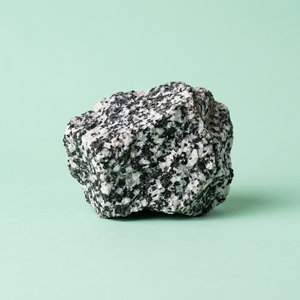
Diorite
Diorite is a speckled intrusive igneous rock with black, white, and gray minerals. It often appears in paving, construction, and decorative stonework.
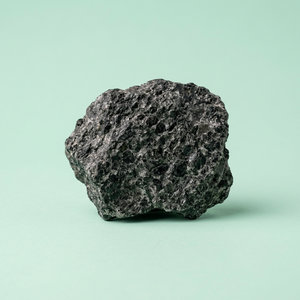
Gabbro
Gabbro is a dark, coarse-grained igneous rock. Builders often crush it for roads, railway ballast, and building materials.
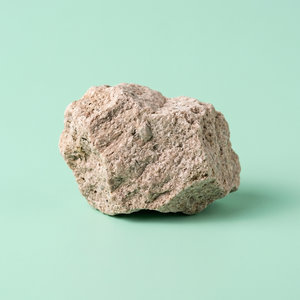
Rhyolite
Rhyolite is a light-colored volcanic rock with a fine texture. It forms from lava and may look pale, pinkish, gray, or reddish.
Andesite
Andesite is a gray volcanic rock, and it commonly appears in volcanic regions. Because it is strong, people may use it as building stone or road material.
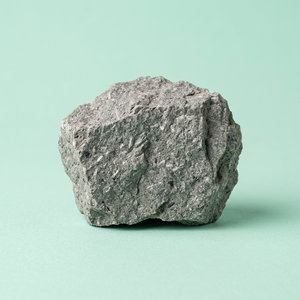
Sandstone
Sandstone is a grainy sedimentary rock because it forms from sand-sized particles. It often appears in cliffs, walls, paving stones, and buildings.
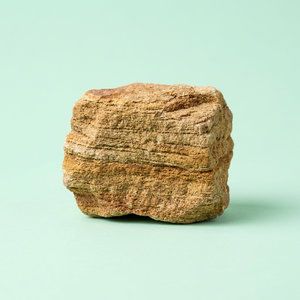
Limestone
Limestone often forms from shells and marine material, so it may contain fossils. Many industries use it for cement, walls, monuments, and building materials.
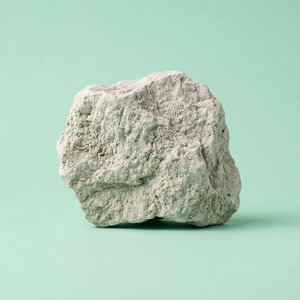
Shale
Shale is a fine-grained sedimentary rock that splits into thin layers. It usually forms from mud or clay and helps make bricks, tiles, and cement.
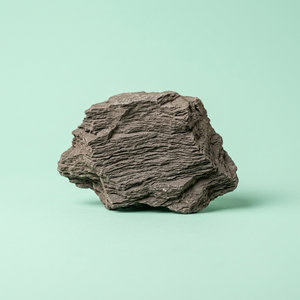
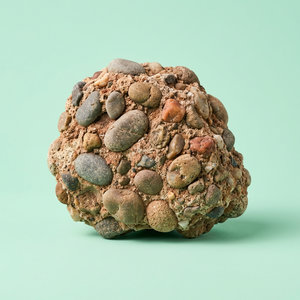
Conglomerate
Conglomerate is a sedimentary rock with rounded pebbles cemented together. Its mixed fragments make it easy to recognize.
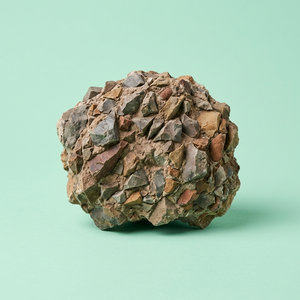
Breccia
Breccia is a sedimentary rock with sharp, angular fragments. Unlike conglomerate, its pieces look broken rather than rounded.
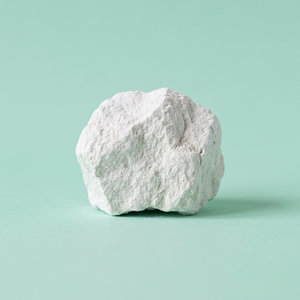
Chalk
Chalk is a soft, white type of limestone. It forms from tiny marine organisms and often has a powdery texture.
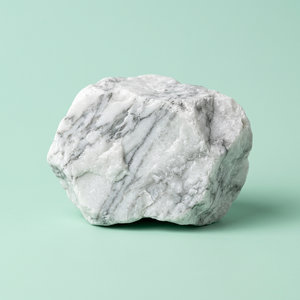
Marble
Marble is a smooth metamorphic rock that forms when heat and pressure change limestone. People use it for statues, floors, countertops, and decoration.
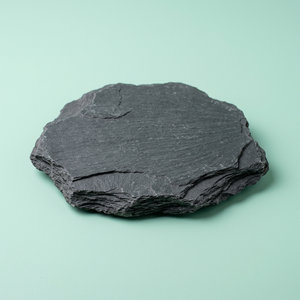
Slate
Slate is a layered metamorphic rock that splits into flat sheets. It works well for roofs, floor tiles, garden paths, and boards.
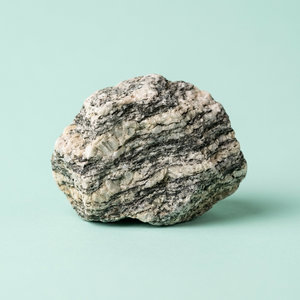
Gneiss
Gneiss is a banded metamorphic rock with light and dark mineral stripes. Its pattern makes it useful for building stone and decoration.
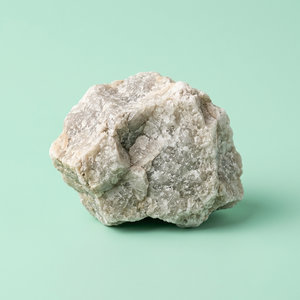
Quartzite
Quartzite is a hard metamorphic rock that forms when heat and pressure change sandstone. Because it is durable, people use it for countertops, walls, floors, and decorative stone.
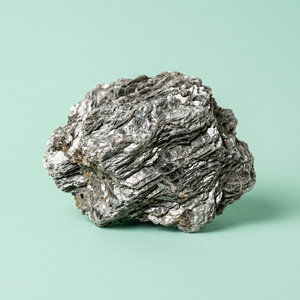
Schist
Schist is a foliated metamorphic rock with visible shiny minerals. It often has a flaky look, and landscapers use it for decorative stone.
Soapstone
Soapstone is a soft, smooth metamorphic rock rich in talc. Artists often use it for carving, while designers may use it for counters and decorative objects.
How Rocks Change in the Rock Cycle?
The rock cycle explains how rocks change from one type to another over time. Rocks do not stay the same forever because weather, water, heat, pressure, melting, and cooling can slowly change them.
For example, an igneous rock can break down into sediments. Then, those sediments can form sedimentary rock. Later, heat and pressure may change that sedimentary rock into metamorphic rock.
Rock Cycle Diagram for Easy Learning
A rock cycle diagram helps students understand how rocks form and change.
| Process | What Happens |
|---|---|
| Cooling | Magma or lava cools into igneous rock |
| Weathering | Rocks break into smaller pieces |
| Erosion | Wind, water, or ice moves sediments |
| Deposition | Sediments settle in layers |
| Compaction | Layers press together |
| Cementation | Minerals glue sediments together |
| Heat and pressure | Older rocks change into metamorphic rocks |
| Melting | Rocks melt and become magma again |
A simple rock cycle may look like this:
Magma → Igneous rock → Sediments → Sedimentary rock → Metamorphic rock → Magma
Important Rock Formation Words
| Word | Meaning |
|---|---|
| Magma | Hot melted rock beneath Earth’s surface |
| Lava | Hot melted rock that reaches Earth’s surface |
| Sediment | Small pieces of rock, sand, mud, shells, or minerals |
| Weathering | The breaking down of rocks |
| Erosion | The movement of rock pieces by wind, water, or ice |
| Deposition | The settling of sediments in one place |
| Compaction | The pressing together of sediment layers |
| Cementation | The natural “gluing” of sediments into rock |
| Crystallization | The growth of mineral crystals as melted rock cools |
| Heat and pressure | Forces that change older rocks into metamorphic rocks |
Igneous Rocks
Igneous rocks form when magma or lava cools and becomes solid. These rocks may have crystals, glassy surfaces, or tiny holes, depending on how quickly they cool.
Intrusive Igneous Rocks
Intrusive igneous rocks form when magma cools slowly beneath Earth’s surface. Because cooling takes a long time, large mineral crystals can grow.
| Rock Name | Meaning | Feature |
|---|---|---|
| Granite | Light-colored intrusive rock | Large visible crystals |
| Diorite | Coarse-grained igneous rock | Black, white, and gray minerals |
| Gabbro | Dark intrusive rock | Coarse texture |
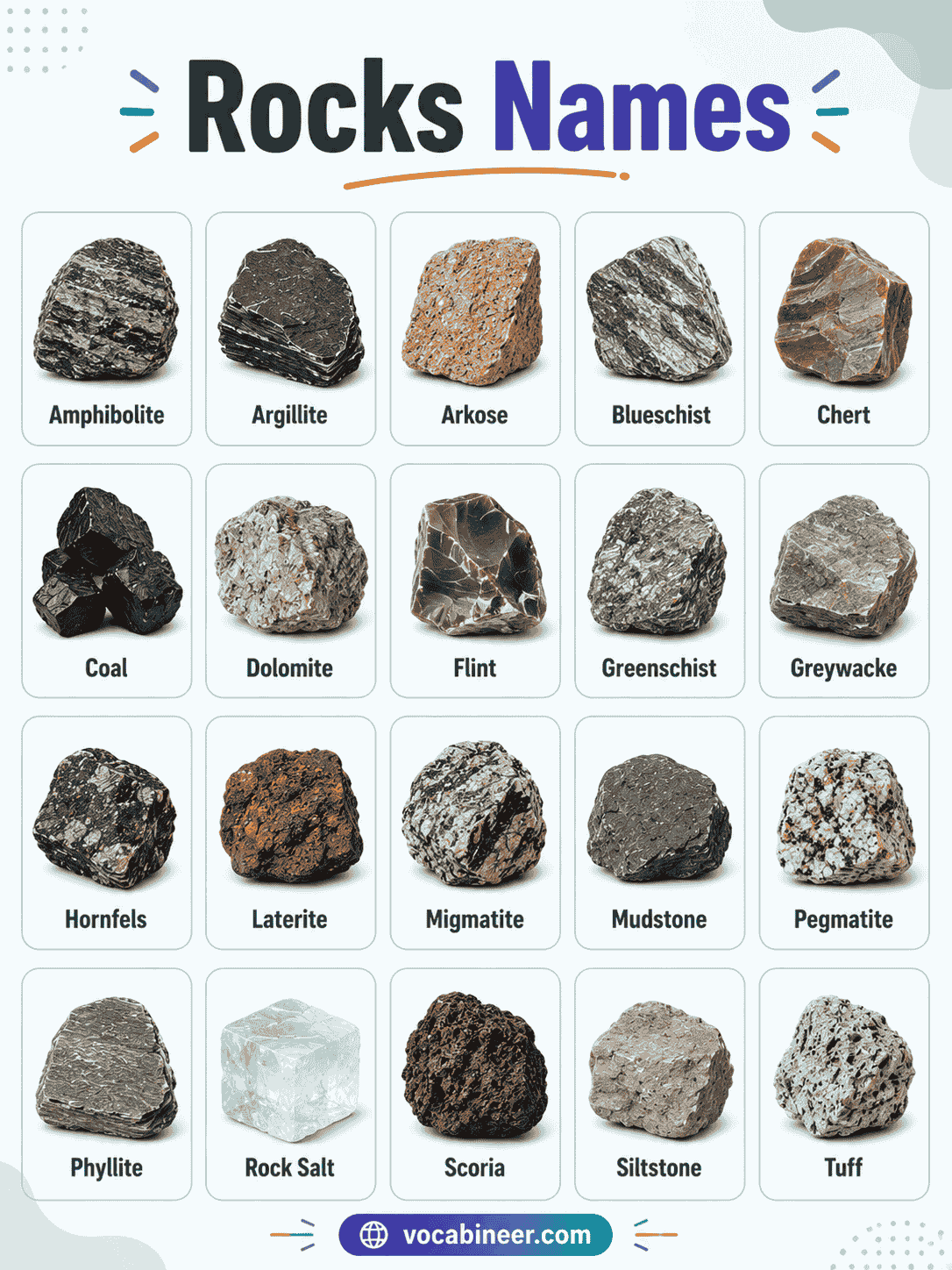
| Pegmatite | Very coarse igneous rock | Extra-large crystals |
Extrusive Igneous Rocks
Extrusive igneous rocks form when lava cools quickly on or near Earth’s surface. Since fast cooling gives crystals less time to grow, these rocks often have small crystals, glassy textures, or holes from trapped gas.
| Rock Name | Meaning | Feature |
|---|---|---|
| Basalt | Dark volcanic rock | Fine-grained texture |
| Obsidian | Natural volcanic glass | Smooth and shiny |
| Pumice | Light volcanic rock | Many tiny holes |
| Rhyolite | Light-colored volcanic rock | Fine-grained texture |
| Andesite | Gray volcanic rock | Common near volcanoes |
| Tuff | Rock made from volcanic ash | Soft or crumbly texture |
Igneous Rock Examples and Meanings
| Igneous Rock | Simple Meaning | Common Use |
|---|---|---|
| Granite | Hard rock from slow-cooling magma | Buildings, countertops, monuments |
| Basalt | Dark rock usually formed from lava | Roads, concrete, railways |
| Obsidian | Glassy volcanic rock | Decoration, jewelry, tools |
| Pumice | Lightweight volcanic rock | Cleaning, beauty products, gardening |
| Diorite | Coarse igneous rock | Construction and decoration |
| Gabbro | Dark, strong igneous rock | Road stone and building material |
| Rhyolite | Light-colored volcanic rock | Decoration and construction |
| Andesite | Gray volcanic rock | Building stone and road material |
Sedimentary Rocks
Sedimentary rocks form from layers of sediment. These sediments may come from broken rocks, shells, minerals, plants, or animal remains. Therefore, many sedimentary rocks show layers, grains, or fossils.
Clastic Sedimentary Rocks
Clastic sedimentary rocks form from pieces of older rocks. These pieces may look large, small, rounded, or sharp.
| Rock Name | Meaning | Feature |
|---|---|---|
| Sandstone | Rock made from sand grains | Grainy texture |
| Shale | Rock made from mud or clay | Thin layers |
| Conglomerate | Rock with rounded pebbles | Mixed fragments |
| Breccia | Rock with angular fragments | Sharp broken pieces |
| Siltstone | Rock made from silt-sized particles | Fine-grained texture |
Chemical Sedimentary Rocks
Chemical sedimentary rocks form when minerals dissolve in water and later crystallize or settle. As water evaporates or changes, minerals can collect and form solid rock.
| Rock Name | Meaning | Feature |
|---|---|---|
| Rock salt | Sedimentary rock made of halite | Often forms from evaporated water |
| Gypsum rock | Rock made mostly of gypsum | Soft and light-colored |
| Dolomite | Carbonate sedimentary rock | Similar to limestone |
| Chert | Hard rock made of silica | Smooth or waxy texture |
Organic Sedimentary Rocks
Organic sedimentary rocks form from the remains of living things, such as plants, shells, or marine organisms.
| Rock Name | Meaning | Feature |
|---|---|---|
| Limestone | Often forms from shells and marine material | May contain fossils |
| Chalk | Soft type of limestone | White and powdery |
| Coal | Forms from ancient plant material | Dark and carbon-rich |
Sedimentary Rock Examples and Meanings
| Sedimentary Rock | Simple Meaning | Common Use |
|---|---|---|
| Sandstone | Rock made from compacted sand | Buildings, paving, decoration |
| Limestone | Rock often made from marine remains | Cement, walls, monuments |
| Shale | Fine rock made from mud or clay | Bricks, cement, tiles |
| Conglomerate | Rock made of rounded stones | Decoration and construction |
| Breccia | Rock made of angular fragments | Decoration and building stone |
| Chalk | Soft limestone | Education, soil treatment, industrial uses |
| Coal | Organic rock from plant remains | Fuel and industry |
Metamorphic Rocks
Metamorphic rocks form when heat, pressure, or chemical activity changes existing rocks. These rocks may become harder, denser, smoother, or more layered.
Foliated Metamorphic Rocks
Foliated metamorphic rocks have layers, bands, or sheet-like patterns. Pressure often lines up minerals in one direction, so the rock develops a layered appearance.
| Rock Name | Meaning | Feature |
|---|---|---|
| Slate | Fine-grained metamorphic rock | Splits into thin sheets |
| Phyllite | Rock between slate and schist | Slightly shiny surface |
| Schist | Metamorphic rock with visible minerals | Flaky or shiny texture |
| Gneiss | Banded metamorphic rock | Light and dark mineral bands |
Non-Foliated Metamorphic Rocks
Non-foliated metamorphic rocks do not have clear layers. Instead, heat often changes the rock more evenly.
| Rock Name | Meaning | Feature |
|---|---|---|
| Marble | Metamorphic rock from limestone | Smooth and decorative |
| Quartzite | Metamorphic rock from sandstone | Very hard and durable |
| Hornfels | Hard metamorphic rock | Fine-grained texture |
| Soapstone | Soft metamorphic rock | Smooth and easy to carve |
Metamorphic Rock Examples and Meanings
| Metamorphic Rock | Simple Meaning | Common Use |
|---|---|---|
| Marble | Changed limestone | Floors, statues, decoration |
| Slate | Changed shale | Roofing, tiles, boards |
| Quartzite | Changed sandstone | Countertops, walls, construction |
| Gneiss | Banded metamorphic rock | Building stone and decoration |
| Schist | Layered rock with visible minerals | Landscaping and decoration |
| Soapstone | Soft rock rich in talc | Carving, counters, art |
| Hornfels | Hard rock changed by heat | Construction and decorative stone |
Rocks vs Minerals
Rocks and minerals are related, but they are not the same. A mineral has a specific natural structure and composition. A rock usually contains one or more minerals.
| Feature | Rock | Mineral |
|---|---|---|
| Meaning | Natural solid made of minerals, mineraloids, or organic matter | Natural solid with a specific chemical structure |
| Composition | May contain one or many minerals | Usually has a definite composition |
| Examples | Granite, sandstone, marble | Quartz, mica, feldspar |
| Use in geology | Helps classify Earth materials | Helps identify what rocks contain |
Rock Names with Simple Meanings
| Rock Name | Type | Simple Meaning |
|---|---|---|
| Granite | Igneous | Hard rock with visible crystals |
| Basalt | Igneous | Dark volcanic rock |
| Obsidian | Igneous | Shiny volcanic glass |
| Pumice | Igneous | Lightweight rock with holes |
| Diorite | Igneous | Speckled intrusive rock |
| Gabbro | Igneous | Dark coarse-grained rock |
| Rhyolite | Igneous | Light-colored volcanic rock |
| Andesite | Igneous | Gray volcanic rock |
| Sandstone | Sedimentary | Rock made from sand grains |
| Limestone | Sedimentary | Rock often formed from shells |
| Shale | Sedimentary | Fine rock that splits into layers |
| Conglomerate | Sedimentary | Rock with rounded pebbles |
| Breccia | Sedimentary | Rock with angular fragments |
| Chalk | Sedimentary | Soft white limestone |
| Marble | Metamorphic | Changed limestone |
| Slate | Metamorphic | Thin layered rock |
| Quartzite | Metamorphic | Changed sandstone |
| Gneiss | Metamorphic | Banded metamorphic rock |
| Schist | Metamorphic | Layered rock with shiny minerals |
| Soapstone | Metamorphic | Soft smooth rock rich in talc |
Rock Textures and What They Mean
Texture helps people identify rocks because it describes how a rock looks or feels. For example, some rocks look glassy, while others feel grainy or show clear bands.
| Texture Word | Meaning | Example |
|---|---|---|
| Coarse-grained | Large visible grains or crystals | Granite |
| Fine-grained | Tiny grains or crystals | Basalt |
| Glassy | Smooth and shiny like glass | Obsidian |
| Porous | Full of small holes | Pumice |
| Layered | Made of visible layers | Shale |
| Banded | Has light and dark stripes | Gneiss |
| Foliated | Has sheet-like or layered structure | Slate |
| Crystalline | Made of interlocking crystals | Marble |
| Grainy | Feels or looks like grains of sand | Sandstone |
| Fragmented | Made of broken pieces | Breccia |
Rock Identification Chart
| Clue | Possible Rock Type | Example |
|---|---|---|
| Glassy surface | Igneous | Obsidian |
| Small holes | Igneous | Pumice |
| Large visible crystals | Igneous | Granite |
| Dark fine texture | Igneous | Basalt |
| Visible layers | Sedimentary | Shale |
| Grainy texture | Sedimentary | Sandstone |
| Rounded pebbles | Sedimentary | Conglomerate |
| Sharp fragments | Sedimentary | Breccia |
| Fossils | Sedimentary | Limestone |
| Light and dark bands | Metamorphic | Gneiss |
| Smooth crystalline texture | Metamorphic | Marble |
| Thin flat sheets | Metamorphic | Slate |
How to Identify Different Types of Rocks
You can identify rocks by studying their color, texture, layers, grains, hardness, and formation clues. However, one feature does not always give the full answer. Therefore, it helps to compare several signs together.
| Feature to Check | What It Can Tell You |
|---|---|
| Color | May give clues about minerals, but color alone is not enough |
| Texture | Shows whether the rock looks glassy, grainy, layered, or crystalline |
| Grain size | Helps separate coarse and fine rocks |
| Layers | Often suggest sedimentary or foliated metamorphic rocks |
| Fossils | Usually point to sedimentary rocks |
| Hardness | Helps compare minerals and rock strength |
| Holes | May show gas bubbles in volcanic rocks |
| Bands | Often suggest metamorphic rocks like gneiss |
| Fragments | May help identify rocks like breccia or conglomerate |
Uses of Rocks in Daily Life
Rocks help people build homes, roads, bridges, monuments, gardens, and art pieces. Some rocks work well because they are strong, while others look beautiful and suit decoration.
Rocks Used in Construction
| Rock | Common Construction Use |
|---|---|
| Granite | Buildings, bridges, countertops |
| Basalt | Road base, concrete, railway ballast |
| Limestone | Cement, blocks, walls |
| Sandstone | Paving, walls, buildings |
| Slate | Roof tiles and floor tiles |
| Gabbro | Crushed stone and road material |
Decorative Rocks for Homes and Monuments
| Rock | Decorative Use |
|---|---|
| Marble | Floors, statues, monuments |
| Granite | Countertops and wall panels |
| Quartzite | Interior walls and countertops |
| Slate | Flooring and garden paths |
| Soapstone | Carvings and smooth surfaces |
| Gneiss | Decorative building stone |
Rocks Used in Roads, Cement, and Building Materials
| Rock | Material Use |
|---|---|
| Limestone | Cement and concrete production |
| Basalt | Road construction |
| Shale | Bricks and cement |
| Sandstone | Paving stones |
| Granite | Crushed stone and building blocks |
| Gabbro | Road aggregate and railway ballast |
Rocks Used in Jewelry and Art
| Rock | Use |
|---|---|
| Obsidian | Jewelry, ornaments, carvings |
| Marble | Sculptures and decorative art |
| Soapstone | Carving and craft objects |
| Slate | Engraved signs and art pieces |
| Quartzite | Decorative stonework |
| Schist | Landscaping and ornamental stone |
Common Rocks You See Around You
| Rock | Where You May See It |
|---|---|
| Granite | Kitchen counters, buildings, monuments |
| Marble | Floors, statues, hotels, bathrooms |
| Slate | Roofs, tiles, garden paths |
| Limestone | Cement, walls, old buildings |
| Basalt | Roads, railways, volcanic areas |
| Sandstone | Cliffs, walls, paving stones |
| Pumice | Cleaning stones, gardens, beauty products |
| Quartzite | Countertops, walls, decorative surfaces |
| Soapstone | Carvings, counters, sculptures |
Types of Rocks for Kids
Rocks become easier to understand when each group has a simple meaning.
- Igneous rocks come from melted rock that cools and becomes hard.
- Sedimentary rocks form from layers of sand, mud, shells, or tiny rock pieces.
- Metamorphic rocks are older rocks changed by heat and pressure.
A simple way to remember them:
| Rock Type | Kid-Friendly Meaning |
|---|---|
| Igneous | Fire-made rocks |
| Sedimentary | Layer-made rocks |
| Metamorphic | Changed rocks |
Example Sentences with Rock Names
- Builders often use granite for strong kitchen countertops.
- Basalt usually forms when lava cools at or near Earth’s surface.
- Obsidian looks shiny because it acts like natural volcanic glass.
- Some pumice can float in water because it has many tiny holes.
- Diorite has a speckled black, white, and gray appearance.
- Road builders often crush gabbro for strong building material.
- Rhyolite is a light-colored volcanic rock.
- Andesite commonly appears in many volcanic regions.
- Sandstone feels grainy because it forms from sand.
- Limestone may contain fossils from ancient sea life.
- Thin, flat layers make shale easy to recognize.
- Conglomerate contains rounded pebbles cemented together.
- Breccia contains sharp, broken rock fragments.
- Chalk is a soft type of limestone.
- Many artists use marble for statues and decorative floors.
- Builders use slate for roof tiles and flooring.
- Light and dark bands often appear in gneiss.
- Quartzite is strong enough for countertops and walls.
- Schist may sparkle because it contains visible minerals.
- Artists often choose soapstone for carving.
Igneous vs Sedimentary vs Metamorphic Rocks
| Feature | Igneous Rocks | Sedimentary Rocks | Metamorphic Rocks |
|---|---|---|---|
| Formation | Form from cooled magma or lava | Form from sediments in layers | Form when older rocks change |
| Main process | Cooling and hardening | Compaction and cementation | Heat and pressure |
| Common texture | Crystalline, glassy, or porous | Layered, grainy, or fragmental | Banded, foliated, or crystalline |
| Fossils | Rare | Common in some types | Rare |
| Examples | Granite, basalt, pumice | Sandstone, limestone, shale | Marble, slate, gneiss |
Intrusive vs Extrusive Igneous Rocks
| Feature | Intrusive Igneous Rocks | Extrusive Igneous Rocks |
|---|---|---|
| Where they form | Below Earth’s surface | On or near Earth’s surface |
| Cooling speed | Slow | Fast |
| Crystal size | Usually large crystals | Usually small crystals or glassy texture |
| Examples | Granite, diorite, gabbro | Basalt, obsidian, pumice |
| Easy clue | Coarse-grained texture | Fine, glassy, or porous texture |
Foliated vs Non-Foliated Metamorphic Rocks
| Feature | Foliated Rocks | Non-Foliated Rocks |
|---|---|---|
| Appearance | Layered, sheet-like, or banded | No clear layers |
| Main cause | Pressure lines up minerals | Heat changes minerals more evenly |
| Texture | Flat, flaky, or banded | Smooth, hard, or crystalline |
| Examples | Slate, schist, gneiss | Marble, quartzite, hornfels |
| Common use | Roofing, decoration, building stone | Sculptures, counters, construction |
Conglomerate vs Breccia
| Feature | Conglomerate | Breccia |
|---|---|---|
| Rock type | Sedimentary | Sedimentary |
| Fragment shape | Rounded pieces | Angular pieces |
| Appearance | Pebble-like mixed stones | Sharp broken fragments |
| Formation clue | Often linked with water movement | Often linked with broken rock debris |
| Easy example | Rounded river pebbles in rock | Sharp fragments cemented together |
Slate vs Shale
| Feature | Shale | Slate |
|---|---|---|
| Rock type | Sedimentary | Metamorphic |
| Formation | Forms from mud or clay sediments | Forms when heat and pressure change shale |
| Texture | Thin layers | Flat sheets |
| Common use | Bricks, cement, tiles | Roofing, floors, boards |
| Easy clue | Softer layered rock | Harder split-sheet rock |
Words Often Confused with Rocks
Some words sound related to rocks, but they do not always mean the same thing. Therefore, learners should understand these differences before using the terms.
| Term | Why It Can Confuse Learners |
|---|---|
| Mineral | A mineral is a natural solid that may be part of a rock |
| Crystal | A crystal is a solid with an ordered structure, not always a rock |
| Gemstone | A gemstone is usually a cut or polished mineral or rock material |
| Soil | Soil is loose natural material, not solid rock |
| Ore | Ore is rock or mineral material that contains useful metals |
| Fossil | A fossil is preserved evidence of past life, often found in sedimentary rock |
| Pebble | A pebble is a small rounded rock piece, not a rock type by itself |
Common Mistakes with Rock Names
| Mistake | Correct Information |
|---|---|
| Marble is an igneous rock | Marble is a metamorphic rock |
| Obsidian is only a mineral | Obsidian is an igneous rock, often called volcanic glass |
| All black rocks are basalt | Some black rocks may be obsidian, shale, coal, or other rocks |
| Limestone forms from lava | Limestone is a sedimentary rock |
| Fossils appear in every rock type equally | Fossils are most common in sedimentary rocks |
| Slate and shale are the same | Shale is sedimentary, while slate is metamorphic |
| Conglomerate and breccia are the same | Conglomerate has rounded fragments, while breccia has angular fragments |
| Rocks and minerals mean the same thing | Rocks are usually made of one or more minerals |
FAQs
The three main types of rocks are igneous, sedimentary, and metamorphic rocks. Igneous rocks form from cooled magma or lava. Sedimentary rocks form from layers of sediment, while metamorphic rocks form when older rocks change because of heat and pressure.
Fossils are most commonly found in sedimentary rocks. Limestone, shale, and sandstone may contain fossils because they form from layers that can preserve plant or animal remains. Igneous and metamorphic rocks rarely contain fossils because heat often destroys them.
A mineral has a specific natural structure and composition. A rock is usually made from one or more minerals. For example, quartz is a mineral, while granite is a rock that may contain quartz, feldspar, and mica.
Igneous rocks form when magma or lava cools and hardens. Slow cooling underground creates intrusive rocks like granite. Fast cooling at the surface creates extrusive rocks like basalt and obsidian.
You can identify rocks by checking their texture, color, grain size, layers, hardness, fossils, and mineral patterns. A rock with layers may be sedimentary, while a rock with bands may be metamorphic. A glassy or porous rock may be igneous.
Summary
Rocks are natural solid materials that form in different ways. The three main groups are igneous, sedimentary, and metamorphic rocks. Each group has special features, examples, textures, and uses.
Learning rock names helps readers understand Earth science, nature, construction materials, and everyday vocabulary. Pictures of rocks, simple meanings, comparison tables, and example sentences make the topic easier for students, kids, and English learners.
Read More
- Types of Minerals
- Landforms Names
- Different Types of Soil
- Crockery Items Names
- Dining Room Furniture
- Types of Drinking Glasses