

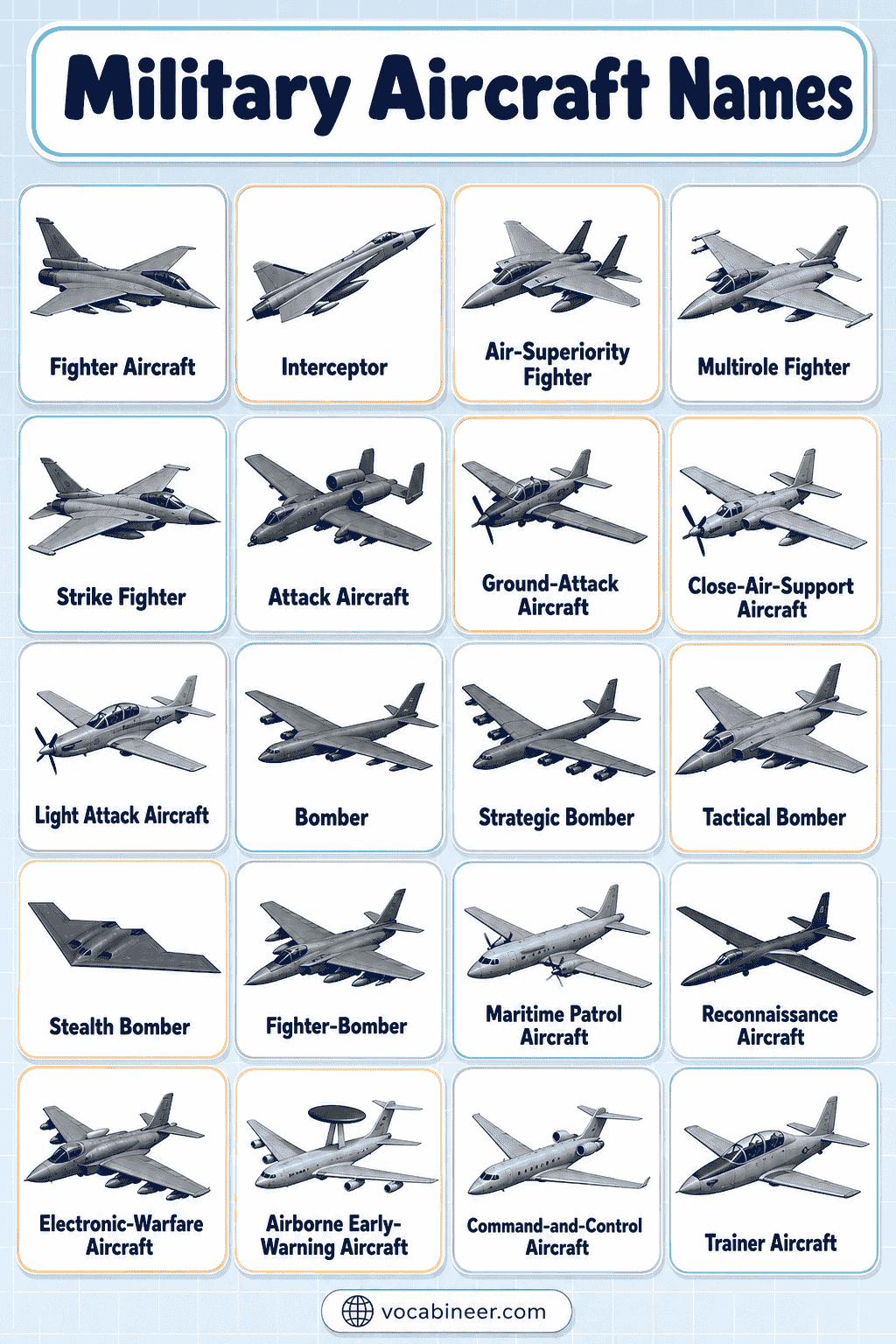
Military aircraft perform many jobs beyond air combat. Armed forces use airplanes, helicopters, tiltrotors, and unmanned aircraft to transport personnel, train pilots, monitor large areas, refuel other aircraft, support rescues, and complete specialized missions.
Learning military aircraft names becomes easier when each model appears under its main role. This guide explains familiar aircraft, their basic uses, common designation terms, and the differences between categories that often seem similar.
In This Page
What Are Military Aircraft?
Military aircraft are flying machines designed, adapted, or operated for defense, training, transport, surveillance, rescue, and other government missions.
Some aircraft perform combat roles, while others carry supplies, gather information, move patients, or help pilots develop flying skills. Their size, shape, engines, and onboard systems depend on the tasks they perform.
The main military aircraft categories include:
- fighter aircraft;
- attack aircraft;
- bomber aircraft;
- transport aircraft;
- tanker aircraft;
- reconnaissance aircraft;
- early-warning aircraft;
- maritime patrol aircraft;
- trainer aircraft;
- military helicopters;
- tiltrotor aircraft;
- unmanned aircraft.
Many models can perform more than one job. For example, a multirole fighter may support air-defense and ground-strike missions, while a transport aircraft may carry cargo, personnel, paratroopers, or medical patients.
Military Aircraft and Military Airplanes
The terms military aircraft and military airplane are closely related, but they are not identical.
An airplane is a powered fixed-wing aircraft. Fighters, bombers, transports, tankers, and most military trainers belong to this group because their wings remain fixed during ordinary flight.
By comparison, aircraft is the broader term. It includes airplanes as well as helicopters, tiltrotors, gliders, and unmanned aerial vehicles.
| Term | Basic meaning | Examples |
|---|---|---|
| Military airplane | A powered fixed-wing aircraft used for military purposes | F-16, B-52, C-130 |
| Military helicopter | A rotorcraft that can hover and take off vertically | AH-64, UH-60, CH-47 |
| Tiltrotor aircraft | An aircraft that combines vertical lift with airplane-like forward flight | V-22 Osprey |
| Unmanned aircraft | An aircraft that operates without an onboard pilot | MQ-9, RQ-4 |
| Military aircraft | The broad category containing all these groups | Airplanes, helicopters, tiltrotors, UAVs |
Therefore, every military airplane is an aircraft, but not every military aircraft is an airplane.
Aircraft Roles, Designations, and Official Names
A military aircraft may have a role, model designation, official name, manufacturer, variant, and informal nickname.
Each label describes a different part of the aircraft’s identity.
| Term | Example | Meaning |
|---|---|---|
| Aircraft role | Fighter aircraft | The broad mission category |
| Model designation | F-16 | The letter-and-number identifier |
| Official name | Fighting Falcon | The recognized aircraft name |
| Manufacturer | Lockheed Martin | The company associated with production |
| Variant | F-16C | A particular version of the model |
| Nickname | Viper | An informal name used by some crews or enthusiasts |
In the U.S. designation system, the first mission letter often gives a clue about the aircraft’s role. For example, F commonly indicates fighter, B bomber, C cargo or transport, T trainer, and K tanker.
However, this system is not universal. Other countries may use different letters, numbers, names, and manufacturer-based designations.
Common Military Aircraft Names
These well-known examples represent several major military aviation roles.
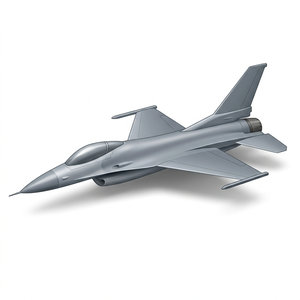
- F-16 Fighting Falcon — A widely used multirole fighter aircraft known for its compact shape and high agility.
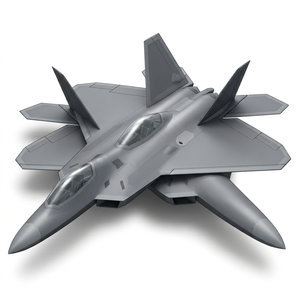
- F-22 Raptor — A stealth air-superiority fighter designed with an angular body and advanced low-visibility shape.
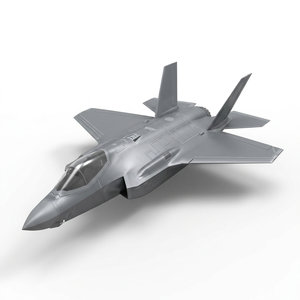
- F-35 Lightning II — A modern stealth multirole aircraft used for different air missions.
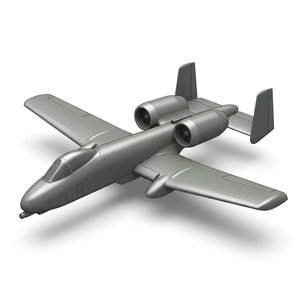
- A-10 Thunderbolt II — A ground-attack aircraft recognized by its straight wings and twin rear engine pods.
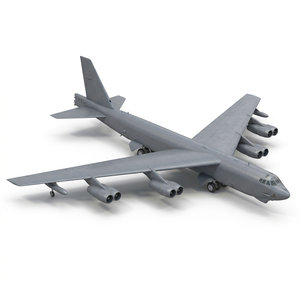
- B-52 Stratofortress — A large long-range bomber with very wide wings and multiple engines.
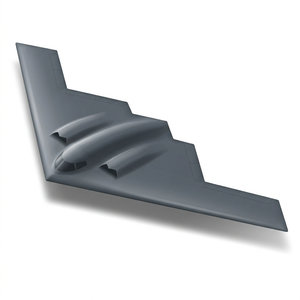
- B-2 Spirit — A stealth bomber with a smooth flying-wing shape and no traditional tail.
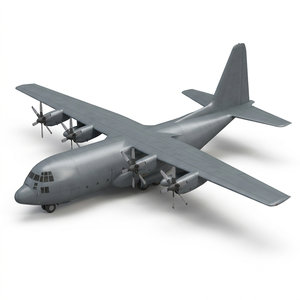
- C-130 Hercules — A tactical transport aircraft with four propeller engines and a large cargo body.
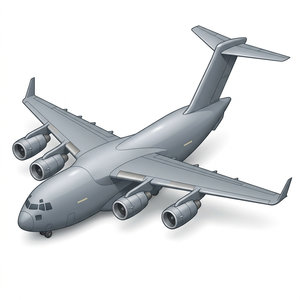
- C-17 Globemaster III — A large military airlifter used to move heavy cargo and equipment.
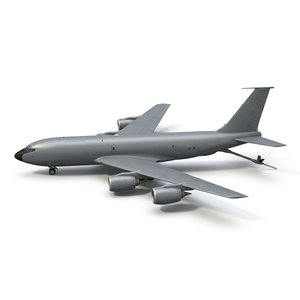
- KC-135 Stratotanker — An aerial-refueling aircraft that helps other aircraft extend their flying range.
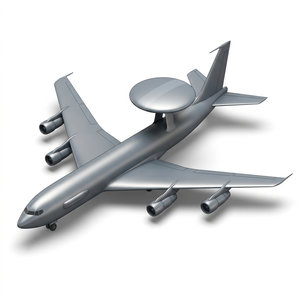
- E-3 Sentry — An airborne early-warning aircraft with a large round radar dome above the body.
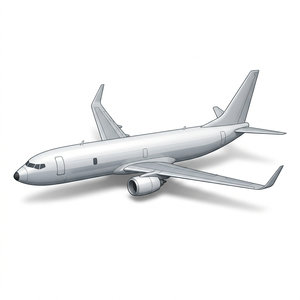
- P-8 Poseidon — A maritime patrol aircraft used for ocean observation and patrol missions.
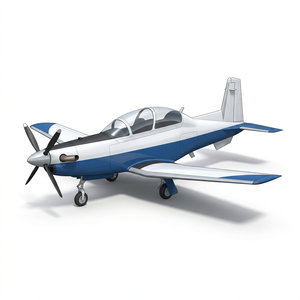
- T-6 Texan II — A military trainer aircraft used to help pilots learn flight skills.
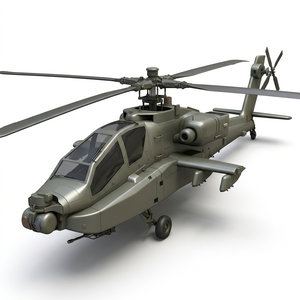
- AH-64 Apache — An attack helicopter with a compact armored body and main rotor system.
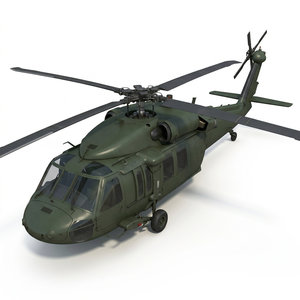
- UH-60 Black Hawk — A utility helicopter used for transport, support, and general military movement.
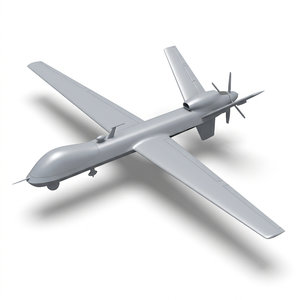
- MQ-9 Reaper — A remotely piloted aircraft with long wings and a slim drone-style body.
These names include model designations and official names. A designation such as F-16 identifies the model, while Fighting Falcon gives the aircraft’s official name.
Fighter and Multirole Aircraft
Fighter aircraft emphasize speed, maneuverability, interception, air defense, and combat against other aircraft.
F-16 Fighting Falcon: This single-engine fighter has served in many air forces. Although originally developed as a fighter, the aircraft family can also perform several air-to-ground missions.
F-15 Eagle: Twin engines and twin vertical tails make the F-15 easy to recognize. The family includes air-superiority aircraft as well as strike-oriented versions.
F-22 Raptor: Designed mainly for air-superiority missions, the F-22 uses a low-observable shape and twin engines.
F-35 Lightning II: Different F-35 variants operate from conventional runways, aircraft carriers, or short-runway and vertical-landing environments.
Eurofighter Typhoon: A delta wing and forward canards give this European multirole fighter a distinctive profile.
Dassault Rafale: Developed in France, the Rafale performs air-defense, strike, reconnaissance, and maritime-related missions.
Saab JAS 39 Gripen: This compact Swedish fighter uses delta wings and canards. Its designation reflects fighter, attack, and reconnaissance roles.
MiG-29: Twin engines, widely spaced air intakes, and two vertical tails characterize this tactical fighter.
Modern fighters often cross traditional category boundaries. As a result, the term multirole fighter describes an aircraft that can complete several mission types instead of serving only one purpose.
Attack Aircraft
Attack aircraft primarily support missions against targets on the ground or at sea.
A-10 Thunderbolt II: Straight wings, rear-mounted engines, and twin tails give the A-10 a recognizable appearance. Its design emphasizes close-support missions, durability, and extended time over an operating area.
Sukhoi Su-25: This twin-engine aircraft was developed for battlefield support and ground-attack duties.
AC-130 Gunship: Based on the C-130 transport family, the AC-130 is a heavily modified special-mission aircraft with a large transport-plane airframe.
A-29 Super Tucano: A turboprop engine powers this light attack and training aircraft, giving it a very different appearance from high-speed jet fighters.
Fighters and attack aircraft can both engage ground targets. However, fighters usually emphasize air combat and speed, while dedicated attack aircraft often emphasize endurance, support, or operation at lower altitudes.
Bomber Aircraft
Bombers carry substantial payloads over tactical or strategic distances.
B-52 Stratofortress: Eight engines arranged in four pods make this large long-range bomber easy to identify.
B-1B Lancer: Variable-sweep wings allow the B-1B to change its wing position during different phases of flight.
B-2 Spirit: A smooth flying-wing design defines the B-2. Because it lacks a conventional tail, it has one of the most distinctive military-aircraft silhouettes.
B-21 Raider: This newer bomber uses a low-observable flying-wing layout.
Tu-95: Four turboprop engines with contra-rotating propellers distinguish this long-range aircraft from jet-powered bombers.
Tu-160: A long pointed nose and variable-sweep wings characterize this large supersonic bomber.
Bomber categories include strategic, tactical, heavy, supersonic, and stealth bombers. Nevertheless, the exact labels may vary by country and historical period.
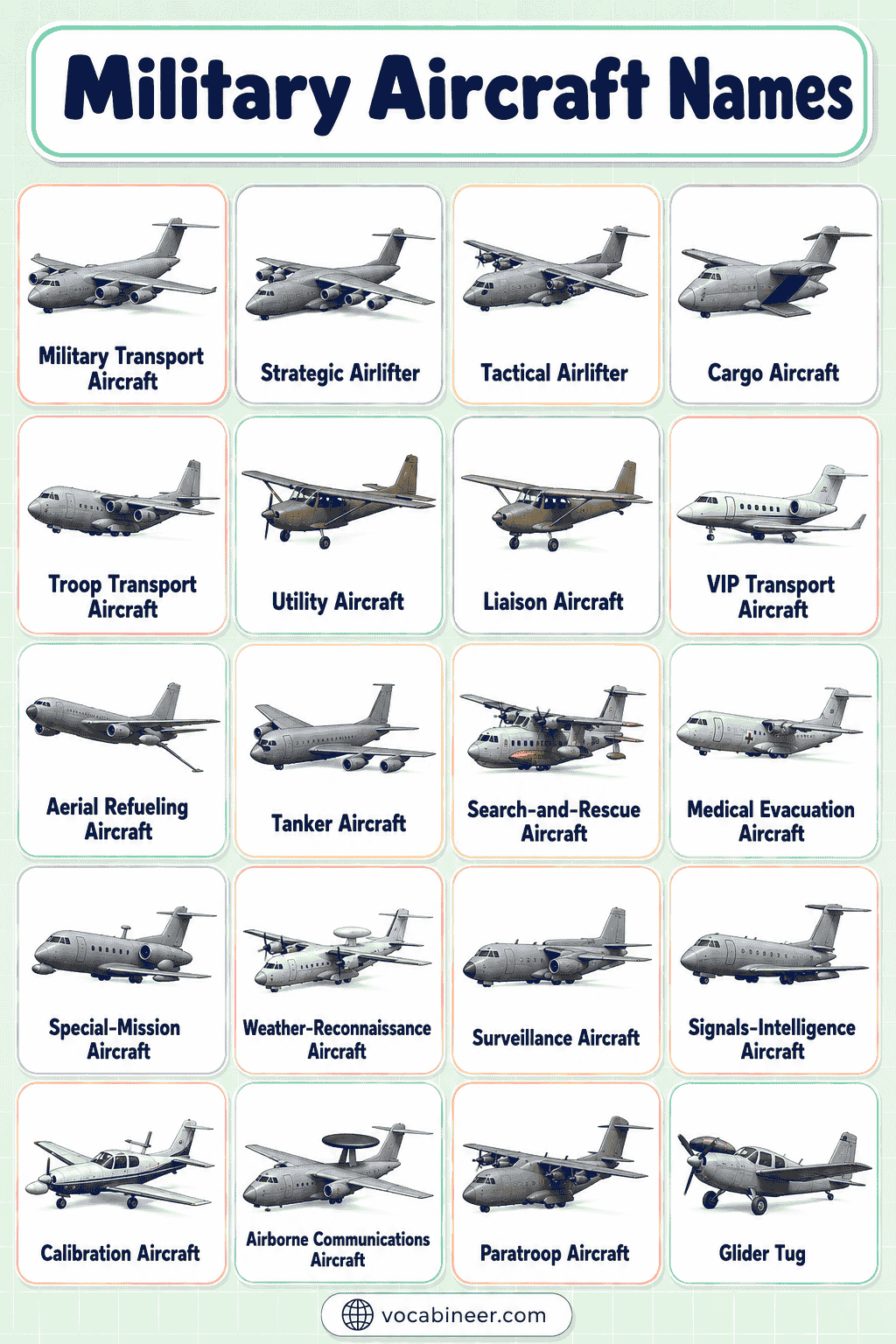
Military Transport Aircraft
Transport aircraft move personnel, vehicles, medical supplies, and other cargo.
C-130 Hercules: Four turboprop engines, a high wing, and a rear cargo ramp make the C-130 one of the most recognizable military transports.
C-17 Globemaster III: This large four-engine jet airlifter carries heavy cargo and can use a rear loading ramp.
C-5 Galaxy: One of the largest military transport aircraft, the C-5 carries oversized equipment through large cargo areas.
Airbus A400M Atlas: Four turboprop engines power this military transport, which combines long-range capability with tactical-airlift features.
C-27J Spartan: Smaller than the C-130, this twin-engine transport suits shorter-range cargo and personnel missions.
Embraer C-390 Millennium: Two jet engines and a rear cargo ramp support medium transport operations.
A military transport may also carry paratroopers, emergency supplies, or patients. Therefore, transport aircraft is usually a more complete term than cargo plane.
Tanker and Refueling Aircraft
Tanker aircraft transfer fuel to other aircraft while both remain in flight.
KC-135 Stratotanker: This four-engine tanker uses a refueling boom that extends from the rear underside of the aircraft.
KC-46 Pegasus: Based on a commercial airliner design, the KC-46 supports aerial-refueling and transport missions.
Airbus A330 MRTT: The initials MRTT mean Multi Role Tanker Transport, reflecting its ability to support both refueling and transport work.
KC-130: Tanker versions of the C-130 family use wing-mounted refueling equipment and retain the aircraft’s four turboprop engines.
Some tankers began as dedicated military designs, while others developed from transport planes or civilian airliners. Consequently, tanker and transport aircraft may share similar airframes.
Intelligence, Surveillance, and Early-Warning Aircraft
These specialized aircraft gather information, monitor activity, detect signals, or watch large areas of airspace.
U-2 Dragon Lady: Long, narrow wings give the U-2 a glider-like appearance and support high-altitude reconnaissance.
SR-71 Blackbird: This retired reconnaissance aircraft had a long pointed nose, dark finish, and distinctive blended wing-and-engine shape.
RC-135 Rivet Joint: Based on a four-engine jet transport family, the RC-135 carries specialized systems for gathering electronic information.
E-3 Sentry: A large circular radar dome mounted above the fuselage makes the E-3 easy to recognize.
E-2 Hawkeye: Four vertical tail surfaces and a circular radar dome distinguish this carrier-capable early-warning aircraft.
E-7 Wedgetail: Instead of a round dome, the E-7 carries a long fixed radar structure above its fuselage.
EA-18G Growler: Based on a carrier fighter, the Growler carries specialized systems for electronic-warfare missions.
EC-130 Compass Call: This aircraft belongs to the C-130 family but supports electronic-warfare and communication-related operations.
Reconnaissance often gathers detailed information about a particular area or signal. Surveillance usually involves broader or continuing observation, while early-warning aircraft use radar to monitor large sections of airspace. In practice, these roles frequently overlap.
Maritime Patrol Aircraft
Maritime patrol aircraft monitor oceans, coastlines, shipping routes, and other large water areas.
P-8 Poseidon: Based on a commercial jet airliner, the P-8 supports maritime patrol, surveillance, and related naval missions.
P-3 Orion: Four turboprop engines and a long tail boom make the P-3 easy to recognize.
Kawasaki P-1: Four jet engines power this purpose-built maritime patrol aircraft.
Atlantique 2: This twin-turboprop aircraft has a long fuselage and supports maritime observation.
Maritime patrol aircraft often need long endurance because they may search enormous ocean areas. They can also assist with search-and-rescue missions.
Military Trainer Aircraft
Trainer aircraft help pilots develop skills before moving to more advanced operational aircraft.
T-6 Texan II: A single turboprop engine powers this basic trainer, while a tandem cockpit places the student and instructor one behind the other.
T-38 Talon: This slim twin-engine jet has served as an advanced trainer and has a fighter-like appearance.
BAE Hawk: The single-engine Hawk prepares pilots for advanced jet flying.
Pilatus PC-21: This modern turboprop trainer uses advanced systems to prepare pilots for more complex aircraft.
Aero L-39 Albatros: A compact jet trainer, the L-39 has served in many countries.
KAI T-50 Golden Eagle: The T-50 is a supersonic trainer with the appearance of a light combat aircraft.
Trainer aircraft may resemble fighters, but instruction remains their primary purpose. Some models can also perform secondary operational roles.
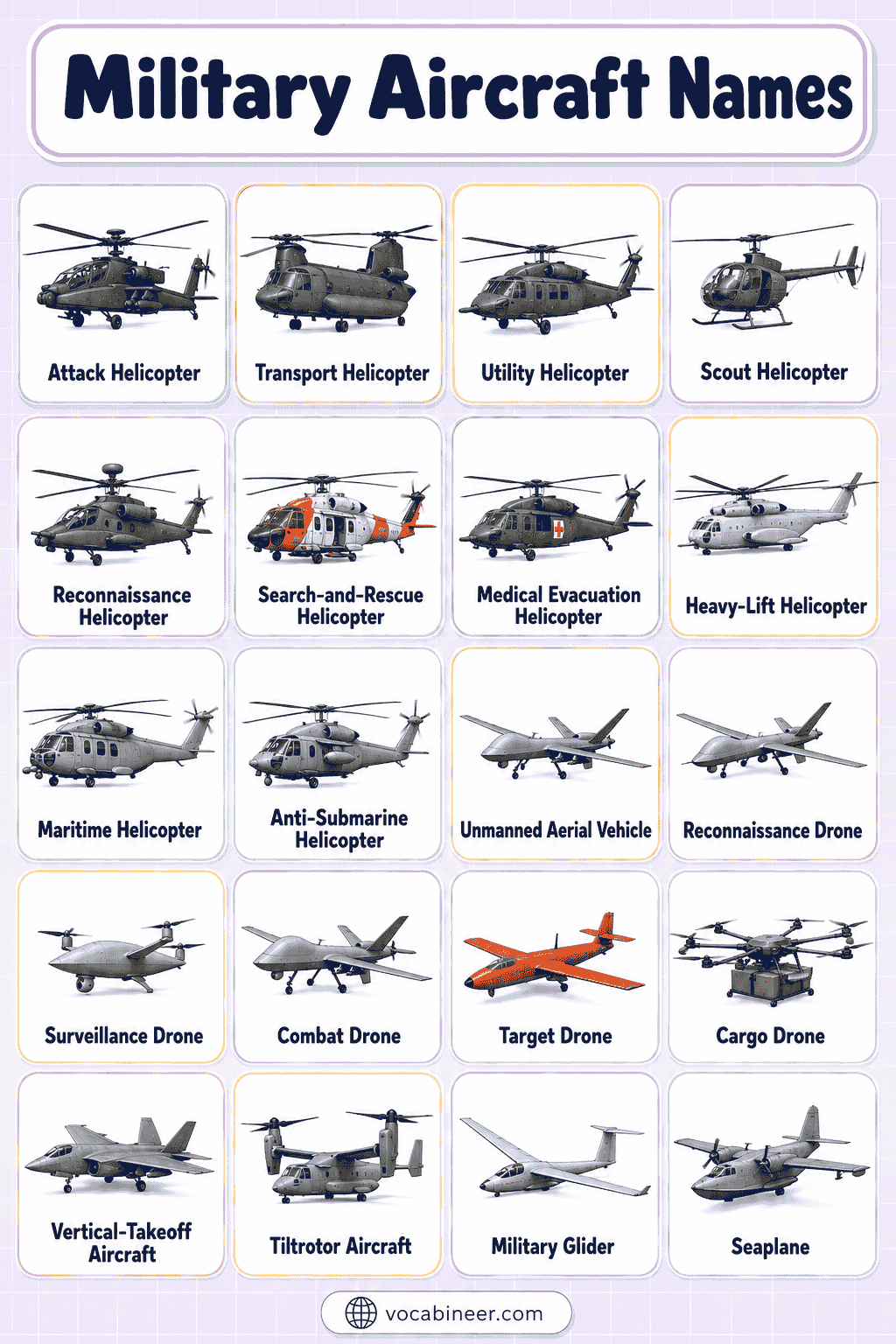
Military Helicopters
Military helicopters can hover, lift vertically, and reach areas without conventional runways.
AH-64 Apache: This attack helicopter uses a tandem cockpit and carries sensor equipment near its nose.
UH-60 Black Hawk: A twin-engine utility helicopter, the Black Hawk transports personnel and equipment. Different versions also support rescue and medical missions.
CH-47 Chinook: Two large rotors mounted in tandem make the Chinook immediately recognizable. Its spacious fuselage supports heavy transport work.
CH-53K King Stallion: This large heavy-lift helicopter carries personnel, equipment, and external loads.
Mi-24 Hind: The Mi-24 combines attack-helicopter features with limited space for passengers.
Mi-17: A large cabin allows this transport helicopter to carry personnel, cargo, or medical patients.
Ka-52 Alligator: Two main rotors rotate in opposite directions on the same axis, so the aircraft does not need a conventional tail rotor.
Military helicopters can serve attack, transport, utility, medical, rescue, maritime, and reconnaissance roles.
Tiltrotor Aircraft
Tiltrotors combine the vertical-lift ability of a helicopter with the forward-flight characteristics of an airplane.
V-22 Osprey: Two large engine nacelles sit at the ends of the wings. During takeoff and landing, the rotors point upward; during forward flight, the nacelles rotate to face ahead.
The V-22 family includes several variants. The MV-22 supports transport missions, the CV-22 serves specialized long-range operations, and the CMV-22B supports carrier logistics.
The Osprey is neither a conventional airplane nor an ordinary helicopter. Its rotating nacelles place it in the tiltrotor category.
Unmanned Military Aircraft
Unmanned military aircraft operate without a pilot sitting inside the vehicle.
MQ-9 Reaper: This long-endurance remotely piloted aircraft has straight wings, a rear-mounted propeller, and a V-shaped tail.
MQ-1 Predator: The earlier Predator used a similar rear-propeller layout and became one of the most recognized military drones.
RQ-4 Global Hawk: Extremely long wings and a high-altitude surveillance role distinguish the Global Hawk from smaller unmanned systems.
RQ-7 Shadow: Smaller than long-endurance aircraft, the Shadow supports tactical reconnaissance and surveillance.
MQ-8 Fire Scout: Unlike fixed-wing drones, the Fire Scout is an unmanned helicopter.
Bayraktar TB2: This medium-altitude unmanned aircraft uses long straight wings and a rear-mounted propeller.
An unmanned aircraft differs from a missile. A UAV flies as an aircraft during a mission and may return for reuse, while a missile travels toward a target as a weapon.
Rescue and Medical Aircraft
Military aviation also includes aircraft designed or configured for rescue, evacuation, and humanitarian support.
HC-130: Rescue-oriented versions of the C-130 support long-range search missions, transport, and coordination.
HH-60 Pave Hawk: Developed from the Black Hawk family, this helicopter supports personnel recovery and emergency operations.
C-295: Certain versions can carry medical teams, patients, and specialized equipment.
C-17 Globemaster III: When configured for aeromedical evacuation, the C-17 can transport patients over long distances.
AW101: Some versions of this large helicopter perform long-range search-and-rescue missions.
These examples show that military aircraft can support life-saving and humanitarian work as well as defense missions.
Famous Military Aircraft from History
Historical aircraft help learners understand how military aviation developed across different periods.
Supermarine Spitfire: Elliptical wings and a slim fuselage made this British fighter one of the most recognizable aircraft of World War II.
P-51 Mustang: A long nose and low-mounted wings characterized this American fighter.
Messerschmitt Bf 109: A narrow fuselage and angular wings defined this widely used German fighter.
F4U Corsair: Inverted gull wings gave the Corsair its unique appearance.
B-17 Flying Fortress: Four propeller engines and a large straight-winged airframe made this bomber a familiar World War II aircraft.
Avro Lancaster: This British four-engine heavy bomber became strongly associated with wartime night-bombing operations.
Preserved former military aircraft are often called warbirds, especially when they come from earlier aviation periods.
Fighter vs. Bomber vs. Attack Aircraft
These categories can overlap, but each has a different primary emphasis.
| Fighter aircraft | Attack aircraft | Bomber aircraft |
|---|---|---|
| Emphasizes air combat and interception | Emphasizes support against ground or surface targets | Carries substantial payloads over longer distances |
| Often prioritizes speed and maneuverability | May prioritize endurance and support | Often prioritizes range and payload |
| Frequently performs several missions | Usually supports ground or maritime operations | Commonly conducts larger strike missions |
| Examples: F-15, F-22 | Examples: A-10, Su-25 | Examples: B-2, B-52 |
A multirole fighter can complete both air-to-air and ground-strike missions. Therefore, modern aircraft do not always fit neatly into one category.
Transport Aircraft vs. Tanker Aircraft
Transport and tanker aircraft may look similar because both often use large cargo-style or airliner-style bodies.
| Transport aircraft | Tanker aircraft |
|---|---|
| Carries personnel, vehicles, equipment, or supplies | Transfers fuel to other aircraft |
| Usually includes cargo space and loading systems | Carries fuel tanks and refueling equipment |
| May use a rear cargo ramp | May use a boom, hose, or drogue |
| Examples: C-17, C-130 | Examples: KC-46, KC-135 |
Some aircraft combine both roles. For example, a multirole tanker transport may carry fuel, passengers, and cargo during different missions.
Military Aircraft Names for Kids
Children can remember military aircraft by connecting each type with one simple job.
- Fighter Jet: A fighter jet protects the airspace.
- Bomber: A bomber is designed for long-range strike missions.
- Transport Plane: A transport plane carries people and supplies.
- Tanker Aircraft: A tanker gives fuel to another aircraft in the air.
- Trainer Aircraft: A trainer helps pilots learn to fly.
- Reconnaissance Plane: A reconnaissance plane gathers information.
- Early-Warning Aircraft: An early-warning aircraft watches a large area with radar.
- Patrol Plane: A patrol plane monitors oceans and coastlines.
- Transport Helicopter: A transport helicopter carries people or equipment.
- Rescue Helicopter: A rescue helicopter helps people during emergencies.
- Tiltrotor: A tiltrotor rises like a helicopter and flies like an airplane.
- Military Drone: A military drone flies without an onboard pilot.
- Medical Aircraft: A medical aircraft carries patients and medical teams.
Pictures, sorting activities, and role-matching exercises can make these names easier to remember.
Practice Sentences with Military Aircraft
These sentences show how military aircraft vocabulary appears in everyday English.
- The fighter jet flies at high speed.
- A transport aircraft carries heavy cargo.
- The tanker aircraft refuels another plane.
- The trainer aircraft helps new pilots practice.
- An early-warning aircraft watches the surrounding airspace.
- The maritime patrol aircraft searches over the ocean.
- A helicopter can hover above one place.
- The tiltrotor takes off vertically.
- An unmanned aircraft flies without an onboard pilot.
- The rescue helicopter carries a medical team.
Learners can replace the aircraft or action to form new sentences. For example, The transport aircraft carries supplies can become The transport aircraft carries emergency equipment.
FAQs
The main groups include fighters, attack aircraft, bombers, transports, tankers, trainers, reconnaissance aircraft, early-warning aircraft, helicopters, tiltrotors, and unmanned aircraft.
A military airplane is a powered fixed-wing aircraft. Military aircraft is the broader term and also includes helicopters, tiltrotors, and unmanned aerial vehicles.
In the U.S. military designation system, F generally identifies a fighter aircraft. Other countries may use different naming systems.
A fighter generally emphasizes air combat, speed, and maneuverability. A bomber usually carries a larger payload over tactical or strategic distances.
The V-22 is a tiltrotor aircraft. It takes off and lands with its rotors facing upward, then rotates them forward for airplane-like flight.
Read More
- 100+ Vehicles Name in English
- Types of Emergency Vehicles
- Construction Vehicle Names
- Different Types of Trucks
- Types of Four Wheelers
- Water Transport Names
- Military Vehicle Names