

Construction vehicles help workers dig foundations, move soil, lift heavy materials, build roads, pour concrete, and prepare land for new structures. Although people often call every large jobsite machine “heavy equipment,” each vehicle has a distinct design and purpose.
Learning construction vehicle names makes building-site vocabulary much easier to understand. This guide explains common machines, their basic uses, regional name differences, and the key distinctions between vehicles that often look similar.
In This Page
What Are Construction Vehicles?
Construction vehicles are mobile machines built to perform demanding jobs on building sites, roads, bridges, tunnels, and other infrastructure projects.
Some vehicles dig and reshape the ground, while others transport materials or lift loads. In addition, specialized machines can compact pavement, pump concrete, install foundations, or demolish damaged structures.
Common construction vehicles include:
- excavators;
- bulldozers;
- backhoe loaders;
- wheel loaders;
- dump trucks;
- cranes;
- motor graders;
- road rollers;
- concrete mixer trucks;
- asphalt pavers;
- telehandlers;
- forklifts.
Size alone does not determine a machine’s importance. For example, a compact skid steer may work more efficiently than a large loader in a narrow residential area.
Construction Vehicles and Construction Equipment
People often use construction vehicle, construction machinery, heavy equipment, and construction equipment as though they mean exactly the same thing. However, each term has a slightly different scope.
A construction vehicle usually moves around a site under its own power. Excavators, bulldozers, loaders, graders, and dump trucks fit this description because they travel while completing their work.
By comparison, construction equipment is the broadest term. It includes mobile vehicles as well as portable or stationary machines such as generators, compressors, concrete vibrators, light towers, and small compactors.
| Term | Basic meaning | Examples |
|---|---|---|
| Construction vehicle | A mobile machine used on a jobsite | Excavator, bulldozer, dump truck |
| Heavy equipment | Large machinery designed for demanding work | Crane, grader, wheel loader |
| Construction machinery | Mechanical equipment used for building tasks | Paver, drill rig, mixer |
| Construction equipment | Vehicles, machines, tools, and support systems | Pumps, vehicles, compactors, generators |
These terms overlap in everyday conversation. Therefore, calling an excavator either a construction vehicle or a piece of heavy equipment is generally acceptable.
Common Construction Vehicle Names
These familiar machines appear on many building, road, and infrastructure projects.
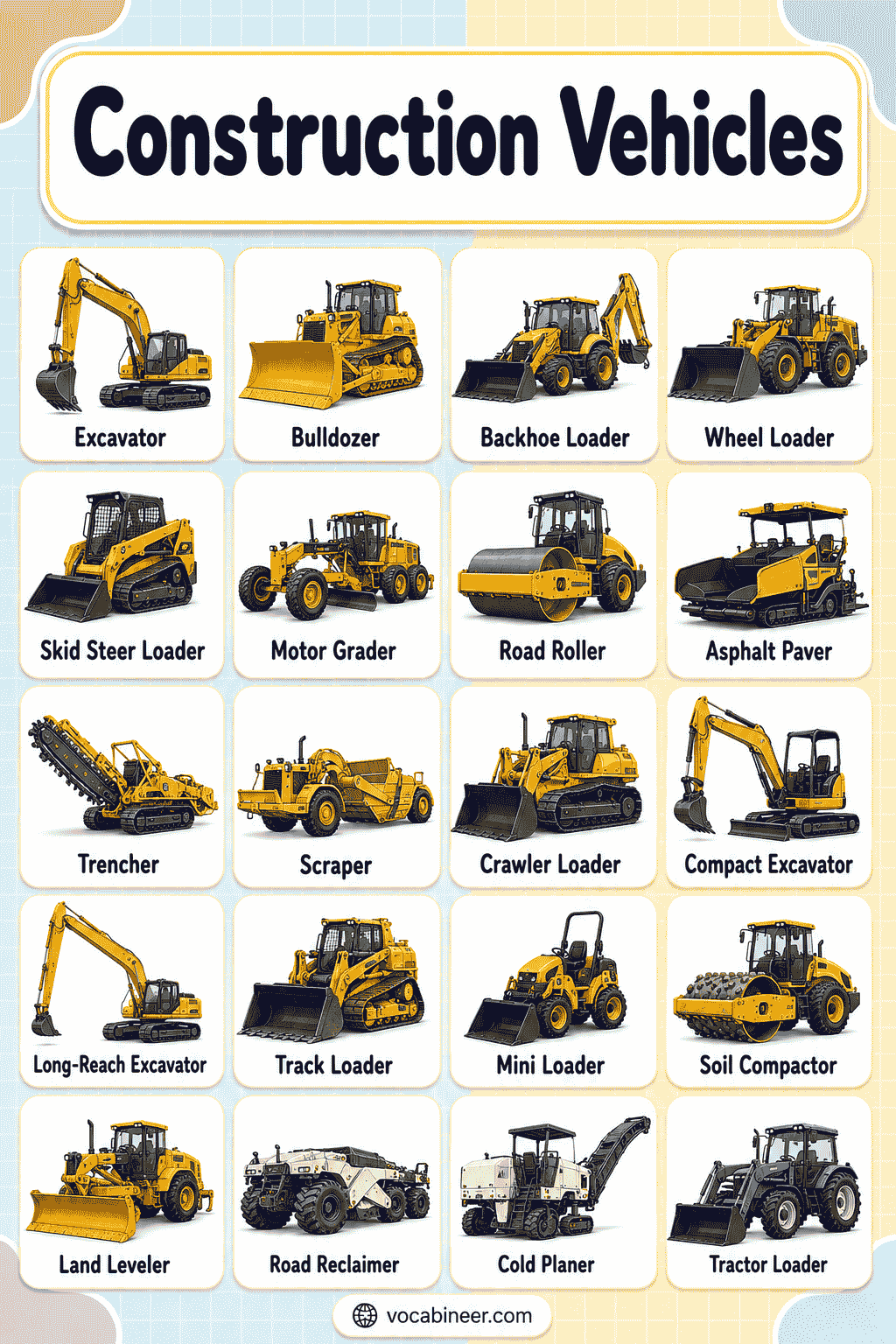
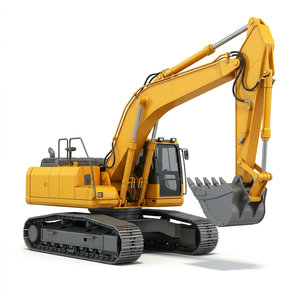
- Excavator: A digging machine with a boom, arm, bucket, and rotating upper body.
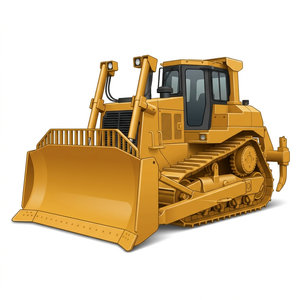
- Bulldozer: A powerful machine that pushes soil, rubble, and vegetation with a broad front blade.
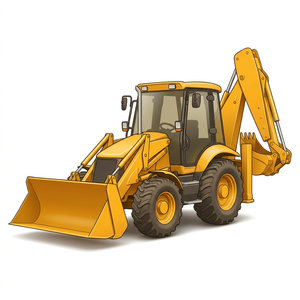
- Backhoe Loader: A multipurpose vehicle with a loader bucket at the front and a digging arm at the rear.
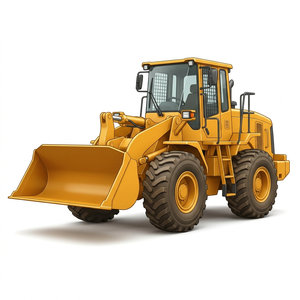
- Wheel Loader: A wheeled machine that scoops, carries, and loads loose material.
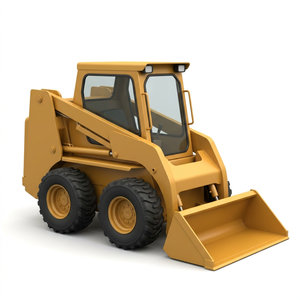
- Skid Steer Loader: A compact loader that turns in a small area and accepts many attachments.
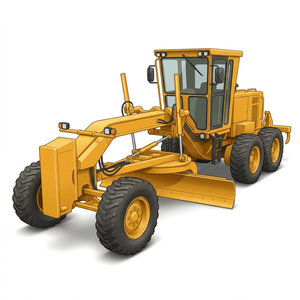
- Motor Grader: A long wheeled machine with a central blade for precise leveling and surface shaping.
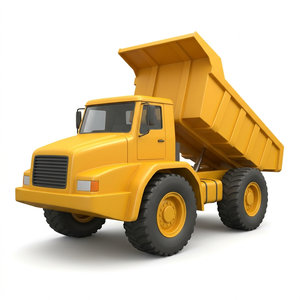
- Dump Truck: A truck with a raised tipping body that unloads soil, gravel, sand, or debris.
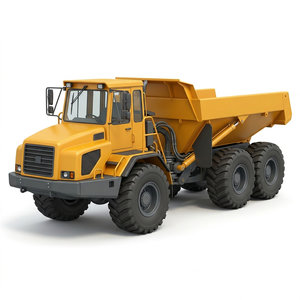
- Articulated Hauler: An off-road dump vehicle with a flexible joint between its front and rear sections.
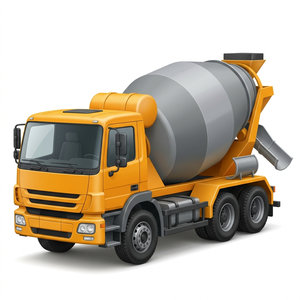
- Concrete Mixer Truck: A truck whose rotating drum keeps ready-mixed concrete agitated during transport.
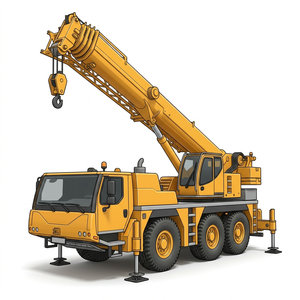
- Mobile Crane: A road-going or site vehicle equipped with a lifting boom.
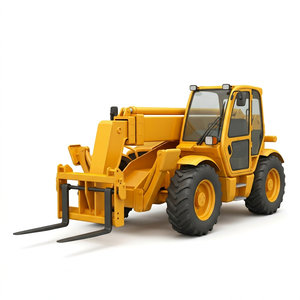
- Telehandler: A lifting vehicle with a telescopic boom for placing materials at height.
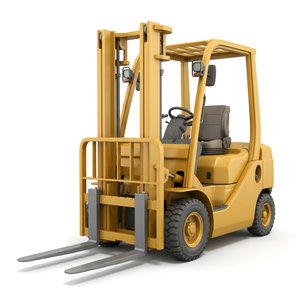
- Forklift: A material-handling vehicle that raises pallets with two metal forks.
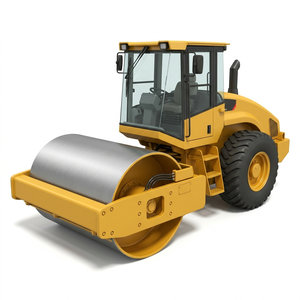
- Road Roller: A heavy compaction machine used on soil, gravel, and asphalt.
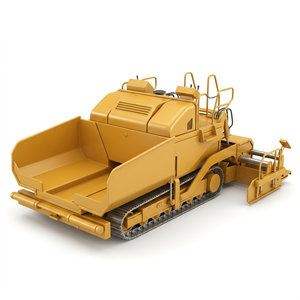
- Asphalt Paver: A roadbuilding machine that spreads asphalt in a smooth, even layer.
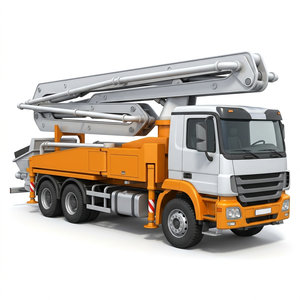
- Concrete Pump Truck: A vehicle that sends wet concrete through a boom or hose.
Digging and Earthmoving Machines
Earthmoving vehicles prepare land before roads, buildings, pipelines, and foundations can be constructed.
Excavator: A hydraulic excavator uses a boom, arm, and bucket to remove soil or lift material. Because the upper structure rotates, the machine can work in several directions without constantly changing position. Common versions include crawler excavators, wheeled excavators, and long-reach excavators.
Mini Excavator: Compact dimensions make this machine useful for landscaping, residential projects, drainage work, and narrow spaces. Despite its smaller size, it can carry buckets, augers, hydraulic breakers, and other attachments.
Bulldozer: Usually supported by tracks, a bulldozer pushes large amounts of soil, rubble, or vegetation with a broad blade. Meanwhile, its wide track base helps spread the machine’s weight across loose or uneven ground.
Backhoe Loader: This versatile machine combines a front loader with a rear digging arm. As a result, it can excavate trenches, load soil, move materials, and complete smaller utility jobs without several separate vehicles.
Motor Scraper: A scraper cuts into the ground, collects soil inside a large bowl, transports it, and spreads it elsewhere. Large earthmoving projects often use scrapers when material must move across a broad site.
Trencher: Rather than creating a wide excavation, a trencher cuts a narrow channel. Contractors commonly use it for water pipes, drainage lines, electrical cables, and communication systems.
Dragline Excavator: Cables suspend and control the bucket instead of a conventional hydraulic arm. Consequently, large draglines can work across deep excavations, mines, and major civil-engineering sites.
Each machine moves soil differently. Excavators scoop it, bulldozers push it, trenchers cut narrow channels, and scrapers collect and transport it.
Loaders and Material-Handling Vehicles
Loaders and handling machines move gravel, soil, debris, pallets, pipes, and construction supplies around the site.
Wheel Loader: Most wheel loaders use articulated steering and carry a large front bucket. Their speed and carrying capacity make them valuable in quarries, concrete plants, road projects, and large construction areas.
Front-End Loader: This everyday term often refers to a wheel loader or another tractor-style machine with a front bucket. However, regional usage can vary.
Skid Steer Loader: A compact body and tight turning ability allow this loader to work in confined spaces. In addition, operators can replace its bucket with forks, augers, trenchers, sweepers, breakers, and other attachments.
Compact Track Loader: Although it resembles a skid steer, this machine travels on rubber tracks. Therefore, it often performs better on mud, soft ground, and uneven surfaces.
Crawler Loader: Tracks and a front bucket allow a crawler loader to dig, push, and carry material while maintaining traction on rough terrain.
Telehandler: A telescopic boom lifts loads upward and outward. Depending on the attachment, the machine can carry pallets, buckets, suspended loads, or work platforms.
Forklift: Forklifts move palletized materials over short distances. Rough-terrain versions use larger tires and stronger suspension for outdoor construction areas.
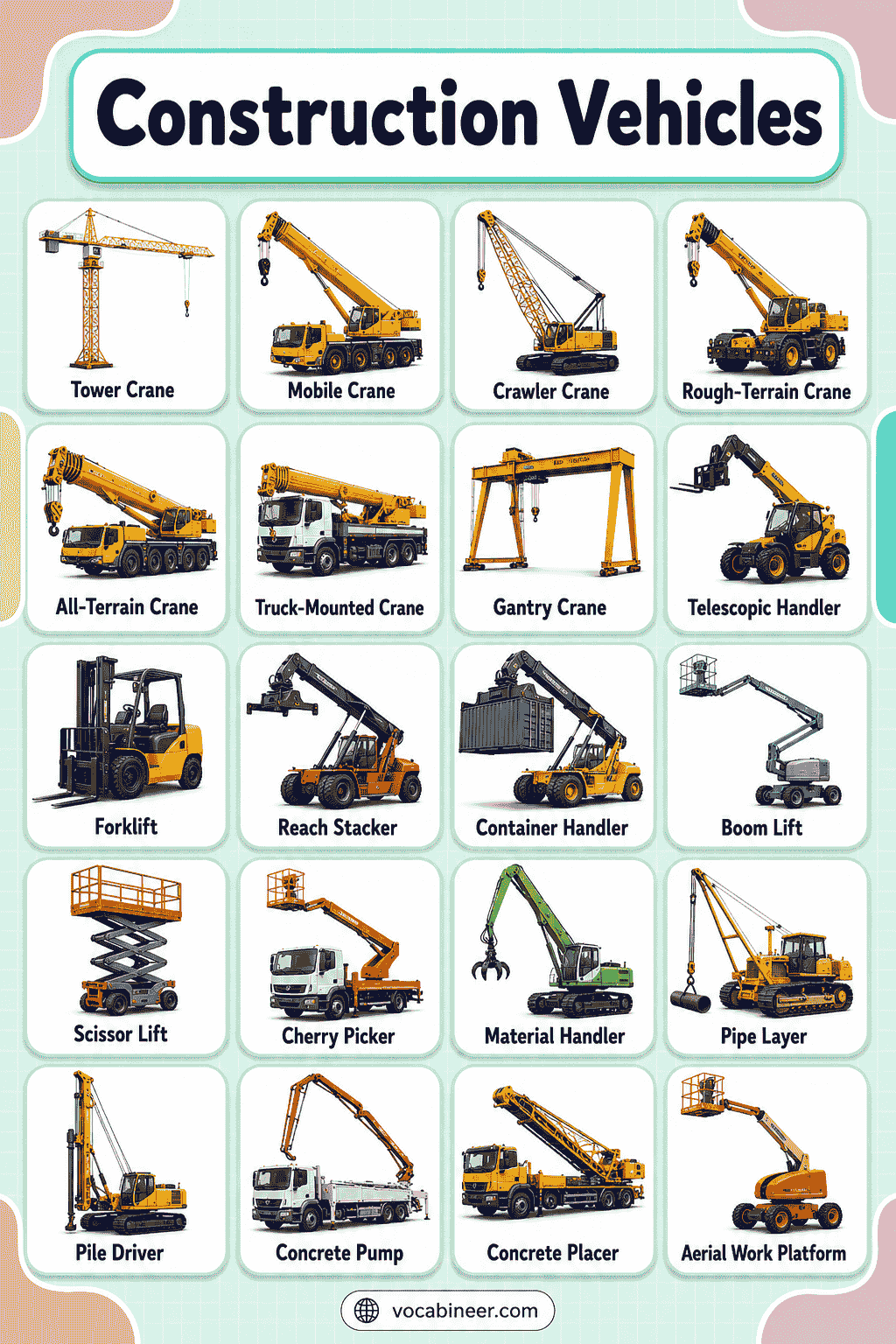
Pipelayer: A side-mounted boom lifts and positions long pipe sections. Pipeline crews use these vehicles to lower heavy pipes into prepared trenches.
Buckets, forks, grapples, and breakers are attachments rather than complete construction vehicles. That distinction helps readers identify the machine separately from the tool it carries.
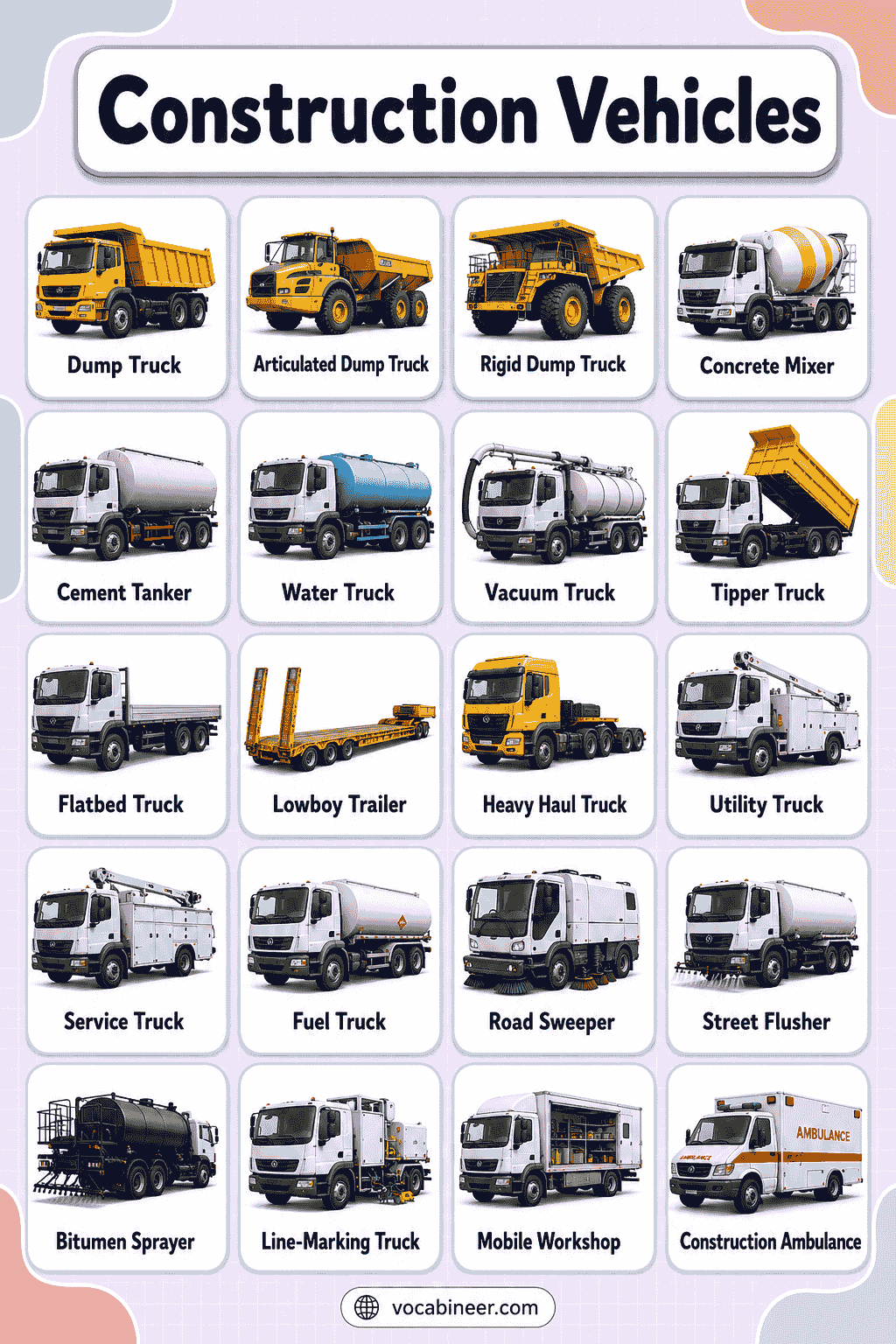
Dump Trucks and Hauling Vehicles
Hauling vehicles transport soil, stone, waste, concrete, water, and complete machines around or between worksites.
Standard Dump Truck: A hydraulic system raises the truck bed so loose material slides out through the rear. These vehicles commonly carry sand, gravel, soil, and demolition waste on public roads.
Articulated Dump Truck: A pivoting joint connects the tractor section to the dump body. Because of that flexible frame, the truck handles mud, steep slopes, and uneven terrain more effectively.
Rigid Dump Truck: A fixed chassis and high payload capacity suit mines, quarries, and large earthmoving sites. Unlike road-going dump trucks, many rigid haulers operate mainly off-road.
Site Dumper: Smaller construction areas often use this compact vehicle. Its tipping skip usually sits in front of the operator and carries soil, concrete, or debris over short distances.
Tipper Truck: In British and international English, tipper truck commonly means the same thing as dump truck.
Water Truck: A large tank and spray system allow this vehicle to control dust, dampen soil, clean roads, or supply water around the site.
Lowboy Trailer: A low platform carries tall, heavy equipment such as excavators, bulldozers, and loaders. The reduced deck height helps keep the load within transport limits.
Flatbed Truck: An open platform carries timber, steel, machinery, pipes, and packaged building materials.
Service Truck: Tools, lubricants, replacement parts, and repair equipment turn this truck into a mobile maintenance unit.
Standard dump trucks travel efficiently on firm roads. By contrast, articulated haulers are better suited to rough off-road conditions inside large construction sites.
Cranes and Lifting Machines
Cranes and access machines raise workers, materials, and structural components above ground level.
Tower Crane: Rising above large building projects, a tower crane lifts loads across a long horizontal jib. Its height and reach make it especially useful for high-rise construction.
Mobile Crane: Mounted on a wheeled carrier, this crane can travel between lifting positions. Moreover, a telescopic boom allows relatively quick setup.
Crawler Crane: Tracks support the crane as it moves across rough or uneven terrain. Its lattice boom can handle substantial lifting work on major projects.
Truck-Mounted Crane: A road-going truck carries the lifting system. As a result, crews can move the crane between sites without a separate transporter.
Rough-Terrain Crane: Large tires, four-wheel steering, and a compact body help this crane work on unfinished ground.
All-Terrain Crane: This design combines highway travel with off-road mobility. Large industrial and infrastructure projects often use it for complex lifts.
Carry-Deck Crane: A compact rotating crane sits on a small carrier with a flat loading deck. It works particularly well in factories, plants, and restricted spaces.
Boom Lift: A hydraulic arm moves a work platform upward and outward. Workers use these lifts for painting, installation, maintenance, and inspection.
Scissor Lift: Crossed supports raise a broad platform vertically. Unlike a boom lift, it usually provides little horizontal reach.
Cranes mainly lift materials, whereas boom lifts and scissor lifts primarily position workers and their tools.
Road Construction Vehicles
Roadbuilding machines shape the base, spread paving material, remove worn surfaces, and compact the final layers.
Motor Grader: A long adjustable blade beneath the frame shapes road surfaces precisely. Graders also create slopes, drainage angles, and smooth foundation layers.
Asphalt Paver: This machine receives hot asphalt from a truck and spreads it across the roadway. At the rear, a screed controls the layer’s thickness, width, and initial smoothness.
Road Roller: Heavy drums compress soil, gravel, or asphalt. Smooth-drum, tandem, pneumatic-tire, and padfoot rollers suit different materials and stages of construction.
Soil Compactor: This broader equipment category includes rollers and machines designed specifically to densify ground before roads, foundations, and embankments are built.
Cold Planer: Also called a road milling machine, a cold planer removes damaged asphalt from an existing road. Afterwards, crews can recycle or replace the milled material.
Bitumen Sprayer: A tank and spray bar distribute liquid bitumen evenly over a prepared surface.
Road-Marking Truck: Crews use this specialized vehicle to apply lane lines, arrows, symbols, and reflective markings.
Street Sweeper: Rotating brushes and suction equipment remove loose debris before paving or after road repairs.
Road construction normally follows a sequence. First, workers shape and prepare the base; next, the paver lays asphalt; finally, rollers compact the surface.
A road roller is one type of compactor. Therefore, every road roller is a compaction machine, but not every compactor is a road roller.
Concrete Construction Vehicles
Concrete machines mix, transport, pump, and place wet concrete before it begins to harden.
Concrete Mixer Truck: Its rotating drum keeps ready-mixed concrete agitated while the truck travels to the site. People often say cement mixer, but concrete mixer truck is more accurate because concrete contains cement, sand, stone, and water.
Concrete Pump Truck: A hydraulic pump moves wet concrete through a pipeline. Boom-mounted versions can reach upper floors, walls, and locations beyond obstacles.
Line Pump: Flexible hoses carry concrete along the ground. Residential projects commonly use line pumps for slabs, sidewalks, foundations, and smaller pours.
Mobile Batching Plant: This portable system measures and mixes cement, sand, aggregate, and water near the construction area.
Concrete Boom Pump: A folding articulated boom supports the delivery pipe. Consequently, crews can place concrete accurately over long distances or at height.
Slipform Paver: As it moves forward, this machine continuously shapes concrete into roads, curbs, barriers, or channels.
Concrete Screed Machine: A screed levels freshly poured concrete and helps create a smooth surface.
The mixer truck transports and agitates concrete. In contrast, the pump transfers the material from the truck to the exact placement area.
Underground and Foundation Machines
Underground utilities and deep foundations require machines that cut trenches, drill holes, and install structural supports.
Chain Trencher: A moving chain with cutting teeth creates narrow trenches for pipes and cables.
Wheel Trencher: A large toothed wheel cuts through compact soil, pavement, or rock.
Micro Trencher: This compact machine forms shallow, narrow channels for fiber-optic cables and small utility lines.
Rotary Drill Rig: A rotating drill creates holes for foundations, wells, anchors, and ground investigation.
Horizontal Directional Drill: Without opening a continuous trench, this machine creates an underground path for pipes or cables. Utility crews often use it beneath roads, rivers, and developed areas.
Pile Driver: Impact, vibration, pressing, or another driving method installs long foundation piles into the ground.
Piling Rig: Large construction projects use this machine to drill or install piles for bridges, towers, and high-rise buildings.
Vacuum Excavator: High-pressure air or water loosens soil, while suction draws it into a storage tank. Because this method reduces direct mechanical contact, crews often use it near existing underground services.
Although much of this work disappears beneath the completed structure, accurate drilling and foundation installation remain essential to long-term stability.
Demolition and Special-Purpose Machines
Special-purpose machines handle work that ordinary loaders, excavators, and trucks cannot complete efficiently.
Demolition Excavator: Reinforced components and heavy-duty attachments allow this excavator to dismantle structures and process debris.
High-Reach Excavator: An extended boom reaches upper floors during controlled demolition. Meanwhile, the operator remains farther from unstable sections of the building.
Hydraulic Breaker Carrier: An excavator or loader fitted with a hydraulic breaker crushes rock, concrete, and pavement. The breaker itself is an attachment rather than a complete vehicle.
Wrecking-Ball Crane: A crane swings a heavy steel ball into a structure. However, modern projects use this method less often because hydraulic demolition machines offer greater control.
Tunnel Boring Machine: A large rotating cutting head excavates a circular tunnel while support systems remove spoil and help install tunnel lining.
Roadheader: A boom-mounted cutting head removes soil or rock inside tunnels and underground spaces.
Mobile Crusher: Tracks or wheels allow this machine to move around a site while breaking concrete, stone, or demolition waste into smaller reusable material.
Amphibious Excavator: Wide pontoons help the excavator operate in marshes, wetlands, shallow water, and extremely soft ground.
These machines usually perform fewer general tasks than standard equipment. Nevertheless, they can complete difficult specialist work more safely and efficiently.
Tracked and Wheeled Construction Machines
Tracks and wheels influence speed, traction, maintenance, surface damage, and the terrain a machine can cross.
| Tracked machines | Wheeled machines |
|---|---|
| Use continuous tracks | Use tires |
| Often perform well on soft or rough ground | Usually travel faster on firm surfaces |
| Spread weight across a larger area | Move more easily between work zones |
| Commonly provide strong traction | Often cause less damage to finished pavement |
| May need specialized road transport | Usually travel more easily on roads |
| Examples: crawler excavator, bulldozer | Examples: wheel loader, motor grader |
Tracked machines generally suit mud, loose soil, slopes, and broken terrain. In contrast, wheeled machines often work efficiently on roads, concrete yards, and compacted surfaces.
Machine weight, tire design, track width, and soil conditions also affect performance. Therefore, no single mobility system is best for every job.
Excavator vs. Backhoe Loader
Excavators and backhoe loaders can both dig, but their structures and strongest uses differ.
| Excavator | Backhoe loader |
|---|---|
| Has a rotating upper body | Uses a tractor-style wheeled chassis |
| Carries one main digging arm | Has a front bucket and rear digging arm |
| Commonly moves on tracks | Usually moves on tires |
| Suits larger or deeper excavation | Handles smaller, varied tasks |
| Offers broad attachment options | Combines digging and loading |
An excavator usually provides greater reach, power, and digging depth. Meanwhile, a backhoe loader offers versatility and easier travel between smaller job locations.
Bulldozer vs. Motor Grader
Both machines shape the ground, but they usually work at different stages.
| Bulldozer | Motor grader |
|---|---|
| Pushes heavy soil and debris | Levels and shapes surfaces precisely |
| Uses a broad front blade | Uses a long central blade |
| Performs rough grading and clearing | Performs fine grading |
| Usually moves on tracks | Usually moves on wheels |
| Handles rough ground well | Works efficiently on prepared surfaces |
A bulldozer may first clear and roughly shape the site. Afterwards, a motor grader creates the smooth surface and accurate slope needed for a road or foundation base.
Wheel Loader vs. Skid Steer Loader
Both machines scoop and carry material, yet their size and movement differ.
| Wheel loader | Skid steer loader |
|---|---|
| Larger and more powerful | Smaller and highly maneuverable |
| Carries heavier loads | Works well in confined areas |
| Usually uses articulated steering | Turns by varying wheel speed |
| Common on large jobsites | Common in landscaping and residential work |
| Often carries a large bucket | Accepts many compact attachments |
Choose a wheel loader when carrying capacity matters most. By comparison, a skid steer offers greater flexibility where space is limited.
Telehandler vs. Forklift
Telehandlers and forklifts both move materials, but they use different lifting systems.
| Telehandler | Forklift |
|---|---|
| Uses a telescopic boom | Uses a vertical mast |
| Lifts upward and outward | Mainly lifts vertically |
| Handles rough outdoor terrain | Often works on firm surfaces |
| Accepts forks, buckets, and platforms | Primarily uses forks |
| Reaches across obstacles | Offers precise pallet handling |
A telehandler works well when materials must reach an upper floor or pass across an obstruction. In contrast, a forklift moves and stacks pallets efficiently over shorter distances.
Regional Names for Construction Vehicles
Construction vocabulary changes between countries and industries.
- Excavator may also be called a digger.
- Dump truck is commonly called a tipper truck in British English.
- Site dumper may simply be called a dumper.
- Wheel loader may be called a front-end loader.
- Motor grader is also known as a road grader.
- Concrete mixer truck is often called a cement mixer.
- Telehandler is short for telescopic handler.
- Road roller may informally be called a steamroller, although modern rollers do not usually use steam.
- Bulldozer is often shortened to dozer.
- Skid steer loader may be called a skid loader.
Using the standard technical name first and the regional alternative second helps avoid confusion.
Construction Vehicle Names for Kids
Children can remember construction vehicles by connecting each machine with one clear job.
- Excavator: An excavator digs deep holes.
- Bulldozer: A bulldozer pushes dirt and rocks.
- Dump Truck: A dump truck carries loose material.
- Concrete Mixer Truck: A mixer truck carries wet concrete.
- Crane: A crane lifts heavy objects.
- Road Roller: A road roller presses the road surface.
- Backhoe Loader: A backhoe digs at the rear and loads at the front.
- Wheel Loader: A wheel loader scoops gravel into its bucket.
- Forklift: A forklift lifts boxes and pallets.
- Telehandler: A telehandler raises materials to high places.
- Asphalt Paver: A paver spreads asphalt on a road.
- Trencher: A trencher cuts narrow channels in the ground.
- Drill Rig: A drill rig makes deep holes.
- Pile Driver: A pile driver installs foundation posts.
- Boom Lift: A boom lift raises workers and their tools.
Pictures, matching exercises, and sorting games can make these names easier to remember.
Practice Sentences with Construction Vehicles
These short sentences show how construction vehicle names appear in everyday English.
- The excavator is digging a foundation.
- A bulldozer pushes soil across the site.
- The dump truck carries a load of gravel.
- A tower crane lifts steel above the building.
- The road roller compacts the fresh asphalt.
- A backhoe loader digs beside the road.
- The wheel loader fills the truck with sand.
- A telehandler raises bricks to the second floor.
- The concrete mixer truck arrives at the site.
- A motor grader smooths the road base.
Learners can replace the nouns or objects to create new sentences. For instance, The crane lifts steel can become The crane lifts a concrete beam.
FAQs
Common examples include excavators, bulldozers, backhoe loaders, wheel loaders, dump trucks, cranes, motor graders, road rollers, asphalt pavers, telehandlers, and concrete mixer trucks.
An excavator has a rotating upper structure and one main digging arm. A backhoe loader uses a tractor-style chassis with a loader at the front and a digging arm at the rear.
A concrete mixer truck transports and agitates wet concrete in a rotating drum. When needed, a concrete pump truck moves the material through a hose or boom.
A motor grader shapes and levels the road base, while an asphalt paver spreads the surface material. Afterwards, a road roller compacts the finished layer.
Mobile and truck-mounted cranes are construction vehicles because they travel on their own carriers. By contrast, a tower crane is more accurately described as fixed construction equipment assembled at the project site.
Read More
- 100+ Vehicles Name in English
- Types of Emergency Vehicles
- Different Types of Trucks
- Types of Four Wheelers
- Water Transport Names
- Military Vehicle Names