

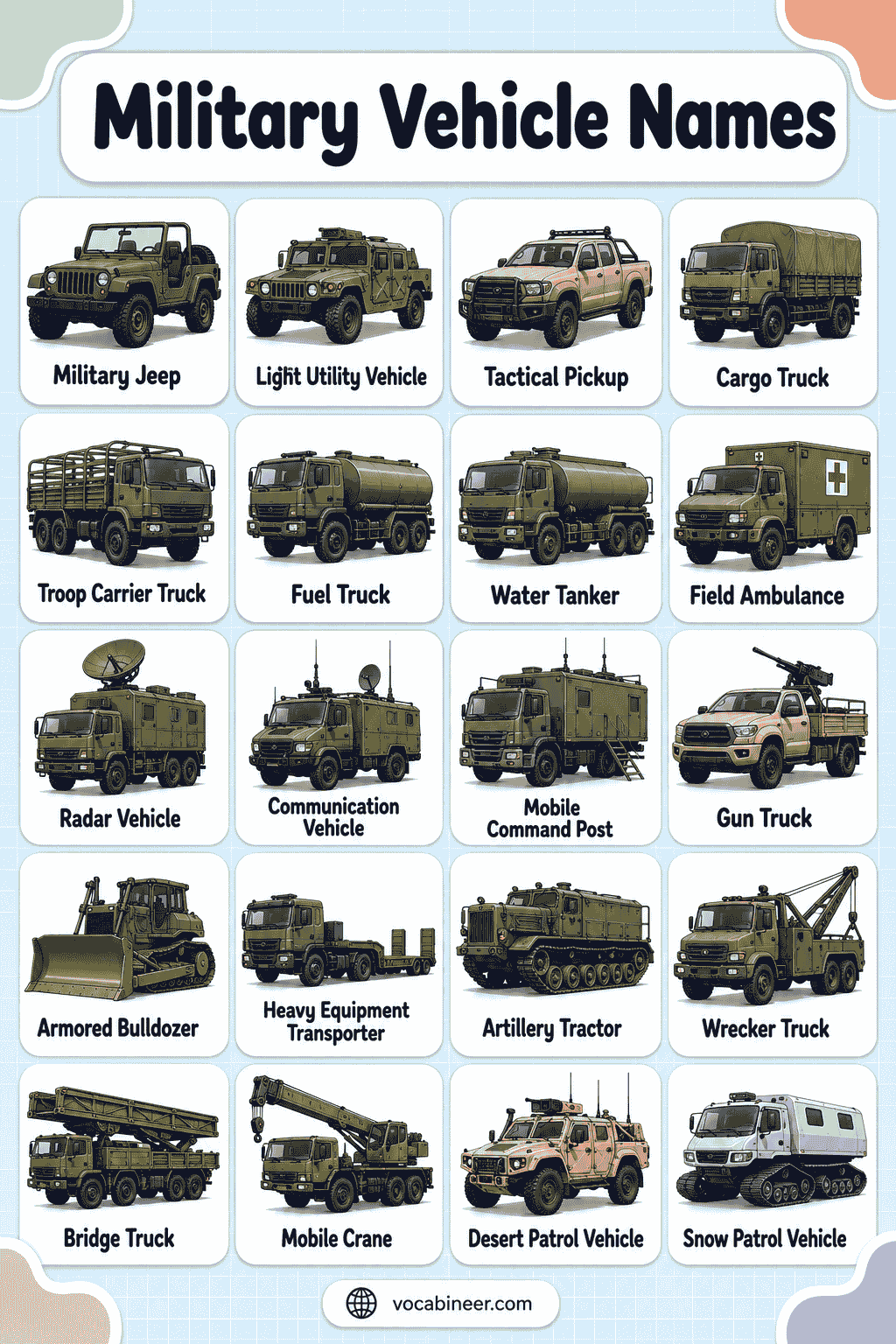
Military vehicles include tanks, troop carriers, artillery platforms, cargo trucks, ambulances, engineering machines, and unmanned ground systems. Each one supports a different military role, so similar-looking vehicles may have very different purposes.
Learning military vehicle names becomes easier when each term connects to a clear function. The categories below explain common vehicle types, recognizable model names, and the main differences among armored, tactical, transport, and support vehicles.
In This Page
What Is a Military Vehicle?
A military vehicle is a ground-based machine designed, adapted, or selected for defense-related work.
Some vehicles operate directly in combat, while others move personnel, deliver supplies, repair damaged equipment, provide medical support, or carry communication systems. Depending on the mission, a military vehicle may use tracks, wheels, armor, sensors, cargo equipment, or specialized engineering tools.
The main groups include:
- armored fighting vehicles;
- reconnaissance and patrol vehicles;
- tactical and protected vehicles;
- artillery and air-defense systems;
- military transport vehicles;
- engineering and recovery machines;
- medical and command vehicles;
- amphibious vehicles;
- unmanned ground vehicles.
Terminology can vary between countries. Therefore, two military organizations may classify similar vehicles differently according to their equipment, crew, protection, and intended role.
Military Vehicle Types and Model Names
A vehicle type identifies a broad category, whereas a model name refers to one particular design.
For example, main battle tank is a vehicle type. M1 Abrams and Leopard 2 are model names within that category. Similarly, armored personnel carrier describes a class, while M113 and Boxer identify specific vehicles.
| Vehicle type | Familiar model names |
|---|---|
| Main battle tank | M1 Abrams, Leopard 2, Challenger 2 |
| Infantry fighting vehicle | M2 Bradley, CV90, Puma |
| Armored personnel carrier | M113, Boxer, BTR-80 |
| Light tactical vehicle | Humvee, JLTV, Iveco LMV |
| Self-propelled howitzer | M109 Paladin, K9 Thunder, PzH 2000 |
| Rocket artillery vehicle | HIMARS, M270 MLRS, BM-21 Grad |
| Armored recovery vehicle | M88 Hercules, Bergepanzer 3 |
| Unmanned ground vehicle | THeMIS, PackBot, Mission Master |
A vehicle family may also contain several versions built on one basic platform. For instance, the Stryker family includes troop-carrying, command, medical, engineering, mortar, and fire-support variants.
Common Military Vehicles and What They Do
The following names provide a useful introduction to the military vehicles most readers encounter.
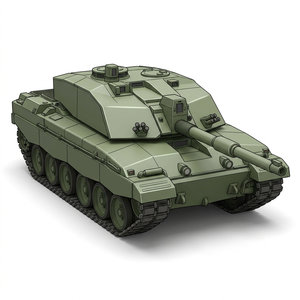
- Main Battle Tank: A heavily armored tracked vehicle built for frontline combat.
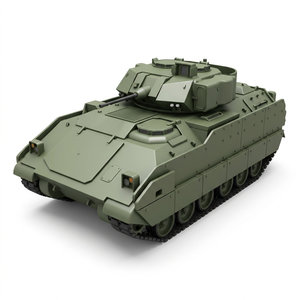
- Infantry Fighting Vehicle: An armored vehicle that carries soldiers and supports them with mounted weapons.
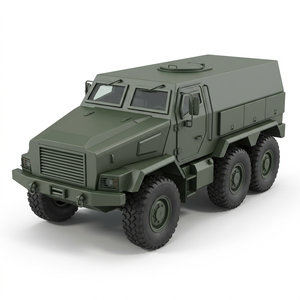
- Armored Personnel Carrier: A protected vehicle mainly used to transport troops through dangerous areas.
- Reconnaissance Vehicle: A fast vehicle designed for scouting, observation, and information gathering.
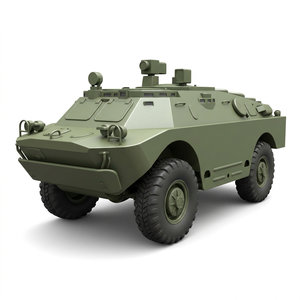
- MRAP: A protected vehicle designed to reduce the effects of mines and roadside explosives.
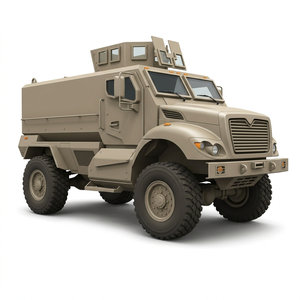
- Light Tactical Vehicle: A smaller military vehicle used for patrol, command, transport, or general utility work.
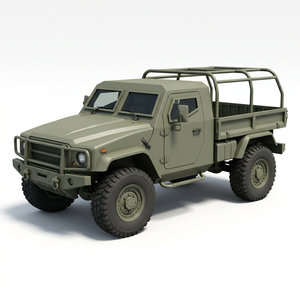
- Self-Propelled Artillery Vehicle: A mobile vehicle carrying a large artillery gun.
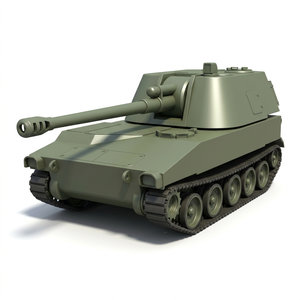
- Rocket Launcher Vehicle: A platform that carries and launches several rockets.
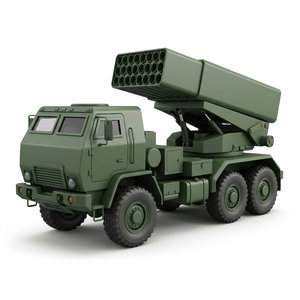
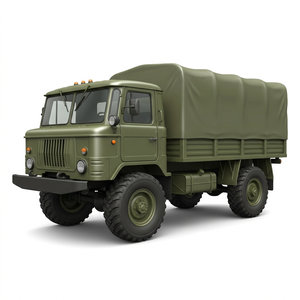
- Military Cargo Truck: A truck used to move supplies, tools, fuel, ammunition, or equipment.
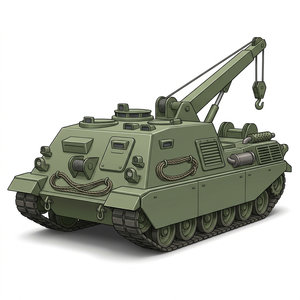
- Armored Recovery Vehicle: A protected machine that tows or repairs damaged armored vehicles.
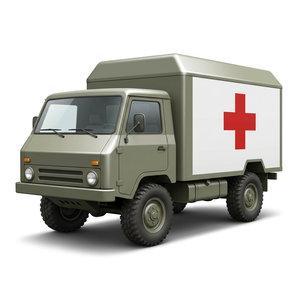
- Military Ambulance: A vehicle equipped to evacuate injured personnel.
- Unmanned Ground Vehicle: A remotely controlled or partly autonomous machine that operates without an onboard crew.
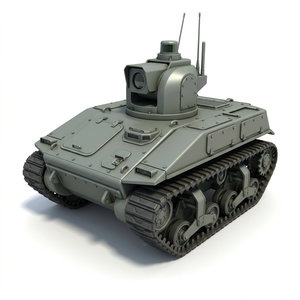
- Artillery Tractor — A military vehicle used to tow heavy artillery equipment, trailers, or large field guns.
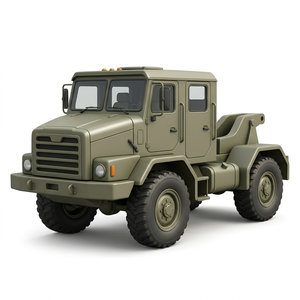
- Command Vehicle — A protected vehicle used as a mobile control center for communication, planning, and coordination.
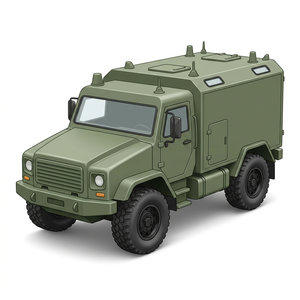
- Electronic Warfare Vehicle — A military vehicle equipped with electronic systems used for communication support, signal monitoring, or defense-related electronic tasks.
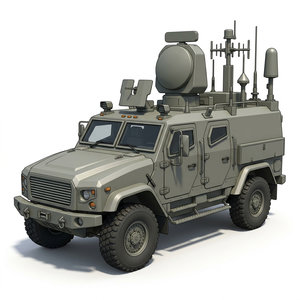
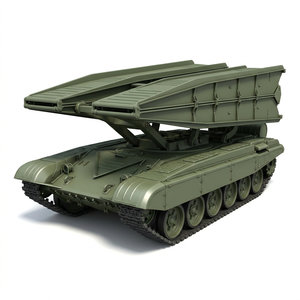
- Bridge-Laying Vehicle — A heavy military vehicle that carries a temporary bridge to help other vehicles cross gaps, rivers, or rough ground.
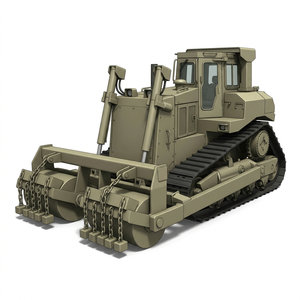
- Mine-Clearing Vehicle — A protected vehicle designed to clear dangerous areas by removing or pushing away land mines and explosive hazards.
These labels describe different roles. However, one platform may have several versions, so the same vehicle family can appear in transport, medical, command, or engineering service.
Tanks and Other Armored Fighting Vehicles
Armored fighting vehicles combine crew protection with mobility, weapons, or troop-carrying space.
Main Battle Tank: Heavy armor, tracked mobility, and a large turret-mounted gun distinguish this category. Familiar main battle tanks include the M1 Abrams, Leopard 2, Challenger 2, Merkava, and T-90.
Light Tank: Lighter than a main battle tank, this vehicle emphasizes easier transport and greater mobility. Although protection and firepower vary, light tanks often support forces that cannot deploy heavier armor easily.
Infantry Fighting Vehicle: An IFV transports infantry while also providing substantial combat support. Recognizable examples include the M2 Bradley, CV90, Puma, Warrior, and BMP-3.
Armored Personnel Carrier: An APC mainly moves troops under armor protection. Common examples include the M113, Boxer, BTR-80, Patria AMV, and Namer.
Armored Car: Usually wheeled and lighter than a tank, an armored car may perform reconnaissance, patrol, security, or fire-support duties. Its road speed often makes it useful for rapid movement.
Mobile Gun System: This vehicle carries a large gun on a wheeled or tracked chassis. Even so, it may not have the armor, crew arrangement, or battlefield role of a main battle tank.
Tank Destroyer: Historically, tank destroyers focused on engaging armored vehicles. Modern forces may instead use terms such as anti-tank vehicle, mobile gun system, or fire-support vehicle.
How Tanks, APCs, and IFVs Differ
Tanks, APCs, and IFVs may all have armor, but their main purposes are not the same.
| Feature | Tank | APC | IFV |
|---|---|---|---|
| Primary role | Frontline armored combat | Protected troop transport | Troop transport with combat support |
| Infantry capacity | Usually none | Carries troops | Carries troops |
| Typical armament | Large main gun | Light weapon station or machine gun | Cannon, machine gun, and sometimes missiles |
| Protection level | Usually heavy | Usually light to medium | Usually medium to heavy |
| Mobility | Commonly tracked | Tracked or wheeled | Tracked or wheeled |
| Examples | Abrams, Leopard 2 | M113, Boxer | Bradley, Puma |
An APC places greater emphasis on safely moving troops. By contrast, an IFV carries infantry while supporting them with stronger mounted weapons. A tank normally does not carry an infantry squad because its design centers on armored combat.
The boundaries are not always absolute. National doctrine, vehicle variants, and equipment packages can influence how a particular platform is classified.
Reconnaissance and Patrol Vehicles
Reconnaissance vehicles help military units observe terrain, identify hazards, and gather information before larger formations move.
Armored Reconnaissance Vehicle: Protection, mobility, sensors, and communication equipment allow these machines to scout in dangerous areas. Examples include the Fennek, LAV-25, Scimitar, Ajax, and BRDM-2.
Scout Vehicle: A scout vehicle is often smaller and lighter than other armored platforms. Rather than remaining in prolonged combat, it emphasizes observation and quick movement.
Long-Range Patrol Vehicle: Extra storage for fuel, water, communication equipment, and supplies supports extended patrols across remote terrain.
Armored Patrol Vehicle: These vehicles combine protected mobility with patrol, convoy-security, and route-monitoring duties.
Jackal: Known for speed and off-road movement, the Jackal serves as a recognizable example of a high-mobility patrol vehicle.
Fennek: A compact profile and advanced observation equipment make the Fennek well suited to reconnaissance work.
MRAPs and Light Tactical Vehicles
Smaller tactical vehicles move personnel and equipment without the size or weight of a tank.
MRAP: The name means mine-resistant, ambush-protected. These vehicles commonly use a protected passenger compartment and specially shaped hull to improve crew protection. Examples include the Cougar, MaxxPro, Oshkosh M-ATV, Buffalo, and Dingo 2.
Humvee: The High Mobility Multipurpose Wheeled Vehicle, usually called the Humvee or HMMWV, has appeared in transport, command, ambulance, utility, and equipment-carrying roles.
Joint Light Tactical Vehicle: The JLTV combines tactical mobility with greater protection than many older light utility vehicles.
Military Utility Vehicle: Adaptable platforms such as the Land Rover Wolf, Iveco LMV, Mercedes-Benz G-Class military variants, and UAZ-469 support patrol, transport, liaison, or command duties.
Armored Security Vehicle: Greater emphasis on protected patrol and convoy work separates this category from an ordinary utility vehicle. The M1117 Guardian is one familiar example.
Because these roles overlap, a vehicle may be described as both a light tactical platform and an armored patrol vehicle.
Artillery, Missile, and Air-Defense Vehicles
Mobile fire-support vehicles allow large weapons and defensive systems to move with military units.
Self-Propelled Howitzer: This vehicle carries a large artillery gun on a tracked or wheeled chassis. Well-known examples include the M109 Paladin, K9 Thunder, PzH 2000, CAESAR, and AS90.
Multiple Launch Rocket System: An MLRS carries several rockets on one mobile platform. Examples include the M270 MLRS, HIMARS, BM-21 Grad, BM-30 Smerch, and Pinaka.
Mortar Carrier: A mounted mortar gives troops mobile indirect-fire support. Depending on the design, the crew may operate the system from inside or near the vehicle.
Missile Launcher Vehicle: This platform transports and launches guided missiles. Some systems use separate command, radar, support, and launcher vehicles.
Anti-Tank Missile Carrier: Mounted guided missiles allow this vehicle to support units against armored threats.
Mobile Air-Defense Vehicle: These platforms help detect or respond to aircraft, helicopters, drones, and other airborne threats. Examples include the Gepard, Avenger, Tor-M2, Pantsir-S1, and Stormer HVM.
Radar Vehicle: Mobile radar systems search for, identify, or track targets. In larger air-defense networks, radar vehicles often work alongside launchers and command posts.
Military Trucks and Transport Vehicles
Military operations depend on vehicles that move food, fuel, water, ammunition, personnel, and heavy equipment.
Cargo Truck: General-purpose cargo trucks carry supplies and equipment. Familiar names include the FMTV, HEMTT, Oshkosh MTVR, MAN HX, and Ural-4320.
Troop Transport Truck: Benches, covered cargo areas, or protected passenger compartments allow these trucks to carry personnel.
Fuel Tanker: Military tankers deliver fuel to vehicles, aircraft, generators, and field facilities.
Water Tanker: These vehicles transport water for drinking, cooking, washing, and equipment support.
Ammunition Carrier: Protected or unprotected carriers move shells, rockets, missiles, and other ammunition to military units.
Heavy Equipment Transporter: A powerful tractor and low-loading trailer move tanks, bulldozers, and other heavy machines over long distances. The M1070 HET is a widely recognized example.
Container Carrier: Modern logistics vehicles may use loading systems that pick up standardized pallets, containers, or flatracks.
Although transport vehicles rarely receive as much attention as tanks, military forces cannot operate for long without their supplies and maintenance support.
Engineering and Recovery Vehicles
Engineering vehicles help military units cross obstacles, clear routes, build positions, and recover damaged equipment.
Armored Recovery Vehicle: An ARV tows disabled armored vehicles and supports repair work in the field. Common examples include the M88 Hercules, Bergepanzer 3, Challenger ARRV, BREM-1, and Wisent 2.
Assault Breacher Vehicle: This protected machine opens routes through obstacles and minefields. Depending on the model, it may carry a plow, line charge, lane-marking equipment, or other engineering tools.
Mine-Clearing Vehicle: Specialized equipment such as plows, rollers, and flails helps clear or mark hazardous routes. Examples include the M1150 Assault Breacher Vehicle, Keiler, and Panther.
Combat Engineering Vehicle: Digging arms, blades, dozer equipment, and other tools allow these machines to prepare routes or remove obstacles.
Armored Bulldozer: Additional protection allows a bulldozer to work in hazardous areas while pushing earth, debris, or barriers.
Bridge-Laying Vehicle: A bridge layer carries and places a temporary crossing over a ditch, riverbank, or damaged road. Familiar examples include the M1074 Joint Assault Bridge, M60 AVLB, Biber, Titan, and Leguan.
Recovery Truck: Unlike a heavy tracked ARV, a wheeled recovery truck usually supports lighter vehicles and military trucks.
Medical and Command Vehicles
Not every military vehicle carries weapons. Many provide treatment, communication, coordination, and technical support.
Military Ambulance: These vehicles evacuate injured personnel and may carry stretchers, medical supplies, and treatment equipment. Examples include the M997 Humvee ambulance, M113 ambulance, Boxer ambulance, and Stryker Medical Evacuation Vehicle.
Medical Evacuation Vehicle: Greater protection and specialized interior equipment allow this platform to move casualties through difficult or dangerous areas.
Command Vehicle: Radios, computers, maps, and workstations turn a command vehicle into a mobile headquarters. Examples include the M577 Command Post Carrier and Stryker Commander’s Vehicle.
Communications Vehicle: Signal units use these platforms to carry radio, satellite, relay, or data-network equipment.
Electronic Warfare Vehicle: Specialized systems help detect signals, protect friendly communications, or interfere with hostile electronic activity.
CBRN Reconnaissance Vehicle: Sensors and sampling equipment help crews identify chemical, biological, radiological, or nuclear hazards.
Radar and Surveillance Vehicle: Mobile sensors support air defense, battlefield observation, artillery detection, and target tracking.
Together, these support vehicles allow commanders, medical teams, and technical specialists to work closer to military units in the field.
Amphibious Military Vehicles
Amphibious vehicles can travel on land and cross water without relying entirely on a bridge or transport ship.
Amphibious Assault Vehicle: Designed to move troops from water to land, this category often supports marine and coastal operations. The AAV7 is a familiar example.
Amphibious APC: Some armored personnel carriers use propellers or water jets to cross rivers and other bodies of water. The BTR-80 and certain Piranha-family vehicles provide recognizable examples.
Amphibious IFV: These vehicles combine troop transport, mounted weapons, and water-crossing ability. The ZBD-05 is one notable example.
Amphibious Truck: The historical DUKW carried cargo and personnel on roads and through water.
All-Terrain Amphibious Carrier: Articulated vehicles such as the BvS 10 can travel across snow, mud, wetlands, and water.
The word amphibious describes a capability rather than one fixed vehicle class. Therefore, an APC, truck, IFV, or engineering platform may also be amphibious.
Unmanned Military Ground Vehicles
Unmanned ground vehicles operate without carrying a crew inside the platform.
Reconnaissance UGV: Cameras, thermal sensors, radar, or other equipment allow these vehicles to inspect dangerous areas.
Explosive-Ordnance-Disposal Robot: Small robots help specialists examine suspicious objects from a safer distance. PackBot is one widely known example.
Logistics UGV: These platforms carry food, water, ammunition, batteries, or other supplies.
Engineering UGV: Remote operation allows a machine to inspect routes, detect hazards, or support obstacle-clearing work.
Multi-Role UGV: Modular platforms can accept different equipment for surveillance, transport, communication, or engineering tasks. The THeMIS is a recognizable example.
Robotic Combat Vehicle: Larger unmanned platforms may carry sensors or weapon stations, although their design and control systems vary considerably.
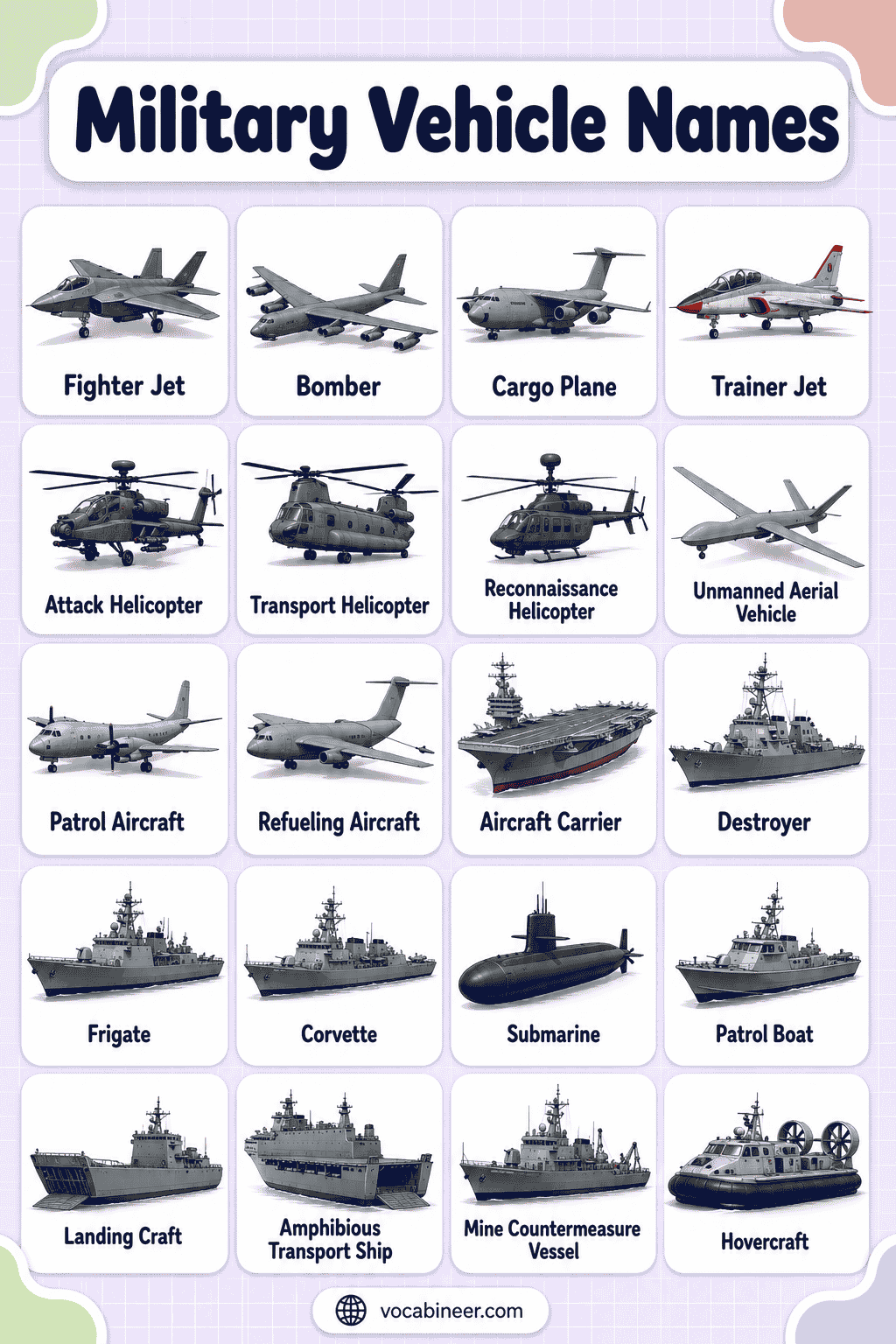
Modern UGVs range from small portable robots to vehicle-sized machines that support larger military formations.
Tracked and Wheeled Military Vehicles
Tracks and wheels influence mobility, maintenance, speed, and the terrain a vehicle can cross.
| Tracked vehicles | Wheeled vehicles |
|---|---|
| Use continuous tracks | Use conventional tires |
| Often move well across soft or broken ground | Frequently travel faster on roads |
| Can carry heavy armor and equipment | Often require less maintenance |
| May turn within a smaller area | Usually offer longer road range |
| Commonly need specialized transport | Often deploy more easily by road |
| Examples: Abrams, Bradley, M109 | Examples: Stryker, Humvee, Boxer |
A tracked vehicle is not automatically a tank. The M113, Bradley, M109, and many recovery vehicles use tracks but perform different jobs.
Likewise, wheeled military vehicles can carry substantial armor and weapons. The Stryker and Boxer, for example, use wheels while supporting troop transport and several specialized roles.
Combat and Support Vehicle Roles
Military fleets need fighting vehicles as well as machines that keep people and equipment supplied.
| Combat and battlefield-support vehicles | Logistics and service vehicles |
|---|---|
| Main battle tanks | Cargo trucks |
| Infantry fighting vehicles | Fuel tankers |
| Reconnaissance vehicles | Military ambulances |
| Self-propelled artillery | Maintenance vehicles |
| Rocket launchers | Command vehicles |
| Air-defense vehicles | Recovery trucks |
| Anti-tank vehicles | Water carriers |
These groups can overlap. An engineering or recovery vehicle may enter a dangerous battlefield area, while an armored troop carrier may provide defensive fire. Even so, a vehicle’s main purpose usually determines its classification.
Support vehicles remain essential because combat units depend on fuel, ammunition, communication, transportation, medical care, and repairs.
Famous Military Vehicles from History
Some older military vehicles became widely recognized because of their influence, design, or service.
Willys Jeep: This small utility vehicle became closely associated with military transport during World War II.
M4 Sherman: Produced in large numbers, the Sherman became one of the best-known American tanks of World War II.
M3 Half-Track: Front wheels and rear tracks allowed this vehicle to transport troops and equipment across varied terrain.
DUKW: This amphibious truck carried supplies between ships, shorelines, and inland areas.
Universal Carrier: Military forces used this compact tracked vehicle to transport personnel, equipment, and weapons.
M113: Introduced during the Cold War, the M113 developed into a large family of troop-carrying and support vehicles.
Military Vehicle Vocabulary in Simple Sentences
These examples connect common vehicle names with short, easy meanings.
- Tank: A tank is a heavily armored fighting vehicle.
- APC: An APC transports soldiers under armor protection.
- IFV: An IFV carries infantry and supports them with mounted weapons.
- Humvee: A Humvee is a light military utility vehicle.
- MRAP: An MRAP provides added protection against mines and explosive threats.
- Military Truck: A military truck carries supplies and equipment.
- Ambulance: A military ambulance evacuates injured personnel.
- Recovery Vehicle: A recovery vehicle tows or repairs damaged machines.
- Bridge Layer: A bridge layer places a temporary crossing over an obstacle.
- UGV: An unmanned ground vehicle operates without an onboard crew.
FAQs
The main groups include tanks, infantry fighting vehicles, armored personnel carriers, reconnaissance vehicles, tactical vehicles, artillery platforms, military trucks, engineering vehicles, ambulances, and unmanned ground systems.
No. APCs, IFVs, reconnaissance vehicles, self-propelled artillery, and recovery machines may have armor, but their roles differ from those of tanks.
An APC mainly transports troops under protection. An IFV also carries infantry, but it usually has stronger mounted weapons and provides greater combat support.
A tank transporter or heavy equipment transporter carries tanks and other large machines on a low-loading trailer.
Cargo trucks, fuel tankers, ambulances, recovery vehicles, bridge layers, maintenance trucks, command vehicles, and communication platforms mainly support personnel and equipment.
Read More
- 100+ Vehicles Name in English
- Types of Emergency Vehicles
- Different Types of Trucks
- Types of Four Wheelers
- Water Transport Names