

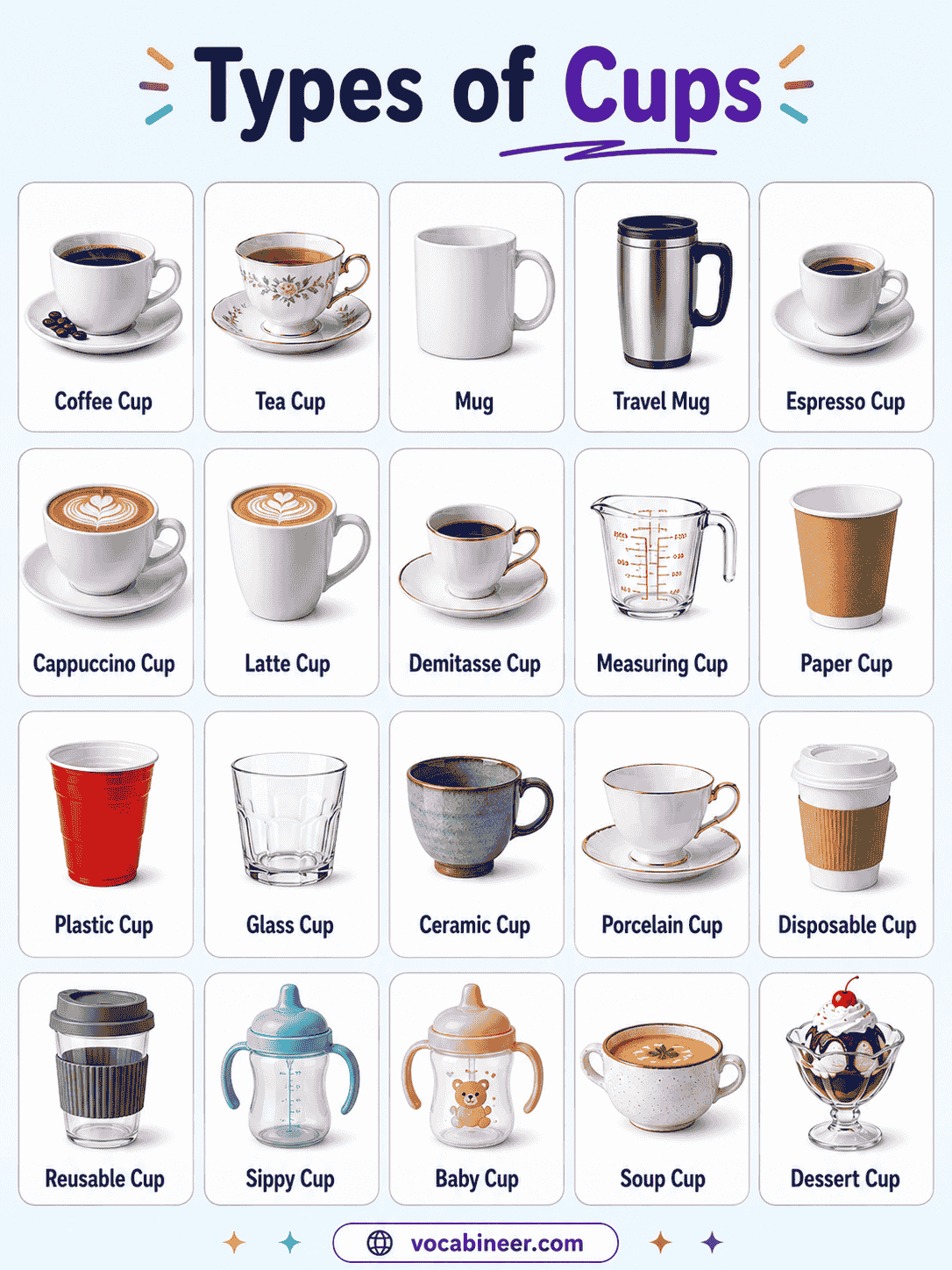
Different types of cups are designed around the drinks or purposes they serve. An espresso cup stays small because it holds a concentrated coffee shot, while a travel mug uses a taller shape and secure lid to make drinks easier to carry.
Learning the types of cups with names makes it easier to recognize the right cup at home, in cafés, or while shopping. Cups also form part of everyday tableware alongside plates, bowls, and other household items.

In This Page
Different Types of Cups and Their Names
Cups come in many shapes and sizes depending on the drink they hold, the material they use, and the setting where people use them. These common cup types are easy to recognize by their shape and purpose.
Coffee Cup
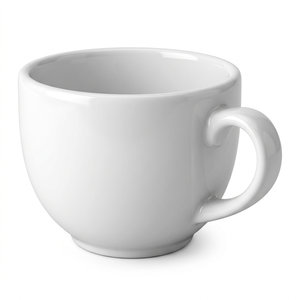
A medium-sized cup, usually with a handle, made for serving hot coffee.
Teacup
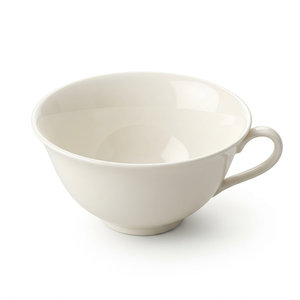
A small, often delicate cup with a handle, commonly used for serving tea.
Mug
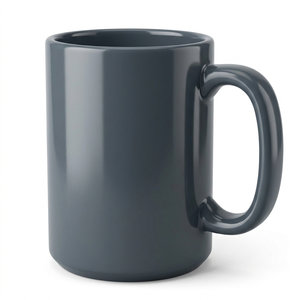
A larger, sturdy cup with a handle that people use for coffee, tea, milk, or other drinks.
Espresso Cup
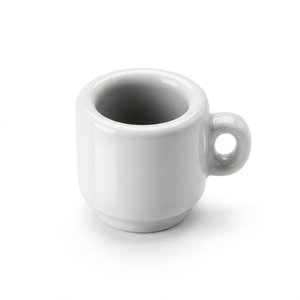
A very small cup designed to hold a single or double serving of espresso.
Cappuccino Cup
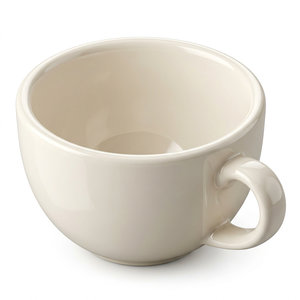
A wider cup that gives enough space for espresso, steamed milk, and milk foam.
Latte Cup
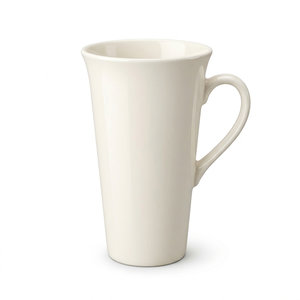
A relatively large cup used for coffee drinks with a high proportion of milk.
Demitasse Cup
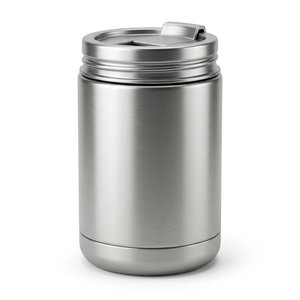
A small cup used for strong coffee such as espresso or Turkish-style coffee.
Travel Cup
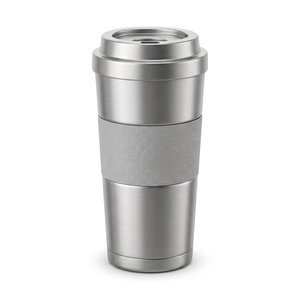
A portable cup with a lid, designed for carrying drinks while traveling or commuting.
Paper Cup
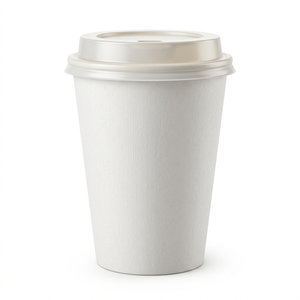
A lightweight disposable cup made mainly from paper and commonly used for hot or cold beverages.
Plastic Cup
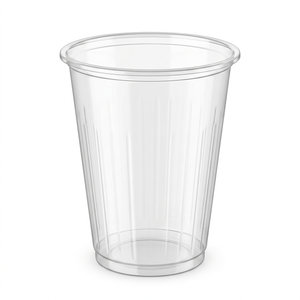
A lightweight cup made from plastic, often used for cold drinks, parties, or casual events.
Glass Cup
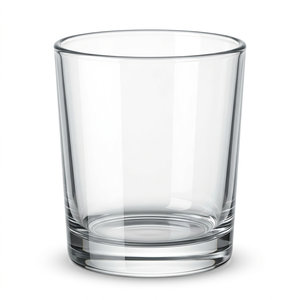
A transparent drinking cup made from glass and used for water, juice, and other beverages.
Ceramic Cup
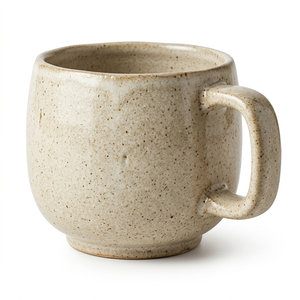
A cup made from fired clay, commonly used for tea, coffee, and hot drinks.
Measuring Cup
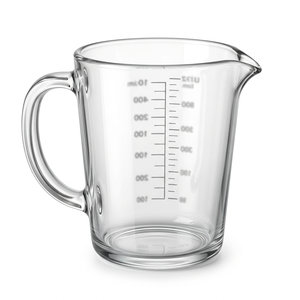
A marked container used to measure liquid or dry ingredients in cooking and baking.
Sippy Cup
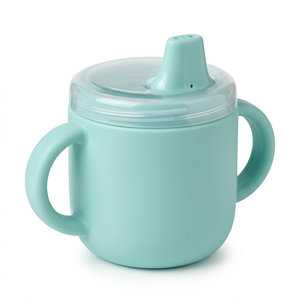
A small child-friendly cup with a lid and drinking spout that helps reduce spills.
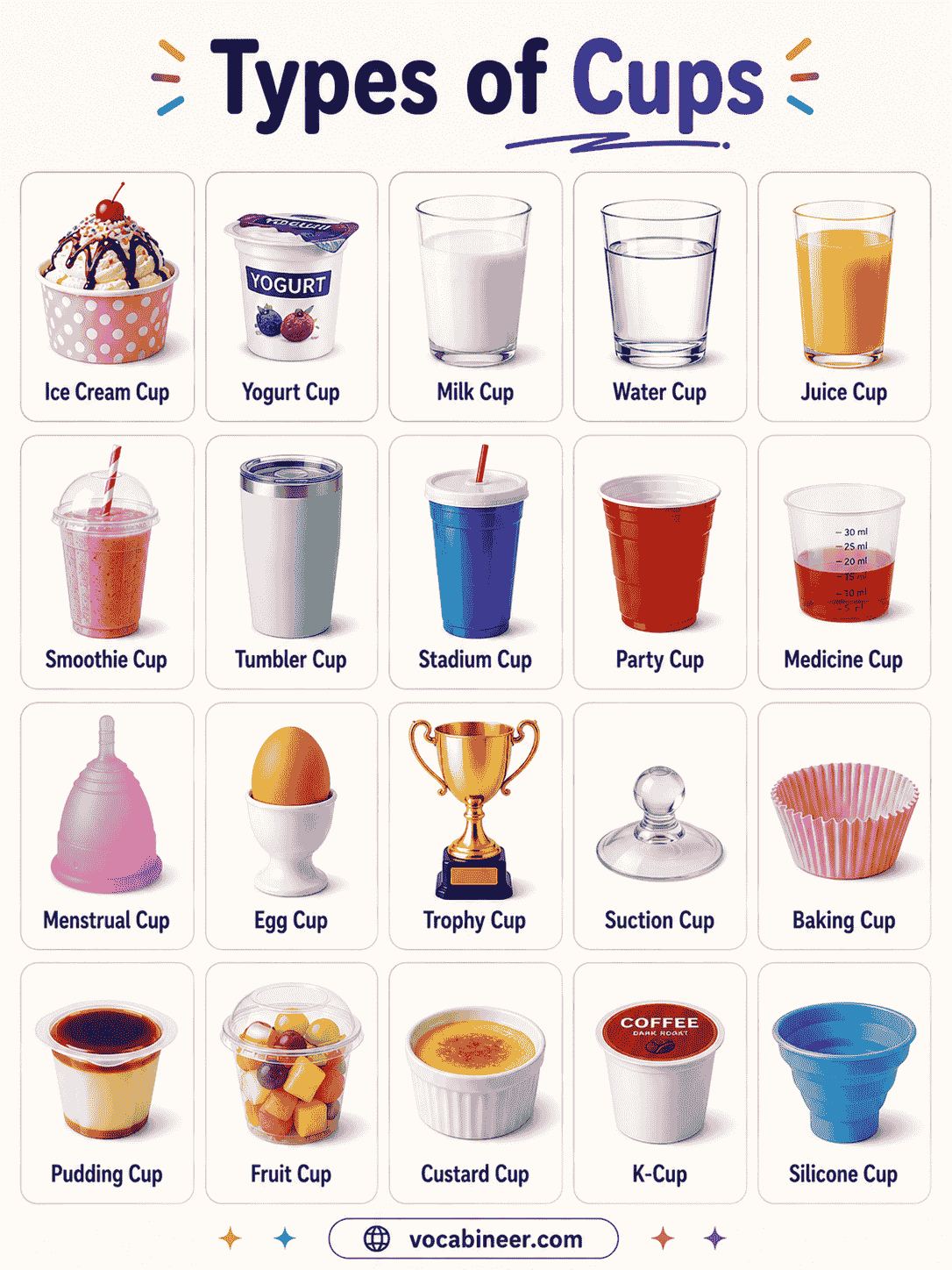
Tumbler Cup
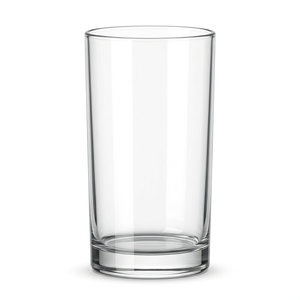
A tall drinking cup, usually without a handle, used for water, juice, iced coffee, and other drinks.
Soup Cup
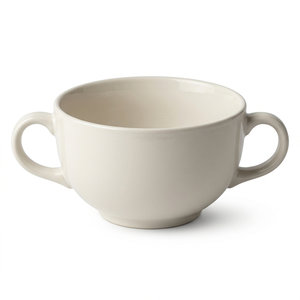
A wide cup, often with one or two handles, designed for serving soup or broth.
Punch Cup
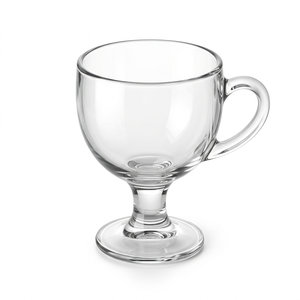
A small cup used for serving punch and other party drinks.
Reusable Cup
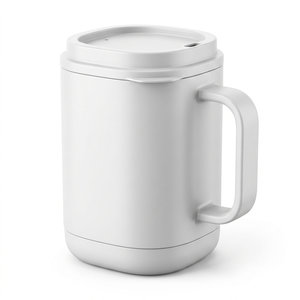
A washable cup designed for repeated use instead of single-use disposable cups.
Types of Cups and Mugs
The everyday types of cups in a kitchen cupboard come down to a handful of shapes, and the handle is the quickest way to tell them apart. A large handle on a straight body means a mug, and a small handle on a tapered body means a cup. A cup with no handle is a tumbler or a beaker.
Mug
A mug is a tall, straight-sided cup with thick walls and a large handle, used without a saucer. Most hold about 250 to 350 ml, enough for a full serving of tea, coffee or hot chocolate. The thick ceramic or stoneware body keeps the outside comfortable to hold while the drink stays hot.
Coffee Cup
Taller and narrower than a teacup, the coffee cup has a small handle and a matching saucer in most dinner services. European porcelain makers sold separate tea and coffee services, which is why the two shapes still differ. In a café, a plain coffee cup holds a filter coffee or an Americano of about 150 to 250 ml.
Tumbler
A tumbler has a flat base, straight or slightly flared sides, and neither a handle nor a stem. Glass tumblers hold water and juice at the table, while steel and plastic tumblers go to picnics and poolsides. The same name also covers the lidded insulated tumbler carried to work and the gym.
Beaker
In British English, a beaker is a drinking cup with straight sides and no handle, and most are plastic. Children’s beakers come with a lid and spout, and picnic sets pack stacking plastic beakers because they do not break. In American English, the word mostly means a laboratory container with a lip for pouring.
Double-Walled Cup
Two layers of glass or steel, with a gap of air between them, make up a double-walled cup. The gap slows heat moving outward, so a hot latte leaves the outside cool enough to hold without a handle. In clear glass versions, the drink appears to float inside the cup.
Punch Cup
Sold in sets with a punch bowl, the punch cup is a small glass cup with a little handle, holding about 120 to 180 ml. Guests ladle punch, eggnog or wassail straight from the bowl into it at parties and holiday gatherings. Some sets hang the cups from the rim of the bowl by their handles.
Novelty Mug
Novelty mugs take a playful shape or finish, such as a camera lens, a cartoon face or a heat-changing print. A color-changing mug carries a thermochromic coating that turns see-through when hot liquid is poured in, revealing the picture beneath. Most are ceramic and hold the same amount as a standard mug.
Stemless Cup
A stemless cup is a bowl-shaped glass or steel cup with no stem or foot, borrowed from the shape of a wine glass. It sits lower and steadier than stemmed glassware, so it suits patios, picnics and wine at casual meals.
Types of Coffee Cups With Names
Behind a café counter, the types of cups follow the drinks themselves, so each coffee drink gets a cup sized to match. The ratio of coffee to milk decides the size, and the foam on top decides how wide the rim needs to be. Restaurants use the same set, serving espresso in a demitasse and filter coffee in a cup and saucer or a mug.
Espresso Cup (Demitasse)
The espresso cup, also called a demitasse, holds about 60 to 90 ml, which is room for a single or double shot. Its second name comes from the French for “half cup.” Thick porcelain walls hold the heat in such a small serving, and a matching saucer carries the spoon and a sugar cube.
Cappuccino Cup
Wider at the rim than an espresso cup, a cappuccino cup holds about 150 to 180 ml. The broad opening leaves room for the thick layer of milk foam on top of the drink, and baristas pour latte art across it. Most are porcelain and come with a saucer.
Latte Cup
The latte cup is the largest café cup, holding about 240 to 350 ml of espresso and steamed milk. Some cafés serve lattes in a wide, bowl-shaped cup, and others use a tall heatproof glass. The extra space takes the larger share of milk that separates a latte from a cappuccino.
Flat White Cup
Smaller than a latte cup, the flat white cup holds about 150 to 180 ml. The flat white comes from Australia and New Zealand, and its thin layer of microfoam needs a cup that keeps the coffee strong against the milk. Many cafés serve it in a tulip-shaped porcelain cup with a saucer.
Irish Coffee Mug
Irish coffee mugs are made from heatproof glass, set on a short stem and foot, with a handle on the side. The glass shows the drink’s layers, with hot coffee and whiskey below and a band of cream floating on top. Most hold about 180 to 240 ml.
Types of Tea Cups and Saucers
Among the types of cups made for hot drinks, tea cups sit lower and wider than coffee cups, and the saucer underneath has a purpose beyond looks. It catches drips, holds the spoon and the tea bag, and lets a hot cup be carried without touching the bowl.
Teacup and Saucer
A teacup has a wide, shallow bowl, a small handle and a matching saucer, and most hold about 180 to 240 ml. The wide shape lets hot tea cool quickly enough to sip. Bone china sets, made from porcelain mixed with bone ash, remain the classic English choice because the cups are thin, light and strong.
Tea Mug
Tea mugs share the straight sides and big handle of an ordinary mug, with room for a tea bag and plenty of milk. Some come with a lid to keep the tea hot while it steeps.
Glass Tea Cup
Made from heatproof borosilicate glass, the glass tea cup shows the color of the tea as it brews. Green, white and flowering teas suit it best, since watching the leaves open is part of the pleasure. Many glass tea cups are double-walled, which keeps the outside cool to the touch.
Infuser Mug
An infuser mug comes with a removable mesh or ceramic basket that sits inside the rim and holds loose tea leaves. Once the tea has steeped, the basket lifts out, and a lid keeps the heat in during brewing. Loose-leaf drinkers use it as a one-cup teapot.
Mustache Cup
The mustache cup, spelled moustache cup in British English, has a ledge across the inside of the rim with a small gap to drink through. Victorian men waxed their mustaches, and the ledge kept the wax from melting into hot tea. Collectors now seek out antique porcelain examples.
Types of Travel and Disposable Cups
Of all the different types of cups, the ones that leave the house need a lid, insulation or both. A cup that gets thrown away has a different job: it must be light, cheap and stackable, which is why most disposable cups are paper, plastic or foam. Cold drinks go into clear plastic cups with a straw, and the cups that keep drinks cold longest have a vacuum wall.
Travel Mug
A travel mug has a sealed lid with a sip opening, insulated walls and a base narrow enough for a car cup holder. Most hold 350 to 470 ml and keep coffee hot through a long commute. Some have a handle, and others are smooth cylinders.
Insulated Tumbler
An insulated tumbler has two stainless steel walls with a vacuum between them, which stops heat passing in or out. Ice stays frozen and hot drinks stay hot far longer than in a single-walled cup. Most come with a press-on lid and a straw, and the largest hold over a liter.
Thermos Cup
The thermos cup is the lid of a vacuum flask, which unscrews and turns into a cup. It takes its name from Thermos, a flask brand so widely known that the name now covers vacuum flasks in general. Hikers, builders and fans at outdoor games pour soup, tea and coffee into it straight from the flask.
Reusable Coffee Cup
A reusable coffee cup replaces the paper cup at the café counter. Plastic, glass and stainless steel versions all exist, with a silicone band for grip and a push-on lid. They come in café sizes, so the barista fills them straight from the machine.
Paper Cup
A paper cup is made from paperboard lined with a thin layer of plastic, which stops the drink soaking through. Hot-drink versions have a double wall or a cardboard sleeve to protect the hand. That plastic lining makes paper cups hard to recycle with ordinary paper.
Plastic Cup
Clear plastic cups hold cold drinks such as iced coffee, smoothies and soda, and most come with a dome or flat lid. Thin disposable plastic cups now face limits in many countries under laws aimed at single-use plastic waste.
Party Cup
The party cup is the large red plastic cup seen at American parties, barbecues and college events. Most hold about 16 to 18 US fluid ounces (470 to 530 ml), and the thick ribbed sides give a firm grip and resist crushing.
Foam Cup
A foam cup is molded from expanded polystyrene, a light plastic full of tiny air pockets. Those pockets keep hot coffee hot and the outside cool. The European Union banned expanded polystyrene cups in 2021, and several US states have passed similar bans.
Compostable Cup
A compostable cup swaps the plastic lining of a paper cup for PLA, a plastic made from plants such as corn. It breaks down in industrial composting facilities, though not in a home compost heap or in landfill.
Bubble Tea Cup
A bubble tea cup is a clear plastic cup with a film lid heat-sealed across the top. Drinkers punch through the film with a wide straw, wide enough to pull up the chewy tapioca pearls. Most hold about 500 to 700 ml.
Smoothie Cup
A smoothie cup is a tall, clear cup with a domed lid and a hole for a straw. The dome leaves room for whipped cream or a thick topping, so juice bars and cafés use it for smoothies, frappés and milkshakes.
Types of Cups for Toddlers and Babies
The types of cups made for children change with the stage a child has reached. Babies start with lidded cups around six months, and the lid gets simpler at each step until the child drinks from an open cup.
Sippy Cup
A sippy cup has a lid with a hard or soft spout and, in most designs, a valve that stops leaks when the cup tips over. Two side handles help small hands hold it. Parents use it to move a toddler away from the bottle.
Straw Cup
A straw cup has a built-in straw with a weighted end, so it reaches the bottom of the cup at any angle. A child drinks without tipping the cup back, which keeps spills down in the car and the stroller.
360 Cup
The 360 cup has a flat lid with a seal around its edge, so a child can drink from any point on the rim. Pressing the lips against the edge opens the seal, and lifting the cup away closes it again. The action copies drinking from an ordinary open cup without the spills.
Training Cup
A training cup is a light plastic cup with two handles, a lid and a soft spout, made for babies learning to hold a cup on their own. Many have removable parts, so the spout comes off as the child gets steadier.
Open Cup
An open cup is a small cup with no lid, sized for little hands and holding only a few mouthfuls at a time. Toddlers learn to control the flow themselves, which is the last step before drinking from an adult’s cup.
Types of Camping Cups
Of all the types of cups, camping cups trade good looks for toughness, and several of their names come from the trail or the army. They need to survive a packed bag, sit on a stove or near a fire, and weigh almost nothing on a long trail.
Enamel Mug
An enamel mug is a steel mug coated with fired enamel, classically white with a dark rim or speckled blue. The steel core survives knocks that would break ceramic, though a hard drop chips the coating. Campers warm a drink in it on a stove or beside a fire.
Sierra Cup
The Sierra cup is a wide, shallow stainless steel cup with sloping sides and a wire handle that clips to a belt or pack. It takes its name from the Sierra Club, whose members carried it on early trips in the American West. The shallow shape doubles as a bowl, and several Sierra cups nest inside one another.
Collapsible Cup
Silicone sides let a collapsible cup fold flat into its own lid, so it fits a pocket. It opens to full size for a drink and squashes down again once rinsed. Hikers and travelers carry one in place of disposable cups.
Kuksa
A kuksa is a wooden cup carved by hand from a birch burl, the hard, knotted growth on a birch trunk. It comes from the Sámi people of northern Scandinavia and Finland. A hole in the handle takes a cord, so the cup hangs from a belt, and the dense burl wood resists cracking.
Canteen Cup
A canteen cup is a metal cup shaped to slide over the bottom of a military water canteen. A folding handle locks out for drinking and folds flat for packing. Soldiers and campers set it straight on a stove or fire to boil water.
Types of Traditional Cups by Country
Many types of cups carry names from outside English, and most of these traditional cups have no handle and belong to a single drink. Tea in East Asia, chai in South Asia, coffee in the Arab world and mate in South America each have a cup shaped for how the drink is served.
Chawan
A chawan is a Japanese tea bowl used to prepare and drink matcha. It is wide enough for a bamboo whisk to froth the powdered tea inside it, and it has no handle. In the Japanese tea ceremony, guests turn the bowl before drinking so its decorated front faces away from them.
Yunomi
Taller than it is wide, the yunomi is a Japanese cup for everyday tea, green tea above all. It has thick walls and no handle, so it is held with both hands.
Gaiwan
A gaiwan is a Chinese lidded tea bowl made of three parts: a bowl, a lid and a saucer. It dates from the Ming dynasty and holds about 80 to 150 ml. The leaves brew inside the bowl, and the lid holds them back while the tea is sipped or poured into smaller cups.
Gongfu Cup
Gongfu cups are tiny Chinese porcelain cups, each holding only a few sips. They belong to gongfu brewing, where small amounts of tea are steeped many times in a gaiwan or clay teapot and shared among guests. Many are plain white inside, so the color of the tea shows.
Ochoko
An ochoko is a small Japanese cup for drinking sake. It holds a mouthful or two, poured from a narrow flask called a tokkuri. Larger sake cups go by the name guinomi.
Kulhad
A kulhad, also spelled kulhar, is an unglazed terracotta cup from South Asia with no handle. Tea stalls across India and Pakistan serve chai in it, and the porous clay gives the tea an earthy aroma. Most kulhads are used once and thrown away, and the same cups hold lassi, hot milk and kulfi.
Finjan
A finjan is a small handleless cup for Arabic coffee, filled only part of the way and topped up for guests. In Turkey the same word, spelled fincan, names the small cup for thick Turkish coffee, which comes with a handle and a saucer.
Mate Gourd
A mate gourd is a hollowed calabash used to drink yerba mate, an herbal drink from South America. Drinkers pack it with the dried leaves, add hot water and sip through a metal straw with a built-in filter called a bombilla. In Argentina, Uruguay, Paraguay and southern Brazil, one gourd passes around the whole group.
Types of Cups for Alcohol
Before glass became cheap, wine, beer and spirits went into cups of metal, wood and pottery. Several of those shapes survive, mostly at ceremonies, in pubs and on special occasions.
Goblet
A goblet is a drinking cup with a bowl set on a stem and foot. Silver and pewter goblets held wine at medieval tables, and the word now covers glass goblets for wine and water too.
Chalice
A chalice is a goblet that holds the wine in Christian Communion. Most are silver or gold, solid or plated, and churches keep them for that use alone.
Tankard
A tankard is a large drinking cup with a single handle, made for beer. Traditional tankards are pewter or silver, and some have a hinged lid. The German stein is a lidded stoneware relative, and some pewter tankards have a glass bottom.
Quaich
A quaich is a shallow Scottish cup with two flat handles called lugs, used to share whisky. Its name comes from the Gaelic cuach, meaning cup. At Scottish weddings, the couple drink from the same quaich as a sign of trust.
Moscow Mule Mug
A Moscow mule mug is a copper mug with a straight or hammered body and a sturdy handle, made for the Moscow mule cocktail of vodka, ginger beer and lime. The copper chills quickly with ice, so the outside frosts over. Most hold about 470 ml, and many are lined with stainless steel, since bare copper reacts with acidic drinks.
Julep Cup
A julep cup is a straight-sided silver or pewter cup with no handle, used for the mint julep, a bourbon drink tied to the Kentucky Derby. Crushed ice turns the metal frosty, and drinkers hold the cup by the rim or base to keep it that way.
Communion Cup
Communion cups are small individual cups of glass or disposable plastic that some churches use in place of a shared chalice. Each one holds a single sip of wine or grape juice, and a tray carries dozens at a time.
Kylix
A kylix is an ancient Greek wine cup with a wide, shallow bowl, two horizontal handles and a short stem. Painters decorated the inside of the bowl, so the picture appeared as the wine was drunk.
Kantharos
A kantharos is an ancient Greek drinking cup with a deep bowl, a tall foot and two high handles that rise above the rim. Greek art shows it in the hands of Dionysus, the god of wine.
Types of Cups Used in the Kitchen
A recipe that asks for “one cup of flour” means a measuring cup, not a mug. Several types of cups in the kitchen never carry a drink, each shaped for one food.
Related: Kitchen Utensils
Measuring Cup
A measuring cup is marked to hold a set volume for cooking and baking. Dry measuring cups come in nested sets and are filled level to the rim, while liquid measuring cups are clear jugs with a spout and printed lines. The volume of one cup changes from country to country:
- US customary cup: 236.6 ml
- US nutrition label cup: 240 ml
- Metric cup (Australia, Canada and New Zealand): 250 ml
- Japanese cup: 200 ml
Egg Cup
An egg cup holds a soft-boiled egg upright so the top can be sliced off and the yolk eaten with a spoon. Most are ceramic, with a short stem and foot.
Custard Cup
A custard cup is a small, heatproof glass or ceramic cup for baking single servings of custard, crème brûlée or soufflé. The ceramic version with straight, fluted sides is called a ramekin.
Dessert Cup
A dessert cup is a small glass or plastic cup for layered desserts such as mousse, trifle and parfait. Clear sides show off the layers, and caterers set out plastic dessert cups with matching spoons at parties.
Medicine Cup
A medicine cup is a small plastic cup marked in milliliters for measuring liquid medicine. Most come packed with the bottle and fit over its cap.
Portion Cup
A portion cup is a small plastic or paper cup with a snap-on lid, holding about 30 to 120 ml. Restaurants and takeaway counters fill portion cups with sauces, dressings and dips, and the paper version is also called a soufflé cup.
Types of Cups by Material
Several types of cups are named after their material. The material decides how hot a cup gets in the hand, how long the drink stays warm and whether it survives a fall.
| Material | What it is like |
|---|---|
| Ceramic and stoneware | Heavy and sturdy, holds heat; mugs and everyday cups |
| Porcelain | Fine, white and smooth; teacups and espresso cups |
| Bone china | Porcelain with bone ash, thin and strong; tea sets |
| Glass | Shows the drink; tea cups and double-walled cups |
| Stainless steel | Unbreakable; travel mugs, tumblers and camping cups |
| Enamel | Steel coated in enamel; camping mugs |
| Terracotta | Unglazed, porous clay; kulhads |
| Wood | Light and warm to hold; kuksas |
| Paper | Plastic-lined, used once; takeaway cups |
| Plastic | Light and cheap; party cups and kids’ cups |
| Silicone | Soft, folds flat; collapsible and baby cups |
Types of Cups With Lids, Handles and Straws
A lid, a handle or a straw separates most types of cups faster than size or material does. Each one answers a practical need: no spills, a cool grip or drinking without tipping.
| Feature | Cups that have it |
|---|---|
| Lid | Travel mug, insulated tumbler, sippy cup, 360 cup, gaiwan, bubble tea cup, smoothie cup, portion cup |
| One handle | Mug, teacup, coffee cup, espresso cup, punch cup, tankard, Moscow mule mug, enamel mug |
| Two handles | Quaich, kylix, kantharos, sippy cup, training cup |
| Straw | Straw cup, insulated tumbler, bubble tea cup, smoothie cup |
| No handle | Tumbler, beaker, stemless cup, yunomi, chawan, kulhad, finjan, julep cup, paper cup |
Shape adds a fourth clue. A tulip shape, wider at the rim than the waist, marks café cups such as the cappuccino and flat white cup. A straight cylinder marks mugs and travel mugs, a bell shape marks the teacup, and a stem and foot mark the goblet, chalice and Irish coffee mug.
Cup vs Mug vs Glass
In everyday English the three words overlap, though each has its own shape and job. Glasses form a large family of their own, from tumblers to wine glasses, named in full under types of drinking glasses.
| Feature | Cup | Mug | Glass |
|---|---|---|---|
| Shape | Tapered, wide rim | Straight-sided | Varies |
| Handle | Small | Large | Usually none |
| Saucer | Traditionally yes | No | No |
| Material | Porcelain, ceramic | Stoneware, ceramic | Glass |
| Drinks | Tea, coffee | Tea, coffee, cocoa | Water, juice, cold drinks |
| Size | About 150 to 250 ml | About 250 to 350 ml | Varies widely |
American English uses cup more loosely, covering mugs and plastic cups too, while British speakers keep cup and mug further apart.
Parts of a Cup
Shop listings and repair guides name the parts of a cup, so the words come up whenever one is bought, described or chipped.
- Rim: the top edge of the cup, where the lips touch, also called the lip.
- Handle: the loop on the side that keeps fingers away from the heat.
- Body: the main part that holds the drink, with sides called walls.
- Base: the bottom the cup stands on; a raised base on a stem is a foot.
- Saucer: the small matching plate the cup sits on.
- Lid: the cover that keeps a drink hot or stops spills.
- Spout: the shaped drinking opening on a sippy cup or travel lid.
How to Use Cup Names in Sentences
Names for all types of cups follow one rule: English separates the cup from what is in it. A coffee cup is the object, empty or full, while a cup of coffee is the drink.
- Please wash the cup of coffee. ❌ The object gets washed, not the drink, so the type name comes first.
- Please wash the coffee cup. ✅ Here coffee cup names the cup itself.
- She poured the espresso into a demitasse. Demitasse is the formal name for an espresso cup, common on café menus.
- Can I have my tea in a mug, not a teacup? The speaker wants the larger, handled cup that comes without a saucer.
- The kids drink from sippy cups in the car. Cup names take a regular plural: sippy cups, travel mugs, teacups.
- Grandma served chai in clay kulhads. Borrowed names such as kulhad and gaiwan take an English plural with -s.
- Add one cup of flour to the bowl. In a recipe, cup is a unit of measure rather than a drinking cup.
- He filled his travel mug before the drive. Travel mug is written as two words, while teacup is written as one.
Types of Cups Not Used for Drinking
The word cup also names objects that share the shape but never hold a drink.
- Trophy cup: a large metal cup with handles awarded as a prize, which gives the World Cup and the Stanley Cup their names.
- Bra cup: the shaped part of a bra, with letters such as A, B and C marking its size.
- Suction cup: a rubber cup that grips a smooth surface once the air is pressed out.
- Baking cup: a paper or silicone liner that holds cupcake or muffin batter.
- K-Cup: a sealed pod of ground coffee made for single-serve Keurig machines.
- Cupping cup: a glass or silicone cup placed on the skin in cupping therapy.
FAQs
English has dozens of cup names, and about a dozen types of cups cover everyday use. Those are the mug, teacup, coffee cup, espresso cup, cappuccino cup, latte cup, travel mug, tumbler, paper cup, plastic cup, sippy cup and measuring cup.
A mug is bigger, straight-sided and thick-walled, with a large handle, and it is used without a saucer. A cup is smaller and lighter, tapers toward the base and traditionally sits on a saucer.
Small coffee cups are called espresso cups or demitasses, from the French for “half cup,” and hold about 60 to 90 ml. Smaller still are the gongfu cup for Chinese tea, the ochoko for sake and the finjan for Arabic coffee.
Ceramic, porcelain, stoneware and glass cups are microwave safe, as are plastic cups labeled microwave safe. Stainless steel, enamel and any cup with metallic trim stay out of the microwave, and paper and insulated cups need a microwave-safe label before use.
Straw cups and 360 cups suit most toddlers, since both let a child drink with few spills while moving away from the bottle. An open cup, used with an adult nearby, gives practice at drinking the way adults do.
Read More
- Types of Drinking Glasses
- Types of Keys with Names
- Household Items Names
- First Aid Kit Items Names
- Living Room Items Names
- Crockery Items
- Types of Bowls
- Types of Serving Dishes
- Drinks Names
