

Winter clothes are warm clothing items that people wear in cold weather. They help protect the body from cold air, wind, rain, snow, and low temperatures. In addition, winter clothes help people stay comfortable while going to school, work, travel, outdoor activities, or daily winter routines.
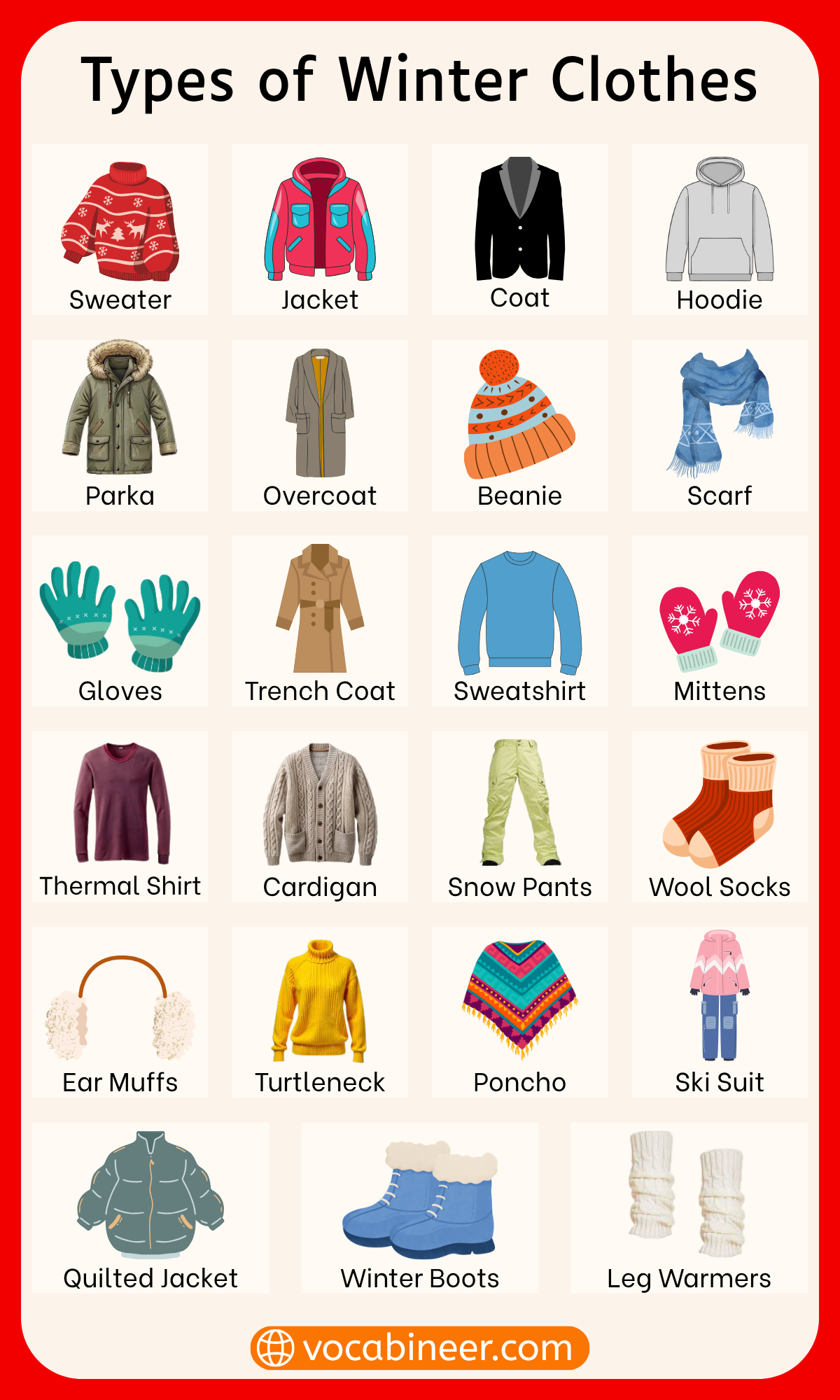
Common winter clothes names include sweater, jacket, coat, hoodie, cardigan, scarf, gloves, beanie, thermal top, and winter socks. This guide explains winter clothing vocabulary with simple meanings, picture ideas, examples, materials, layering terms, and useful comparisons.
In This Page
What Are Winter Clothes?
Winter clothes are garments made for cold weather. People wear them to keep the body warm, reduce heat loss, and stay protected during winter.
Usually, winter clothes use thick, warm, or insulated materials such as wool, fleece, down, polyester, nylon, and thermal fabric. Because cold weather can affect the head, hands, feet, chest, and legs, winter clothing includes outerwear, tops, bottoms, footwear, accessories, and inner layers.
Why Warm Clothes Are Needed in Winter
Warm clothes are needed in winter because cold temperatures can lower body heat quickly. When the body loses too much heat, people may feel uncomfortable, tired, or unsafe outdoors.
In addition, warm clothing helps block cold wind, snow, rain, and moisture. Proper winter wear also allows people to work, study, travel, and enjoy outdoor activities with more comfort.
Common Winter Clothes Names
Winter clothes help keep the body warm and comfortable in cold weather. They include thick outerwear, insulating layers, protective footwear, and accessories that reduce heat loss and help shield the body from wind, snow, and low temperatures.
Winter Coat
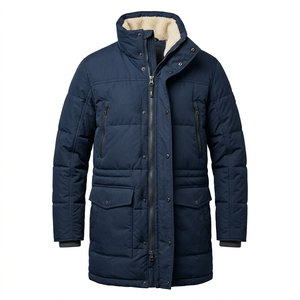
A winter coat provides strong protection against cold weather with thick fabric and warm insulation. Many styles include long sleeves, a high collar, and a lined interior that helps retain body heat.
Jacket
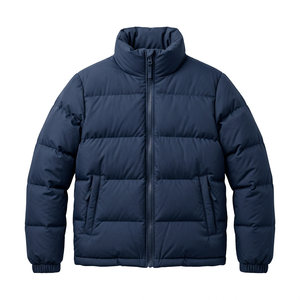
A jacket covers the upper body and adds warmth during cool or cold weather. Winter jackets often use padded insulation, fleece lining, or weather-resistant fabric for extra protection.
Puffer Jacket
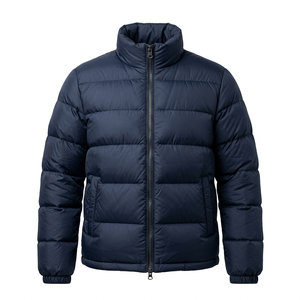
A puffer jacket uses down or synthetic filling inside padded sections to trap warm air. Its lightweight design makes it comfortable for everyday winter wear and outdoor activities.
Wool Coat
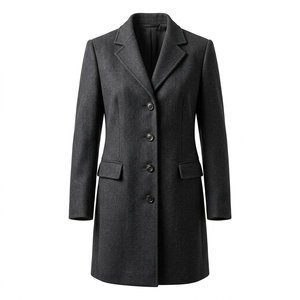
A wool coat provides warmth through dense natural fibers that help hold body heat. People often wear it for work, travel, formal occasions, and everyday winter outfits.
Sweater
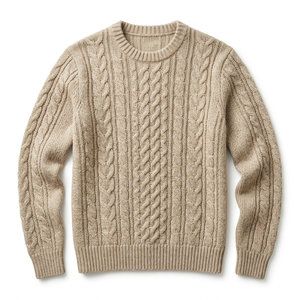
A sweater adds an insulating layer over the upper body during cold weather. Wool, cotton, acrylic, and blended fabrics give sweaters different levels of warmth and softness.
Cardigan
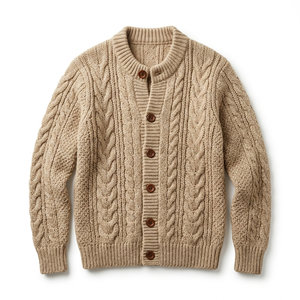
A cardigan is a knitted sweater with an open front that may include buttons or a zipper. Its flexible design makes it easy to wear over shirts, tops, and dresses.
Hoodie
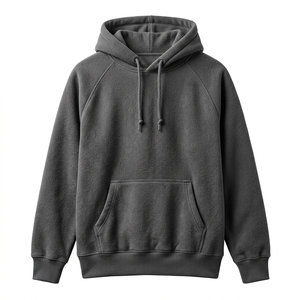
A hoodie is a casual long-sleeved top with an attached hood for extra warmth around the head and neck. Thick cotton or fleece fabric makes many hoodies suitable for layering in winter.
Turtleneck
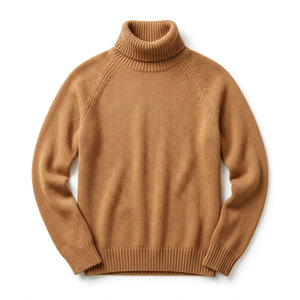
A turtleneck has a high collar that covers much of the neck and helps protect it from cold air. It works well as a warm inner layer beneath jackets, coats, or sweaters.
Thermal Shirt
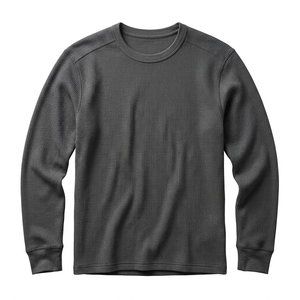
A thermal shirt fits close to the body and helps trap warm air near the skin. People usually wear it under regular clothing when temperatures become very low.
Thermal Leggings
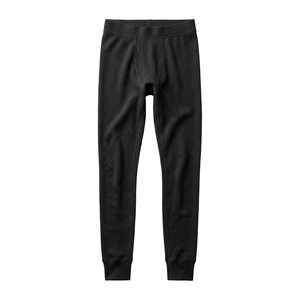
Thermal leggings provide an extra layer of warmth for the legs during cold weather. Their close fit makes them easy to wear under trousers, jeans, or other winter clothing.
Scarf
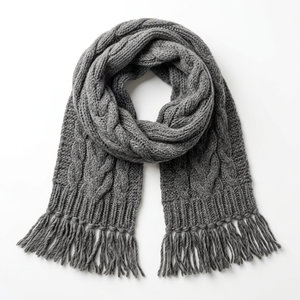
A scarf wraps around the neck to reduce exposure to cold air and wind. Wool, fleece, and knitted fabrics make scarves especially useful during chilly or snowy weather.
Beanie
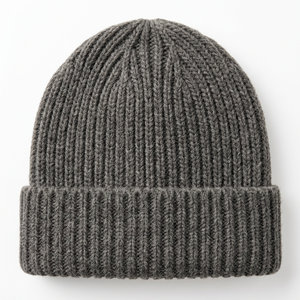
A beanie is a close-fitting knitted hat that helps keep the head and ears warm. Its soft, flexible design makes it a common choice for everyday winter wear.
Winter Hat
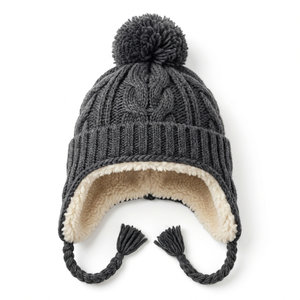
A winter hat covers the head and often the ears to help reduce heat loss in cold conditions. Many styles use wool, fleece, or insulated fabric for additional warmth.
Gloves
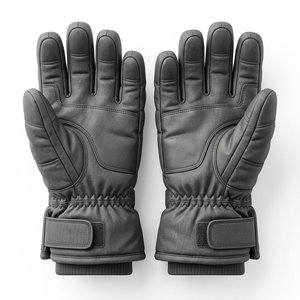
Gloves protect the hands from cold air while allowing each finger to move separately. Warm linings and weather-resistant materials make winter gloves useful for outdoor activities.
Mittens
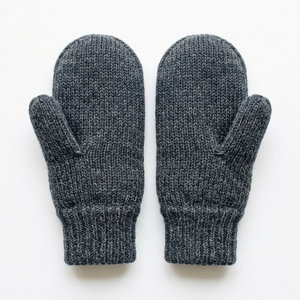
Mittens keep most of the fingers together inside one warm section while separating the thumb. This design helps the fingers share body heat and often provides more warmth than standard gloves.
Earmuffs
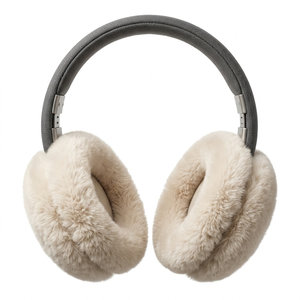
Earmuffs cover the ears with soft padded sections that protect them from cold wind. They provide focused warmth without covering the entire head.
Winter Boots
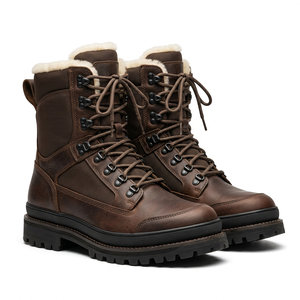
Winter boots protect the feet from cold, wet, and snowy conditions. Thick soles, insulated interiors, and water-resistant materials help keep feet warm and dry.
Wool Socks
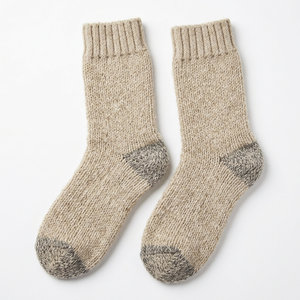
Wool socks keep the feet warm by trapping heat while also helping manage moisture. Their thick texture makes them especially useful with winter boots during cold outdoor conditions.
Snow Pants
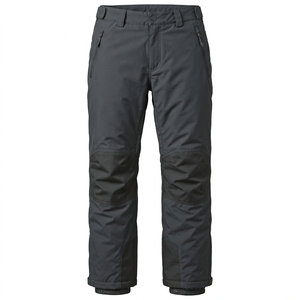
Snow pants protect the legs during snowy or freezing weather with insulated and water-resistant fabric. They are especially useful for skiing, sledding, hiking, and other outdoor winter activities.
Fleece Vest
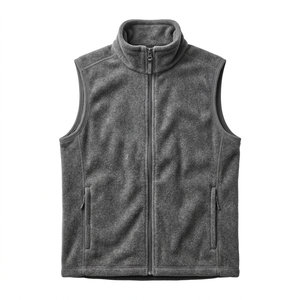
A fleece vest adds warmth around the chest and back without covering the arms. Its soft insulating fabric makes it useful as a lightweight layer under jackets or over long-sleeved clothing.
Winter Clothes Names with Meanings
Winter clothing vocabulary becomes easier when names are grouped by body area and use. The sections below explain common winter clothes, winter accessories, footwear, layers, and snow clothing with simple meanings.
Upper Body Winter Clothes
Upper body winter clothes keep the chest, arms, shoulders, and back warm. These items are often worn in layers during cold weather.
Sweater
For everyday warmth, a sweater is a knitted top worn over shirts or T-shirts. It is one of the most common winter clothing items.
Wool sweater
A wool sweater uses wool or wool-blend yarn. As a result, it gives strong warmth in cold weather.
Cardigan
A cardigan opens at the front, so it is easy to wear and remove. People often layer it over shirts or dresses.
Hoodie
A hoodie is a casual warm top with a hood. It works well for school, home, travel, and relaxed winter outfits.
Sweatshirt
A sweatshirt is a thick cotton or fleece-like top. It gives warmth and comfort in cool weather.
Pullover
A pullover is a warm top worn by pulling it over the head. It can be a sweater, hoodie, or sweatshirt style.
Turtleneck
A turtleneck has a high collar that covers the neck. Therefore, it gives extra warmth around the throat.
Thermal top
A thermal top is a close-fitting inner layer. It helps retain body heat under sweaters, jackets, or coats.
Fleece jacket
A fleece jacket is soft, light, and warm. It works well as a middle layer or casual outer layer.
Winter shirt
A winter shirt is usually thicker than a regular shirt. It may use flannel, wool blend, or warm cotton fabric.
Lower Body Winter Clothes
Lower body winter clothes keep the legs warm. People often wear them alone or over thermal layers during cold weather.
Thermal leggings
Thermal leggings are warm inner bottoms worn under pants. They help trap heat close to the legs.
Wool trousers
Wool trousers are thick pants made from wool or wool-blend fabric. They are useful for formal and cold-weather outfits.
Corduroy pants
Corduroy pants use thick ribbed fabric. Because of their texture, they feel warmer than many regular pants.
Fleece-lined pants
Fleece-lined pants have a soft warm lining inside. They are useful for very cold days.
Track pants
Track pants are comfortable pants often worn for casual winter use. Some styles include a warm lining.
Snow pants
Snow pants are waterproof or water-resistant pants made for snow. They help keep the legs dry and warm.
Winter jeans
Winter jeans are thicker jeans or denim pants with lining. They are warmer than regular jeans.
Thermal pants
Thermal pants are warm inner or outer bottoms used in cold weather. They help reduce heat loss.
Lined trousers
Lined trousers have an extra inner layer for warmth. They are useful for work, school, or formal winter outfits.
Warm leggings
Warm leggings are thicker leggings made for cold weather. They are often worn under dresses, skirts, or long sweaters.
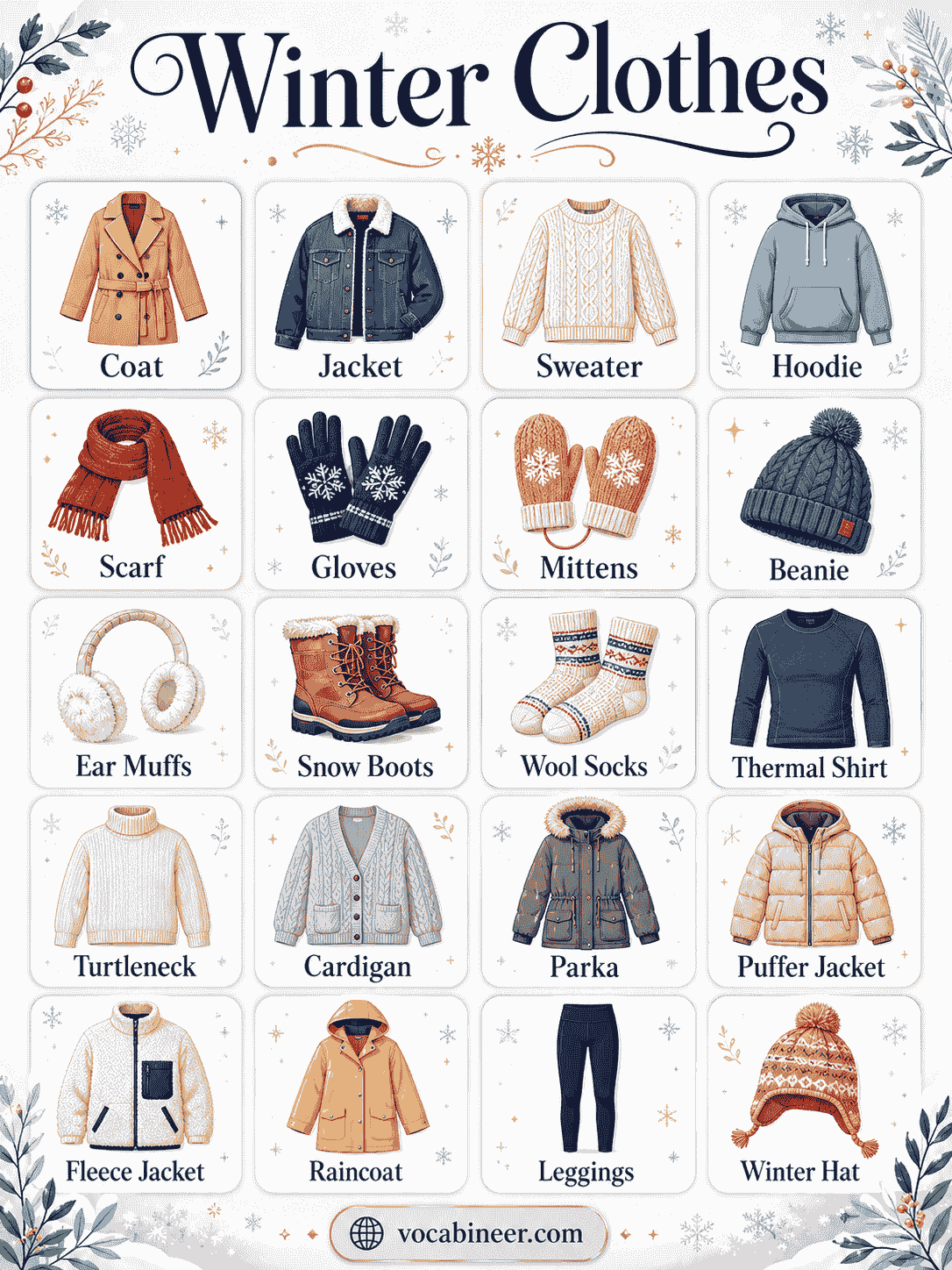
Heavy Coats and Jackets
Heavy coats and jackets work as outer layers. They protect the body from strong cold, wind, snow, and rain.
Puffer jacket
A puffer jacket has padded sections filled with insulation. As a result, it traps warmth in cold weather.
Down jacket
A down jacket uses down filling or similar insulation. It feels warm, light, and useful in low temperatures.
Parka
A parka is a long warm coat often used in very cold weather. Many parkas include a hood and thick lining.
Overcoat
An overcoat is a long formal coat worn over regular clothes. It is common for office wear and winter formal outfits.
Trench coat
A trench coat is a long coat with a classic belted design. Some trench coats work well in cool or rainy weather.
Wool coat
A wool coat uses wool or wool-blend fabric. It gives warmth and often looks smart or formal.
Padded coat
A padded coat has extra filling inside. It gives more warmth than a thin coat.
Quilted jacket
A quilted jacket has stitched padded sections. It gives warmth while keeping a neat design.
Fur-lined coat
A fur-lined coat has a fur or faux-fur lining for extra warmth. It is useful in very cold weather.
Windproof jacket
A windproof jacket helps block cold air and strong wind. It is useful for outdoor movement in winter.
Thermal and Layered Winter Wear
Layering helps people stay warm by wearing more than one clothing layer. Each layer has a different purpose.
Base layer
A base layer is the first layer worn next to the skin. It helps keep warmth close to the body.
Mid layer
A mid layer adds insulation between the base layer and outer layer. Sweaters, fleece tops, and hoodies can work as mid layers.
Outer layer
An outer layer protects the body from wind, rain, snow, or cold air. Coats and jackets often work as outer layers.
Thermal innerwear
Thermal innerwear includes warm tops and bottoms worn under regular clothes. It helps keep the body warm in cold weather.
Thermal set
A thermal set usually includes a thermal top and thermal bottoms. It is useful for cold mornings, travel, and outdoor wear.
Insulated jacket
An insulated jacket has filling that traps body warmth. It is useful in cold climates.
Insulated vest
An insulated vest keeps the chest warm while leaving the arms free. It is useful for layering and outdoor activities.
Quilted vest
A quilted vest is a sleeveless padded layer. It adds warmth without too much weight.
Thermal base wear
Thermal base wear is worn under clothing to reduce heat loss. It is useful for cold regions and outdoor work.
Waterproof outer layer
A waterproof outer layer helps keep moisture out. It is useful in rain, snow, or wet winter conditions.
Winter Accessories
Winter accessories protect body parts that lose heat quickly, such as the head, neck, hands, and ears.
Scarf
A scarf is worn around the neck for warmth. It helps protect the throat from cold air.
Gloves
Gloves cover each finger separately. They keep the hands warm while allowing better finger movement.
Mittens
Mittens keep the fingers together inside one section. Because of this design, they often feel warmer than gloves.
Beanie
A beanie is a warm knitted cap. It covers the head and sometimes the ears.
Ear muffs
Ear muffs cover the ears and protect them from cold wind. They are useful in very cold weather.
Winter hat
A winter hat is any warm hat made for cold weather. It may be knitted, fleece-lined, or insulated.
Neck warmer
A neck warmer is a tube-shaped accessory worn around the neck. It gives warmth without loose scarf ends.
Hand warmers
Hand warmers are small warming items kept in pockets or gloves. They help warm the hands outdoors.
Leg warmers
Leg warmers cover the lower legs for extra warmth. They are often worn over leggings or tights.
Thermal cap
A thermal cap is a warm cap made to retain heat. It is useful for outdoor winter activities.
Winter Footwear
Cold-weather footwear keeps the feet warm, dry, and protected from cold ground, rain, and snow.
Winter boots
These insulated boots are made for cold weather. They help keep the feet warm outdoors.
Snow boots
Snow boots are waterproof or water-resistant boots made for snow. They also give grip on snowy ground.
Leather boots
Leather boots are durable boots that can protect the feet in cold weather. Some styles include warm lining.
Insulated boots
Insulated boots have warm material inside. They are useful in very cold temperatures.
Fleece-lined shoes
Fleece-lined shoes have soft warm lining. They feel comfortable in cool or cold weather.
Wool socks
Wool socks are thick socks that help retain heat. They are useful with boots in winter.
Thermal socks
Thermal socks are designed for low temperatures. They help keep the feet warmer than regular socks.
Snow socks
Snow socks are thick socks used in snowy or freezing weather. They work well with snow boots.
Waterproof boots
Waterproof boots help keep the feet dry in rain or snow. They are useful for wet winter conditions.
Ankle boots
Ankle boots cover the foot and ankle. In winter, lined ankle boots can give warmth and style.
Clothes for Snow and Extreme Cold
Snow and extreme cold clothing gives stronger protection than regular winter wear. These items are useful in snowy regions, freezing temperatures, winter travel, and outdoor work.
Snow suit
A snow suit is a full-body outfit made for snow and extreme cold. It gives strong coverage and warmth.
Snow jacket
A snow jacket protects the upper body from snow, wind, and cold. It is often waterproof or insulated.
Snow pants
Snow pants protect the legs from snow and moisture. They are useful for snow play, skiing, and winter travel.
Insulated parka
An insulated parka is a heavy coat made for very low temperatures. It often includes a hood and thick lining.
Ski jacket
A ski jacket protects the body during skiing and snow sports. It usually blocks wind, snow, and moisture.
Ski pants
Ski pants protect the legs during skiing and snow activities. They are often waterproof and insulated.
Balaclava
A balaclava covers the head, neck, and part of the face. It is useful in extreme cold and windy weather.
Thermal suit
A thermal suit is a warm outfit designed to retain body heat. It is useful in very cold outdoor conditions.
Waterproof coat
A waterproof coat helps block rain and snow. It keeps outer clothing drier in wet winter weather.
Heavy winter coat
A heavy winter coat gives strong warmth in freezing temperatures. It usually uses thick fabric, padding, or insulation.
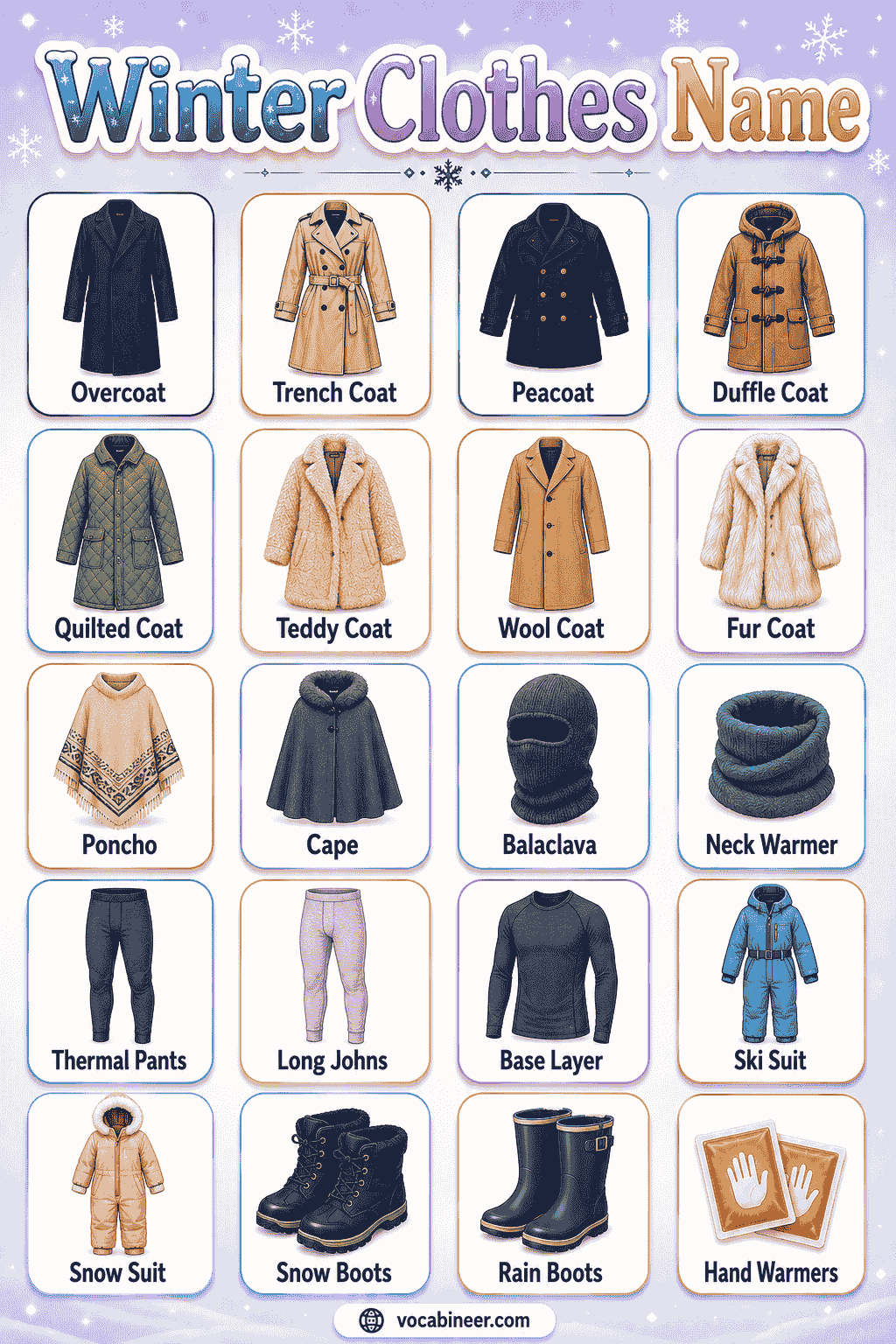
Winter Clothes by Material
Winter clothing materials affect warmth, comfort, weight, and weather protection. In addition, material words help learners understand why some winter clothes feel soft, thick, light, or insulated.
Wool Winter Clothes
Wool is a common winter material because it helps keep the body warm. It works well in sweaters, coats, scarves, trousers, and socks.
Common wool winter clothes include:
- Wool sweater — a warm knitted top made from wool
- Wool coat — a warm coat made from wool or wool-blend fabric
- Wool scarf — a neck accessory that helps keep warmth around the throat
- Wool socks — thick socks that help keep the feet warm
- Wool trousers — warm trousers used in cold weather or formal outfits
Fleece Winter Clothes
Fleece is soft, light, and warm. It is often used in casual winter clothing and layering pieces.
Common fleece winter clothes include:
- Fleece jacket — a soft jacket used for warmth and layering
- Fleece top — a warm top made from fleece fabric
- Fleece-lined pants — pants with a soft warm lining
- Fleece-lined shoes — shoes with warm fleece inside
- Fleece hoodie — a casual hoodie made from warm fleece material
Insulated and Synthetic Winter Clothes
Synthetic and insulated materials are common in modern winter clothing. They can feel light, warm, durable, and quick to dry.
Common insulated and synthetic winter clothes include:
- Polyester jacket — a lightweight jacket that dries quickly
- Nylon outerwear — wind-resistant outerwear used in jackets and coats
- Acrylic sweater — a wool-like sweater made from synthetic fibers
- Insulated jacket — a jacket with filling that traps warmth
- Padded coat — a coat with extra filling for warmth
Winter Clothes for Men
Men’s winter clothes usually focus on warmth, comfort, layering, and daily use. For example, some items work well for office outfits, while others suit travel, outdoor work, or casual wear.
Common winter clothes for men include:
- Wool sweater
- Men’s jacket
- Puffer coat
- Thermal vest
- Wool trousers
- Winter hoodie
- Overcoat
- Parka
- Scarf
- Gloves
- Beanie
- Winter boots
Winter Clothes for Women
Women’s winter clothes include warm, comfortable, formal, casual, and stylish items. Also, many women’s winter outfits use layers, coats, sweaters, boots, scarves, and thermal wear.
Common winter clothes for women include:
- Long coat
- Cardigan
- Wool dress
- Thermal leggings
- Shawl
- Padded jacket
- Wool sweater
- Fleece jacket
- Winter boots
- Scarf
- Gloves
- Beanie
Winter Clothes for Children
Children need winter clothes that feel warm, soft, comfortable, and easy to move in. Therefore, simple layers and protective outerwear are important for school, travel, and outdoor play.
Common winter clothes for children include:
- Kids’ winter jacket
- Sweater
- Thermal set
- Hooded coat
- Snow suit
- Hoodie
- Winter socks
- Gloves
- Mittens
- Beanie
- Snow boots
- Scarf
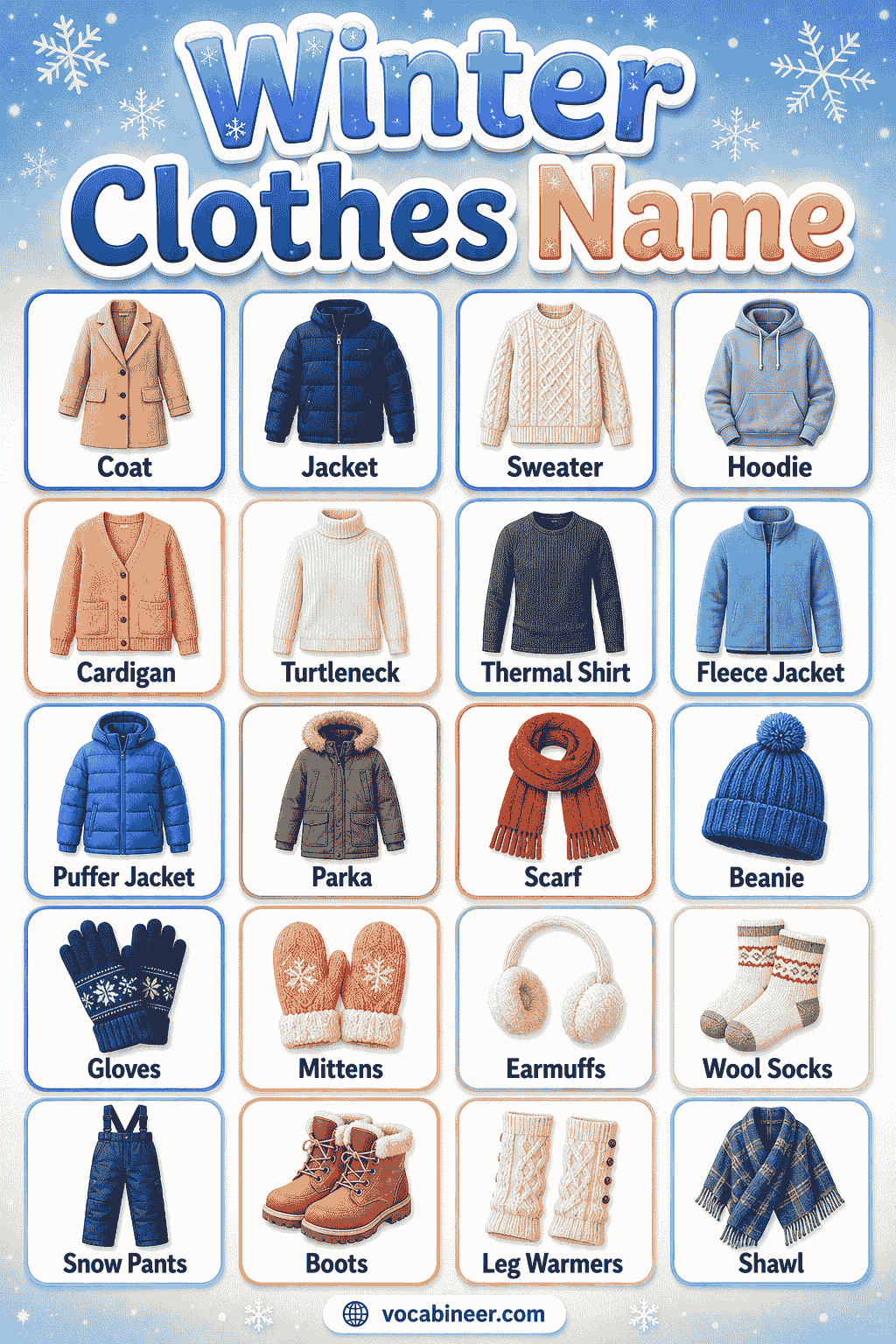
Winter Clothes Names Chart with Pictures
A winter clothes picture chart helps learners connect clothing words with real items. It is useful for students, kids, ESL learners, worksheets, classroom lessons, and vocabulary practice.
Picture chart ideas:
- Upper body clothes: sweater, hoodie, thermal top
- Outerwear: jacket, coat, parka
- Lower body clothes: thermal leggings, wool trousers, snow pants
- Accessories: scarf, gloves, beanie
- Footwear: winter boots, snow boots, wool socks
- Snow clothes: snow suit, ski jacket, ski pants
Difference Between Common Winter Clothing Terms
Some winter clothing words look similar, but they do not mean exactly the same thing.
| Comparison | Main Difference |
|---|---|
| Coat vs jacket | A coat is usually longer and warmer; a jacket is usually shorter and lighter. |
| Sweater vs pullover | A pullover is worn over the head; a sweater can be a pullover or cardigan style. |
| Hoodie vs sweatshirt | A hoodie has a hood; a sweatshirt usually does not. |
| Gloves vs mittens | Gloves cover each finger separately; mittens keep fingers together for warmth. |
| Thermal wear vs insulated wear | Thermal wear is usually an inner layer; insulated wear usually has filling or padding for warmth. |
| Snow boots vs winter boots | Snow boots are made for snow and moisture; winter boots are made for general cold weather. |
Winter Clothing Compared to Regular Clothing
Winter clothing and regular clothing serve different purposes. During cold seasons, warm clothing helps protect the body from low temperatures, wind, rain, and snow. Regular clothing, however, is usually lighter and works better in mild or warm weather.
| Aspect | Winter Clothing | Regular Clothing |
|---|---|---|
| Purpose | Protects the body from cold | Provides comfort in mild weather |
| Fabric thickness | Thick, warm, or insulated | Thin or lightweight |
| Layering | Often worn in layers | Usually worn alone |
| Warmth level | High warmth | Low to medium warmth |
| Weather protection | Helps block cold, wind, rain, or snow | Gives little cold-weather protection |
| Common materials | Wool, fleece, down, insulated fabrics | Cotton, linen, light blends |
| Examples | Coats, sweaters, thermals, gloves | T-shirts, shirts, light pants |
| Season | Winter and cold weather | Mild or warm weather |
Common Mistakes When Learning Winter Clothes Names
Learners often confuse winter clothing words because many items are warm, thick, or layered. However, each word has its own meaning.
Common mistakes include:
- Calling every outerwear item a coat
- Confusing coat and jacket
- Using hoodie and sweatshirt as the same word
- Confusing gloves and mittens
- Calling every warm top a sweater
- Using thermal and insulated as the same word
- Forgetting that some winter words describe layers, materials, or accessories
How to Choose Warm Winter Clothes
Choosing warm winter clothes becomes easier when you think about weather, activity, material, and layering.
Helpful points:
- Choose thermal innerwear for very cold days.
- Choose a sweater, hoodie, or fleece jacket for daily warmth.
- Choose a puffer jacket, parka, or heavy winter coat for freezing weather.
- Choose snow pants and snow boots for snowy areas.
- Choose wool socks or thermal socks to keep feet warm.
- Choose gloves, mittens, and a beanie for outdoor winter protection.
- Choose a waterproof outer layer for rain or snow.
- Choose layers so you can adjust your clothing when the temperature changes.
How to Learn Winter Clothes Names Easily
Winter clothing vocabulary becomes easier when learners group words by body area, use, material, and weather. In addition, pictures can make each winter clothing word easier to remember.
Helpful learning tips:
- Start with common words like sweater, jacket, coat, scarf, and gloves.
- Match each winter clothing word with a picture.
- Group words into tops, bottoms, outerwear, accessories, and footwear.
- Learn material words such as wool, fleece, down, nylon, and thermal fabric.
- Practice simple sentences like “He is wearing a sweater” or “She bought a winter coat.”
- Compare similar words, such as coat vs jacket or gloves vs mittens.
- Review winter clothing words before travel, school lessons, or cold-weather shopping.
FAQs
Common winter clothes names include sweater, jacket, coat, hoodie, cardigan, scarf, gloves, beanie, thermal top, and winter socks.
Sweaters, coats, jackets, thermal wear, scarves, gloves, beanies, winter socks, and winter boots are useful clothes for winter.
Layering is important because it helps trap body heat and allows people to adjust clothing when the temperature changes.
A coat is usually longer and warmer than a jacket. A jacket is usually shorter, lighter, and easier to wear in mild cold weather.
Winter accessories include scarves, gloves, mittens, beanies, ear muffs, neck warmers, wool socks, and thermal caps.
Read More
- 100 Clothes Names in English
- Types of Jeans for Women
- Different Types of Hats Name
- Types of Coats in English
- Different Types of Jackets
- Different Types of Trousers
