

Road signs are visual signs placed on roads, streets, highways, and crossings to guide drivers, cyclists, pedestrians, and other road users. They help control traffic, warn about danger, give directions, show restrictions, and improve road safety.
There are many types of road signs, and each sign usually has a specific color, shape, symbol, or written message. This guide explains common road signs with names, simple meanings, major sign groups, confusing signs, and picture metadata for a clear visual road safety article.
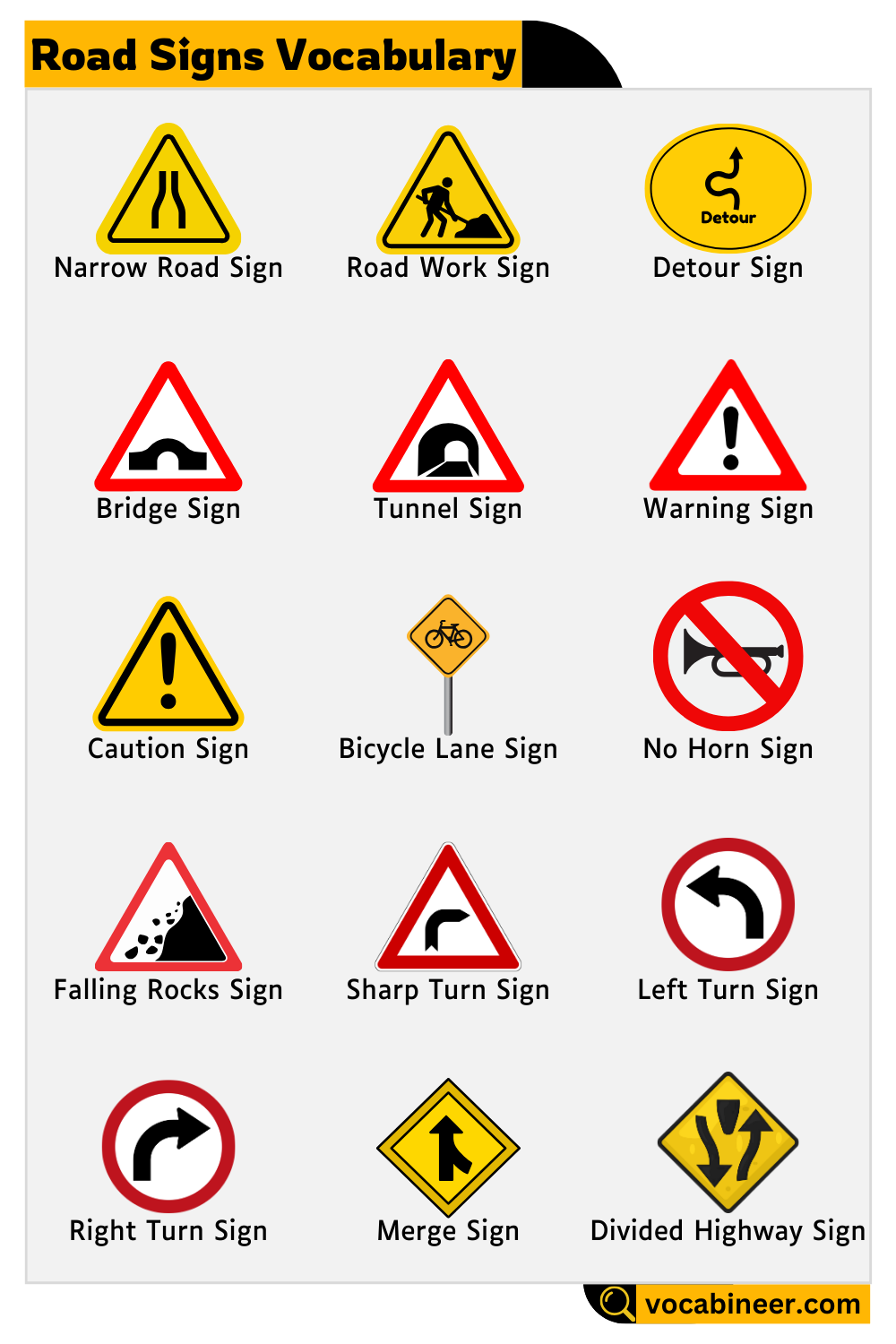
In This Page
What are Road Signs?
Road signs are symbols or boards placed along roads to guide, warn, or inform drivers and pedestrians. They follow universal shapes, colors, and pictures to make meanings clear even without words. Every country follows a standard set of road signs to help people travel safely and avoid accidents.
Common Road Signs and Their Meanings
Road signs help people understand road rules quickly while driving, walking, or cycling. These common road sign names are useful for beginners, driving-test learners, students, and anyone who wants to understand traffic signs better.
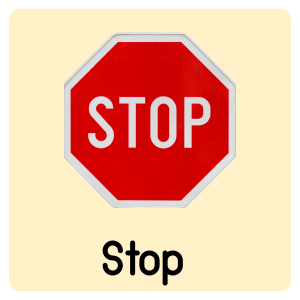
- Stop Sign – Instructs drivers to come to a complete stop.
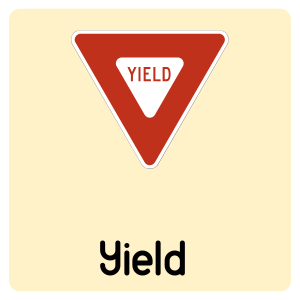
- Yield Sign – Tells drivers to give way to other vehicles or pedestrians.
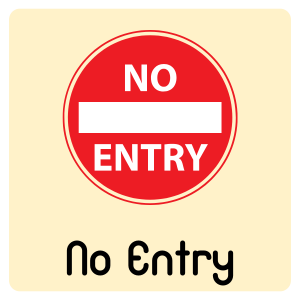
- No Entry – Prohibits vehicles from entering a particular road.
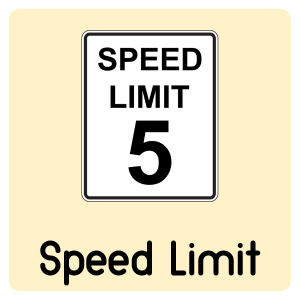
- Speed Limit – Indicates the maximum (or minimum) speed allowed.
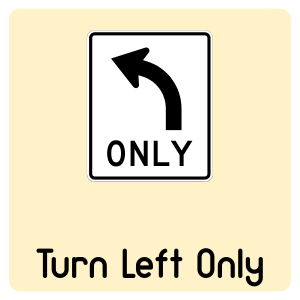
- Turn Left Only – Instructs drivers that only a left turn is permitted at the intersection ahead.
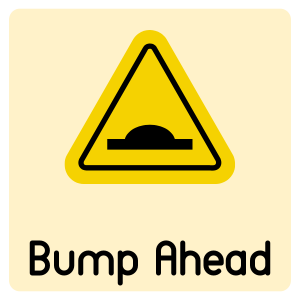
- Bump Ahead – Alerts drivers to a speed bump or uneven surface ahead, requiring slower speed.
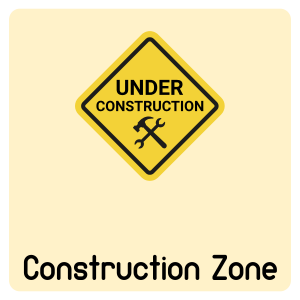
- Construction Zone – Warns of roadwork or construction ahead, requiring drivers to slow down and follow directions.
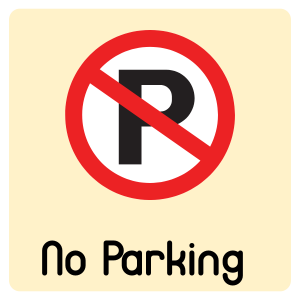
- No Parking – Prohibits stopping or parking in the marked area.
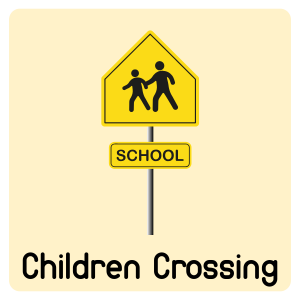
- Children Crossing – Alerts drivers of children crossing ahead.
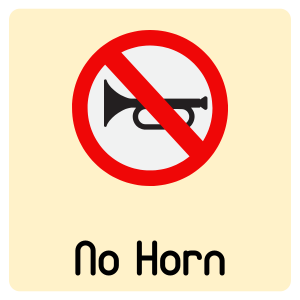
- No Horn – Indicates that honking is not allowed, usually near schools, hospitals, or quiet zones.
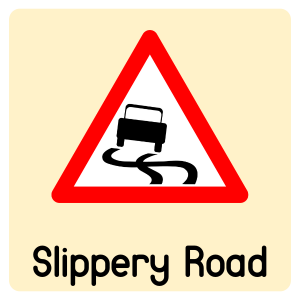
- Slippery Road – Indicates the road may be slippery when wet.
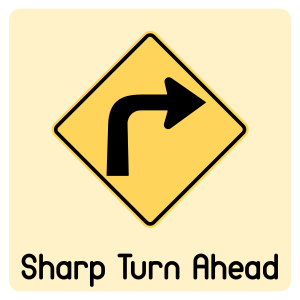
- Sharp Turn Ahead – Alerts drivers to prepare for a sharp curve.
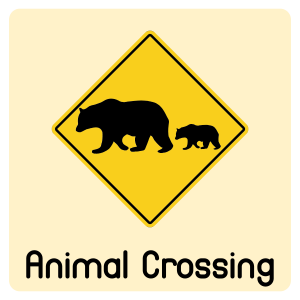
- Animal Crossing – Warns about possible animals crossing the road.
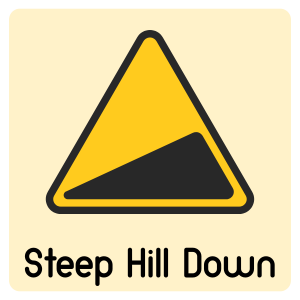
- Steep Hill Down – Alerts drivers of a steep downhill slope ahead, advising lower gear and careful braking.
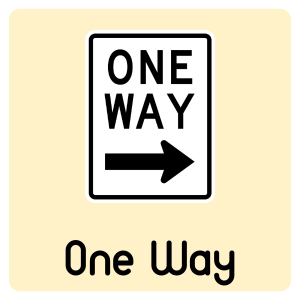
- One Way – Tells drivers the street flows only in one direction.
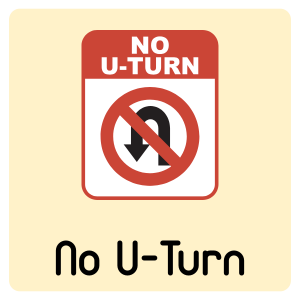
- No U-Turn – Forbids making a U-turn.
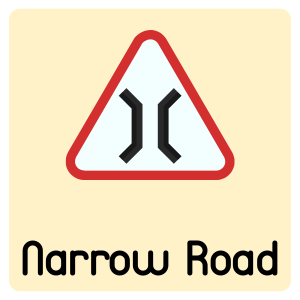
- Narrow Road – Warns that the road ahead becomes narrow, requiring extra caution.
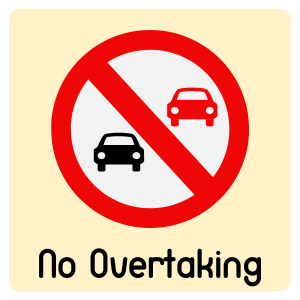
- No Overtaking – Informs drivers that overtaking other vehicles is strictly prohibited in this area.
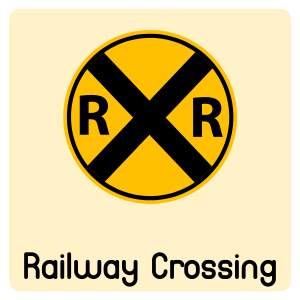
- Railroad Crossing – Warns of an upcoming railway crossing.
Warning Road Signs
Warning road signs alert road users about possible danger ahead. They help drivers slow down, prepare early, and avoid accidents.
- Curve Ahead Sign — warns that the road bends ahead.
- Sharp Turn Sign — warns about a strong left or right turn.
- Steep Hill Sign — warns that the road goes sharply uphill or downhill.
- Slippery Road Sign — warns that the road surface may be slippery.
- Uneven Road Sign — warns that the road surface is rough or uneven.
- Road Narrows Sign — warns that the road becomes narrower ahead.
- Two-Way Traffic Sign — warns that traffic moves in both directions.
- Traffic Lights Ahead Sign — warns that traffic signals are ahead.
- Pedestrian Crossing Ahead Sign — warns drivers to watch for people crossing.
- Animal Crossing Sign — warns that animals may cross the road.
Order and Restriction Road Signs
Order and restriction road signs tell road users what they must do or must not do. These signs are important because they control traffic flow and help prevent unsafe driving.
- Stop Sign — drivers must stop completely.
- Give Way Sign — drivers must allow other traffic to pass first.
- No Entry Sign — vehicles must not enter.
- No U-Turn Sign — drivers must not make a U-turn.
- No Left Turn Sign — drivers must not turn left.
- No Right Turn Sign — drivers must not turn right.
- No Overtaking Sign — drivers must not pass another vehicle.
- No Horn Sign — drivers must not use the horn in that area.
- Turn Left Sign — drivers must turn left.
- Turn Right Sign — drivers must turn right.
Speed and Lane Control Signs
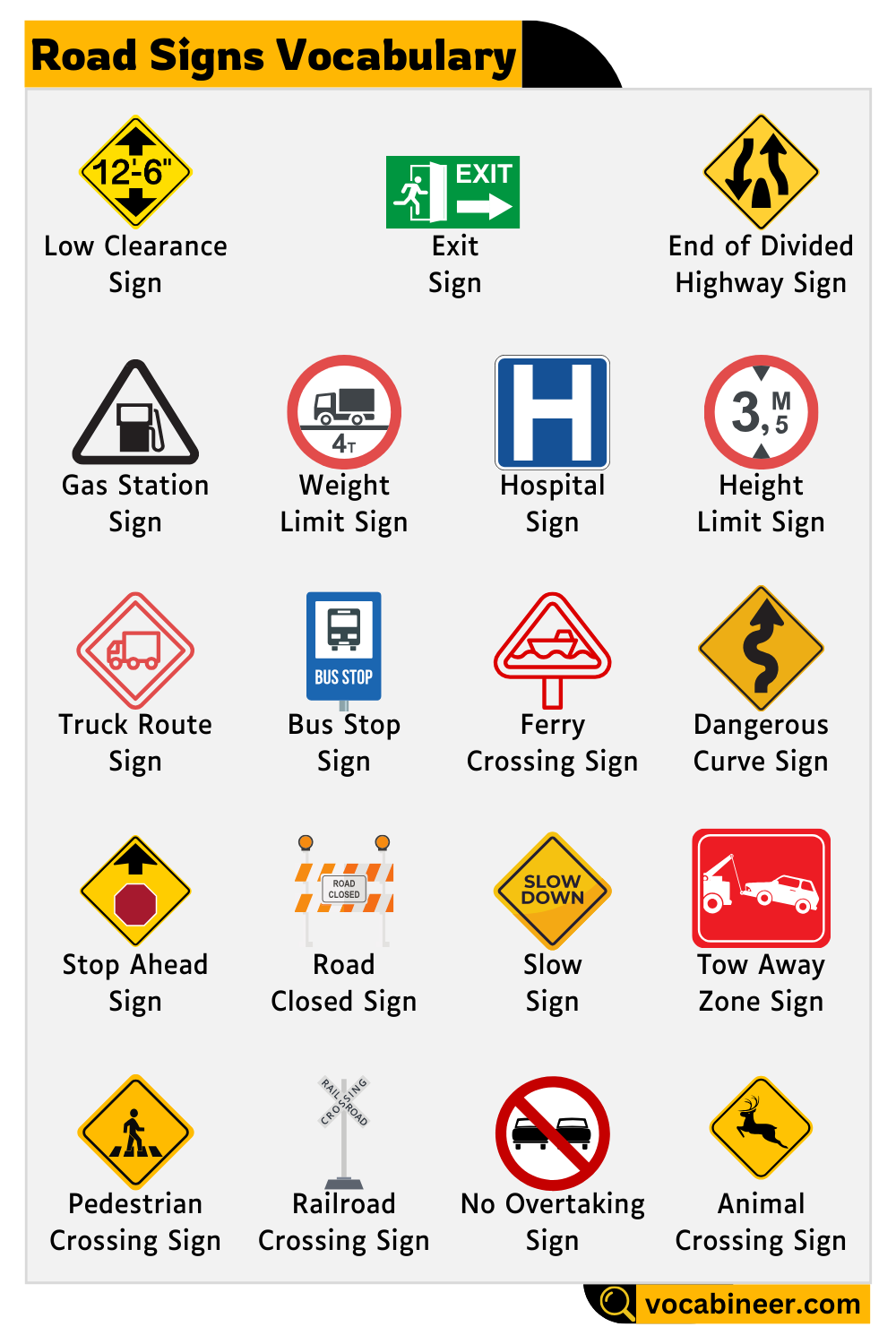
Speed and lane control signs help drivers move safely in the correct lane and at the correct speed. They are especially useful on highways, busy roads, intersections, and multi-lane streets.
- Speed Limit Sign — shows the maximum speed allowed.
- Minimum Speed Sign — shows the lowest speed vehicles should maintain.
- End of Speed Limit Sign — shows that a speed restriction has ended.
- Lane Ends Sign — warns that one lane will end soon.
- Merge Sign — tells drivers that traffic lanes join together ahead.
- Keep Left Sign — tells drivers to stay or pass on the left side.
- Keep Right Sign — tells drivers to stay or pass on the right side.
- Left Turn Only Sign — shows that traffic in that lane must turn left.
- Right Turn Only Sign — shows that traffic in that lane must turn right.
- Two-Way Traffic Sign — warns that traffic flows in both directions.
Parking and Stopping Signs
Parking and stopping signs tell drivers where they can park, wait, stop, or load goods. These signs help keep roads clear and reduce traffic problems.
- No Parking Sign — drivers must not park in that area.
- No Stopping Sign — drivers must not stop there, even for a short time.
- Parking Sign — shows a place where parking is allowed.
- Disabled Parking Sign — shows parking reserved for disabled drivers or passengers.
- Loading Zone Sign — shows an area for loading or unloading goods.
- Bus Stop Sign — shows where buses stop for passengers.
- Taxi Stand Sign — shows where taxis can wait for passengers.
- Tow Away Zone Sign — warns that parked vehicles may be removed.
- Time-Limited Parking Sign — shows how long parking is allowed.
- Paid Parking Sign — shows that payment is required to park.
Guide and Direction Road Signs
Guide and direction road signs help drivers find places, routes, exits, and destinations. They are common on highways, city roads, roundabouts, and junctions.
- Direction Sign — shows the direction to a place or road.
- Route Sign — identifies a road, route, or highway number.
- Destination Sign — shows names of towns, cities, or important places.
- Distance Sign — shows how far a place is from the current road.
- Exit Sign — shows where to leave a highway or main road.
- Street Name Sign — shows the name of a street or road.
- Lane Direction Sign — tells drivers which lane leads to which direction.
- Motorway Sign — shows directions or information for a motorway.
- Detour Sign — shows an alternate route.
- Airport Direction Sign — guides road users toward an airport.
Information and Service Road Signs
Information and service road signs help road users find useful places and facilities. These signs are often seen near highways, towns, tourist areas, and public service locations.
- Hospital Sign — shows the direction or location of a hospital.
- Fuel Station Sign — shows where drivers can find fuel.
- Rest Area Sign — shows a place where travelers can stop and rest.
- Bus Stop Sign — helps passengers find where buses stop.
- Taxi Stand Sign — shows where passengers can find taxis.
- Emergency Phone Sign — shows where an emergency phone is available.
- Police Station Sign — shows the direction or location of a police station.
- First Aid Sign — shows where medical help may be available.
- Service Area Sign — shows a place with fuel, food, toilets, or rest facilities.
- Tourist Information Sign — shows tourist help or local attraction information.
Road Work and Construction Signs
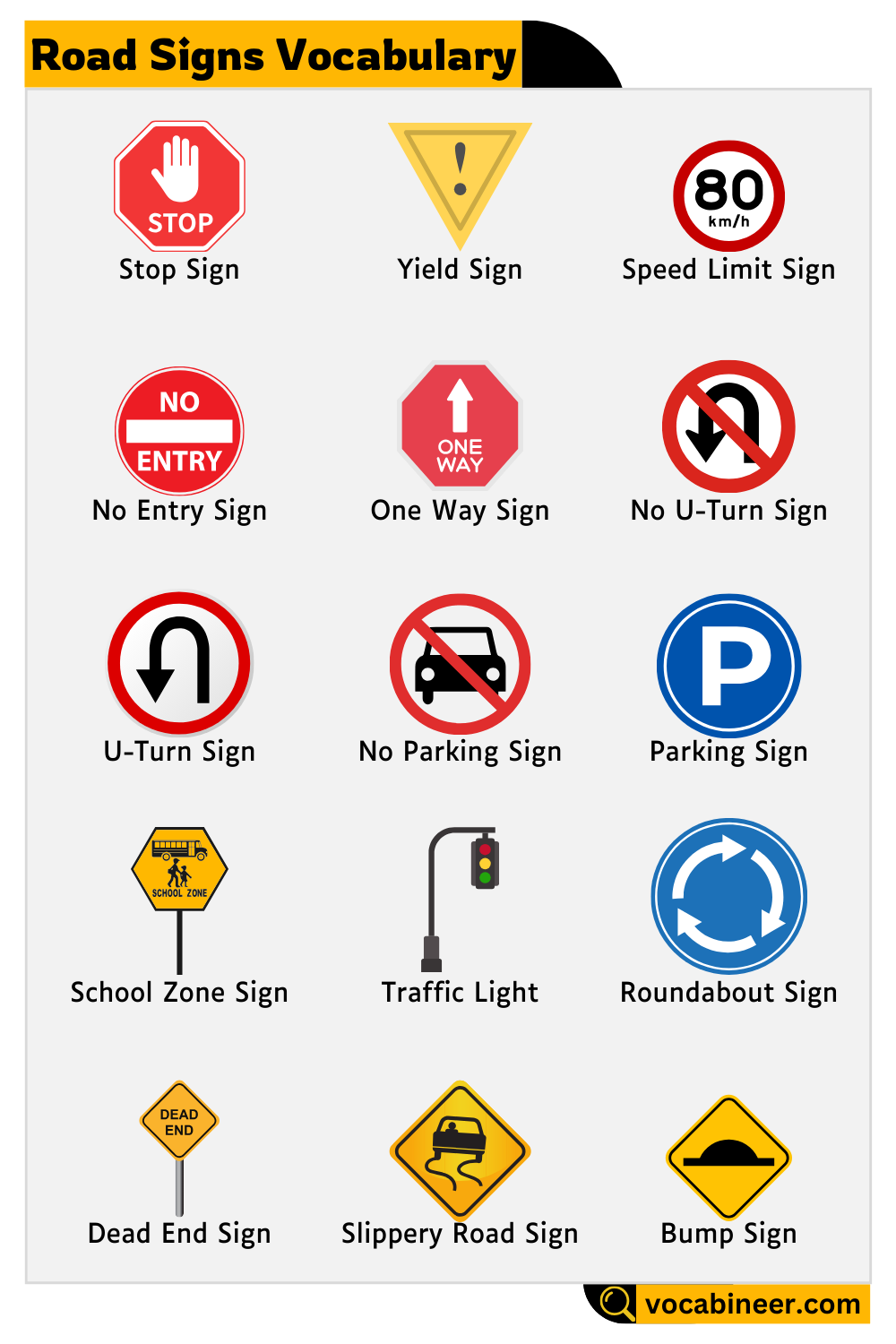
Road work and construction signs warn drivers about repairs, workers, temporary lanes, detours, and unsafe road conditions. These signs are often temporary and need extra attention.
- Road Work Sign — warns that road repair or construction is ahead.
- Men at Work Sign — warns that workers are on or near the road.
- Construction Ahead Sign — warns drivers about a construction zone.
- Detour Sign — shows a temporary alternate route.
- Lane Closed Sign — warns that one or more lanes are closed.
- Temporary Traffic Lights Sign — warns that temporary signals control traffic.
- Loose Gravel Sign — warns that loose stones are on the road.
- Road Closed Sign — tells drivers that the road is not open.
- Slow Sign — tells drivers to reduce speed.
- Flagger Ahead Sign — warns that a worker may control traffic ahead.
Pedestrian and School Zone Signs
Pedestrian and school zone signs protect people who walk near roads, especially children. These signs tell drivers to slow down, watch carefully, and give way when needed.
- Pedestrian Crossing Sign — shows a place where people may cross the road.
- Zebra Crossing Sign — marks a crossing area for pedestrians.
- Children Crossing Sign — warns that children may cross nearby.
- School Zone Sign — warns drivers that a school area is nearby.
- School Crossing Sign — shows a crossing used by school children.
- Crosswalk Sign — shows a marked pedestrian crossing.
- No Pedestrian Sign — tells people not to walk in that area.
- Walking Path Sign — shows a path for pedestrians.
- Playground Ahead Sign — warns that children may be nearby.
- Pedestrian Priority Sign — shows an area where pedestrians have priority.
Bicycle and Railway Signs
Bicycle and railway signs warn road users about cyclists, cycle lanes, railway tracks, and train crossings. These signs help prevent collisions in shared or crossing areas.
- Bicycle Lane Sign — shows a lane reserved for bicycles.
- Cycle Crossing Sign — warns that cyclists may cross the road.
- No Cycling Sign — tells cyclists that cycling is not allowed.
- Shared Path Sign — shows a path used by pedestrians and cyclists.
- Railway Crossing Sign — warns that railway tracks cross the road.
- Level Crossing Sign — warns of a road crossing at railway track level.
- Train Crossing Sign — warns that trains may pass through the crossing.
- Tram Crossing Sign — warns that tram tracks cross or run near the road.
- Railway Gate Sign — warns about a gated railway crossing.
- No Vehicles on Tracks Sign — warns drivers not to stop on railway tracks.
Road Sign Colors and Shapes
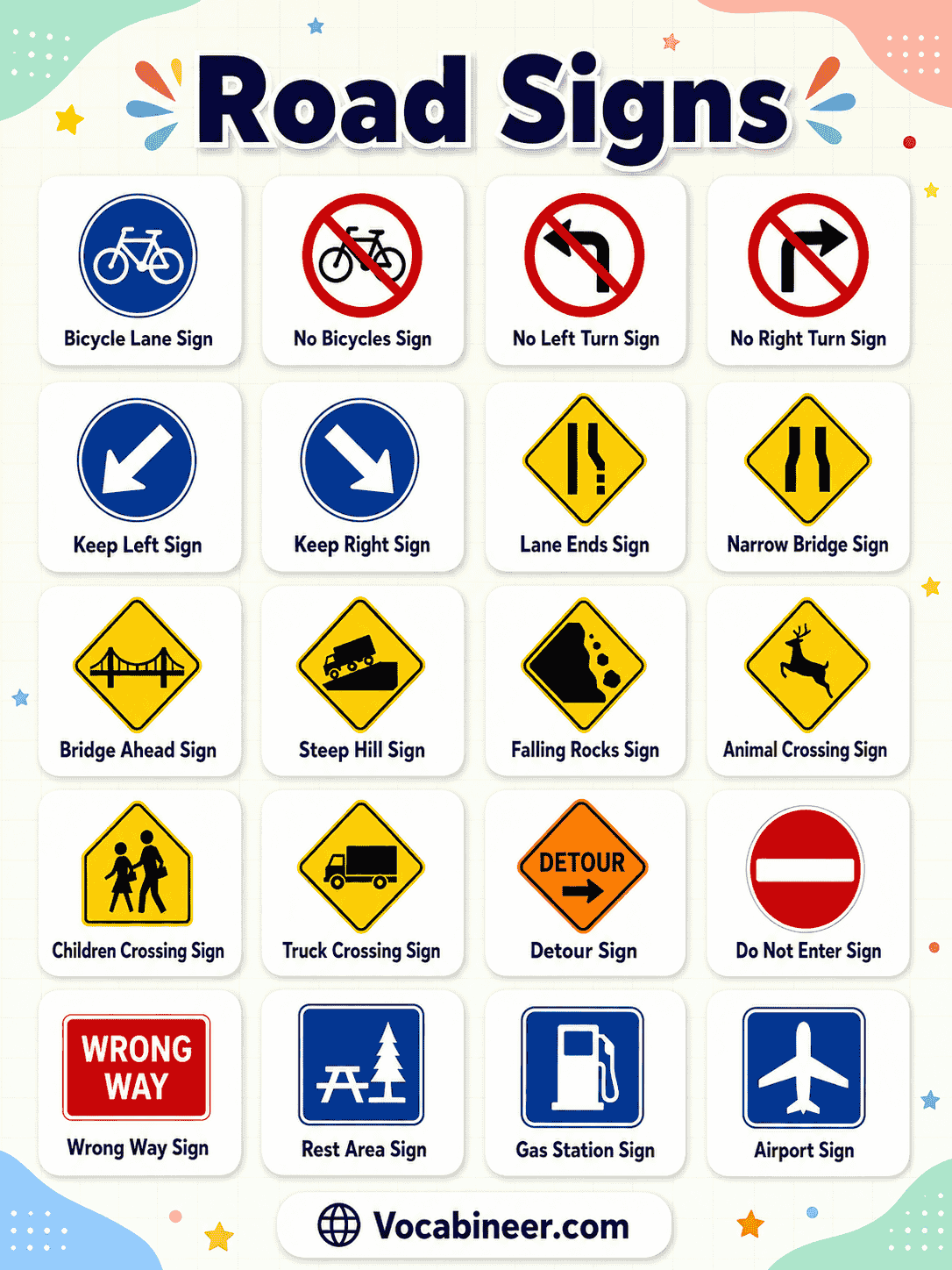
Road sign colors and shapes help people understand signs quickly, even before reading words or symbols. However, exact designs can vary by country, so drivers should follow the rules used in their local traffic system.
| Color or Shape | Common Meaning |
|---|---|
| Red Signs | Often show stopping, danger, or restrictions. |
| Blue Signs | Often show mandatory actions, services, or information. |
| Yellow Signs | Often warn about hazards or road conditions. |
| Green Signs | Often show directions, routes, or exits. |
| Brown Signs | Often show tourist places or recreational areas. |
| White Signs | Often show rules, limits, or local information. |
| Octagon Shape | Usually linked with stop signs. |
| Triangle Shape | Often used for warnings or give way signs. |
| Circle Shape | Often used for rules, orders, or restrictions. |
| Rectangle Shape | Often used for information, services, or directions. |
Confusing Road Signs Explained
| Road Sign Terms | Difference |
|---|---|
| Stop sign vs Give way sign | A stop sign requires a full stop, while a give way sign means slow down and let other traffic pass first. |
| No parking vs No stopping | No parking means you cannot leave the vehicle there, while no stopping means you should not stop there at all. |
| No entry vs One way | No entry blocks vehicles from entering, while one way shows the allowed direction of traffic. |
| Speed limit vs Minimum speed | A speed limit shows the highest allowed speed, while minimum speed shows the lowest required speed. |
| Pedestrian crossing vs School crossing | A pedestrian crossing is for all walkers, while a school crossing is mainly for children near schools. |
| Road narrows vs Narrow bridge | Road narrows means the road becomes smaller, while narrow bridge means the bridge ahead has limited width. |
| Slippery road vs Uneven road | Slippery road warns about reduced grip, while uneven road warns about a rough surface. |
| Roundabout ahead vs Mandatory roundabout | Roundabout ahead warns that a roundabout is coming, while mandatory roundabout tells drivers to follow the roundabout direction. |
Road Signs Chart with Pictures
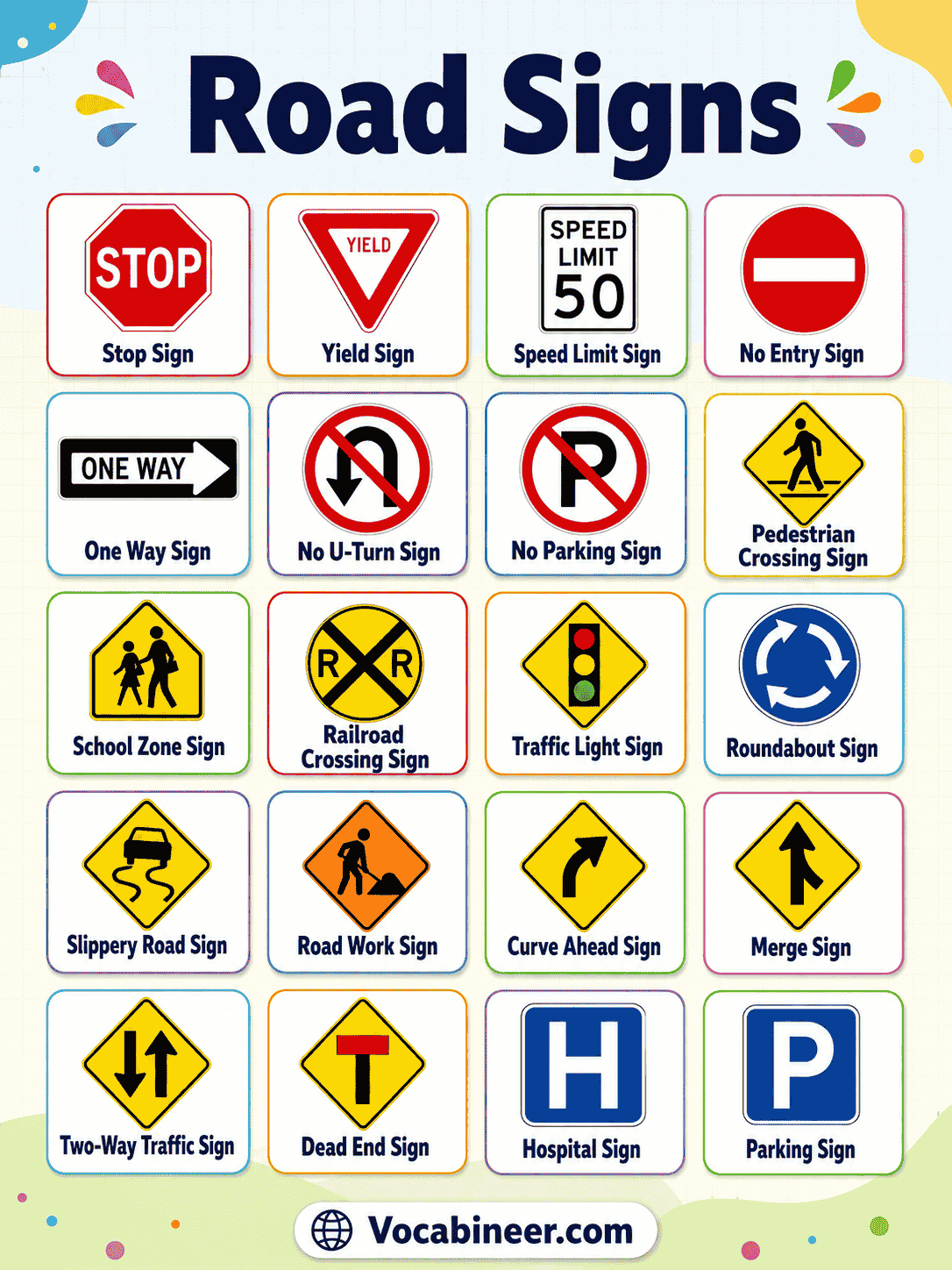
A road signs chart helps learners compare road sign groups quickly.
| Road Sign Group | Details |
|---|---|
| Warning Signs | Best for: danger and hazard awarenessExamples: slippery road sign, curve ahead sign, road narrows sign |
| Order and Restriction Signs | Best for: traffic rules and driving limitsExamples: stop sign, no entry sign, no U-turn sign |
| Speed Parking and Lane Signs | Best for: speed control, lane use, and stopping rulesExamples: speed limit sign, lane ends sign, no parking sign |
| Guide and Service Signs | Best for: routes, places, and facilitiesExamples: direction sign, hospital sign, fuel station sign |
| Road Work and Construction Signs | Best for: temporary road conditionsExamples: road work sign, detour sign, lane closed sign |
| Crossing and Railway Signs | Best for: pedestrian, school, bicycle, and rail safetyExamples: pedestrian crossing sign, school zone sign, railway crossing sign |
How to Learn Road Signs for a Driving Test
Learning road signs for a driving test becomes easier when you study them by group. First, learn common signs such as stop, give way, speed limit, no entry, no parking, pedestrian crossing, and road work signs. Then, study warning signs, order signs, guide signs, parking signs, and road work signs separately.
Also, pay attention to sign colors and shapes because they often reveal the sign’s purpose. Practice with road sign charts, flashcards, mock tests, and real road examples. Since road sign designs can vary by country, use your local driving handbook or official traffic guide when preparing for a test.
FAQs
The main types of road signs include warning signs, order and restriction signs, guide signs, information signs, road work signs, parking signs, pedestrian signs, bicycle signs, and railway signs.
Road sign colors often show the purpose of a sign. Red signs usually show stopping or restrictions, yellow signs often warn about hazards, green signs usually guide directions, and blue signs often show services or mandatory actions.
Warning signs alert drivers about possible danger ahead. Order signs tell drivers what they must do or must not do, such as stop, give way, turn left, or avoid entry.
Important road signs for a driving test include stop sign, give way sign, speed limit sign, no entry sign, no parking sign, pedestrian crossing sign, school zone sign, roundabout sign, and road work sign.
Road signs have different shapes so drivers can recognize their purpose quickly. For example, an octagon often means stop, a triangle often warns or gives way, and a rectangle often gives information or directions.
Read More
- Road Vocabulary Words
- Directions Vocabulary Words
- Musical Instruments Vocabulary
- Transportation Vocabulary Words
- Airport Vocabulary in English
